Every car owner dreads turning the key and hearing nothing. If your battery is dying within 48 hours of parking — even when it’s almost new — the usual cause is a hidden parasitic drain. I’ve seen this many times in my own cars and in shop work. It leaves you stranded, late, or facing an avoidable tow bill.
Many drivers don’t realize how many small things inside a car can silently drain the battery overnight or over a weekend. That’s why I wrote this guide. I’ll explain common causes, how each one draws power, how to spot them, and how to stop them. You’ll get practical steps I’ve used myself and tips mechanics often rely on.
Parasitic drain means any electrical component drawing current with the ignition off. Some draw is normal — the clock, alarms, and some control modules. But if a circuit pulls too much current, the battery will be dead in a day or two. Modern vehicles with many computers and accessories are most at risk. Even a stuck relay or a small hardwired device can flatten a brand-new battery fast.
Below I list the 48 most common causes of hidden parasitic battery drain. For each, I explain how it can drain the battery, how to detect it, and what to do to prevent it. I also show how to test for a drain, what normal parasitic current looks like, and when to call a pro.
Glove Box Light Stuck On
A glove box light is tiny. Yet if it stays on, it can kill a battery in a day or two. Switches wear, latches bend, and the light may stay lit when the box doesn’t close fully. Check the glove box after you close it. If the light stays on, replace the bulb or switch. A quick trick: gently jiggle the closed glove box. If the light flickers, you likely have a bad switch or a poor connection.
Trunk Light Failing To Shut Off
The trunk light is easy to forget because it’s out of sight. A broken latch or switch can keep it on all night. Open the trunk, press the latch manually, and watch the light. Some cars use magnetic sensors; if they fail, the light can remain on. Fix alignment or replace the switch. If you’re not sure, use a phone camera to peek into the trunk gap after closing to confirm the light has turned off.
Faulty Door Jamb Switch
Door jamb switches control interior lights. Corrosion or wear can make them stick. If interior lights stay on with doors closed, wiggle the switch with the door open to see if it sticks. Replace any faulty switch. On older cars, several door switches may fail, so check each door.
Aftermarket Alarm Systems
Aftermarket alarms often draw more power than factory systems. Bad wiring or extra sensors increase standby current. If your battery started dying after an install, inspect the alarm wiring and settings. Pro installation matters. Pick alarm units designed for low standby power and ones with sleep modes.
Even with a perfectly healthy battery maintained by Safe Car Battery Recharging Methods Without Overcharging or Sulfation, a hidden parasitic drain causing battery discharge within 48 hours can leave you stranded.
Old Or Faulty Relays
A stuck relay keeps power flowing after the engine is off. Fuel pump and accessory relays are common culprits. Listen for clicks or humming after you shut the car off. If a relay sticks intermittently, it may only show the problem sometimes. Replace suspect relays and test the circuit.
Malfunctioning Stereo Or Amplifier
Aftermarket stereos and amplifiers can fail to shut off. If the stereo is warm hours after use, it’s likely still drawing current. Check wiring and grounding. Upgrade to gear with low standby current and disable “soft off” modes if the unit still draws power when “off.”
GPS Tracker Devices
GPS trackers for fleet or theft protection can drain batteries. Cheap trackers or ones set to always transmit will draw more current. Use units with a sleep mode. Have a pro wire them so they only wake with ignition or on a low-voltage trigger.
Faulty Power Seat Modules
Power seats should go to sleep with the car off. If switches stick or modules fail, seats can draw current. Listen for motor noise after shutdown. Replace faulty switches or modules. In many cars, you can access seat modules under the seat for a quick look.
Stuck Power Window Switch
A stuck window switch can allow the motor to draw current continuously. If a window moves slowly or after you release the switch, fix it right away. Dirt and debris in the switch or track often cause sticking. Clean the area and test.
Dash Cam Or Camera System
Hardwired dash cams for parking surveillance are a common cause of drains. If the install lacks a proper cutoff, the cam will run until the battery dies. Use a dash cam with a built-in voltage cutoff or a hardwire kit with a low-voltage cutoff. Set the cam’s parking mode to sleep at a safe voltage.
Onboard Diagnostic (OBD) Devices
OBD devices plug into the OBD-II port and can draw power constantly. Insurance dongles and fleet trackers are the usual suspects. Unplug them when not needed. Prefer devices that go to deep sleep after inactivity.
Bluetooth Adapters
Bluetooth adapters left in a 12V socket can remain active when the car is off. Unplug them after use or buy units with auto-off features. If an adapter has a small LED that stays lit after shutdown, it’s drawing power.
Cell Phone Chargers
Some phone chargers draw current even with no phone connected. Cheap chargers are worse because they lack proper switching circuitry. Unplug chargers when you leave the car. It’s a small habit that prevents a lot of headaches.
Stuck Sunroof Switch
Sunroof switches can stick after water or debris get in. If the sunroof moves by itself or the motor is noisy, inspect the switch and wiring. Moisture can cause corrosion and shorts.
Electric Cooling Fans
Some cars run cooling fans after shutdown. That’s normal for a few minutes. But a failed relay or temperature sensor can make fans run for hours. If you hear fan noise long after parking, test relays and fans.
Faulty Alternator Diodes
Alternator diodes prevent current from flowing back into the alternator. When they fail, they create a drain path. If your alternator feels hot after driving or you see a battery discharge, ask for a diode test during service.
Add-on Lighting (leds, Underbody Kits)
Aftermarket lights wired to constant power can draw even when “off.” Use proper relays and switches. Remove or rewire any lighting kit that didn’t come with a proper switched feed. Remote control receivers for these kits can draw standby current too.
Electronic Toll Transponders
Some toll tags and RFID readers draw power if hardwired. Make sure they run only when ignition is on. If your toll device has a battery, check it regularly. A bad battery in the tag can cause unexpected draw on vehicle power.
Remote Start Systems
Remote starters can keep modules awake if installed incorrectly. If lights or electronics stay on after a remote start, have the system checked. Compatibility and professional wiring are key.
Failing Body Control Module (bcm)
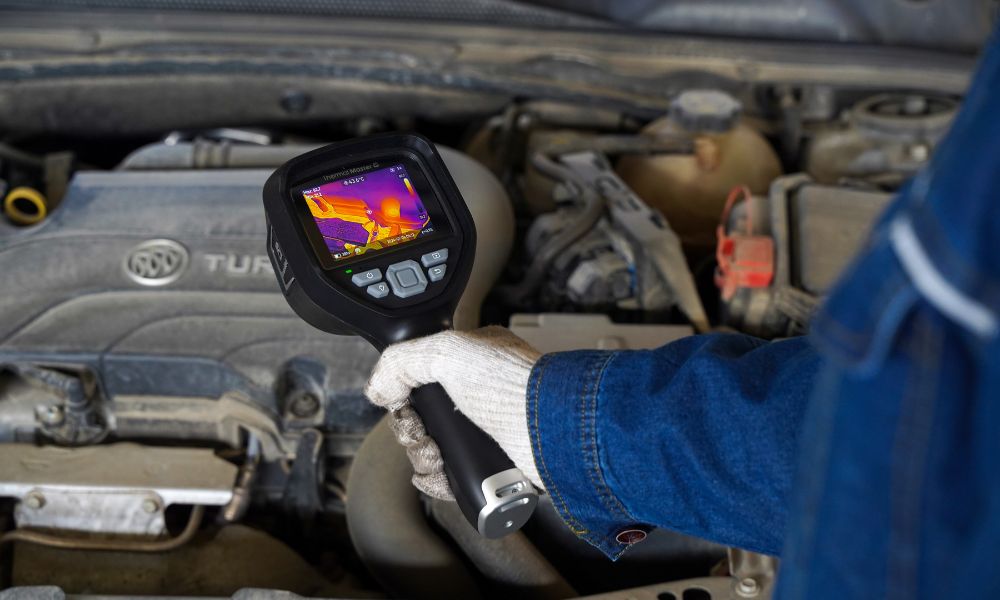
The Body Control Module (BCM) manages many systems. When it malfunctions, it can keep circuits alive. Symptoms include random lights or accessories that run when the car is off. Diagnosis typically needs a scan tool. BCM faults can cause several drains at once.
Credit: thermalmaster.com
Heated Seat Modules
Heated seats should power down with the ignition. If the module or switch fails, they can stay warm and drain the battery. I once found a seat module that kept heating intermittently. It was an easy fix after we isolated the circuit.
Keyless Entry System Issues
Keyless systems search for a key fob. If the fob is left inside or the module doesn’t sleep, the system keeps drawing current. Store the fob away from the car when parked. Some vehicles have a “sleep” option you can enable.
Faulty Automatic Headlights
Automatic headlights rely on sensors. If the sensor or switch fails, lights may stay on. Cover the sensor and watch the lights to test. You can often switch to manual mode until repairs are made.
This Guide May Help You More: How to Replace a Faulty Oxygen Sensor in a Toyota Prius
Malfunctioning Security System
Factory security systems can fail and draw extra power. If you hear clicking or see warning lights after locking, have the alarm scanned. Faulty sensors or wiring often keep the security module awake.
Power Antenna Stuck
A power antenna motor stuck in the extend position can run and draw current. Listen for humming after you shut the car off. In older cars, regular lubrication keeps the antenna from binding.
Memory Seats Not Sleeping
Memory seats should sleep when the car is off. If they move or reset themselves, the memory module may be faulty. Try a memory reset. If that fails, have the module checked.
Air Suspension Compressor
Air suspension compressors may run after parking to maintain ride height. A leak or a bad relay can make them run nonstop. If you hear the compressor long after parking, inspect the system and the relay.
Faulty Hvac Control Module
HVAC control modules should sleep with the car off. If vents blow or you hear the blower, the module may be awake. In some cases, disconnecting the battery for a few minutes resets the module. Use this only as a short test, not a fix.
Bad Ground Connections
Poor grounds can confuse modules and keep them awake. Clean, tighten, and inspect ground straps after any electrical work. I always check ground points when diagnosing odd parasitic draws.
Malfunctioning Cigarette Lighter Socket
A short in a lighter socket can pull current even when empty. Test sockets with the ignition off. Debris or coins can short the socket. Replace damaged sockets.
Credit: www.bonnenbatteries.com
Power Mirror Motors
If a mirror motor or switch is stuck, it can draw current. Mirrors with memory functions may fail and stay awake. If mirrors move by themselves or make noise when the car is off, inspect switches and motors.
Failing Smart Charging System
Modern smart charging systems manage charge rates. If the sensor or module fails, the system can drain rather than charge the battery. If you notice slow starts or frequent low voltage, get a charging system test.
Rear Window Defroster Relay
A stuck defroster relay keeps the grid energized. If the rear window feels warm after hours, replace the relay. Indicator lights that stay on are a clue.
Satellite Radio Receivers
Satellite receivers sometimes stay awake for updates. If aftermarket units remain warm or have glowing displays, wire them to switched power or remove them.
Malfunctioning Parking Sensors
Parking sensors should go to sleep. Dirt, water, or wiring faults can cause false signals and keep the module awake. Clean sensors and check the wiring if you hear clicks after shutdown.
Integrated Navigation System
Built-in navigation units should power down fully. If they stay warm or show a glow, check firmware and wiring. Many systems have a reset option — try that before replacing parts.
Trailer Brake Controller
Trailer brake controllers must be wired to ignition-switched power. If your trailer is connected while parked, the controller may stay active. Disconnect trailers when parked for long periods.
Faulty Airbag Control Module
Airbag modules that malfunction can draw current. Look for persistent warning lights or beeps after shutdown. A diagnostic scan will help identify faults.
Malfunctioning Wiper Motor Relay
A stuck wiper relay can keep the wiper circuit energized. If the wipers move or the motor is warm after you park, check relays and watch for water leaks into relay boxes.
Electric Running Boards
Running boards should retract and sleep. If they move, make noise, or the control module stays active, inspect the actuator and the control module. Lubricate moving parts to prevent binding.
Rear Entertainment Systems
Rear screens and DVD players can drain the battery if they don’t power down. Look for warm screens or visible LEDs after shutdown. Disconnect or rewire aftermarket units to switched power.
Faulty Smart Key Modules
Smart key modules can stay awake if they sense a key nearby. Store keys away from the car and check for recalls. Some systems let you reset the module through vehicle settings.
Power Tailgate Module
Power tailgates can keep trying to move if sensors or motors fail. Listen for humming or cycling after parking. Check hinges, sensors, and the motor.
Malfunctioning Telematics/onstar Modules
Telematics units like OnStar may remain active for updates or emergency monitoring. A faulty unit can drain the battery. Ask your dealer about updates or consider disconnecting unused services.
Faulty Window Defogger
A stuck defogger relay or switch can leave the grid live. If windows remain warm hours later, inspect the relay, switch, and wiring for heat or melting.
46. Malfunctioning Power Liftgate
This is similar to the power tailgate issue. If the liftgate cycles by itself, check the dedicated liftgate module, motor, and wiring. Many vehicles let you disable the liftgate in settings for troubleshooting.
Faulty Door Lock Actuators
A bad actuator can keep trying to lock or unlock doors and draw current. If you hear clicking after locking, test the actuator and its wiring. Lubricate and seal lock mechanisms to prevent water damage.
Leaky Capacitors In Control Modules
Aging capacitors inside modules can leak or short and cause a small but steady drain. If all else checks out and you still have a drain, suspect a control module. This often needs professional testing and repair.
How To Diagnose A Hidden Parasitic Drain
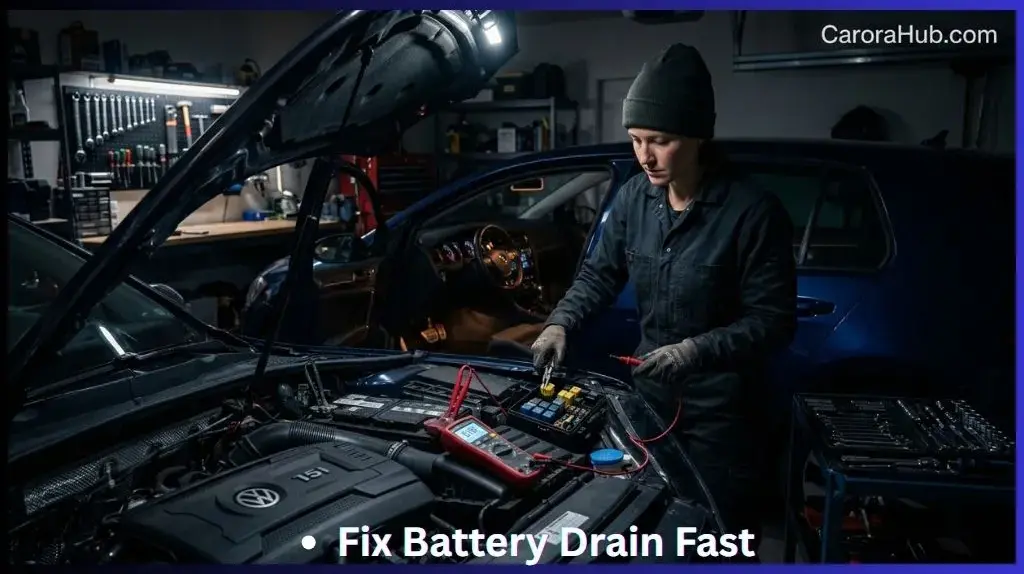
Finding a parasitic drain takes patience and a proper method. Here’s the step-by-step approach I use. It works on most cars and is safer than swapping parts at random.
- Tools: digital multimeter (DC amps, 10A or higher), gloves, safety glasses. A fused multimeter lead helps prevent accidental shorting.
- Turn everything off and remove the key. Close doors and trunk so modules begin to sleep.
- Disconnect the negative battery cable. Wear gloves and eye protection.
- Connect the multimeter between the negative battery post and the cable. Secure the connections. Don’t let the meter leads short to metal.
- Wait 30–60 minutes for vehicle computers to enter sleep mode. Newer cars may take longer. Patience avoids false readings.
- Read the current draw. Under 50 mA (0.05 A) is normal for most cars. Higher values mean a drain. For luxury cars with many features, check the owner’s manual for spec.
- Pull fuses one at a time. When the reading drops, you’ve found the circuit that draws current. Note the fuse number and circuit description.
- Open and inspect devices on that fuse. Check for warm units, stuck switches, poorly routed wires, or aftermarket gear tied to constant power.
This method avoids guesswork. It finds the circuit first, then the device. Some drains are intermittent and show only under certain conditions (rain, vibration, or after a long drive). If the draw only appears sometimes, look for moisture, shorts, or weak relays that fail when hot.
Safety Precautions Before Testing (New)
Testing a battery circuit can be risky. Always:
- Use a meter and leads rated for automotive amperage.
- Never place the meter in volts mode while measuring current.
- Keep metal tools away from battery terminals.
- If unsure, ask a pro. A single spark can damage electronics or cause injury.
Common Tools & Parts to Have (New)
- Digital multimeter (auto-range with 10A port).
- Fused test lead or inline ammeter.
- Replacement fuses (spare set).
- Spray electrical cleaner.
- Dielectric grease.
- Basic trim and panel tools to access fuse boxes.
Real-world Example: Parasitic Drain In A Modern Car
I once worked on a 2016 sedan with a healthy battery that died overnight. The multimeter showed a 0.3 A draw — six times normal. Pulling fuses one by one revealed the draw dropped when the cigarette lighter/accessory fuse was removed. The cause: a stuck Bluetooth adapter left plugged in for months. Removing the adapter fixed the issue instantly. This shows small devices can cause big trouble.
Table: Typical Parasitic Current Draws
Here’s how much current is normal vs. excessive for parked cars:
| Current Draw | Status | Battery Discharge Time |
|---|---|---|
| 15-50 mA | Normal | Several Weeks |
| 60-100 mA | Borderline | 5-7 Days |
| 100-500 mA | Excessive | 1-3 Days |
| >500 mA | Severe Drain | <24 Hours |
Table: Common Symptoms And Likely Causes
Recognize these symptoms to narrow down the cause:
| Symptom | Likely Cause |
|---|---|
| Interior lights stay on | Glove box, door switch, trunk light |
| Random clicking or beeping | Alarm, BCM, relay, security system |
| Battery dead after one night | High current drain (see above) |
| Warm electronic units after hours | Amplifier, navigation, telematics |
| Accessories operate by themselves | Stuck switches, faulty modules |
Table: Parasitic Drain Vs. Battery Age
How battery age affects drain symptoms:
| Battery Age | With Normal Drain | With Parasitic Drain |
|---|---|---|
| <1 Year | No issue | Dead in 24-48 hrs |
| 2-3 Years | Strong starts | Dead in 12-24 hrs |
| >4 Years | Slow start after 2 weeks | Dead overnight |
Preventing Parasitic Drain: Practical Tips
- Unplug accessories when not in use. Even small devices can add up.
- Buy quality electronics and have them installed professionally. Cheap parts often lack sleep modes.
- Inspect interior, glove box, and trunk lights when you clean the car.
- Replace faulty switches and relays quickly. Don’t wait for the battery to die first.
- Keep key fobs away from the car when parked. This prevents keyless systems from searching constantly.
- Test your battery and alternator annually. Early checks spot weak batteries and charging faults.
- Don’t ignore warning signs: noises, lights, or warm modules after shutdown. Investigate them.
- Update navigation and telematics software when updates are available. Firmware bugs can cause modules to stay active.
Smart tip: If your car sits for weeks, use a battery maintainer (trickle or float charger). It keeps the battery topped up and prevents both normal self-discharge and parasitic drains from killing the battery. Choose maintainers with safety features to avoid overcharging.
Quick Pre-Trip and Storage Checklist (New)
- Remove non-essential plugs (phone chargers, adapters, OBD devices).
- Close all doors and lids firmly to ensure lights go out.
- Store the key fob away from the vehicle.
- If storing long-term, disconnect or use a maintainer and secure the vehicle.
Two Insights Many Miss
First, small drains add up. Ten mA here and twenty mA there soon become a problem. Always check every device, not just the obvious ones. Multiple minor drains from old accessories can combine to create a major issue.
Second, battery age matters. An old battery can’t tolerate even a normal drain. If your battery is more than three years old and keeps dying, replace it. Even after fixing a drain, an aged battery may not recover full capacity. Test battery health after repairs.
When To See A Professional
If you’ve checked the items above and still have problems, see a qualified technician. Some drains hide in control modules, non-serviceable wiring, or deep inside the vehicle’s electronics. Modern cars have many ECUs, and some faults require advanced tools and manufacturer-level diagnostics. A pro can save time and money by pinpointing the issue.
Learn More About Parasitic Battery Drain For Additional Technical Details And Research.
Frequently Asked Questions on Hidden Parasitic Battery Drain
How Much Parasitic Drain Is Normal In A Parked Car?
Normal parasitic drain is 15–50 milliamps (0.015–0.05 amps). This powers essentials like the clock and security system. Anything above 100 milliamps should be investigated. For luxury or very new vehicles with many features, a slightly higher baseline can be normal. Check your owner’s manual or dealer spec for exact values.
Can A New Battery Go Dead From Parasitic Drain?
Yes. Even a brand-new battery will discharge if a drain draws current while the car is off. A strong drain can kill a battery in less than a day. Replacing the battery without finding the drain is just a temporary fix.
How Do I Check For Parasitic Drain If I Have No_Tools
Look for clues first: lights staying on, random noises, or accessories working when the car is off. Remove all chargers and devices. If the problem stops, you’ve found the likely culprit. For a full check, a digital multimeter and the fuse-pulling method are best. If you don’t have tools, ask a mechanic for a quick parasitic draw test.
Will Disconnecting The Battery Prevent Parasitic Drain?
Disconnecting the negative cable stops drains but also erases memory and may require system re-initialization. This is a temporary fix. Repairing the root cause is better. Some modern cars also need special procedures after reconnection.
Do I_Need_To_Replace_My_Battery_After_A_Parasitic_Drain?
Not always. If the battery is new and drained once, a full recharge usually restores it. But repeated deep discharges or an old battery may lose capacity. Test the battery’s health (conductance test or load test) after fixing the drain.
With the right knowledge and a careful approach, you can find and fix hidden parasitic drains. I’ve solved many of these problems myself. Follow the steps above, and you’ll keep your car ready when you need it.

I am Julian Drive, an automotive enthusiast and repair expert with over 7 years of hands-on experience in vehicle maintenance. At Carora Hub, I simplify complex car issues into easy-to-follow DIY guides to help drivers stay safe and save on repair costs.