Have you ever wondered how long your car can keep running if the alternator starts to fail? Your alternator plays a crucial role in keeping your vehicle’s electrical system powered.
When it goes bad, you might feel stranded or unsure about what to do next. Understanding how long you can drive with a bad alternator can save you from unexpected breakdowns and costly repairs. You’ll discover the signs to watch for, how your car behaves with a failing alternator, and practical tips to keep you safe on the road.
Keep reading—this knowledge could be the difference between a minor inconvenience and a major car emergency.
Signs Of A Failing Alternator
The alternator is a key part of your car’s electrical system. It charges the battery and powers electrical parts. A failing alternator causes many problems. Early signs help you avoid a breakdown. Watch for these signs carefully.
Dimming Or Flickering Lights
Headlights and dashboard lights may dim or flicker. This happens because the alternator can’t supply steady power. Dimming lights at night or during acceleration are common signs. Flickering lights warn that the alternator needs attention soon.
Electrical Component Issues
Electrical parts like power windows, radio, or air conditioning may act up. They might work slowly or stop working. The alternator struggles to provide enough power. This causes these components to fail or behave oddly.
Strange Noises
A failing alternator can make unusual sounds. You might hear grinding or whining noises from the engine area. These sounds come from worn bearings or internal parts. Strange noises signal a problem inside the alternator.
Warning Lights On Dashboard
The battery or alternator warning light may turn on. This light looks like a battery symbol or says “ALT.” It means the car’s computer detected a charging problem. Ignoring this warning can lead to a dead battery and breakdown.
Credit: www.autozone.com
How A Bad Alternator Affects Car Performance
The alternator plays a key role in your car’s performance. It keeps the battery charged and powers electrical parts. A bad alternator can cause many problems. It affects how well your car runs and how long it can operate. Understanding these effects helps you recognize issues early.
Battery Drain And Its Impact
A failing alternator cannot recharge the battery properly. The battery loses power quickly. Electronics like lights, radio, and dashboard displays start to dim or fail. The car may not start after a short time. Battery drain can leave you stranded unexpectedly.
Engine Stalling Risks
The engine needs steady power to run smoothly. A weak alternator causes unstable voltage. This can make the engine stall or hesitate during driving. Stalling is dangerous, especially on busy roads or highways. It signals the alternator is failing and needs attention.
Reduced Electrical System Efficiency
Electrical components depend on the alternator’s output. A bad alternator lowers the system’s efficiency. Power windows, headlights, and air conditioning may work poorly. Electronic controls might act erratically. Overall, your car feels less reliable and safe to drive.
Typical Timeframe For Driving With A Bad Alternator
Knowing how long a car can run with a bad alternator helps drivers avoid sudden breakdowns. The alternator charges the battery and powers the electrical system. When it fails, the car relies only on the battery’s remaining power. This limits the driving time and distance.
Factors Influencing Driving Duration
The battery’s condition affects how long the car runs. A fully charged, healthy battery lasts longer than a weak one. Driving habits also matter. Using many electrical devices like lights or radio drains power faster. Weather plays a role too. Cold weather reduces battery efficiency, shortening driving time.
Average Distance Before Failure
Most cars can run 30 to 90 minutes with a bad alternator. This usually covers 20 to 60 miles before the battery dies. Some may last shorter or longer based on battery health and power use. Once the battery drains, the engine will stop running.
Variations By Vehicle Type
Smaller cars with fewer electrical components may run longer. Larger vehicles or those with many electronics use battery power faster. Hybrid and electric vehicles have different systems and may behave differently. Always check the owner’s manual for specific guidance on alternator issues.

Credit: oldoxtire.com
Risks Of Driving Too Long With A Faulty Alternator
Driving with a bad alternator can cause serious problems. The alternator keeps your car’s battery charged and powers the electrical system. When it fails, your battery runs out of power fast. This puts your vehicle at risk in several ways. Understanding these risks helps you avoid costly repairs and dangerous situations on the road.
Complete Battery Drain
The alternator charges the battery while the engine runs. A faulty alternator stops this process. The car then uses the battery’s stored energy only. This drains the battery quickly. Once the battery is dead, the car will not start or run. You may get stuck on the road without warning.
Potential Engine Damage
A bad alternator can cause engine problems. The engine’s electronic parts need steady power. Low voltage can cause the engine to misfire or stall. This can damage sensitive components. Repairs become more expensive over time. Driving too long with a bad alternator risks costly engine damage.
Safety Hazards On The Road
Electrical failure affects important safety features. Power steering and brakes may weaken without enough electricity. Headlights and indicators might stop working. This reduces visibility and increases accident risk. Being stranded on a busy road is dangerous. Your safety and others’ depend on a working alternator.
Steps To Take When Alternator Fails
When your car’s alternator fails, you must act quickly. The alternator charges the battery and powers the electrical system. Without it, the car will soon stop running. Taking the right steps can help prevent more damage and get you back on the road faster.
Below are important steps to follow after an alternator failure. These actions can save your car and your wallet.
Immediate Actions To Prevent Damage
Turn off all electrical devices in the car. This reduces battery drain. Avoid using the radio, air conditioning, and headlights. Drive only if absolutely necessary. Keep the trip short and drive at low speed. Park the car safely as soon as possible. Continuing to drive can damage the battery and other parts.
Alternator Repair Vs Replacement
Decide whether to repair or replace the alternator. Repair can be cheaper but may not last long. Replacement costs more but offers better reliability. Consider the car’s age and overall condition. A new alternator can improve performance and prevent future problems. Ask your mechanic about warranty options on parts and labor.
Finding A Reliable Mechanic
Choose a mechanic with good reviews and experience. Look for shops specializing in electrical systems or alternators. Ask friends or family for recommendations. Get a clear estimate before any work starts. A trusted mechanic will explain the problem and fix it properly. Always keep records of repairs for future reference.

Credit: ultrabrightlightz.com
Preventing Alternator Issues
Preventing alternator issues helps keep your car running smoothly. A bad alternator can cause many problems. It may leave you stranded or damage other parts. Taking steps to avoid alternator failure saves time and money. Regular care and attention go a long way.
Regular Maintenance Tips
Check the alternator belt for cracks or wear. Replace a worn belt quickly. Keep the battery terminals clean and tight. Dirt or loose connections reduce charging power. Have a mechanic inspect the alternator during oil changes. Early checks catch small problems before they grow.
Monitoring Electrical System Health
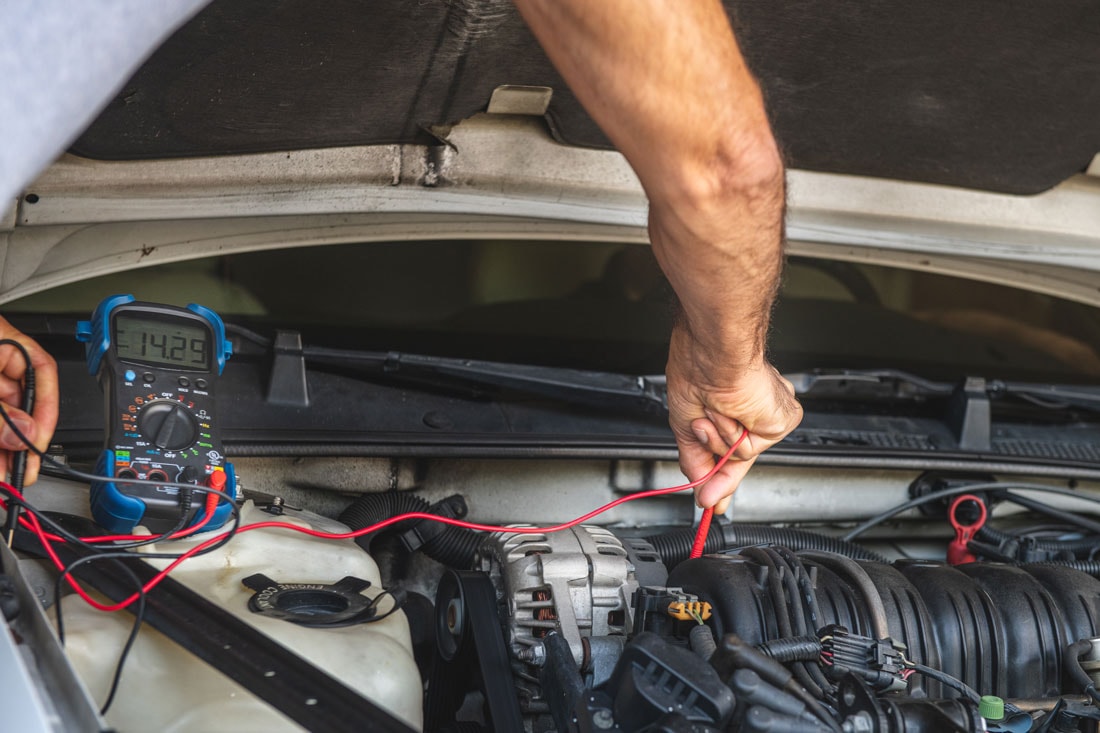
Watch your dashboard for warning lights. A battery or alternator light signals electrical trouble. Test the battery voltage with a multimeter. Healthy batteries read about 12.6 volts when off. Run the engine and watch for 13.5 to 14.5 volts. Lower numbers mean the alternator may fail soon.
Signs To Watch Early
Dim or flickering headlights often mean alternator issues. Strange sounds like whining or grinding come from the engine area. Electrical accessories may work slower or stop. The car may stall or have trouble starting. Notice these signs early to prevent breakdowns.
Frequently Asked Questions
How Far Can A Car Go With A Bad Alternator?
A car can typically run 20 to 30 miles with a bad alternator. This depends on battery health and electrical load. After that, the battery will drain, causing the car to stall.
What Are The Signs Of A Failing Alternator?
Common signs include dim headlights, electrical issues, warning lights on the dashboard, and strange noises. These indicate the alternator is not charging the battery properly.
Can A Car Battery Die From A Bad Alternator?
Yes, a bad alternator fails to charge the battery, causing it to drain. Eventually, the battery will die, and the car won’t start.
Is It Safe To Drive With A Bad Alternator?
It’s not safe to drive long distances with a bad alternator. The car can stall unexpectedly, causing dangerous situations on the road.
Conclusion
A bad alternator can cause your car to stop suddenly. Most cars run only 30 minutes to an hour without a good alternator. Electrical parts will fail as the battery drains. Driving longer risks damage and safety issues. It’s best to fix or replace the alternator quickly.
This keeps your car running smoothly and avoids costly repairs. Watch for warning signs like dim lights or strange noises. Taking care early saves trouble later. Don’t wait until your car breaks down on the road.

I am Julian Drive, an automotive enthusiast and repair expert with over 7 years of hands-on experience in vehicle maintenance. At Carora Hub, I simplify complex car issues into easy-to-follow DIY guides to help drivers stay safe and save on repair costs.