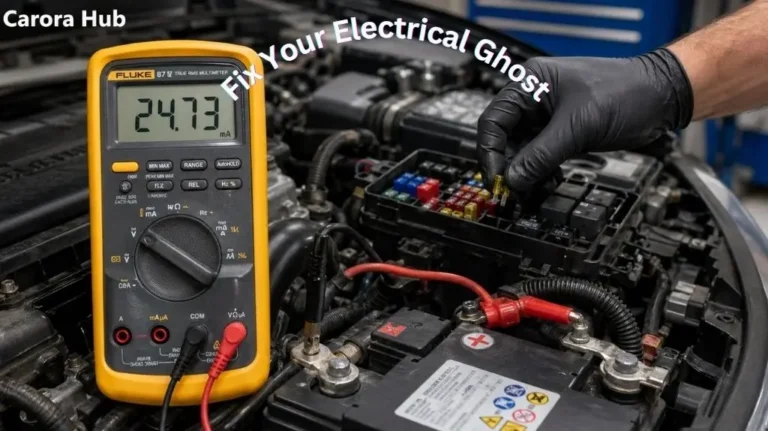
Recharging your car battery sounds easy: plug in a charger, wait, and go. I’ve learned it’s not that simple. I once ruined a battery by leaving an old charger on too long. Overcharging can destroy a battery. Sulfation quietly cuts capacity and shortens life. If you want to recharge your car battery without overcharging or sulfation, this guide will walk you through safe, practical steps. You’ll avoid costly mistakes and keep your battery healthy for years.
A car battery does more than start the engine. It runs lights, infotainment, safety systems, and electronics. When the battery fails you may not start the car. You could be stranded. The right charging method saves time and money. It also keeps electronics safe. Too many drivers rely on old habits or guesswork. I’ll show methods that actually work.
This article covers the science behind safe charging, clear step-by-step methods, and common mistakes to avoid. I write from hands-on experience and research. Whether you are new to this or have some experience, you’ll learn how to recharge a battery the right way. You’ll also learn how to protect it from damage and extend its life.
Understanding Car Battery Basics
A car battery is not just a box of energy. It is a lead-acid battery with a chemical balance that matters. To charge it safely, you need to know the basics. I will keep this simple and practical.
Types Of Car Batteries
Most cars use flooded lead-acid batteries. Many modern vehicles, and hybrids, use AGM (Absorbent Glass Mat) or gel batteries. Each type needs different care. Flooded batteries tolerate deeper discharge. But they are more prone to sulfation if left discharged. AGM and gel batteries hold up better to vibration and are sealed. They are more sensitive to overcharging. Always check your battery label or owner’s manual before you charge.
The Charging Process
Charging is a chemical reverse of discharge. When a battery drains, lead sulfate forms on the plates. Good charging converts that sulfate back to active material. Charge too fast or too long and the battery overheats. Overcharging boils off electrolyte and damages plates. Letting a battery sit discharged causes sulfation—hard lead sulfate crystals that reduce capacity and cranking power.
Sulfation: The Silent Killer
Sulfation is the top cause of battery failure. When lead sulfate crystals grow too large, a charger can’t reverse them. The battery then loses usable capacity and can fail entirely.
- The battery sits discharged for days or weeks.
- Charging is incomplete or too slow.
- The battery is stored without a maintenance charger.
A routine, proper charging habit prevents sulfation. Use the right charger and keep the battery topped up when the car sits.

Safe Car Battery Recharging Methods
Safe charging means the right charger, correct voltage, and proper monitoring. Below are the methods I recommend, ranked by safety and ease.
Method 1: Smart Charger (automatic Charger)
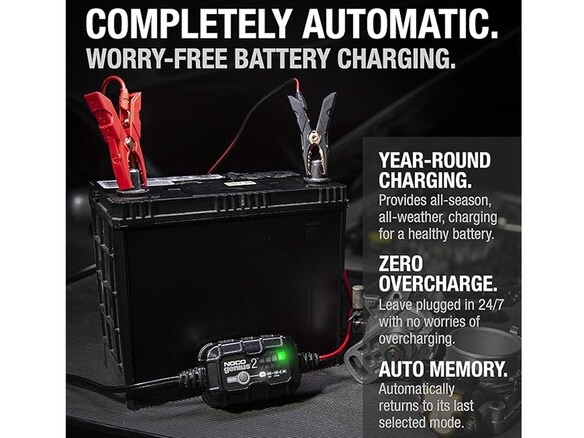
A smart charger is the safest choice for most drivers. I use one on every weekend car I own. These chargers read the battery, set the right current, and switch to a low-voltage float when the battery is full.
How it works:
- Connect the charger to the battery terminals.
- The charger analyzes the battery’s state.
- It delivers the right amount of charge and switches to “float” mode when full.
Benefits:
- No risk of overcharging when the charger has proper float mode.
- Prevents sulfation by keeping the battery topped up.
- Works on most battery types if you choose a compatible model.
Example: The NOCO Genius, Battery Tender, and CTEK chargers are popular smart chargers. They use microprocessors to manage charge stages and protect the battery from overheat and overcharge.
Method 2: Manual Charger With Timer And Voltmeter
Older manual chargers still work. But they need you to watch them. Add a voltmeter and a timer to stay safe. I used this setup for years before switching to smart chargers.
Steps:
- Check battery voltage before charging. If it’s below 12.4V, recharge.
- Set charger to the correct amperage (usually 2–10A for car batteries).
- Monitor voltage every 30–60 minutes.
- Stop charging when voltage reaches 14.4–14.7V (for most lead-acid batteries).
Tips:
- Never leave a manual charger connected overnight.
- If the battery feels hot, stop charging immediately.
- Use a timer as a backup in case you forget.
Manual chargers are cheaper. They work if you pay attention. For safety and ease, I still prefer smart chargers for most tasks.
Method 3: Solar Charger With Charge Controller
Solar chargers are great for cars that sit outdoors. They keep the battery topped up. Always include a charge controller. The controller prevents overcharging and manages voltage.
Setup:
- Connect the solar panel to the charge controller.
- Connect the controller to the battery.
- The controller regulates voltage and stops charging when the battery is full.
Advantages:
- Safe for long-term maintenance.
- Eco-friendly and silent.
- Prevents sulfation by keeping battery topped up.
Solar setups shine for RVs, classics, and seasonal vehicles. I’ve used a small panel to maintain a garage car all winter with no issues.
Method 4: Trickle Charger For Long-term Maintenance
A trickle charger delivers very low current, usually under 2A. It can keep a battery full for weeks. Modern trickle chargers use an automatic float mode. That makes them safe for long-term use.
How to use:
- Connect the trickle charger to the battery terminals.
- Leave the charger connected for days or weeks while monitoring occasionally.
- The charger maintains voltage at a safe float level.
Important: Only use modern trickle chargers with automatic shutoff or float mode. Old-style trickle chargers can overcharge if left connected too long.
Method 5: Jump Starter With Recharge Feature
Some portable jump starters can also recharge a battery. They are handy in emergencies. They are not the best tool for routine charging.
How it works:
- Connect the jump starter to the battery.
- Let it charge for 30–60 minutes.
- Monitor voltage and disconnect when battery reaches 12.7–12.9V.
Jump starters restore enough charge to start the car. They rarely fully recover a deeply discharged or sulfated battery.
Credit: www.lincoln.com
Setting The Correct Charging Voltage And Current
Voltage and current settings make or break a charging session. Too high and you risk overcharging. Too low and sulfation can set in. Below are simple, practical settings you can use. Always check your battery label and manual first.
Recommended Charging Settings
For Most Lead-acid Car Batteries:
- Bulk charging voltage: 14.2–14.7V
- Float voltage: 13.2–13.8V
- Charging current: about 10% of battery capacity (for example, a 60Ah battery → 6A)
For Agm Batteries:
- Bulk voltage: 14.4–14.6V
- Float voltage: 13.2–13.4V
- Charging current: 10–20% of battery capacity
For Gel Batteries:
- Bulk voltage: 14.1–14.3V
- Float voltage: 13.2–13.4V
- Charging current: 10% of battery capacity
Comparing Battery Types And Charging Needs
Here’s a quick reference to help you choose the right settings:
| Battery Type | Bulk Voltage | Float Voltage | Max Current | Overcharge Risk |
|---|---|---|---|---|
| Flooded Lead-Acid | 14.2–14.7V | 13.2–13.8V | 10% capacity | Medium |
| AGM | 14.4–14.6V | 13.2–13.4V | 10–20% capacity | High |
| Gel | 14.1–14.3V | 13.2–13.4V | 10% capacity | Very High |
AGM and gel batteries are more sensitive to overcharging. Always follow the battery maker’s instructions. If you have a non-lead battery like lithium-ion, treat it according to its chemistry—many have built-in protection circuits.
Driving your car as suggested in Optimal Engine Run Time After Jump Start helps restore charge after a jump start. But it won’t fix chemical damage caused by overcharge or severe sulfation. For that, use safe recharging methods.
Step-by-step Guide To Safe Battery Charging
Theory is helpful. Clear steps are better. Below is a practical, safe routine I follow when charging any car battery. It is simple and repeatable.
1. Inspect The Battery
Before charging, check for:
- Corrosion on terminals
- Physical damage like cracks or bulging
- Electrolyte level (for flooded batteries)
- Voltage reading (use a multimeter)
If the battery is damaged, cracked, or leaking, do not charge it. Replace it. Charging a damaged battery is a safety risk.
2. Choose The Right Charger
Match the charger to the battery type and capacity. Smart chargers are best for most people. Manual chargers work if you stay alert. For stored cars, consider a solar charger plus controller or a modern trickle charger with float mode.
3. Connect Charger Safely
- Attach positive (red) clamp to the battery’s positive terminal.
- Attach negative (black) clamp to the negative terminal or a solid metal part of the car (away from the battery) for safety.
- Plug in the charger and set the correct voltage and current.
A final safety step: wear eye protection and gloves. Work in a well-ventilated area. Batteries can emit hydrogen gas when charging.
4. Monitor Charging Progress
Check voltage every 30–60 minutes during manual charging. Smart chargers show progress and switch modes automatically.
- Stop charging when voltage reaches the recommended level.
- If the battery gets hot or emits a strong smell, stop charging at once.
I also watch the charger’s LED indicators. They give quick info: charging, full, error. Trust the charger, but verify with a voltmeter if in doubt.
5. Disconnect Charger Properly
- Unplug the charger from the power outlet first.
- Remove the negative clamp, then the positive clamp.
- Clean terminals if needed.
Removing the power first prevents sparks. Cleaning terminals improves conductivity and reduces future charging issues.
6. Test Battery Performance
After charging, test battery voltage. A fully charged 12V battery reads about 12.7–12.9V at rest. Start the car. Check lights and electronics. If voltage still falls quickly, the battery may be weak or sulfated.
Common Mistakes To Avoid
Avoid these common errors. I have seen each of them cause real damage.
- Overcharging: Leaving a charger on too long boils electrolyte and ruins plates.
- Wrong voltage settings: Using too high voltage damages AGM or gel batteries quickly.
- Ignoring battery condition: Charging a cracked or leaking battery is hazardous.
- Using old trickle chargers: They can overcharge if they lack float mode.
- Charging in unsafe areas: Never charge near flammable materials or in wet locations.
How Sulfation Happens And How To Prevent It
Sulfation is slow. It is also avoidable. Simple habits prevent it.
Causes Of Sulfation
- Leaving the battery discharged for days or weeks
- Incomplete charging cycles
- Low electrolyte levels (in flooded batteries)
- Using the wrong charger or wrong settings
Signs Of Sulfation
- Battery won’t hold charge
- Low cranking power
- White, powdery deposits on plates (visible only when opened)
- Voltage stays low after charging
Preventing Sulfation
- Charge the battery fully at least once a month if idle
- Use a smart charger for maintenance and storage
- Check electrolyte levels and top up with distilled water for flooded batteries
- Avoid deep discharges below about 12.2V
Reversing Mild Sulfation
Some smart chargers include a desulfation mode. They send high-voltage pulses to break small sulfate crystals. This can restore some capacity for mild cases. Severe sulfation often cannot be reversed and usually requires battery replacement.
Signs Of Overcharging And What To Do
Overcharging is dangerous. It can cause fire, explosion, or permanent battery damage. Know the signs and act fast.
Symptoms Of Overcharging
- Battery feels hot to the touch
- Swelling or bulging case
- Strong rotten-egg smell (hydrogen sulfide) from hydrogen gas
- Electrolyte loss—fluid evaporates
- Voltage much higher than 14.7V during charging
What To Do If You Overcharge
- Disconnect the charger immediately
- Let the battery cool in a ventilated area
- Check electrolyte level and refill with distilled water if needed (for flooded batteries)
- Test battery performance before reinstalling
If the battery is swollen or leaking, replace it. Do not try to recover a physically compromised battery. Safety first.
Real-life Example: Safe Charging Routine
Here is a real example. I use this routine for standard car batteries. It is safe and repeatable.
Scenario: You have a standard 60Ah flooded lead-acid battery that won’t start. Voltage reads 12.1V (discharged).
Steps:
- Inspect battery—no damage or leaks.
- Choose a smart charger (CTEK MXS 5.0 as an example).
- Connect the charger and set 12V lead-acid mode.
- Charger runs at 5A and monitors voltage and temperature.
- After about 4 hours, the charger switches to float mode at ~13.6V.
- Disconnect charger. Battery reads 12.8V at rest.
- Car starts easily and electrical systems work normally.
No overcharging. No sulfation risk. The battery is healthy and ready to use.
Comparing Charging Methods: Safety And Effectiveness
Here’s how the main methods compare in safety and ease of use:
| Charging Method | Safety Level | Ease of Use | Sulfation Prevention | Risk of Overcharging |
|---|---|---|---|---|
| Smart Charger | Very High | Easy | Excellent | Low |
| Manual Charger | Medium | Moderate | Good | Medium |
| Solar Charger (with Controller) | High | Easy | Excellent | Low |
| Trickle Charger | High (if automatic) | Easy | Good | Low |
| Jump Starter | Medium | Easy | Poor | Low |
Smart chargers and solar chargers with controllers are the safest options for beginners. They give the best balance of safety, ease, and sulfation prevention.

Credit: us.gooloo.com
Practical Tips For Long Battery Life
Below are useful tips I learned over years of car maintenance. They help battery life and charging reliability.
- Battery temperature matters: Charging in cold weather is slower. Hot weather raises overcharge risk. Aim for mild temps when possible (60–80°F).
- Partial charges beat deep discharge: Avoid letting voltage drop below 12.2V. Small, frequent top-ups are healthier than deep drains.
- Clean terminals: Corrosion adds resistance and reduces charging efficiency. Clean with a wire brush or terminal cleaner every few months.
- Check charger compatibility: Not every charger is right for AGM or gel batteries. Use a charger with modes for those chemistries.
- Avoid fast charging unless needed: Fast chargers save time. They also raise heat and stress. Use them only when necessary and with chargers designed for your battery type.
This Guide May Help You More: How Cold Weather Affects Prius Mpg And Battery
What To Do If Your Battery Is Already Sulfated
If you suspect your battery is sulfated:
- Try a smart charger with desulfation mode. Some brands claim to restore up to 80% of lost capacity for mild cases.
- If the battery still won’t hold charge, replace it. Don’t waste time on a failing battery.
- Don’t try risky DIY fixes like overcharging or adding household chemicals. These are unsafe and often fail.
When to Replace a Battery
Replace the battery if it:
- Shows physical damage or bulging.
- Leaks electrolyte or emits strong odor after charging.
- Fails load or capacity tests even after a full charge and desulfation attempt.
How Often Should You Charge Your Car Battery?
- Daily drivers: The alternator usually keeps the battery charged. Extra charging is not needed unless the battery is weak.
- Occasional use or storage: Charge every 1–2 months. Or use a trickle or smart charger for maintenance.
- Extreme weather: Cold or hot weather drains batteries faster. Check voltage monthly and charge if below 12.4V.
Battery Maintenance Checklist
Use this simple checklist to keep your battery in good shape:
- Check voltage monthly.
- Clean terminals every 3 months.
- Check electrolyte level (flooded batteries) every 6 months.
- Charge fully if voltage drops below 12.4V.
- Store batteries at mild temperatures when possible.
- Use a smart charger for long-term storage and maintenance.
Latest Research And Innovations
Battery tech keeps improving. Modern chargers use pulse charging and multi-stage charging to reduce sulfation and control heat. Some chargers adapt to battery age and temperature. New battery chemistries like lithium-ion are entering more vehicles, and they use built-in protection circuits. Still, most cars use lead-acid batteries that need the care we covered here.
Researchers test new plate materials and additives to slow sulfation. For now, the simplest, safest path is a quality charger plus routine maintenance. If you want deeper technical reading, visit Battery University.
FAQs About Safe Car Battery Recharging Methods
What Is The Safest Way To Charge My Car Battery?
The safest way is a smart charger with automatic shutoff. It monitors voltage and stops or floats when full. Always follow the charger and battery maker’s instructions. Inspect the battery before charging.
How Do I Know If My Battery Is Overcharged Or Sulfated?
Overcharged batteries feel hot, may swell, and smell like rotten eggs. Sulfated batteries don’t hold charge, show low voltage after charging, and may have white deposits if opened. Stop charging and test the battery if you see these signs.
Can I Use A Trickle Charger For Long-term Storage?
Yes. Use a modern trickle charger with float mode or a smart charger. Old trickle chargers can overcharge over weeks. A solar charger with a controller is another safe option for long-term storage.
Is Fast Charging Safe For Car Batteries?
Fast charging can be safe if the charger is designed for that battery type. Smart fast chargers control voltage and temperature. Avoid manual fast charging unless you know the battery’s limits and the charger’s safeguards.
How Often Should I Check My Car Battery Voltage?
Check voltage monthly. Do it more often in extreme weather or if you drive infrequently. Recharge if voltage drops below 12.4V. Regular checks prevent sulfation and surprise failures.
Safe car battery recharging is more than plugging in a charger. It is about understanding the battery, choosing the right method, and monitoring the process. Avoiding overcharging and sulfation saves money and keeps your car ready. Use a smart charger when possible. Keep an eye on voltage. Replace a battery that shows physical damage or fails tests. With these tips, you can confidently recharge your battery and extend its life.
With a few simple habits, you can keep your battery healthy for years. If you have specific questions about your battery model or charger, ask below and I’ll share what has worked for me.

I am Julian Drive, an automotive enthusiast and repair expert with over 7 years of hands-on experience in vehicle maintenance. At Carora Hub, I simplify complex car issues into easy-to-follow DIY guides to help drivers stay safe and save on repair costs.