Have you ever turned your key, heard a click, and then nothing? The battery looks good, but the engine won’t turn over. I’ve been there — it’s annoying and can leave you stuck at the worst time.
If you want to know what’s actually happening under the hood, you’re in the right place. I’ll walk you through the most common causes, how I diagnose the problem, quick fixes you can try safely, and when to call a pro. Read on to learn how to stop that “click but no start” problem from ruining your day.

Credit: www.youtube.com
Common Causes Of Clicking Without Starting
Hearing a click when you try to start the car usually means the battery has some power. But a click alone shows the starter can’t fully crank the engine. I list the common causes below. Each one stops the starter from turning the engine even when the battery seems fine.
Here are the usual suspects when a car clicks but won’t start, even with a good battery.
Weak Or Faulty Starter Motor
The starter motor does the hard job of turning the engine over. If the starter is weak, worn, or failing, it may only click. Inside the starter, brushes, bearings, or the armature can fail. I’ve seen starters turn very slowly, click once, or not move at all. That single click often means the starter’s solenoid is trying, but the motor can’t spin.
Bad Starter Solenoid
The solenoid is a small relay attached to the starter. It sends battery power to the starter motor. A bad solenoid can click but not make the starter turn. Sometimes the solenoid’s contacts are corroded, or the plunger sticks. The result is the familiar click without cranking.
Corroded Or Loose Battery Connections
Even with a healthy battery, bad connections block current. Corrosion on terminals, a loose negative clamp, or frayed battery cables can limit the amps to the starter. I always check the terminals first. Cleaning and tightening often fixes the issue fast.
Faulty Ignition Switch
The ignition switch sends the start signal. If it fails, it may click but not pass full power to the starter relay or solenoid. A worn switch or bad wiring at the switch can interrupt the circuit and stop the engine from cranking.
Engine Mechanical Issues
Sometimes the engine itself won’t turn. A seized engine or internal damage can make the starter click while nothing moves. If the engine is locked, the starter can’t overcome the resistance. In those cases, trying to crank repeatedly can cause more harm.

Credit: www.familyhandyman.com
Diagnosing The Clicking Noise
When I hear clicking, I follow a short checklist. That helps me find the cause fast. You can use the same steps. Each check is quick and gives clues about whether the issue is electrical, the starter, or the engine.
Below I explain each test and what the results usually mean.
Checking Battery Voltage And Health
Use a multimeter to check battery voltage. With the car off, a healthy battery reads about 12.6 volts. At or below 12.0 V suggests the battery is weak. If voltage drops a lot while cranking, the battery may not deliver enough amps even if its resting voltage looks OK.
- Tip: Look for slow or dim dash lights when you try to start. That points to low cranking amps.
- Also check battery age. Most lead-acid batteries fail after 3–6 years.
Inspecting Battery Terminals And Cables
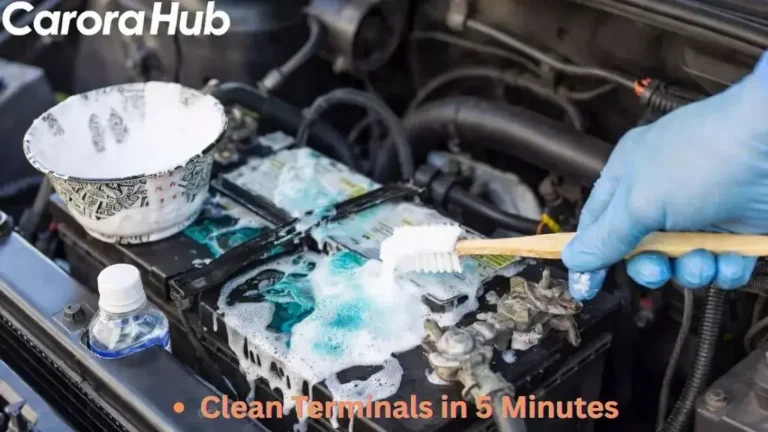
Check for white or green crust on the terminals. Look for frayed or cracked cable insulation. Clean terminals with a wire brush if corroded. Tighten the clamps until they are snug. Bad connections are a very common cause of clicking without cranking.
Testing The Starter And Solenoid
If the battery and cables check out, test the starter and solenoid. If the solenoid gets voltage but the starter doesn’t spin, the starter is likely bad. A quick test I use:
- Have a helper turn the key while you check for voltage at the solenoid with a multimeter or test light.
- If voltage reaches the solenoid but the starter doesn’t move, the starter or internal wiring is the problem.
- Sometimes tapping the starter gently frees a stuck gear and lets it spin once or twice.
Evaluating Ignition Switch Function
Turn the key and watch for other electrical responses (radio, dash lights, accessories). If nothing happens at all, the ignition switch or a related fuse/relay may be at fault. A multimeter or professional scan tool can pinpoint problems in the switch circuit.
Listening For Engine Response
Pay close attention to the sound pattern:
- Single click: often a bad starter solenoid or starter motor.
- Rapid clicking: usually low battery voltage or high-resistance connections.
- No engine movement despite click: could be a seized engine or mechanical lock.
These clues narrow down what to test next.
Step-by-step Checklist I Use Before Calling a Mechanic
- Check battery voltage with a multimeter (target ≈ 12.6 V at rest).
- Inspect and clean terminals and cable clamps.
- Try a jump-start from another vehicle or jump pack.
- Listen: single click vs rapid clicking vs silence.
- Test for voltage at the starter solenoid while someone turns the key.
Quick Fixes To Try At Home
Many “click but no start” cases are fixable at home with simple tools. Below are safe steps I recommend. Take basic safety precautions and work in a well-ventilated area.
Tightening And Cleaning Battery Connections
Clean all corrosion off the posts and cable ends. Use a wire brush and a baking soda solution if needed. Reconnect and tighten clamps so they don’t move. This often restores full current to the starter so the car will crank.
Jump-starting The Car
A jump-start can reveal whether the battery is the real problem. Connect jumper cables in this order: positive-to-positive, then negative-to-negative. Use a good ground on the dead car’s engine block if recommended. If the car starts with a jump, the battery or charging system needs attention.
Tapping The Starter Motor
Occasionally the starter’s internal parts stick. A firm but gentle tap with a small hammer or wrench can free them. I only do this as a temporary fix. If tapping works, plan to replace the starter soon.
Shifting The Car Into Neutral
On automatic cars, the neutral safety switch can fail. Try shifting to Neutral and starting. If the car starts in Neutral, the switch or gear selector link may be the cause. This is an easy test and can get you moving in a pinch.
Checking And Replacing Fuses
Check the fuse box for blown fuses related to the starter, ignition, or starter relay. Replace any blown fuses with the correct rating. A bad starter relay may also click but fail to send current. Swapping a relay with an identical one from another circuit is a quick test.
Safety Tips Before You Start
- Wear eye protection and gloves when working near the battery.
- Remove metal jewelry to avoid short circuits.
- Follow the vehicle manual for push-start procedures (manual transmissions).
Tools I Keep Handy
- Multimeter (for voltage and basic tests).
- Jumper cables or portable jump starter.
- Wire brush and battery terminal cleaner.
- Basic socket set and a small hammer for starter tapping.
When To Call A Mechanic
Some issues need a pro. If simple steps don’t fix the problem, or if you find signs of serious damage, call a mechanic. Below are signs that it’s time for expert help.
Persistent Clicking After Fixes
If the click continues after you clean terminals, test voltage, and try a jump, the starter or solenoid likely needs replacement. A mechanic can run bench tests on the starter and inspect wiring safely.
Signs Of Starter Motor Failure
Warning signs include slow cranking, a grinding noise when trying to start, or the starter working intermittently. These indicate worn gears or internal starter failure. Replacing the starter fixes these issues.
Electrical System Concerns
Complex wiring faults, bad ignition switches, or failing starter relays need diagnostic tools. A shop can test the charging system, look for parasitic drains, and trace wiring faults. That saves time and prevents repeat failures.
Engine Mechanical Problems
If the engine is seized or there’s internal damage, do not keep cranking. Repeated attempts can worsen the damage. A mechanic should inspect the engine and advise on repairs. Towing may be necessary.
Other Considerations Before Repair
- Ask the mechanic to test the starter under load and to bench-test any parts removed.
- Get a charging system test to check the alternator and battery under operating conditions.
- Request an inspection of the starter relay, fuses, and ignition switch if the cause isn’t obvious.
Preventive Tips To Avoid Clicking Issues
Prevention is the best fix. Small checks now save big trouble later. I follow a few simple habits to avoid being stranded with a click-and-no-start.
Use the tips below to keep your starting system healthy and reliable.
Regular Battery Maintenance
Inspect the battery every few months. Clean terminals and check cable tightness. Test voltage and load if you have a multimeter. Replace the battery every 3–6 years, depending on climate and use.
Routine Starter Inspections
Have the starter checked during major services or if you notice slow cranking. Early detection of worn parts prevents sudden failure. Mechanics can spot a weak starter before it leaves you stranded.
Keeping Electrical Connections Clean
Keep all ground points, battery posts, and connectors clean and tight. Corrosion and loose connections are common causes of starting problems. Regular cleaning and a bit of dielectric grease on terminals help prevent corrosion.
Avoiding Short Trips That Drain Battery
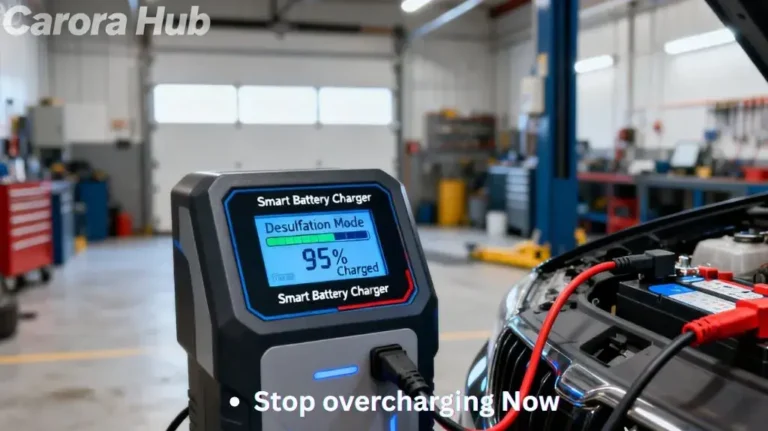
Short drives don’t let the alternator fully recharge the battery. Combine errands when possible. If you only drive short distances, consider a periodic longer drive or a battery maintainer to keep the battery topped up.
Battery Testing Schedule I Recommend
- Visual check each month (terminals, cables, case for damage).
- Voltage test every 6 months or before cold seasons.
- Load test annually if the car is older than three years.

Credit: www.wikihow.com
FAQs About My Car Click But Not Start Even With Good Battery
Why Does My Car Click But Not Start With A Good Battery?
A click usually means the starter solenoid is getting a signal. But the starter can’t spin the engine. Causes include a failing starter, a bad solenoid, broken wiring, or poor battery connections. Even a “good” battery can fail to supply enough cranking amps if terminals are corroded or cables are damaged.
Can A Bad Starter Cause Clicking But No Start?
Yes. A bad starter can click and not turn the engine. Internal wear, failed brushes, or a seized drive gear all cause this. Sometimes the starter works intermittently. In that case, replacement is usually the right fix.
Could A Poor Electrical Connection Cause Clicking Sounds?
Absolutely. Loose or corroded battery terminals and cables reduce current flow. The starter solenoid may click as it tries to engage but then lacks enough power to crank. Cleaning and tightening terminals often fixes the issue immediately.
Is The Car’s Ignition Switch Responsible For Clicking?
Sometimes. If the ignition switch doesn’t send a steady start signal, the solenoid may click but not engage. Faulty switches, worn key tumblers, or damaged wiring at the switch can cause intermittent or no start conditions. A shop can test the switch circuit to confirm.
Conclusion
A single click but no start usually points to the starting system. The battery may be fine, but the starter, solenoid, wires, or connections can fail. I always start with the battery voltage and terminal checks. Simple fixes like cleaning terminals, jump-starting, or tapping the starter often work.
If those steps don’t help, get a mechanic to test the starter, relays, and electrical system. Catching issues early saves money and keeps you from getting stranded. Keep a few tools in the car and do basic checks regularly. That habit has saved me time and headaches more than once.

I am Julian Drive, an automotive enthusiast and repair expert with over 7 years of hands-on experience in vehicle maintenance. At Carora Hub, I simplify complex car issues into easy-to-follow DIY guides to help drivers stay safe and save on repair costs.