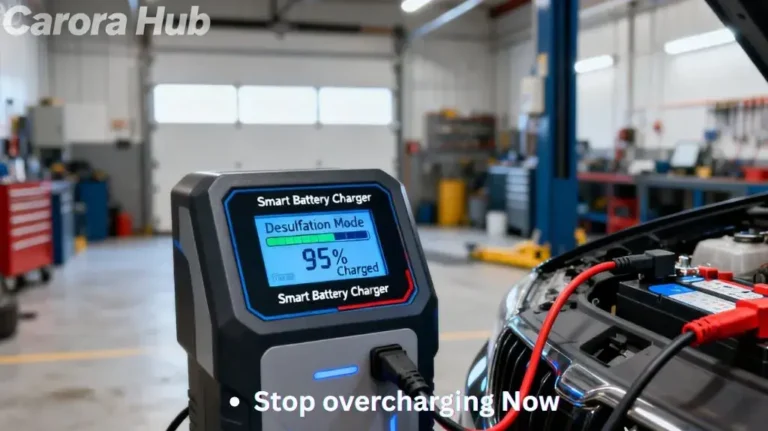
Stop the panic when that battery light flashes right after you pull away. I want to help you understand why charging system fails after startup so you can spot alternator or belt problems early — before you’re stuck with a dead battery and a wasted day.
If you’ve ever wondered why the charging light comes on after the engine starts, you’re not alone. I’ve worked on dozens of cars and trucks with this exact symptom. In this guide I’ll walk you through the most common causes, the tests I use, and practical fixes you can do or ask your mechanic to do. Read on to learn the hidden causes, quick checks, and smart preventive steps that keep your vehicle running every time you turn the key.
Common Charging System Components
To fix charging problems you must know the parts involved. The charging system is simple in idea but depends on a few key parts working together. When any one part fails, the system can stop charging soon after start. Below I break down the major pieces and how each can fail in real life.
Alternator Basics
The alternator is the heart of the charging system. It turns engine motion into electricity to run your lights, radio, fuel system, and recharge the battery. Inside are parts like the rotor, stator, rectifier (diodes), and brushes that wear over time.
Think of it as a small power plant under the hood. If the alternator belt slips, a diode fails, brushes wear down, or the bearings seize, output drops or becomes erratic. That will cause the battery warning light to come on after the engine fires up.
Battery Role
The battery gives the initial surge to crank the engine. After start, the alternator should take over and keep the battery topped up. A weak battery — low CCA (cold cranking amps), sulfated cells, or internal damage — won’t accept charge properly.
In practice I’ve seen perfectly good alternators struggle to recharge a battery that can’t hold current. That makes the charging light flicker and accessories act up. Keep an eye on battery age, terminal corrosion, and voltage readings.
Voltage Regulator Function
The voltage regulator controls how much voltage the alternator sends to the battery and electrical system. Modern cars often have the regulator inside the alternator or managed by the PCM/ECM.
If the regulator goes bad you can see voltage that’s too low (battery not charging) or too high (overcharging, which damages the battery and electronics). A common sign is flickering dash lights right after startup or unstable voltage when you rev the engine.
My Step-by-Step Diagnostic Checklist
Before you replace parts, do a few simple checks. I use this short checklist every time to save time and money. These steps catch the most common problems and help you decide if you need parts or a mechanic.
What I check first
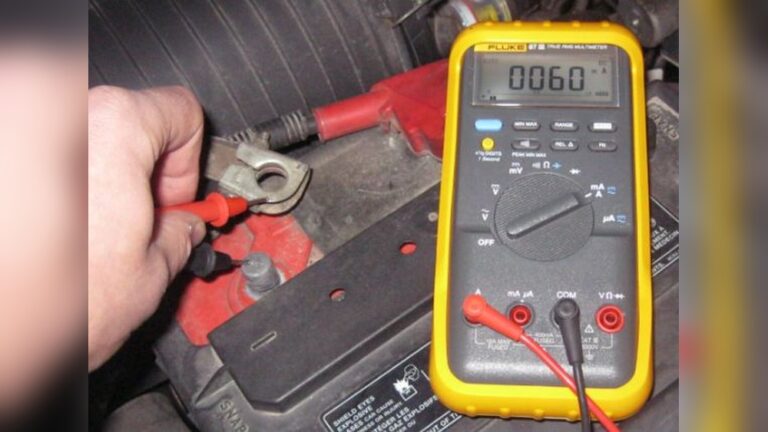
- Battery resting voltage (engine off): should be about 12.6 V for a healthy lead-acid battery.
- Charging voltage at idle (engine running): should be roughly 13.5–14.7 V. If it’s below 13.2 V, the alternator may not be charging properly.
- Battery terminals and grounding: clean, tight, and free of white or green corrosion.
- Alternator belt condition and tension: no cracks, glazing, or heavy slack.
- Dashboard battery lamp behavior: does it come on only at start or stay on continuously?
Tools I use (basic and cheap)
- Digital multimeter — for voltage and basic diode checks.
- Battery load tester or a local shop test — to check battery capacity under load.
- Socket set and wrenches — to tighten battery clamps and remove the alternator belt guard.
- Wire brush and baking soda paste — for cleaning corroded terminals (see my link below).
These quick checks catch most common faults. If you find odd voltages or the alternator output drops when you rev the engine, that points at the alternator, regulator, or wiring.
Before blaming the alternator alone, Cold start voltage drop or alternator problem helps confirm what fails during crank vs after start.
Typical Causes Of Charging Failure After Startup
Charging system failure right after startup is usually one of a few repeat offenders. In my experience, these five causes cover the majority of cases. I’ll explain each one and what to look for.
Most failures come from wear, heat, or loose connections. Fixing the right piece quickly will prevent repeat breakdowns.
Worn Alternator Belt
The alternator belt drives the alternator pulley. If it slips the alternator will turn too slowly, or not at all. Belts age, crack, and stretch. A glazed or loose belt often causes charging loss when the engine is under load or at low RPM.
Check for visible cracking, frayed fibers, or slack. On modern cars with a serpentine belt and auto-tensioner, a bad tensioner can mimic a loose belt. Replace the belt or tensioner when worn.
Faulty Voltage Regulator
The regulator can fail slowly. It may let voltage sag at idle or spike at higher RPMs. Heat and age are common causes. On some vehicles the PCM controls the regulator — faults there can show as charging irregularities.
Use a multimeter and test at idle and at 2,000–3,000 RPM. If voltage is outside 13.5–14.7 V, the regulator or alternator electronics likely need attention.
Battery Problems
Not all charging issues are alternator faults. A weak or damaged battery can appear like a charging failure. Batteries lose capacity over time. Sulfation, internal shorts, or a low state of charge make it hard for the alternator to do its job.
Do a battery load test or take it to a shop for a free check. If the battery fails, replace it. A bad battery can overwork the alternator and cause premature alternator failure.
Loose Or Corroded Connections
Bad connections are a very common, easily fixed cause. Corroded terminals, loose battery clamps, or a poor ground create resistance that interrupts charging.
Always inspect and clean the battery posts, cable ends, alternator output terminal, and engine ground straps. I keep a wire brush and dielectric grease in my toolbox for this job.
Damaged Wiring
Wiring carries charging current from the alternator to the battery and the rest of the car. Rodents, chafing, heat, or a previous repair can damage wires or insulation. Broken wires, melted connectors, or a blown fusible link will stop charging.
Look for burnt insulation, loose crimp joints, or chewed harnesses. Repair or replace damaged wiring with proper gauge wire and quality connectors.
Symptoms Indicating Charging System Issues
Recognizing the signs early helps you avoid being stranded. Here are the most common symptoms I see and what each usually means.
Dim Or Flickering Lights
Headlights, interior lights, and dashboard lights that dim or flicker while driving usually mean the alternator isn’t supplying steady voltage. This often gets worse at low RPMs.
Battery Warning Light
The dashboard battery light is the system’s way of telling you something is wrong. It may illuminate only during startup or remain on while driving. Either case should be checked ASAP.
Electrical Accessory Malfunctions
Radios resetting, power windows slowing, or heated seats cutting out can all be caused by a weak charging system. Accessories draw current and need stable voltage to run correctly.
Engine Stalling Or Hesitation
Modern engines rely on electronics. If the battery and alternator can’t supply enough power, you may see stalling, misfires, or electronic throttle hesitation. This is a more serious symptom — get it checked.

Credit: www.tctruckandtrailer.com
Quick Fixes To Restore Charging Function
Here are the practical, high-value fixes that I recommend. They’re the ones that solve most problems without replacing the entire alternator right away.
Tightening Or Replacing Alternator Belt
Check belt tension and condition. On older cars you can usually adjust tension by moving the alternator. On newer cars with automatic tensioners, the tensioner itself may fail and need replacing.
Replace belts showing cracks, glazing, or missing ribs. A fresh, correctly tensioned belt is a cheap fix that often restores charging immediately.
Cleaning Battery Terminals
Dirty terminals increase resistance. Disconnect the negative first, then the positive. Use a wire brush or baking soda paste to clean the terminals. Rinse, dry, and reconnect tight. Apply a light coating of dielectric grease to slow future corrosion.
Checking And Securing Connections
Inspect all battery, alternator, and starter connections. Tighten loose clamps and repair corroded cable ends. Don’t forget engine and chassis ground straps — a bad ground can mimic alternator failure.
Testing And Replacing Voltage Regulator
Use a multimeter to check alternator output at idle and while revving. If voltage is outside the normal range or fluctuates widely, the regulator or alternator electronics may be bad. On many vehicles the regulator is part of the alternator, so replacement requires a new or rebuilt alternator.
Battery Load Testing
Load test the battery to see if it holds voltage under a simulated start. Many auto parts stores will test the battery and alternator for free. Replace the battery if it fails the load test. A healthy battery reduces stress on the alternator and improves charging stability.
When a quick fix isn’t enough
If you’ve cleaned terminals, tightened belts, and the voltage still reads low, the alternator’s internal parts (diodes, brushes, regulator) or wiring harness may be the issue. At that point you’ll need either a rebuilt alternator or professional diagnosis to pinpoint a failing component like a bad rectifier or PCM-controlled regulator.
Preventive Maintenance Tips
Small checks now keep you from getting stranded later. These are routine steps I recommend to everyone who wants a reliable car.
Regular Battery Inspections
Check the battery for bulges, leaks, or corrosion every few months. Test voltage and CCA if it’s over three years old. Replace a battery that shows low resting voltage, slow cranking, or failed load tests. A well-maintained battery helps the charging system perform without extra strain.
Scheduled Alternator Checks
Listen for unusual noise from the alternator bearings and check charging voltage during services. Replace worn belts and inspect the alternator wiring for heat damage. If you hear a grinding or whining noise, have the alternator inspected sooner rather than later.
Protecting Electrical Connections
Keep connections tight and protected. Use dielectric grease on terminals and wrap exposed connections with proper heat-shrink tubing or loom. Avoid routing wires close to exhaust components or moving parts that can rub through insulation.
Using Quality Replacement Parts
Choose parts that meet OEM specs. Cheap alternators, regulators, or batteries may save money up front but can fail early. Use the correct part numbers and, when possible, opt for a name-brand or OEM unit. That reduces rework and prevents repeat failures.
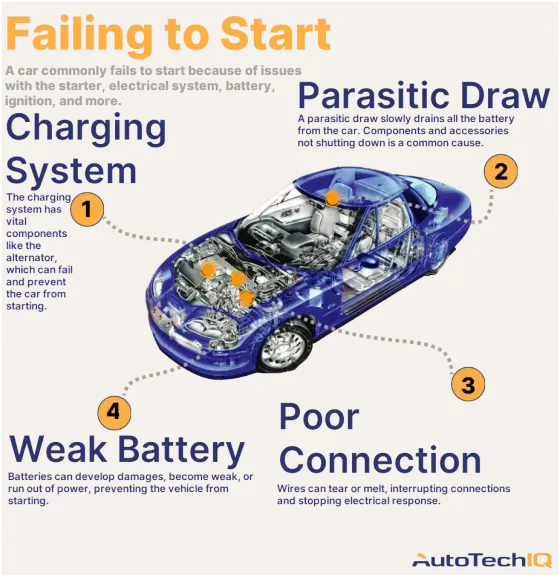
Credit: www.autotechiq.com
Frequently Asked Questions
Why Does The Charging System Fail After Startup?
The charging system may fail because of worn alternators, loose belts, corroded connections, or a bad voltage regulator. These faults stop proper power flow, so the battery drains after startup. In my experience, a dirty connection or loose belt is the culprit more often than a failed alternator.
How Can A Faulty Alternator Cause Charging Failure?
A faulty alternator may not generate enough electricity. Defective diodes, worn brushes, or a seized bearing reduce output. The result is battery depletion and system failure shortly after starting the vehicle. A multimeter check at idle and while revving helps confirm this.
Can A Bad Battery Cause Charging System Issues?
Yes. A weak battery can cause irregular voltage and make the charging system look like it’s failing. If the battery won’t accept charge, the alternator can’t keep the system stable. Always test the battery before replacing the alternator.
What Role Do Loose Belts Play In Charging System Failure?
Loose or broken belts prevent the alternator from spinning at the proper speed. This reduces output and causes the battery to drain after startup. A slipping belt can also create noise and heat, which hide the real problem until the battery is nearly dead.
Conclusion About Why Charging System Fails After Startup
Charging system failure after startup can lead to a dead battery and a lot of stress. Most of the time the issue is something simple: a worn belt, dirty or loose connections, a weak battery, or a failing regulator. Do the basic checks I shared here before replacing major parts.
Regular maintenance saves time and money. Clean terminals, inspect belts and wiring, and test voltage periodically. If you catch problems early you’ll avoid being stranded. A healthy charging system means a reliable vehicle — and that’s worth the few minutes of inspection at every oil change.

I am Julian Drive, an automotive enthusiast and repair expert with over 7 years of hands-on experience in vehicle maintenance. At Carora Hub, I simplify complex car issues into easy-to-follow DIY guides to help drivers stay safe and save on repair costs.