Is your Toyota Sienna’s AC not blowing cold air when you need it most? You’re not alone, and it can be really frustrating, especially on hot days.
When your car’s air conditioning fails, it hurts comfort and focus while driving. I’ve been there with my Sienna, and once you learn a few checks, you can often spot the problem fast. In this guide I’ll walk you through the common causes, show practical troubleshooting steps I use myself, and explain when to call a pro. This will help you get cold air again sooner.
Common Reasons For Ac Issues
Many Toyota Sienna owners face the same issue: the AC blows warm or weak air. Most causes are simple parts that wear out or get clogged over time. Below I list the most common faults I see and work on regularly.
Regular maintenance prevents many failures. The sooner you find the cause, the cheaper the fix. Read on to learn the likely issues and how to check them.
Refrigerant Leak
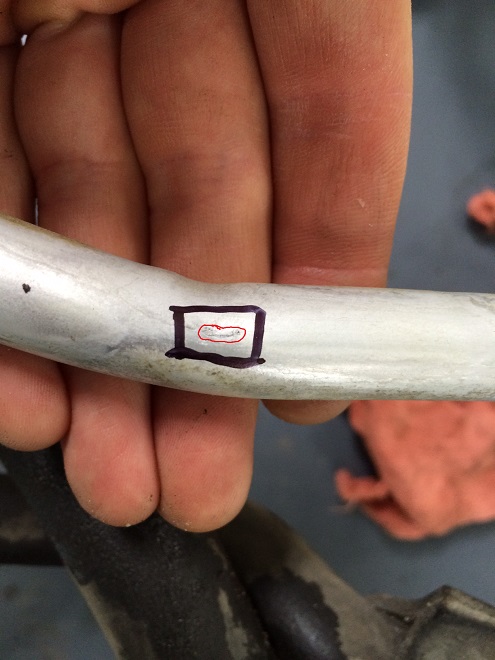
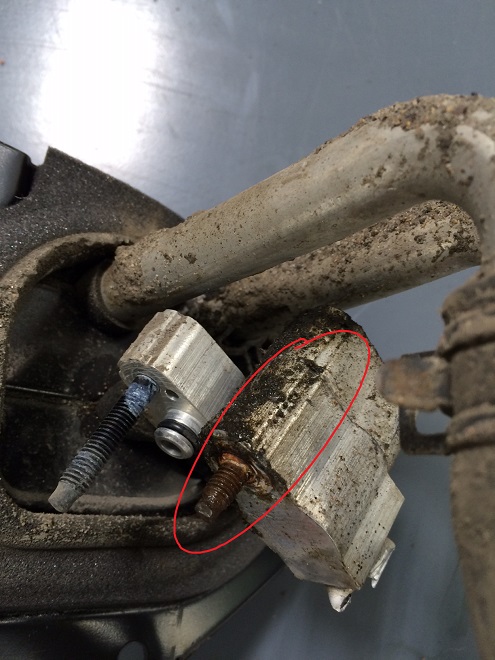
Refrigerant (often R134a in older models or R1234yf in newer ones) is the fluid that cools the air. A leak drops pressure and the AC will only blow warm or slightly cool air. Leaks commonly show up at hose fittings, the condenser, evaporator, or schrader valves at the service ports.
Signs I look for: oily residue around AC lines, hissing sounds when the system runs, or low readings on a manifold gauge. Fixing a leak and recharging the system usually restores cooling. If a leak is left unchecked, it can damage the compressor and the drier/accumulator.
Faulty Compressor
The compressor pumps refrigerant through the AC system. If it fails, refrigerant won’t circulate and you’ll get no cold air. I’ve seen compressors seize, clutches fail, or internal valves wear out.
Symptoms: the AC doesn’t engage, the compressor clutch won’t spin, or you hear grinding/squealing from the compressor area. Replacing the compressor is a common repair. Always replace the receiver/drier or accumulator and flush the system when installing a new compressor to avoid contamination.
Clogged Cabin Air Filter
The cabin air filter cleans incoming air. Over time it clogs with dust, pollen, and debris. That reduces airflow and cooling performance.
A blocked filter makes the AC work harder and cool less efficiently. I swap or clean my filter every 12,000–15,000 miles, more often if I drive in dusty areas. It’s an easy fix and often restores normal airflow immediately.
Electrical Problems
AC systems need power and control signals. A blown fuse, bad relay, corroded connector, or damaged wiring can stop the compressor or blower from running. I always check fuses and relays before deeper diagnostics.
Common issues include a failed AC pressure switch, faulty blower resistor, or wiring harness damage near the engine bay. Electrical faults can be intermittent, so inspect connectors and test with a multimeter for steady readings.
Blower Motor Failure
The blower motor pushes cooled air through the vents. If it fails, the system can be cold but you won’t feel air in the cabin. I’ve replaced blower motors that had worn brushes or bad bearings.
Symptoms include no air at any fan speed, weak airflow, or fan working only on certain speeds. Repair or replace the motor or blower resistor depending on the root cause.
Credit: carspecmn.com
Checking Refrigerant Levels
Refrigerant level is a top suspect when the AC is warm. Low refrigerant means low pressure and poor cooling. I always check pressure readings early in the diagnosis.
Signs Of Low Refrigerant
Watch for these signs:
- Warm or only slightly cool air from vents.
- Compressor cycles on and off quickly (short-cycling).
- Hissing sounds from the AC lines or evaporator area.
- Ice forming on the low-side line (can mean low flow or overcharging).
Any of these point to a possible leak or low charge. If the compressor repeatedly cycles, it can overheat and fail, so don’t ignore the symptoms.
Diy Refrigerant Check
You can do a basic check with a refrigerant gauge kit from an auto store. Attach the low-pressure gauge to the low-side service port under the hood. Read the pressure and compare to specs in your owner’s manual or a Toyota service guide.
A few tips from my experience:
- Run the engine and AC on max cool and high fan before measuring.
- Use only approved refrigerant for your model. Older Siennas typically use R134a; newer ones may use R1234yf.
- If you add refrigerant, add slowly and recheck pressure often. Overcharging damages the system.
If the gauge reads near zero or you can’t find the service port, stop and get professional help. A leak detector (UV dye or electronic sniffer) helps locate escaping refrigerant.
When To Seek Professional Help
Call a certified technician if:
- You find a leak but can’t access or repair it safely.
- The system shows no pressure or the compressor won’t engage after topping up.
- The AC has strange noises or oil residue suggesting internal damage.
Pros have the tools to perform proper leak detection, evacuate and recharge the system, replace driers, and test for compressor contamination.
Compressor Troubleshooting
Troubleshooting the compressor is key when your Toyota Sienna AC stops blowing cold air. The compressor keeps refrigerant moving. If it fails, the system can’t cool. Here’s how I check it.
Compressor Clutch Inspection
The clutch should engage when you turn on the AC. I visually inspect it first. If it doesn’t engage, I check for power at the clutch with a multimeter. If the clutch spins freely by hand but won’t engage electrically, the issue is often a fuse, relay, or pressure switch.
If the clutch is seized or rusted, it needs replacement. A noisy clutch often means internal wear and the compressor may also need replacing.
Listening For Unusual Noises
Strange sounds help pinpoint trouble. Grinding, clunking, or loud squeals usually point to internal compressor issues or a seized pulley. No sound at all can mean the compressor isn’t receiving power or the clutch has failed electrically. I always compare sounds to known-good operation for diagnosis.
Replacing The Compressor
Compressor replacement is a medium-to-high difficulty job. It needs proper tools and a vacuum pump to evacuate moisture and air. Replace the drier/accumulator and flush contaminated lines if the old compressor failed internally. Use the correct OEM or high-quality aftermarket compressor for your Sienna. After installation, the system should be vacuumed and charged to the specified refrigerant weight.
Air Filter Maintenance
The cabin air filter has a big effect on airflow. A clean filter keeps the cab cool and the AC efficient. I check mine regularly and replace it when dirty.
Locating The Cabin Filter
On most Siennas the cabin filter is behind the glove box or under a dashboard panel. Check your owner’s manual for the exact location. Removing the glove box usually gives direct access to the filter housing. I keep a replacement filter in my trunk for quick swaps on hot days.
Cleaning Vs. Replacing
Some reusable filters can be gently vacuumed or washed. Many are disposable and should be replaced. Always use the correct size and type for your model. A new filter restores airflow and cabin air quality fast.
Impact On Airflow
A clogged filter reduces airflow, lowers cooling, and forces the blower motor to work harder. That wears parts faster and lowers fuel efficiency. Keep the filter clean to protect the whole HVAC system.
Electrical System Checks
The electrical system is a common hidden cause of AC failure. A quick test of fuses, relays, and wiring often finds the problem. I test these parts before replacing major components.
Use a multimeter and visual inspection to find faults. Here’s a breakdown of what I check first.
Fuses And Relays
Fuses protect the AC circuit. Check the fuse box under the hood and inside the cabin. A blown fuse is often a quick fix. Relays control power flow to the compressor and blower. If a relay is faulty, the compressor may not get power. I test relays by swapping with a similar known-good relay or by checking coil resistance with a multimeter.
Wiring Inspection
Look for broken, chafed, or corroded wires, especially near the compressor and under the dash. Connector pins can corrode or back out. Clean and reseat connectors and secure loose wires. A small rodent chew or rubbing harness can cause intermittent faults, so inspect the harness routing too.
Using A Multimeter
A multimeter checks volts, continuity, and resistance. Use it to confirm power at the compressor clutch, blower motor, and switches. Proper readings tell you if a component has power or if a wiring fault exists. I always turn the car off and disconnect batteries when testing live circuits to avoid shorting components.
Credit: carspecmn.com
Blower Motor Diagnosis
The blower motor is essential. Even a perfectly cold AC won’t cool you if no air moves. Below I explain how I diagnose blower failures and decide between repair and replacement.
Follow these steps for a reliable check.
Symptoms Of Blower Failure
Typical signs include:
- Little or no air from the vents.
- Fan speed doesn’t change when you adjust controls.
- Strange noises like clicking or grinding from the dash.
- Fan works on one speed only (often a sign of a bad blower resistor).
Testing The Blower Motor
To test the motor:
- Turn the fan on and listen for motor spin.
- Check voltage at the blower connector with a multimeter.
- Supply 12V directly to the motor to see if it runs (disconnect first to avoid back-feed).
If the motor runs with direct power, the issue is likely the resistor, fuse, or control switch. If it won’t run on 12V, replace the blower motor.
Repair Or Replacement Options
Small fixes include cleaning debris from the fan housing and tightening loose connectors. If the motor’s bearings are bad or the motor is worn, replacement is the long-term solution. In my experience, replacement restores airflow reliably and is cost-effective on older vans.
Preventative Ac Care Tips
Good care keeps the AC working and prevents sudden failures. I follow a few simple habits that save time and money. Here are the key tips I recommend.
Regular Maintenance Schedule
Follow the schedule in your owner’s manual. My routine includes:
- Replace cabin air filter every 12,000–15,000 miles, or sooner in dusty areas.
- Have refrigerant pressure checked yearly.
- Inspect belts, hoses, and condenser fins for damage or blockage twice a year.
Regular checks reduce the chance of compressor failure and extend system life.
Using Ac Efficiently
Small habits help. Turn the AC on for a few minutes before driving to circulate refrigerant. Use recirculation mode to cool the cabin faster. Avoid the coldest setting for long periods — moderate temps ease strain on the system. Parking in shade reduces the initial heat load and cuts AC run time.
Professional Inspections
Have a certified mechanic inspect your AC once a year. They can find small leaks, test compressor health, and clean condenser coils. Early detection avoids big repair bills and keeps your Sienna comfortable year-round.

Credit: www.youtube.com
Frequently Asked Questions
Why Is My Toyota Sienna Ac Not Cooling?
Your Toyota Sienna AC may not cool due to low refrigerant levels, a faulty compressor, or clogged filters. Check for leaks, listen for unusual noises, and inspect the cabin filter. Regular maintenance prevents most of these issues and keeps the AC efficient.
How To Fix Toyota Sienna Ac Blowing Warm Air?
Start by checking the refrigerant level and recharge if low. Inspect the AC compressor and condenser for damage. Replace dirty cabin filters and clean the condenser fins. If the problem continues, test the compressor clutch, fuses, relays, and the blower motor. A professional can perform leak detection and full-system service if needed.
Can A Faulty Ac_Compressor_Cause_No_Cold_Air?
Yes. The compressor circulates refrigerant; if it fails, the AC cannot cool effectively. Compressor failure often requires replacement and system flushing to prevent damage to the new unit.
What Role Does The Cabin_Air_Filter_Play_In_Ac_Cooling?
The cabin air filter traps dust and debris, ensuring clean airflow. A clogged filter restricts airflow and reduces cooling efficiency. Replace it regularly to maintain optimal AC performance and cabin air quality.
Bottom Line
A Toyota Sienna AC not blowing cold air is a common but fixable problem. Start with simple checks: refrigerant level, cabin air filter, compressor clutch, fuses, and blower motor. Many issues are inexpensive to repair if caught early.
If you’re comfortable with basic checks and have a few tools, you can diagnose most causes yourself. For leaks, compressor replacement, or complex electrical faults, seek a certified technician. With routine care and timely fixes, your Sienna’s AC will keep you cool and comfortable on every drive.
Quick DIY Checklist I Use Before a Shop Visit
- Turn the AC to max and high fan; note vent temperature and sounds.
- Check cabin air filter location and condition (replace if dirty).
- Inspect visible hoses, condenser fins, and lines for oil or damage.
- Check AC fuses and swap relays if you have a similar spare.
- Measure low-side pressure with a gauge if you have one (don’t overcharge).
- If unsure or if you find a leak, call a pro for leak detection and recharge.
Following this advice has saved me time and money on my own Sienna. If you want, tell me your Sienna’s model year and symptoms and I’ll give a tailored checklist and likely causes.

Hello, I’m Norman. I work as a car researcher. I am the voice behind CaroraHub. I have over 15 years of experience. I give simple and useful car advice. I help with car care, cleaning, and small repairs. My goal is to help you keep your car healthy. I want car care to be easy and cheap for you. You can trust my tips to keep your car working well for a long time.