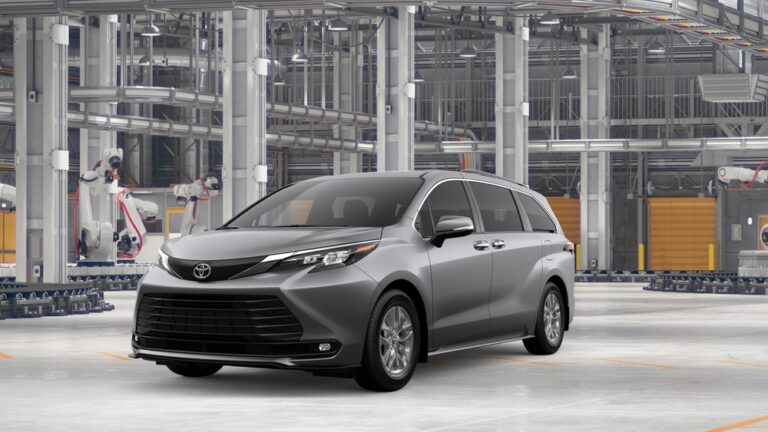
If you drive a Toyota Sienna, you probably wonder how long your battery will last before it needs a replacement. Knowing this can save you from unexpected breakdowns and keep your vehicle running smoothly.
In this guide I’ll share what I’ve learned about Toyota Sienna battery life, how to spot a failing battery, and practical steps to make your battery last longer. I write from hands-on experience and from working with fellow Sienna owners. Read on so your van stays reliable every time you hit the road.
Toyota Sienna Battery Basics
The Sienna’s 12-volt battery starts the engine and feeds electronics when the alternator isn’t running. A healthy battery also stabilizes voltage for sensitive systems like infotainment, safety sensors, and the fuel pump. Knowing the basics helps you pick the right replacement and do the right maintenance.
Types Of Batteries Used
Most Toyota Siennas use lead-acid starting batteries. But newer models—especially the hybrid Sienna (2021+), and those with stop-start features—often use enhanced batteries such as AGM (absorbed glass mat) or EFB (enhanced flooded battery). These handle higher electrical loads and recover charge faster than basic flooded lead-acid batteries.
Here’s a quick breakdown:
- Flooded lead-acid: Common, affordable, works well with routine driving.
- AGM: Better for vehicles with more electronics, hybrids, or stop-start systems. More durable and less prone to deep-discharge damage.
- EFB: A mid-point between flooded and AGM for moderate stop-start use.
Always check your owner’s manual for the exact battery group and type. Choosing the correct type avoids fitment and electrical issues.
Battery Capacity And Specs
Two spec values to watch when you shop: Cold Cranking Amps (CCA) and Reserve Capacity (RC).
- CCA: Measures the battery’s ability to start the engine in cold weather. Many Siennas use batteries rated around 550–700 CCA. If you live in cold climates, choose higher CCA.
- Reserve Capacity (RC): Tells you how long the battery can power the vehicle (lights, accessories) if the alternator fails. Typical RC values for Siennas fall in the 90–120 minute range.
Match the specs to your Sienna’s model year and electronics load. If you’ve added aftermarket gear (dash cams, fridges, amplifiers), pick a higher-capacity battery or an AGM type.

Credit: www.youtube.com
Average Battery Lifespan
The big question: how long does a Toyota Sienna battery last? The honest answer is: it depends. You can expect a typical range. But driving habits, climate, and maintenance change that number a lot.
Typical Mileage Range
On many Siennas, batteries commonly last between 30,000 and 60,000 miles. If you mostly take short trips under 10–15 minutes, expect the lower end. If you drive long highway commutes, you’ll likely see the higher end.
Years In Service
Most owners get about 3 to 5 years from a battery. Extreme heat tends to shorten that life. Cold weather can temporarily reduce performance, but long-term heat and repeated deep discharges are the main killers. Regular checks push that average up.
Read More: hardwire-guide/” target=”_blank” rel=”noopener”>Toyota Sienna Dash Cam Hardwire Guide
Factors Affecting Battery Life
A battery’s life depends on multiple factors. I list the main ones below so you know what to watch for and what to change.
Driving Habits
Short trips are hard on batteries. The alternator doesn’t get time to recharge fully. Multiple short starts in a day also stress the battery. If you can, combine errands and drive a bit longer. That helps the alternator top the battery properly.
Climate And Weather
Heat speeds up chemical breakdown inside batteries. If you park in direct sun a lot, expect a shorter life. Cold lowers the battery’s effective power, making starting harder. Both extremes matter—hot climates often show the fastest battery failures.
Maintenance Practices
Simple maintenance extends life. That includes cleaning terminals, checking voltage periodically, and securing connections. Letting corrosion build or ignoring a slow-cranking engine often leads to sudden failure.
Credit: www.youtube.com
Signs Of A Dying Battery
Spotting a weak battery early saves time and stress. These are the signs I watch for on my Sienna and have seen in shops.
Starting Issues
Slow cranking or long cranks at start. Clicking when you turn the key. These happen more in cold weather but are clear signs of a weak or aging battery.
Electrical Problems
Dim headlights at idle. Power windows that move slowly. Infotainment that reboots or glitches. These point to low voltage or poor battery condition.
Warning Lights
If the battery light or check-engine light appears, don’t ignore it. The battery light can indicate a failing battery, alternator, or a loose connection. Get it inspected quickly to avoid a no-start situation.
Battery Maintenance Tips
Good maintenance is low effort and high reward. Below are practical checks and habits that keep the battery healthy.
Regular Inspections
Inspect the battery every 3 months. Look for cracks, swelling, or leaks in the case. Test open-circuit voltage with a multimeter. A fully charged 12V battery reads about 12.6 V at rest. Readings under 12.4 V suggest the battery needs charging or more testing.
Cleaning Terminals
Clean terminals if you see white or blue corrosion. Use a wire brush and a baking soda/water mix to neutralize acid. Rinse and dry. Apply a thin coat of petroleum jelly or terminal protector to slow new corrosion.
Avoiding Drainage
Turn off lights and accessories when you leave the vehicle. Unplug aftermarket accessories that draw power when the car is off. If you park for long periods, use a battery maintainer or disconnect the negative terminal to avoid a slow drain.
How to Test Your Battery (Simple Steps)
Here’s a quick, practical test you can do yourself:
- Measure resting voltage with a multimeter. 12.6 V = full. 12.4–12.6 V = fair. Below 12.4 V = weak.
- Start the engine and watch voltage. It should rise to ~13.7–14.7 V if the alternator is charging correctly.
- For a cranking test, use a helper: crank the engine and watch the multimeter. Voltage should not drop below about 9.6 V during cranking on a healthy battery.
- If in doubt, have a shop perform a load test or battery analyzer test for a definitive health report.
Battery Replacement Options
When it’s time to replace your Sienna’s battery, you have options. Choose based on budget, driving habits, and the vehicle’s electrical load.
Oem Vs Aftermarket Batteries
OEM batteries match the original equipment. They fit perfectly and meet factory specs. Aftermarket batteries can offer good value. Look for trusted brands with solid warranties. For AGM or EFB needs, choose a battery explicitly labeled for those applications.
Cost Considerations
Battery price varies by type and brand. Typical replacement costs for a Sienna 12V starter battery range from roughly $100 to $250 for the part. AGM batteries tend to be at the higher end. Add installation costs if you use a shop. Think about how long you’ll keep the van. Spending more now on a quality battery can save money and headaches later.
Professional Installation
Professional installation ensures correct fit and safe handling. Technicians will check the charging system, tighten connections, and verify the battery is charging properly. Many shops will also reset electronic systems if needed after battery replacement.
Extending Battery Life
You can extend battery life with a few habits. I use these myself and recommend them to others.
Smart Charging Practices
Avoid letting your battery sit low for days. If you don’t drive much, top the battery with a quality trickle charger or maintainer. Long drives help more than many short ones because they let the alternator fully recharge the battery.
Limiting Short Trips
Combine errands to reduce multiple cold starts in a day. If you must run short trips often, consider an AGM battery or a vehicle-based battery maintainer to reduce stress on the battery.
Using Battery Maintainers
If you store a Sienna for weeks at a time, use a smart maintainer. These devices supply a small, safe charge and prevent sulfation. They are cheap insurance compared to replacing a dead battery.

Credit: www.caranddriver.com
Frequently Asked Questions
How Long Does A Toyota Sienna Battery Usually Last?
A Toyota Sienna battery typically lasts between 3 to 5 years. Proper maintenance, climate, and driving patterns can push that number up or down. If you keep voltage checks and clean terminals, you’ll most often get closer to five years.
What Factors Shorten Toyota Sienna Battery Life?
Frequent short trips, extreme heat, repeated deep discharges, leaving electronics on while parked, and poor maintenance shorten a battery’s life. Also, undersized or low-CCA batteries struggle in cold starts.
How Can I Tell If My Toyota Sienna Battery Is Failing?
Signs include slow engine crank, dim lights, unusual smells (rotten eggs), a swollen case, or warning dashboard lights. A voltage test or shop load test will confirm the battery’s condition.
When Should I Replace My Toyota Sienna Battery?
Replace every 3–5 years as a rule of thumb. If you notice signs of weakness—slow starts, dim lights, low resting voltage—replace it sooner. Proactive replacement avoids being stranded.
Bottom Line
A Toyota Sienna battery usually lasts about 3 to 5 years, or roughly 30,000–60,000 miles under normal use. Your habits and local climate matter a lot. Do simple checks, clean the terminals, and choose the correct battery type and capacity. Those steps will keep your Sienna starting reliably and protect the vehicle’s electronics.
Replacing the battery on time avoids unexpected breakdowns. A well-chosen battery and a little routine care go a long way. Keep an eye on voltage, watch for early signs, and consider a maintainer if you don’t drive daily. In my experience, a small routine effort saves big headaches later—especially with a family van like the Sienna.

Hello, I’m Norman. I work as a car researcher. I am the voice behind CaroraHub. I have over 15 years of experience. I give simple and useful car advice. I help with car care, cleaning, and small repairs. My goal is to help you keep your car healthy. I want car care to be easy and cheap for you. You can trust my tips to keep your car working well for a long time.