If you drive a Toyota Sienna, keeping it running smoothly is probably a top priority for you. One simple but often overlooked task is checking the power steering fluid.
This small step can save you from costly repairs and keep your steering feeling light and easy. Wondering how to do it right? Keep reading, and you’ll learn exactly what to look for, why it matters, and how to keep your Sienna’s power steering in perfect shape.
Don’t let a little problem turn into a big headache—your car will thank you!
Credit: www.youtube.com
Why Power Steering Fluid Matters
I’ve owned and worked on a few Toyota Siennas, and I can say the power steering fluid is one of those small things that makes a big difference. It helps the steering wheel turn smoothly with very little effort. When the fluid level or quality drops, the wheel feels heavy and control declines fast.
Beyond ease of steering, the fluid lubricates and protects internal parts like the pump, hoses, and rack-and-pinion. Clean fluid reduces wear and keeps the system quiet. If you skip checks, small problems like a slow leak or dirty fluid can turn into a failing pump or damaged steering rack—and big repair bills.
Regular checks help you spot leaks, contamination, or air in the system early. That saves money and keeps your Sienna safe on the road. Below I explain what to look for and how I check mine step by step.
Ensures Smooth Steering
Power steering fluid transmits hydraulic pressure that eases steering effort. With the right amount and clean fluid, steering stays light and predictable. Low or degraded fluid makes turning feel stiff and uneven.
Protects Steering Components
The fluid lubricates moving parts inside the pump, valves, and steering rack. That reduces friction and prevents premature wear. Using the correct fluid—Toyota Genuine Power Steering Fluid or the recommended ATF—helps seals and hoses last longer.
Prevents Costly Repairs
Dirty or low fluid can make the pump work harder and overheat. That leads to pump failure, hose damage, or steering rack problems. Catching issues early with a simple check avoids expensive replacements.
Keeps Driving Safe
Good fluid level and condition help maintain steering response and control. Steering issues can create dangerous situations, especially at speed or during evasive maneuvers. Regular checks are a small habit with big safety benefits.
Signs Of Low Power Steering Fluid
Low or dirty power steering fluid shows up in a few clear ways. I always check the fluid when I notice any of these signs. Acting quickly helps avoid damage to the pump and steering gear.
Here are the common symptoms to watch for in your Toyota Sienna. If you see one or more, inspect the reservoir and hoses right away.
Difficulty Turning The Steering Wheel
If the wheel feels stiff, heavy, or jerky—especially at low speeds—fluid level or quality may be the cause. This is the most obvious sign most drivers notice first.
Noises When Steering
Whining, groaning, or squealing when you turn often indicates low fluid or air in the lines. Dirty fluid can also cause the pump to make these sounds under load.
Fluid Leaks Under The Vehicle
Look for puddles or wet spots under the engine bay or near the front wheels. Power steering fluid ranges from red to light brown. A leak lowers fluid level quickly and should be repaired promptly.
Steering Wheel Does Not Return Smoothly
After turning, the wheel should return to center smoothly. If it doesn’t, the fluid may be contaminated or low. This reduces system performance and feel.
Burning Smell
A burnt smell near the engine can mean overheated fluid or a leak contacting hot parts. If you smell burning, stop driving and check the fluid and lines right away.
Tools Needed For Fluid Check
Checking the power steering fluid in your Toyota Sienna is quick and safe when you have the right tools. Here’s what I keep in my garage. These items make the job clean and reliable.
Clean Cloth Or Rag
Use a clean cloth to wipe the dipstick or cap. This prevents grime from entering the reservoir and ensures you get a true reading.
Flashlight
A flashlight helps if the engine bay is shaded or if you check at night. It’s easier to read level marks with good light.
Gloves
Disposable or mechanic gloves protect your hands from oil and chemicals. PS fluid can irritate skin and stains clothing.
Power Steering Fluid
Keep the right fluid on hand. Toyota often recommends Toyota Genuine Power Steering Fluid or an equivalent ATF (Dexron III in many models). Check your owner’s manual for the exact spec before topping up.
Locating The Power Steering Reservoir
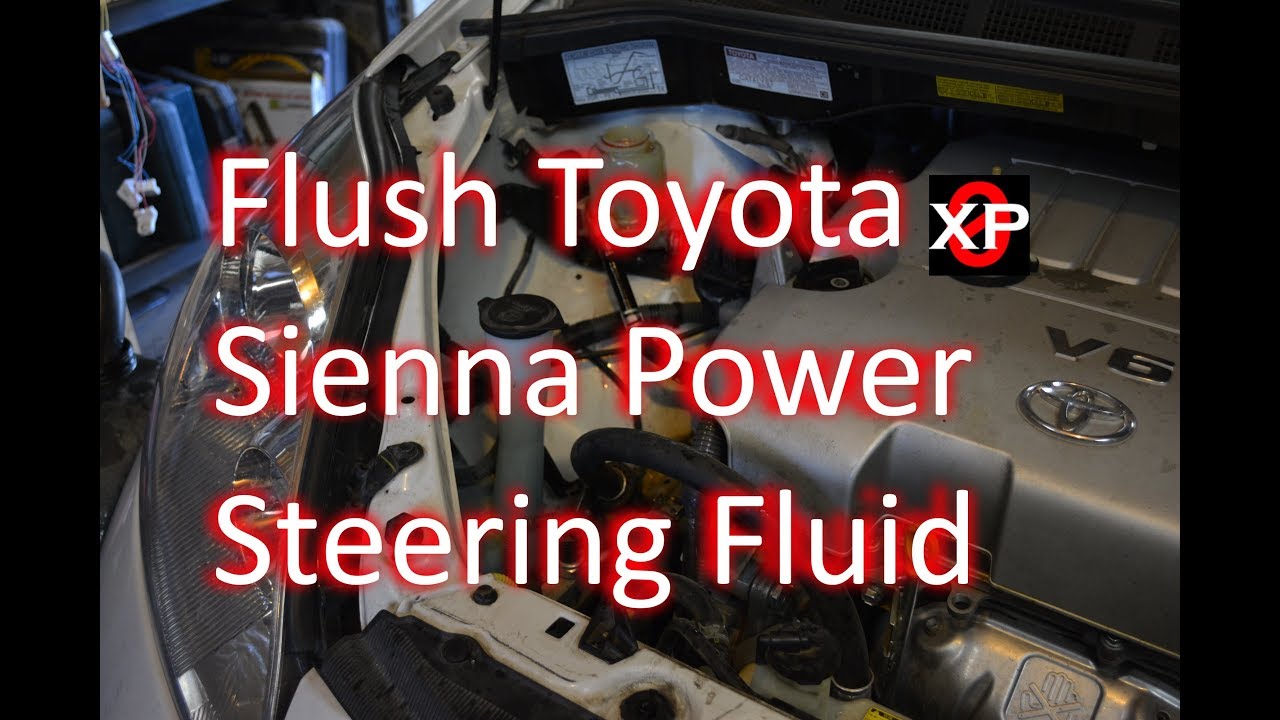
The power steering reservoir in a Toyota Sienna is usually near the engine. Look for a small, clear container with a cap labeled “power steering.” Checking this fluid helps keep steering smooth and safe.
Understanding The Power Steering Reservoir
The reservoir stores the fluid the pump circulates. It is often a small plastic tank with MIN and MAX marks or a dipstick built into the cap. Knowing how yours looks makes checks faster and more accurate.
Some Sienna model years use a cap with a built-in dipstick, while others show level marks on the reservoir wall. Both give reliable readings if you follow the right steps.
Where To Find The Reservoir In Your Toyota Sienna
Open the hood and look near the front of the engine bay, often on the driver’s side. You’ll see hoses running from the reservoir to the power steering pump. The cap usually has a steering-wheel icon or the words “Power Steering.”
Tips For Identifying The Reservoir
Common signs the container is the PS reservoir:
- Plastic tank with level marks.
- Cap labeled with a steering wheel icon or text.
- Hoses leading to the front pump area.
- Often sits higher than the pump itself.
Don’t confuse it with the coolant overflow or brake fluid reservoir. If unsure, check your owner’s manual or a quick online image search for your Sienna year and engine type.
Step-by-step Fluid Level Check
Checking the power steering fluid level in your Toyota Sienna is simple. This step-by-step guide helps keep the steering smooth and safe. Regular checks stop damage and costly repairs. Follow these clear steps to check fluid level and condition accurately.
Preparing Your Vehicle
Park on a level surface. Turn off the engine and let it sit for 3–5 minutes so the fluid settles. Open the hood and wipe around the reservoir cap to keep dirt out when you open it. I always keep a rag handy for this.
Checking The Fluid Level
Steps I follow every time:
- Remove the cap or pull out the dipstick (if your cap includes one).
- Wipe the dipstick clean with a cloth.
- Reinsert the dipstick fully, then pull it out to read the level—or read the marks on the reservoir wall.
- The fluid should sit between the MIN and MAX marks. If it’s below MIN, top up soon.
Some Siennas have no dipstick and instead use sight lines on the tank. In that case, check the level against the molded markers.
Interpreting The Fluid Condition
Good fluid is clear or light amber. Look at both color and smell:
- Clear/light amber and free of debris: OK.
- Dark, cloudy, or black: time to flush and replace.
- Foamy, bubbly, or milky: air or moisture in the system—diagnose further.
- Burnt smell: overheated fluid, replace and inspect for causes.
If you see metal flakes or heavy contamination, have a pro inspect the pump and rack for damage.

Credit: www.reddit.com
How To Top Up Power Steering Fluid
Knowing how to top up power steering fluid keeps your Toyota Sienna running smooth. Low fluid can cause steering problems and strange noises. Checking and adding fluid is simple with the right steps. Follow these tips for safe and correct fluid topping.
Choosing The Right Fluid
Use the fluid specified in your owner’s manual. Many Siennas use Toyota Genuine Power Steering Fluid or an equivalent automatic transmission fluid like Dexron III. Using the wrong fluid can damage seals and reduce pump life. I keep a labeled bottle of the recommended fluid in my garage for quick top-ups.
Adding Fluid Safely
Here’s how I add fluid without making a mess:
- Park, turn off the engine, and let it cool.
- Clean the cap area. Remove the cap/dipstick.
- Using a funnel, pour slowly and check the level often.
- Stop at the MAX mark. Do not overfill.
- Secure the cap, start the engine, and turn the wheel left-right a few times to remove air pockets.
- Recheck the level and add if needed.
If you find yourself topping up frequently, find and fix the leak rather than repeatedly adding fluid.
When To Replace Power Steering Fluid
Replacing power steering fluid keeps the system healthy. Old fluid loses lubricating properties and can let contaminants damage the pump and rack. Here’s how I decide when to replace it.
Check the fluid regularly and follow the maintenance schedule. Watch for signs like dark fluid, noise, or rough steering that mean a change is needed sooner.
Check The Owner’s Manual For Recommended Intervals
Toyota often suggests changing power steering fluid between 50,000 and 100,000 miles, depending on model and driving conditions. Your Sienna’s manual has exact guidance. I treat that as a baseline and check earlier if I tow or drive in stop-and-go city traffic.
Look For Dark Or Dirty Fluid
Clear or light amber is fresh. Dark brown or black means the fluid is breaking down or contaminated. If the fluid is dirty, plan a flush and refill to protect the pump and rack.
Notice Changes In Steering Feel
If steering becomes noisy, stiff, or jerky, the fluid may be degraded. Replacing the fluid often restores smooth feel and reduces pump noise.
Listen For Strange Noises
Squealing, whining, or groaning when turning suggests air, low level, or poor fluid quality. After topping off, if noises persist, replace the fluid and inspect the pump and hoses.

Credit: www.reddit.com
Common Power Steering Issues In Toyota Sienna
Power steering issues are common in Toyota Sienna vehicles. These problems affect comfort and safety. I’ve seen many of them during routine service. Knowing what to look for helps you catch small issues before they become big ones.
Low or dirty fluid causes many problems, but hoses, seals, the pump, and the steering rack can also fail. Below I cover the most common faults and what they mean.
Low Power Steering Fluid
Low fluid makes steering stiff and noisy. It’s often from a leak. If the level drops fast after a top-up, inspect hoses, fittings, and the rack for leaks.
Power Steering Fluid Leaks
Leaks arise from worn hoses, loose clamps, failed seals, or a cracked reservoir. Look for drips under the engine bay or wet spots on components. Fix leaks quickly—running dry can ruin the pump.
Worn Power Steering Pump
A worn pump may whine, spray fluid, or fail to build pressure. If topping up doesn’t stop noises or stiff steering, the pump may need replacement. I recommend a mechanic test system pressure before swapping parts.
Steering Rack Issues
Problems with the rack cause loose, wandering, or jerky steering. Leaks at the rack or worn internal parts often show up as play in the wheel. Rack repairs can be costly, so good fluid maintenance is key to prevention.
How I Diagnose a Leak (Practical Tips)
When I find a low level, I do a quick leak check:
- Park on level ground and clean the underside of the reservoir and hoses.
- Start the engine, turn the wheel slowly left and right, and inspect for fresh drips.
- Use a clean white rag to wipe suspected areas—color transfer reveals fluid spots.
- Check hose clamps, pump seals, and the rack bellows for damage.
If the leak is hard to find, a dye test or professional inspection helps. Don’t delay repairs—loss of fluid can quickly harm the pump.
Tips For Maintaining Smooth Steering
Good habits keep your Sienna’s steering smooth and reliable. I follow a few simple steps to prolong the life of the pump, hoses, and rack. These tips are practical and easy to do during routine checks.
The suggestions below focus on keeping fluid clean and at the right level. They also cover simple driving habits that reduce stress on the steering system.
Check Power Steering Fluid Regularly
Check the reservoir during oil changes or every few months. I aim for every 3,000–5,000 miles or sooner if I hear noises. Frequent checks catch small leaks early.
Inspect For Fluid Leaks
Look under the car after parking. Inspect hoses and clamps for cracks or looseness. Fix any leaks quickly to avoid pump damage.
Use The Correct Fluid Type
Always use the fluid recommended by Toyota. Wrong fluid can degrade seals and cause premature failures. Consult your owner’s manual for the exact specification.
Replace Fluid Periodically
Flush and replace the fluid according to your owner’s schedule or if the fluid looks dark or smells burnt. Fresh fluid improves response and extends component life. I usually plan a change every 50,000 miles, adjusting for heavy use.
Avoid Overloading The Steering
Avoid holding the wheel at full lock for long periods, like when rock-crawling or turning the wheel against the stops. That increases pressure and heat in the pump. Gentle steering and avoiding long idling turns reduce wear.
When to Get Professional Help
If you top up fluid and problems persist—noise, heavy steering, visible metal particles, or rapid fluid loss—seek professional diagnosis. Mechanics can test system pressure, find hidden leaks, and recommend pump or rack replacement if needed.
Frequently Asked Questions
How Do I Check Power Steering Fluid In Toyota Sienna?
Locate the power steering reservoir under the hood. Remove the cap and wipe the dipstick clean. Reinsert it fully, then remove again to check the fluid level between the minimum and maximum marks.
What Type Of Power Steering Fluid Does Toyota Sienna Use?
Toyota Sienna typically uses Toyota Genuine Power Steering Fluid or equivalent ATF Dexron III. Always check your owner’s manual for the exact fluid recommendation to ensure optimal performance.
How Often Should I Check Power Steering Fluid In My Sienna?
Check the power steering fluid at least every 3,000 to 5,000 miles or during regular oil changes. Frequent checks help prevent steering issues and maintain smooth operation.
What Are Signs Of Low Power Steering Fluid In Sienna?
Common signs include whining noises when turning, difficulty steering, or a jerky steering wheel. Low fluid can damage the power steering pump, so check and refill promptly.
Bottom Line
Checking the power steering fluid in your Toyota Sienna helps keep driving smooth. Low or dirty fluid can cause steering problems. Regular checks prevent costly repairs and ensure safety. It takes only a few minutes but makes a big difference.
Keep your Sienna’s steering responsive and quiet. Simple care keeps your vehicle running longer and better. Don’t forget this easy step in your car maintenance routine. Your Toyota will thank you with every turn of the wheel.

Hello, I’m Norman. I work as a car researcher. I am the voice behind CaroraHub. I have over 15 years of experience. I give simple and useful car advice. I help with car care, cleaning, and small repairs. My goal is to help you keep your car healthy. I want car care to be easy and cheap for you. You can trust my tips to keep your car working well for a long time.