Are you tired of constantly filling up your Toyota Sienna and watching your fuel costs climb? Imagine driving longer distances without worrying about your gas gauge dropping too fast.
Improving your fuel economy isn’t just about saving money—it’s about getting more out of every mile you drive. In this guide I share clear, practical tips that help a Sienna use less fuel. These are easy changes I’ve tested and seen work. Whether you commute every day or plan a long road trip, small adjustments can add up to noticeable gains in MPG.
Keep reading to learn how to stretch every drop of fuel and enjoy smoother, smarter driving.
Optimize Driving Habits
How you drive has one of the biggest effects on fuel economy. I focus on three simple habits that make a clear difference. They are easy to adopt and cost nothing. Over time, they can cut fuel use and lower your running costs.
Smooth Acceleration And Braking
Press the gas pedal gently. Avoid sudden starts. Smooth acceleration uses less fuel than quick bursts. Brake early and softly. Hard braking wastes energy and wears parts faster. I watch traffic ahead and roll a bit more instead of stomping the gas. That saves fuel and reduces brake wear.
Maintain Steady Speeds
On the highway, steady speed is your friend. Use cruise control when it is safe. Speeding up and slowing down wastes fuel. Driving at a consistent pace helps the engine and transmission run efficiently. In my experience, dropping 5–10 mph below aggressive highway speeds often boosts MPG noticeably.
Limit Idling Time
Turn the engine off if stopped for more than a minute. Idling burns fuel and produces emissions for no benefit. I shut off the engine during long waits—at schools, long drive-thru lines, or while parked briefly. This small habit saves fuel and helps the planet.
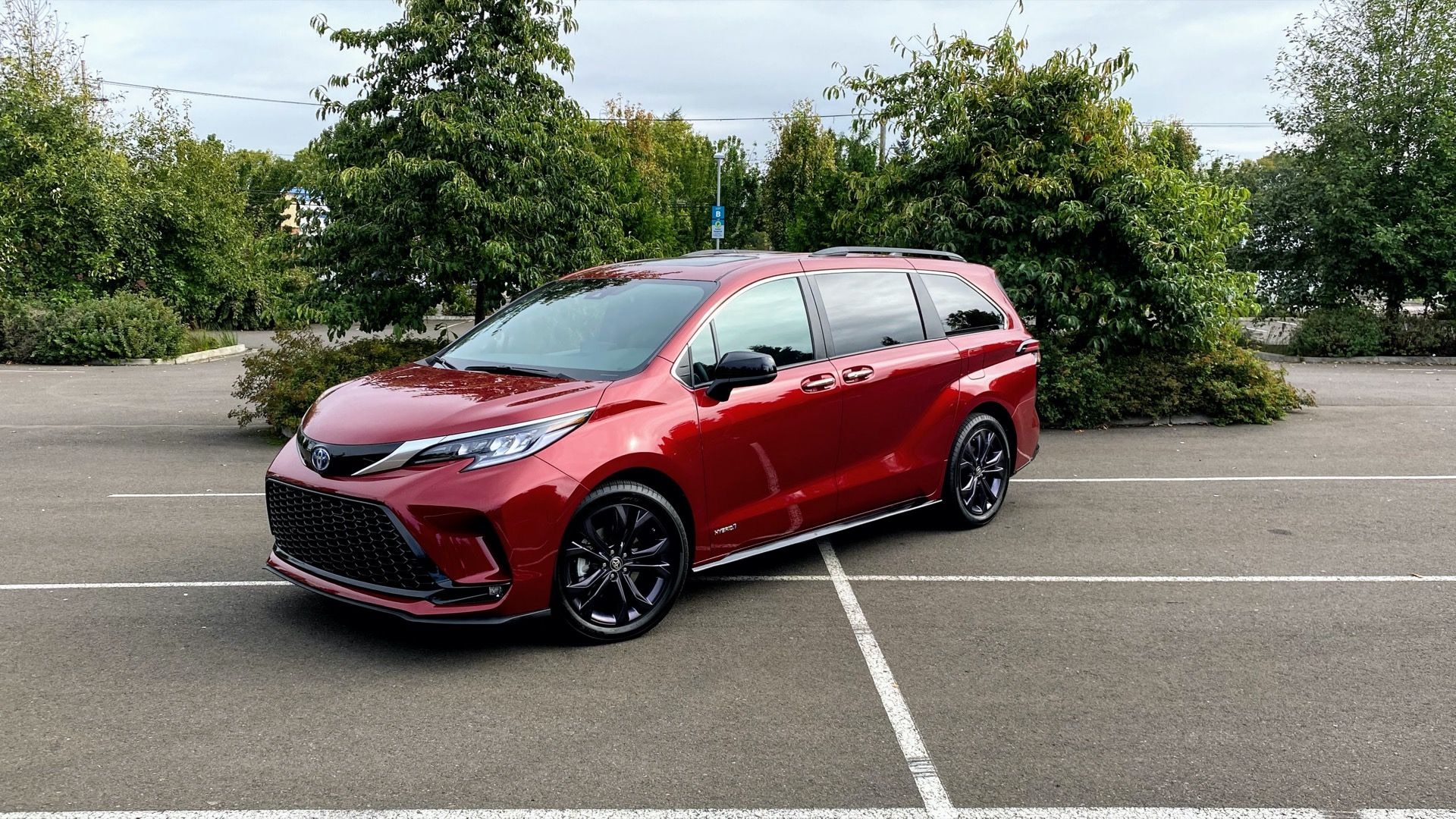
Credit: www.greencarreports.com
Regular Vehicle Maintenance
Maintenance keeps your Sienna running efficiently. A well-serviced van needs less fuel to do the same work. I follow a few basic checks and schedule service to avoid bigger problems later.
Simple checks and timely replacements keep the engine breathing and running smoothly. These steps reduce wasted fuel and boost mileage. Focus on the items below for the best return.
Keep Tires Properly Inflated
Underinflated tires raise rolling resistance. That forces the engine to use more fuel. Check tire pressure often. Use the pressure listed in your owner’s manual or on the driver door jamb. I check tires once a month and before long trips. Proper pressure helps MPG and extends tire life.
Change Air Filters
Dirty air filters limit airflow to the engine. That leads to poorer combustion and worse fuel economy. Replace air filters at the intervals in your owner’s manual or sooner if you drive in dusty areas. A clean intake helps the engine breathe and saves fuel.
Use Recommended Engine Oil
Oil reduces friction in the engine. The right grade and quality help the engine run with less effort. Check the owner’s manual for the recommended oil type. I use the specified grade and change oil on schedule. This simple step protects the engine and helps fuel economy.
Regular Engine Tune-ups
Tune-ups keep spark plugs, fuel injectors, and sensors working properly. Worn parts hurt combustion and increase fuel use. Replace parts per Toyota’s service schedule. A well-tuned engine burns fuel more cleanly. I also ask my mechanic to scan for error codes during service. That catches hidden issues that can lower MPG.
Reduce Vehicle Weight
Every extra pound reduces fuel economy. Lightening the Sienna lowers the load on the engine. This is one of the easiest ways to gain MPG without any mechanical changes.
Remove Unnecessary Cargo
Clear out items you don’t need. Heavy tools, unused sports gear, and extra cargo boxes add weight. I keep the cargo area tidy and only carry what I need for the trip. Removing extra weight helps your Sienna accelerate easier and use less gas.
Avoid Roof Racks When Not Needed
Roof racks and rooftop cargo boxes increase wind resistance. That raises fuel use, especially at highway speeds. I remove racks when I don’t need them. That small change lowers drag and improves MPG.

Credit: www.beechmonttoyota.com
Use Fuel-efficient Routes
Route choice affects fuel use. I pick roads with fewer stops and less congestion. That keeps the engine working at a steady pace and saves fuel.
Efficient routes also cut travel time. Less idling and fewer slow segments mean better MPG. Below are practical ways to pick the best path.
Plan Trips To Avoid Traffic
Stop-and-go traffic uses more fuel than steady driving. I plan trips for off-peak times when possible. If I must drive during rush hour, I choose routes with fewer lights and stops. That helps maintain steady speed and saves gas.
Use Gps For Efficient Navigation
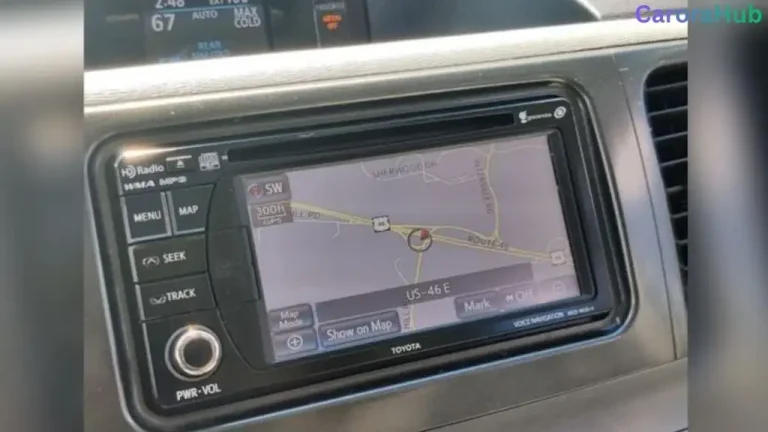
Modern GPS and navigation apps show real-time traffic. They suggest faster, less congested routes. I keep GPS active on longer trips to avoid jams and detours. That lowers fuel consumption and reduces time on the road.
Upgrade Vehicle Components
Some upgrades help MPG. They lower friction, reduce drag, or improve engine control. I consider cost and real-world benefit before making changes. Here are upgrades that are worth checking out.
Consider Low Rolling Resistance Tires
Low rolling resistance tires reduce friction with the road. That helps the engine use less fuel. These tires often last longer too. Choose tires that balance fuel economy and safety. Talk to a tire specialist for options that fit your Sienna model and driving style.
Install Fuel Economy Chips Or Modules
Aftermarket chips or modules can tweak air-fuel mix and throttle response. Some owners see MPG gains. Results vary by model and software. If you try one, pick a reputable product made for the Toyota Sienna. Have a pro install it and be cautious—check warranty terms first.

Credit: www.amazon.com
Climate Control Tips
How you heat or cool the cabin affects fuel use. Air conditioning loads the engine and can reduce MPG. I use a mix of ventilation and AC to balance comfort and fuel savings.
Use Air Conditioning Wisely
AC uses engine power. Turn it off when you can. Use AC mainly on hot days or in heavy traffic. Lower the fan speed and set a moderate temperature. Keep windows closed when AC runs. That keeps conditioned air inside and reduces wasted energy.
Utilize Ventilation When Possible
Ventilation uses less energy than AC. Open windows slightly on cool days for fresh air. Use the vehicle vents to circulate air without heavy cooling. At low speeds, open windows help cool the cabin naturally. At higher speeds, closed windows with AC can be more efficient. I switch between the two depending on speed and outside temperature.
Frequently Asked Questions
How Can I Increase Toyota Sienna’s Fuel Efficiency?
To increase fuel efficiency, maintain proper tire pressure, avoid rapid acceleration, and reduce excess weight. Regular servicing also helps optimize fuel use. I track MPG after each change to see what helps most.
What Driving Habits Improve Toyota Sienna Fuel Economy?
Drive smoothly, avoid aggressive speeding, and use cruise control on highways. Gentle acceleration and braking conserve fuel and improve mileage. I keep trips steady and avoid hard accelerations whenever possible.
Does Regular Maintenance Affect Toyota Sienna Fuel Economy?
Yes. Timely oil changes, clean air filters, and spark plug replacements keep the engine efficient. Proper maintenance directly boosts fuel economy. I follow Toyota’s service schedule for best results.
How Does Tire Pressure Impact Toyota Sienna Fuel Economy?
Under-inflated tires increase rolling resistance, lowering fuel efficiency. Keep tires inflated to the manufacturer’s recommended pressure for best mileage. I use a digital gauge and check pressure before every long drive.
Bottom Line
Saving fuel in your Toyota Sienna is easier than you think. Drive smoothly and avoid sudden stops. Keep your tires properly inflated and maintain regular service checks. Remove extra weight and close windows at high speeds. Use the recommended fuel type and plan trips to reduce idling.
Small changes add up to big savings. Enjoy a better ride and save money on gas. Start applying these tips today for a smarter drive.
Understand Your Sienna’s Powertrain and MPG
The Toyota Sienna has used a hybrid powertrain since the 2021 model year. Hybrid Siennas blend a gasoline engine with electric motors. This lowers fuel use in city driving and stop-and-go traffic. If you drive a non-hybrid older model, some tips still apply, such as tire care and smooth driving. Know your model year and engine type. That helps you pick the best fuel-saving steps.
Track and Measure Your Fuel Economy
To improve MPG you must measure it. I record fuel used and miles driven for each tank. Divide miles by gallons to get MPG. Many Siennas also show instant and average MPG on the dash. Track those numbers after each change. This tells you what really works for your driving style.
When to See a Mechanic
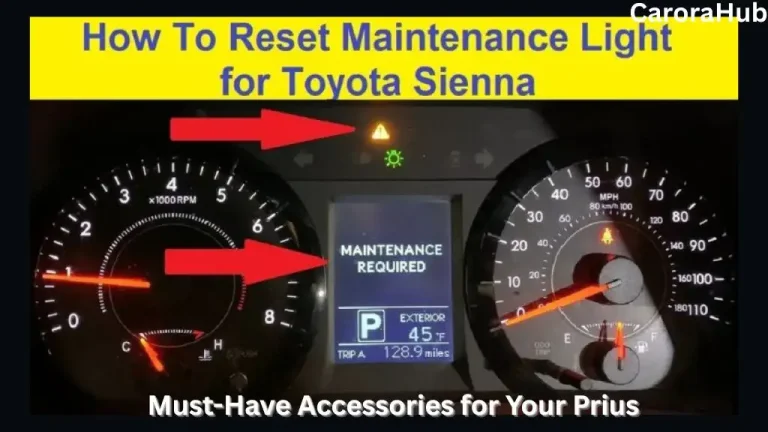
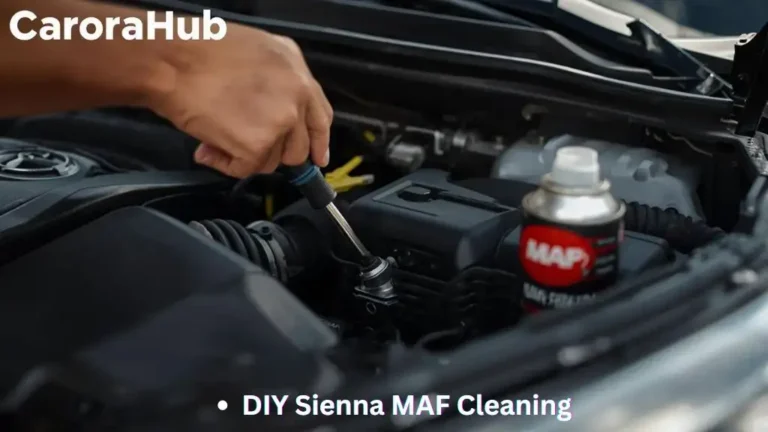
If you notice sudden drops in MPG, odd engine lights, or rough running, visit a qualified technician. Common culprits include clogged fuel injectors, failing oxygen sensors, or a dirty mass airflow sensor. Fixing these issues often restores lost fuel economy quickly. I keep service receipts and notes to track recurring problems.

Hello, I’m Norman. I work as a car researcher. I am the voice behind CaroraHub. I have over 15 years of experience. I give simple and useful car advice. I help with car care, cleaning, and small repairs. My goal is to help you keep your car healthy. I want car care to be easy and cheap for you. You can trust my tips to keep your car working well for a long time.