Have you ever noticed your car battery not charging while you’re driving? It’s frustrating and can leave you stranded at the worst possible time.
Your car relies on the battery to start and power essential systems. When it’s not charging, you need to know why—and fast. In this guide I’ll walk you through the most common causes, clear symptoms, step-by-step checks, and fixes I use myself. I’ll also share what tools help me diagnose the issue and when to call a pro.
Keep reading to protect your car, avoid unexpected breakdowns, and get your charging system back to normal.
Common Causes Of Battery Not Charging
Car batteries need a steady charge while you drive. When that charge does not happen, a handful of parts usually cause the problem. Below I explain each one in plain terms, what to listen for, and why it matters for the charging system, alternator, and battery health.
Faulty Alternator
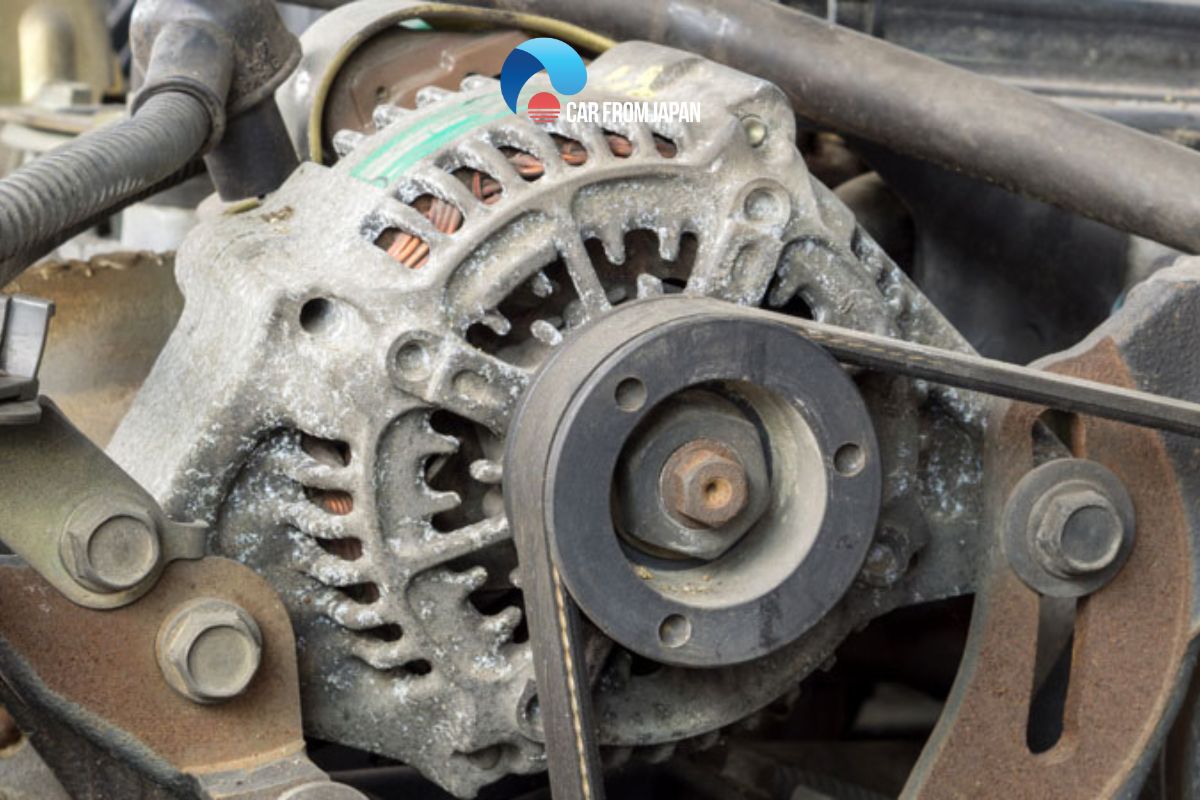
The alternator is the device that recharges the battery while the engine runs. If it is faulty, it either produces too little power or none at all. That leaves the battery to supply all electrical needs and slowly drain. Common signs include dim headlights, a battery warning light on the dash, and strange smells or noises from the alternator area.
Related terms: alternator output, alternator diode failure, charging regulator. A failing alternator can also set stored trouble codes in the car’s computer (OBD-II) that a mechanic can read with a scanner.
Worn Out Drive Belt
The drive belt (often a serpentine belt) spins the alternator pulley. If the belt is cracked, glazed, slipping, or loose, the alternator can’t turn fast enough to generate charge. You may hear high-pitched squealing or chirping from the engine bay, especially on cold starts or when you first accelerate.
Tip from my experience: a belt that looks fine at idle may still slip under load. If you see belt wear or any glazing, replace it. It’s a cheap part compared to a new battery or alternator.
Corroded Battery Terminals
Battery terminals create the electrical pathway between the battery and car. Corrosion—white or blue-green powder—blocks current flow. That reduces charging effectiveness and increases resistance. You’ll often see poor starts, slow cranking, or difficulty charging even after a jump.
Cleaning the terminals and cable ends usually restores a good connection. I keep a small wire brush and terminal cleaner in my trunk for quick fixes.
Bad Battery Connections
Loose, frayed, or damaged battery cables cause intermittent or no charging. Vibration over time can loosen clamps or cause internal wire breakage inside the cable sheath. Check both positive and negative cables for tightness and visible damage. Even a partially broken ground can stop the charging current from reaching the battery.
Simple tightening often helps. If the cable end is damaged, replace the cable or the clamp.
Defective Voltage Regulator
The voltage regulator controls how much voltage the alternator sends to the battery. If the regulator fails, it can overcharge or undercharge the battery. Overcharging can boil the battery fluid and damage battery plates. Undercharging leaves the battery weak and shortens its life.
Modern cars often have the regulator built into the alternator. That means a bad regulator usually requires replacing or rebuilding the alternator assembly.
Symptoms Of Charging Issues
Charging problems rarely appear out of the blue. You’ll usually get early warning signs. Spotting them early can save you from a roadside failure. I list the most common symptoms below and what they usually point to.
Dashboard Warning Lights
The battery or charging system light on the dashboard is the most direct signal. It can mean low alternator output, a broken belt, or wiring issues. Don’t ignore this light—check it right away. Even if the car seems fine, the battery may be slowly losing charge.
Dimming Headlights
Dimming, flickering, or noticeably weaker headlights while driving usually means the alternator can’t keep up. It’s especially obvious at idle or low RPMs. This symptom often points to alternator output problems or a slipping drive belt.
Electrical Accessory Malfunctions
Radios, power windows, dashboard screens, and other accessories may behave oddly when charging is poor. These gadgets need stable voltage. When the alternator fails to supply it, accessories may reboot, stutter, or stop working entirely.
Slow Engine Cranking
If the starter turns slowly and the engine cranks weakly, the battery likely lacks sufficient charge. Slow cranking is a classic early symptom. It can mean the battery isn’t being recharged while you drive, or the battery itself is at the end of its life.
Diagnosing The Problem
To find the root cause, you need a few simple tests. I stick to safe, clear steps: check the battery voltage, test alternator output, inspect the drive belt, and look over electrical connections. Below I explain each test and what the results mean.
Checking Battery Voltage
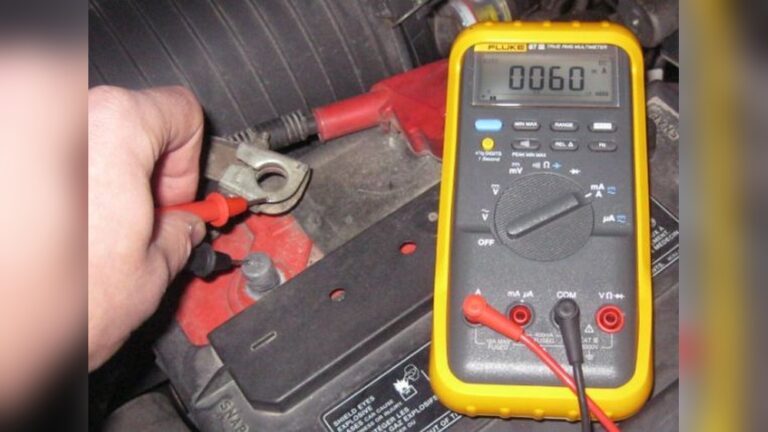
Use a voltmeter or multimeter to read battery voltage. With the engine off, a healthy, fully charged battery reads about 12.6 volts. With the engine running, the voltage should rise to roughly 13.7–14.7 volts. If it does not rise when the engine runs, the alternator or wiring is likely at fault.
How I do it: set a digital multimeter to DC volts, touch red to the positive post and black to the negative post. Read the display. If you see under 12.4 V at rest, the battery is weak. If you see under 13.5 V with the engine running, suspect the alternator or belt.
Inspecting The Alternator Output
Measure voltage at the alternator output terminal or at the battery with the engine running and electrical loads on (headlights, blower). Normal charging voltage is 13.5–14.5 volts. Lower readings suggest the alternator is failing or wiring to the alternator is faulty. Higher readings (above about 15 V) suggest a bad voltage regulator and risk overcharging the battery.
Advanced check: an auto-electrician can load-test the alternator and check alternator diodes and ripple on the DC output with an oscilloscope or specialized tester.
Testing The Drive Belt Condition
Look for cracks, fraying, missing ribs, or glazing on the belt. Press on the belt at mid-span; it should have firm tension and little give. If the belt slips, the alternator speed drops and charging suffers. Replace a worn belt and recheck charging voltage.
Examining Electrical Connections
Check the battery clamps, ground strap, alternator wiring, and fusible links. Corrosion, loose nuts, or damaged insulation can interrupt current flow. Clean corroded terminals and tighten connections. After cleaning, re-test voltages to see if charging improves.
Tools You’ll Need (Quick List)
- Digital multimeter (volts DC)
- Wire brush or battery terminal cleaner
- Socket set or wrench for battery clamps
- Flashlight and gloves
- Basic OBD-II scanner (optional, for stored codes)

Credit: www.dubizzle.com
Quick Fixes To Try
Many charging problems have straightforward fixes you can try safely. I list the most effective, step-by-step actions that I’ve used on my own cars. Do these in a well-ventilated area with the engine off (unless a step instructs otherwise) and always follow safety precautions.
Cleaning Battery Terminals
Dirty or corroded terminals can block charging. Here’s a quick method I use:
- Turn the car off and wear gloves and eye protection.
- Disconnect the negative cable first, then the positive.
- Use a wire brush or terminal cleaner to remove corrosion.
- Rinse with a little baking soda and water if heavy corrosion is present, then dry fully.
- Reconnect positive first, then negative. Tighten clamps snugly.
After cleaning, test voltage again. Cleaning often restores a good connection and fixes charging issues caused by resistance at the terminals.
Tightening Loose Connections
Loose battery clamps or alternator bolts can stop the charge. Check for movement at the clamp and the alternator mounting and adjuster bolts. Tighten to spec if you have a torque chart; otherwise snug but not over-tight is fine. Re-test the system after tightening.
Replacing The Drive Belt
Replace a cracked, glazed, or worn belt. On many cars the belt is inexpensive and straightforward to swap. Replacing the belt often solves a slipping-related charging problem immediately. If you’re unsure, have a shop fit and tension it correctly.
Jump-starting The Battery
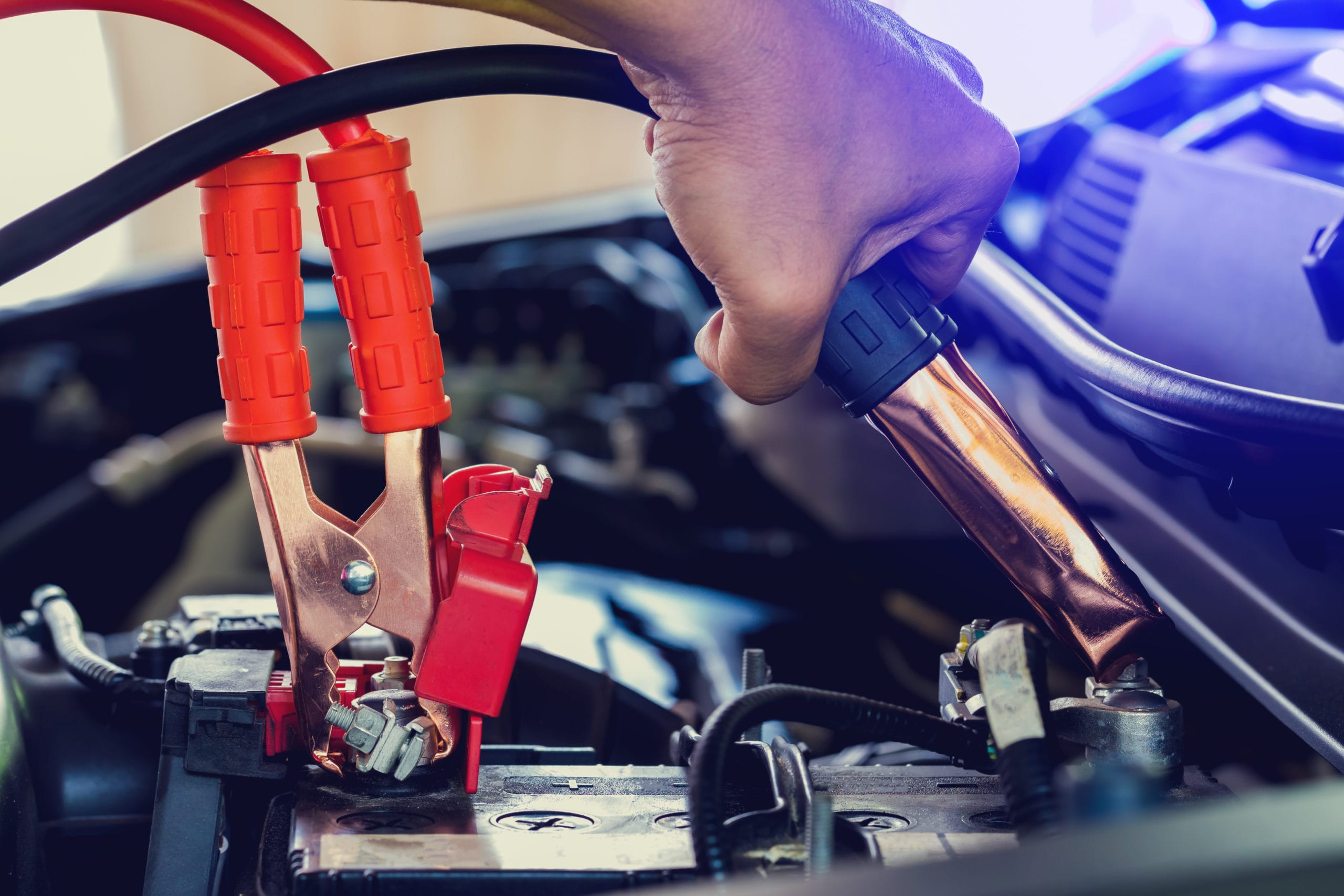
When the battery is flat, a jump-start gets you moving. Use jumper cables and another car with a good battery. Follow correct safety steps and cable order. After a jump, drive at highway speeds for 20–30 minutes to let the alternator recharge the battery—short trips may not fully recharge it.
Note: repeated jump-starts are a sign of deeper issues (bad alternator, parasitic drain, or failing battery). Diagnose the cause rather than relying on repeated jumps.
When To Replace Parts
Not every problem needs a part replacement. But when a component is failing, a timely swap prevents more damage. Below I cover signs that point to replacing the alternator, battery, or voltage regulator, and when professional diagnostics are worth it.
Signs Of A Failing Alternator
Replace the alternator if you see sustained low charging voltage, dashboard warning lights, dimming lights that don’t change after cleaning connections, or if an alternator test shows low output under load. Strange growling or grinding from the alternator bearing also means replacement.
Battery Lifespan And Replacement
Most car batteries last about 3–5 years. Heat, short trips, and parasitic drains shorten that life. If your battery won’t hold a charge after a full charge or after jump-starts, replace it. Look for swelling, leaking, or a permanently low resting voltage (under roughly 12.4 V).
When I replace a battery, I choose one with the same or higher cold cranking amps (CCA) and similar physical size. Proper recycling of the old battery is important; most shops accept old batteries for disposal.
Voltage Regulator Issues
If you measure charging voltage higher than about 15 V, the regulator is likely bad and overcharging the battery. Overcharge can boil battery fluid and destroy the battery quickly. If the regulator is inside the alternator, replace the alternator assembly or have it rebuilt with a tested regulator.
Professional Diagnostic Services
When problems are complex—intermittent charging, odd electrical gremlins, or suspect wiring—get a professional diagnostic. Mechanics use load testers, alternator bench testers, and scan tools to read generator codes and measure AC ripple. A trusted shop or auto-electrician will pinpoint the failure and prevent unnecessary part swaps.
Credit: www.telletire.com
Preventive Maintenance Tips
Regular maintenance avoids most charging problems. I follow a simple routine that keeps my car’s charging system healthy. Below are practical tips you can use now.
Regular Battery Inspections
Check the battery for cracks, leaks, or swelling every few months. Test resting voltage with a multimeter. Replace a battery that reads under ~12.4 V at rest or shows signs of physical damage. Keep a log of battery age—replace near the 3–5 year mark as a precaution.
Maintaining Clean Connections
Clean battery terminals and cable ends periodically. A small dab of dielectric grease or petroleum jelly on the terminals helps prevent corrosion. Tighten clamps during routine oil changes or inspections so connections stay secure.
Monitoring Drive Belt Condition
Inspect the serpentine belt during every service interval. Replace it at the manufacturer interval or sooner if you see cracks, glazing, or severe wear. A healthy belt keeps the alternator turning smoothly and prevents sudden charging loss.
Scheduling Routine Electrical System Checks
Have a mechanic test your charging system yearly or when you notice any symptoms. A charging-system test includes alternator output, voltage under load, and checking for AC ripple. Early checks prevent battery failure and give you peace of mind on long trips.
Credit: carfromjapan.com
Frequently Asked Questions
Why Is My Car Battery Not Charging While Driving?
A common cause is a faulty alternator that fails to recharge the battery. Loose or damaged wiring, corroded terminals, or a worn drive belt can also block charging. Start with a voltage check and a visual inspection to narrow it down quickly.
Can A Bad Alternator Cause Battery Not To Charge?
Yes. A bad alternator will not supply the battery with the current it needs while driving. That causes the battery to drain and eventually fail. Replacing or rebuilding the alternator usually fixes the issue if the wiring and belt are in good shape.
How To Test If Car Battery Is Charging Properly?
Use a multimeter across the battery terminals with the engine running. A healthy charging system reads about 13.5–14.5 volts. Anything outside that range warrants deeper testing of the alternator, regulator, or wiring.
Could Loose Battery Cables Stop Charging While Driving?
Yes. Loose or corroded battery cables interrupt the flow of current from the alternator to the battery. Tightening and cleaning connections often restores charging. If a cable is damaged internally, replace it to ensure reliable charging.
Conclusion
A car battery not charging while driving can cause many problems. Check the alternator, belt, battery, and wiring for obvious issues. Loose or broken belts can stop charging. Dirty or corroded connections also affect power flow. Regular battery and system checks help avoid breakdowns and costly repairs.
Fixing these problems early saves time and money. Pay attention to warning lights, dimming lights, or strange noises. If you follow the checks and quick fixes above—or get a professional diagnostic when needed—you’ll keep your car reliable and avoid unexpected mid-trip failures. A healthy charging system means a safer, more reliable drive every time.

I am Julian Drive, an automotive enthusiast and repair expert with over 7 years of hands-on experience in vehicle maintenance. At Carora Hub, I simplify complex car issues into easy-to-follow DIY guides to help drivers stay safe and save on repair costs.