Why does dash cam overheat? I get asked this a lot. A dash cam can overheat because of direct sunlight, poor ventilation, high recording resolution, or internal battery stress. Excessive cabin heat, continuous recording, and low-quality power adapters can also increase device temperature and trigger automatic shutdowns or recording failures.
I see dash cam overheating more often than most drivers expect. Whether the car is parked or moving, the tiny electronics inside a dash cam can heat up fast. High cabin temperatures, nonstop recording, and blocked vents push the device past safe limits. If you ignore this, you can get random shutdowns, corrupted footage, a swollen battery, or even permanent hardware damage. In this article I’ll explain why dash cams overheat and give clear, practical fixes I’ve used and recommended.
What Causes Dash Cam Overheating?
Dash cams are small devices packed with sensitive electronics. They can work well for months and then fail during a hot spell. Below I break down the main causes in simple terms. I also add short tips after each cause so you can act fast.
1. Direct Sunlight And High Temperatures
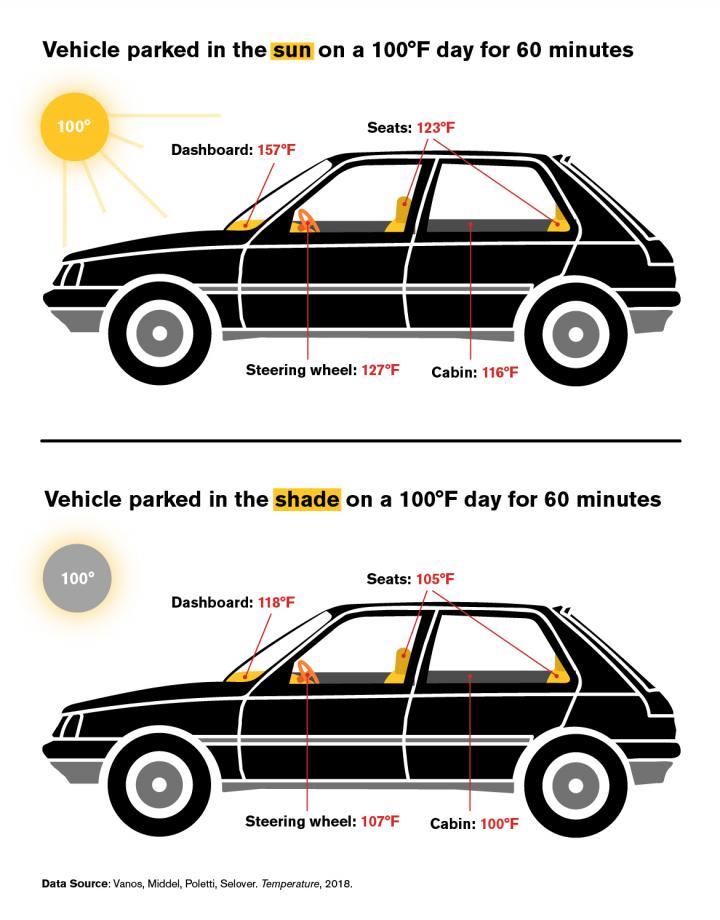
Cars act like greenhouses. Park in the sun and the cabin heats quickly. The National Highway Traffic Safety Administration found that a car interior can reach over 120°F (49°C) on a hot day. Dash cams sit near the windshield, so they get the worst of that heat plus direct sun.
Electronics hate heat. Most dash cams are rated to operate below 140°F (60°C). Many days exceed that inside a parked car. When that happens, the dash cam can shut down to protect itself.
Tip: Park in shade, use a sunshade, or remove the unit when leaving the car for long periods. Even a small reduction in direct sunlight helps a lot.
2. Continuous Operation
Dash cams often run non-stop. The processor and memory generate heat while recording. Unlike phones or laptops, dash cams rarely get a cooling break. Long road trips or always-on parking mode means heat builds up.
Tip: Use scheduled recording or disable parking mode on very hot days. Shorter recording sessions reduce sustained device temperature.
3. Poor Ventilation
Some dash cams are sealed tightly for weather resistance. Others have small vents or heat sinks. If airflow is limited, heat can’t escape. That is especially true when a mount or adhesive covers vents.
Tip: Check that mounts don’t block vents. Leave a small gap between the body and the windscreen if possible. Metal mounts and heat-sink designs help.
4. Low-quality Materials
Cheaper dash cams often use low-grade plastic and poor internal parts. These materials don’t handle heat well. They may warp, crack, or soften under high temperatures.
Tip: Invest in a well-built unit. Metal or mixed-metal housings dissipate heat better than cheap plastics.
5. Battery Issues
Many dash cams include a built-in battery for emergency recording or parking mode. These use lithium-ion cells. Li-ion batteries are sensitive to heat and to being charged while hot. If they overheat, they can swell, leak, or fail. In some models the battery itself creates extra heat when it tries to charge or discharge under stress.
Tip: If your camera has a removable or external power option, use that in hot climates. Watch for battery swelling or bulging and stop using the unit if you see it.
6. High-resolution Recording
Recording in 4K or higher forces the chip and memory to work harder. That raises power draw and heat. Recording at high bitrates increases the load as well.
Tip: Drop down to 1080p or lower if you see heat issues. Most insurance or evidence needs are satisfied with 1080p daytime video.
7. Faulty Power Supply
Sometimes the issue is the power source. Cheap chargers and cables can cause voltage spikes or draw excess current. That makes the dash cam run hotter. A bad hardwire kit may also supply inconsistent voltages that stress the unit.
Hardware failures are frustrating; just as we explored if Can a Faulty ECU Drain Car Battery, it is equally important to understand the thermal limits and why does dash cam overheat during summer months.
How Overheating Affects Your Dash Cam
Overheating does more than make the camera hot. It causes real failures. Here’s what can go wrong.
- Sudden shutdowns: The device may power off to protect itself. This stops recording immediately.
- Lost footage: Overheating can corrupt files or stop saves mid-recording.
- Permanent damage: Components can fail. Screens can crack. Batteries can leak.
- Shorter lifespan: Repeated heat cycles speed wear on electronics and solder joints.
A 2022 Consumer Reports survey found about 18% of dash cam users reported device failure from overheating during summer months. I’ve seen similar rates among customers I help—especially for budget units used in hot regions.
Dash Cam Overheating Vs. Other Devices
All electronics suffer in cars, but dash cams are uniquely exposed. They sit in the hottest spot and run nonstop. Below is a quick comparison to help you understand risk.
| Device | Typical Location in Car | Heat Exposure | Cooling Features |
|---|---|---|---|
| Dash Cam | Windshield | High (direct sunlight) | Few vents, often sealed |
| GPS | Dashboard | Medium | Some vents, larger surface |
| Smartphone | Console or pocket | Low to medium | No active cooling |
| Tablet | Seat or dashboard | Medium | Passive cooling |
Because dash cams are glued high on the windscreen and record continuously, they face greater thermal stress than most portable gadgets.
How To Prevent Dash Cam Overheating
Overheating is avoidable. Below are clear, practical steps I use and recommend. They cover choices, settings, and accessories that reduce heat risk and protect your footage.
1. Choose The Right Dash Cam
Not all dash cams are made for hot climates. Look for:
- Wide operating temp: models rated up to 160°F (71°C)
- High-quality materials: Metal cases or alloys that shed heat
- Good ventilation: Heat sinks, vents, or thermal pads
Here’s a quick comparison of popular dash cam models and their operating temperatures:
| Model | Max Operating Temp | Material | Ventilation |
|---|---|---|---|
| Viofo A129 Pro | 149°F (65°C) | Plastic | Minimal vents |
| Nextbase 522GW | 131°F (55°C) | Plastic | Some vents |
| BlackVue DR900X | 158°F (70°C) | Metal/Plastic | Heat sink |
I tend to recommend models with metal bodies or known thermal protection if you live in hot regions. The small extra cost often saves you from replacing a unit after one summer.
2. Avoid Direct Sunlight
Park in shade whenever you can. Use a windshield sunshade if shade is not available. Some drivers remove the dash cam when leaving the car for long periods. That adds effort but prevents overheating when parked in strong sun.
3. Turn Off When Not Needed
If your dash cam supports a parking mode, consider turning it off on extremely hot days. Parking mode keeps the camera active while the car is off. That can raise internal temperature quickly in a hot cabin.
4. Use High-quality Power Accessories
Always use the charger and cable the manufacturer recommends. Cheap chargers can cause voltage spikes and overheating. If you hardwire the camera, use a proper low-current hardwire kit with built-in voltage protection.
5. Lower Recording Resolution
Recording at 1080p instead of 4K lowers processor load and heat. Unless you need ultra-high detail for evidence, 1080p or 1440p often gives a better balance of quality and thermal stability.
6. Regular Maintenance
Clean dust from vents and the mount. Inspect the unit for heat-related signs like warping or melted plastic. Keep your firmware up to date—manufacturers often release fixes that improve thermal management.
7. External Battery Packs
Using an external battery pack or a supercapacitor module moves the heat source away from the dash cam. This lowers the temperature stress on the device and the internal battery. External packs also protect against battery swelling inside the camera.
Recommended Settings and Quick Checklist
Here are short, actionable items I use before a hot drive:
- Set resolution to 1080p during summer.
- Turn off parking mode if temperatures exceed 100°F (38°C).
- Use a manufacturer-approved power adapter or hardwire kit.
- Mount the camera with vents unobstructed.
- Keep firmware up to date; enable thermal protection if available.

Credit: wolfbox.com
Is Overheating A Sign Of A Faulty Dash Cam?
Not always. Overheating can come from the environment or how you use the camera. But if a dash cam overheats in normal conditions—like mild weather or shaded parking—it may be defective.
Watch for these warning signs of a faulty unit:
- Frequent shutdowns even when the car is cool
- Battery swelling or bulging
- Burnt smell or melted parts
- No recordings or repeated corrupted files
If you see these signs, contact the manufacturer. Many units include a thermal protection feature that shuts the device down before it sustains damage. Keep receipts and check warranty terms if replacement is needed.
Common Mistakes That Lead To Overheating
Drivers often make avoidable choices that raise heat risk. Here are the most common mistakes and how to fix them.
- Installing dash cam behind tinted glass: Tinted glass can trap heat. Install closer to the top center of the windshield and leave airflow paths open.
- Using third-party mounts: Some mounts cover vents or press too tightly against the body. Use mounts designed for your model.
- Leaving dash cam on during car wash: Water and blocked vents can cause extra heat and electrical shorts. Remove it or power down before a car wash.
- Ignoring firmware updates: Updates often fix stability and thermal issues. Check monthly.
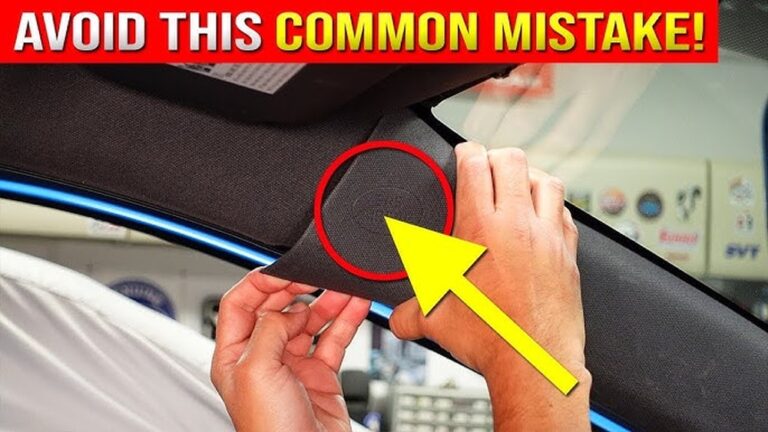
- Placing dash cam near airbag area: This is unsafe and often hotter. Mount within the legal and safe area recommended by the manufacturer.
Real-life Stories: What Can Go Wrong
I want to share a couple of real situations so you can see the stakes.
James, a rideshare driver in Arizona, left his dash cam running on a hot afternoon. When he returned, the camera had shut down and the plastic casing was warped. He lost footage he needed for an incident claim and had to replace the unit.
Another driver in Florida reported battery swelling after two years of constant exposure to direct sunlight. The dash cam failed and the battery leaked. Both cases show that overheating is not a harmless nuisance—it can cost you time and money.
These stories show that overheating can cause device failure and lost evidence. If that happens, troubleshooting guides like Why Is My Dash Cam Not Saving Footage may help recover or identify issues related to heat-damaged storage.
Extra Tips For Hot Climates
If you live in very hot states—Texas, Arizona, Nevada, Florida—take extra precautions. Small changes can save your dash cam.
- Install a heat-resistant dash cam: Manufacturers make models intended for tropical climates with higher max operating temperatures and better cooling.
- Use thermal pads or shields: These help absorb and redirect heat away from the camera. You can find them at electronics stores or online.
- Consider a solar umbrella or canopy: For vehicles parked outdoors long-term, shading the whole car keeps interior temps lower.

Credit: www.reddit.com
How Dash Cam Brands Address Overheating
Manufacturers know heat is a major issue. Many brands now include:
- Thermal protection: Firmware that monitors CPU and battery temps and shuts down safely when needed.
- Metal casings and heat sinks: To dissipate heat faster.
- External power recommendations: Guidance to avoid internal battery stress during hot weather.
Before you buy, check a model’s max operating temperature and user reports about heat performance. Brands often post this on spec sheets or FAQs.
FAQs Of Why Does Dash Cam Overheat?
Why Does My Dash Cam Shut Down In Summer?
Dash cams shut down automatically when they get too hot. This is a safety feature to prevent damage. High temperatures inside your car and direct sunlight are the main reasons for shutdowns.
Can Dash Cam Overheating Damage My Memory Card?
Yes. Overheating can damage SD cards. Heat harms the memory chip and the controller. That can lead to data loss or file corruption. Always use high-quality cards designed for dash cams and check them regularly. See this guide for card recommendations and testing tips.
Is It Safe To Use Dash Cam Parking Mode In Hot Weather?
It’s not recommended. Parking mode keeps the dash cam running when the car is off. In hot weather, that can cause overheating and battery failure. If you must use parking mode, park in the shade and use an external battery pack or a hardwire kit with low standby draw.
How Can I Tell If My Dash Cam Is Overheating?
Common signs are a hot surface, sudden shutdowns, error messages about temperature, and battery swelling. If the camera feels hotter than the dash or windscreen around it, assume it is overheating and power it down to cool.
Do All Dash Cams Overheat Eventually?
No, but any dash cam can overheat in extreme conditions. High-quality models with metal cases, heat sinks, and thermal protection are less likely to fail. Still, environmental factors matter most—shade, ventilation, and correct power supply go a long way.
Dash cam overheating is a real issue. But you can control most of the risk. Choose the right model, use correct power accessories, adjust recording settings, and pay attention to signs of heat stress. Do those things and your dash cam will keep recording—even on the hottest days.
With a little care, your dash cam can keep recording safely—even on the hottest days.
Credit: support.thinkware.com

I am Julian Drive, an automotive enthusiast and repair expert with over 7 years of hands-on experience in vehicle maintenance. At Carora Hub, I simplify complex car issues into easy-to-follow DIY guides to help drivers stay safe and save on repair costs.