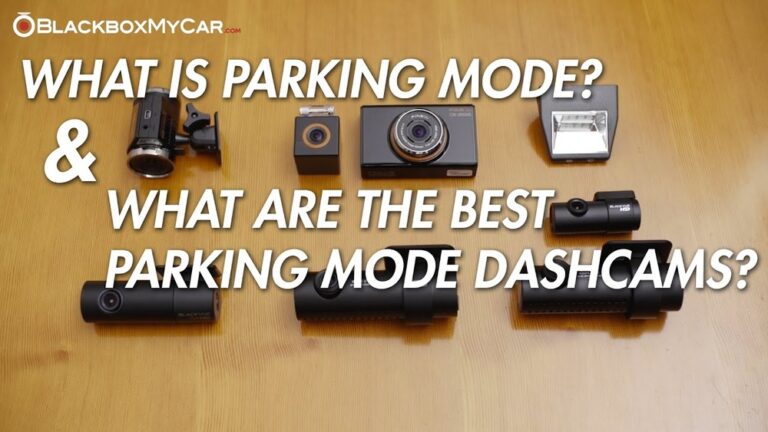
Why is my dash cam not saving footage? A dash cam can stop saving footage for several common reasons: a corrupted or incompatible SD card, wrong recording settings, full storage, or an unstable power supply. Faulty memory cards, outdated firmware, and interrupted power connections can also prevent recordings from being stored correctly.
When a dash cam fails to save footage, it creates real stress—especially after a crash, a close-call, or any driving incident you’ll want documentation for. In my experience, most of these problems trace back to storage errors, power interruptions, or settings that don’t match how you use the camera. The good news: many issues are quick to fix and don’t require replacing the whole unit.
Keep reading. I’ll walk you through the likely causes and step-by-step fixes I use when troubleshooting dash cams. You’ll learn simple checks, how to test and prepare memory cards, and what power and software issues to watch for. These tips will help you get reliable recordings again—fast.
Common Causes Of Footage Not Saving
When your dash cam won’t save footage, it usually comes down to one of a few things. I list the most common causes below so you can zero in on the fix quickly.
Memory Card Issues
The memory card is the most common failure point. If it’s full, damaged, locked, or not compatible, the camera can’t write new files.
- Check the card’s lock switch. If it’s locked, the dash cam can’t write data.
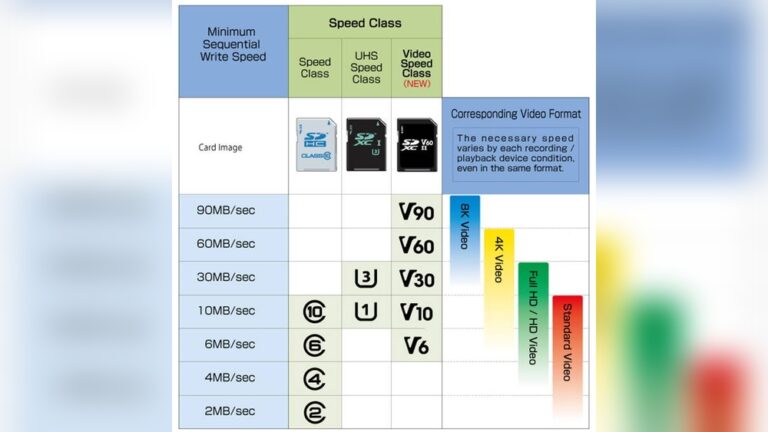
- Use the right card type. Most dash cams need microSD cards that are Class 10 or better (UHS-I U3 / V30 recommended). Cards labeled microSDHC or microSDXC are common choices depending on capacity limits.
- Old or heavily used cards develop bad sectors. They can corrupt files or fail to save new video.
- Formatting the card inside the dash cam usually fixes file system errors.
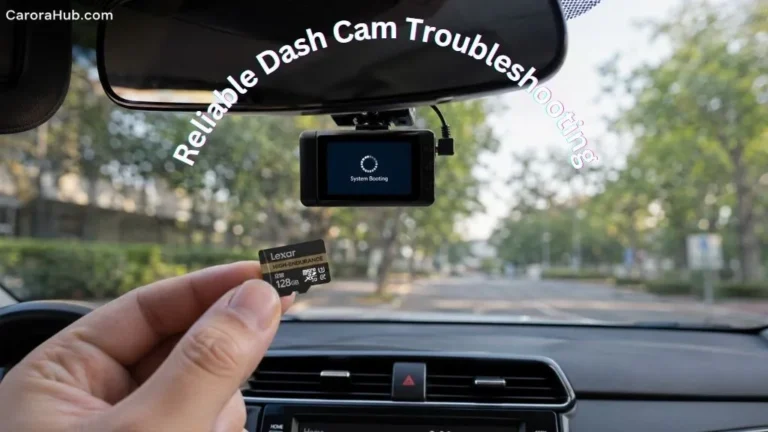
I always recommend reliable brands such as SanDisk, Samsung, or Lexar for dash cam use. They handle constant write cycles better than cheap, generic cards.
Power Supply Problems
A dash cam needs steady power to finish recording and save files. If power drops mid-recording, the file can become corrupt or disappear.
Common power issues I see:
- Loose cables or connectors that wiggle and interrupt power.
- Low-quality cigarette-lighter adapters or USB chargers that don’t provide consistent voltage.
- Vehicle wiring that cuts power when the ignition state changes (parking mode wiring is a frequent culprit).
Secure the cable, test different power outlets, or use a proper hardwire kit if you need continuous power. If your device powers off when you switch the ignition, check how it’s wired.
Software Glitches
Firmware or app bugs can prevent recordings from saving. I’ve fixed many cameras simply by updating firmware or restarting the device.
Steps that help:
- Check the manufacturer’s site for firmware updates.
- Restart or fully power-cycle the dash cam to clear temporary glitches.
- If problems persist, try a factory reset (after backing up any important clips).
Improper Settings
Settings control when and how footage is saved. A single wrong option can delete clips or prevent saving entirely.
Look for these settings:
- Loop recording — if off, the card fills up and recording will stop.
- Event (impact) detection — wrong sensitivity can cause missed events or too many false saves.
- Parking mode — may only record when hardwired or when a battery pack supplies power.
Review your settings and match them to how you drive and park. Small tweaks here often fix the issue.
If your dash cam randomly powers off during recording, check Why does my dash cam keep restarting to diagnose possible power-related issues.

Credit: dylect.in
Memory Card Troubleshooting
Most saving errors start with the memory card. I always run a short checklist before assuming the dash cam is faulty. This saves time and money.
Start with these quick checks:
- Remove and reinsert the card to ensure it seats properly.
- Check the lock tab and clean the contacts with a soft, dry cloth.
- Try the card in another device or computer to see if it reads and writes normally.
If you find errors, take the following steps below.
Checking Card Compatibility
Not every card works with every camera. Read your dash cam manual or the manufacturer’s spec sheet to confirm supported card types and maximum capacity. Using too-large or too-slow cards causes failures.
Recommended specs I use often:
- Speed class: Class 10 or UHS-I U3 (V30) minimum for 1080p; higher for 2K/4K models.
- Capacity: Many cameras support up to 128GB or 256GB—check your model.
- Format: microSDHC for lower capacities, microSDXC for larger ones.
Formatting The Memory Card
Formatting clears file-system errors and prepares the card for the camera. I always format inside the dash cam when possible.
Formatting tips:
- Use the dash cam’s format tool if it has one.
- If you format on a computer, choose FAT32 for cards up to 32GB and exFAT for larger cards (follow the camera’s recommendation).
- A full (non-quick) format is better. It scans the card and can mark bad sectors.
After formatting, restart the camera and do a short test recording. Confirm the clip saves and plays back cleanly.
Replacing A Faulty Card
Memory cards wear out. If a card repeatedly fails on multiple devices, replace it. Don’t gamble with clips you may need for an insurance claim or police report.
Choose a dash-cam-rated card and replace it every 12–24 months if you drive a lot. If you see corrupted files, frequent recording errors, or slow write speeds, swap the card immediately.
How to test card health on a PC (practical)
If you want to confirm a card’s health, use a simple test on a computer:
- Copy a large video file to the card and then play it back from the card to verify read/write speed.
- Run a disk-check tool (chkdsk on Windows or Disk Utility on macOS). Look for reported bad sectors or file system errors.
- Use a branded card-testing tool (the manufacturer’s utilities are often best for full diagnostics).
Power And Connection Checks
Power or connection issues often stop a dash cam from saving footage. I always check the power path next. A stable power connection ensures the camera can finish writing each file.
Inspecting Power Cables
Look for splits, kinks, or exposed wires. Flex the cable gently while recording to see if the camera blips or the screen flickers. If it does, replace that cable.
Testing The Power Source
Try another 12V outlet or USB port. Test the socket with a different device to confirm it supplies steady power. A blown fuse, weak cigarette socket, or poor vehicle wiring can be the root cause.
Ensuring Proper Cable Connections
Make sure the plug fits tightly into the camera and the car’s power socket. If the camera has a micro-USB or USB-C power port, verify the connector isn’t loose. A snug connection prevents unexpected shutdowns and corrupted files.

Credit: www.notateslaapp.com
You May Like This Guide: Why Does Battery Die Only When Car is Parked on Slope?
Software And Firmware Solutions
Software and firmware control file handling and recording logic. Bugs here can stop files from saving or corrupt them. I recommend checking software before assuming hardware failure.
Updating Firmware
Firmware updates fix bugs and improve stability. Here’s how I update safely:
- Download firmware only from the official manufacturer website.
- Follow the update instructions exactly—some require the camera to be powered during the process.
- Back up any important clips before updating, just in case.
A successful firmware update often resolves saving and stability issues quickly.
Resetting The Dash Cam
Resetting clears temporary glitches and returns settings to default. Most dash cams include a reset button or a factory-reset option in the menu.
Do this when:
- Settings seem corrupt or confusing.
- Firmware update didn’t fix the issue.
- The camera behaves erratically after power loss.
After reset, reformat the card in-camera and test recording for several minutes to confirm normal operation.
Reinstalling Software
If your dash cam uses companion PC or phone software, remove and reinstall it. Corrupt desktop apps or phone integrations can interfere with file transfers and management.
Download the latest app from the official source, reconnect the camera, and test file transfer and playback.
When to contact support or seek repair
If you’ve tried formatting, a new card, firmware updates, and power checks and the camera still won’t save files, it’s time to contact the manufacturer. Persistent write failures or hardware errors often point to a failing camera module or internal storage problem.
Check warranty status and provide detailed notes about the tests you ran. This speeds up diagnosis and repair.
Adjusting Dash Cam Settings
Settings are often the silent cause of lost footage. I recommend checking and adjusting them to match how you use your car.
Configuring Auto-save Options
Auto-save must be enabled if you want clips saved automatically. Some cameras only auto-save while connected to power. Make sure your chosen auto-save mode fits your use—driving, parking, or both.
Managing Loop Recording
Loop recording lets the camera overwrite the oldest files to make space. Without loop recording, the card will fill and recordings stop.
Choose a loop segment length that matches your needs—short loops save space, longer loops preserve more footage before overwrite.
Setting Event Detection Properly
Event detection (G-sensor) saves clips automatically when it detects impact or sudden motion. Set sensitivity so real incidents trigger saves and small bumps don’t flood your card with clips.
Parking mode and battery drain trade-offs
Parking mode records while you’re away from the car. It usually needs either a hardwire kit or a dedicated battery pack. If your camera isn’t saving parking-mode clips, check that the camera actually gets power while parked.
Hardwiring can draw current from the car battery. Use a low-voltage cutoff or a battery pack designed for dash cams to avoid draining your car battery.
Additional Tips For Reliable Recording
Small habits and the right gear make dash cam recordings reliable. These practical tips come from routine maintenance I perform on my own cameras.
Using High-quality Memory Cards
Use cards that are marketed for dash cam or surveillance use. These cards use higher endurance flash and last longer under constant writing. Replace cards that slow down or produce occasional errors.
Format the card in the camera every few months to keep the file system healthy.
Regular Maintenance Checks
Check your dash cam and memory card regularly. Clean the lens, inspect cables, and test recording before long trips. Update firmware when a stable release is available. These small checks prevent most surprises.
Backup And Data Transfer Practices
Move important videos to a computer or cloud storage as soon as possible. This frees space and protects critical evidence. Use a good card reader for transfers to avoid corrupting files.
After backing up, delete old files from the dash cam card. Keeping at least 10–20% free space helps maintain write speed and reduces corruption risk.
Hardwiring and power hardware recommendations
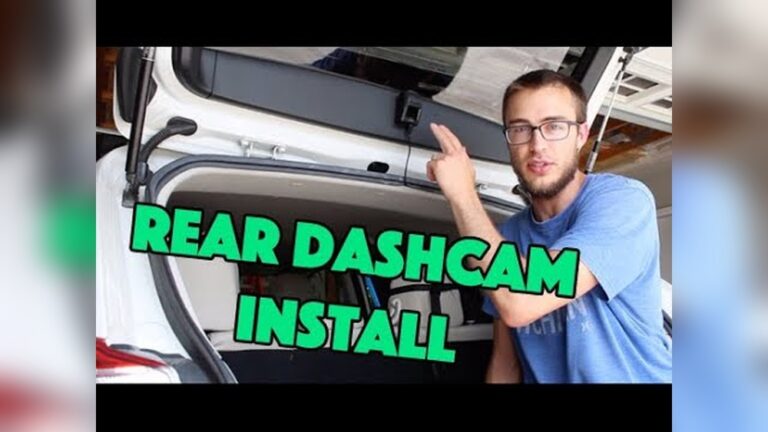
If you use parking mode or want uninterrupted recording, consider a hardwire kit or an external battery pack designed for dash cams. A quality hardwire kit provides a stable 12V/5V supply and often includes a low-voltage cutoff.
Install hardwires professionally if you’re unsure. Poor installation can cause electrical issues or damage the car.
FAQs About Why is My Dash Cam Not Saving Footage
Why Isn’t My Dash Cam Saving Any Footage?
If your dash cam saves nothing, check the memory card first. It may be full, locked, or corrupted. Then confirm the power supply is stable. Finally, verify recording settings and update firmware.
How Do I Fix Dash Cam Not Saving Videos?
Start by formatting the memory card in the camera. Replace a damaged card and update the dash cam’s firmware. Make sure settings like loop recording and auto-save are set correctly. Use a compatible, high-quality card for the best results.
Can A Faulty Memory Card Cause Saving Problems?
Yes. A bad or incompatible memory card can prevent footage from saving. Use recommended card types and format them regularly. Avoid low-quality cards for dash cam use.
Does Power Interruption Affect Dash Cam Recordings?
Absolutely. Sudden power loss can corrupt files or stop the camera from saving them. Use secure connections, a reliable adapter, or a hardwire kit to prevent interruptions.
Final Thoughts
A dash cam that won’t save footage can be a serious headache. Start with the memory card—format it in the camera and try a known-good card. Next, secure power and inspect cables. Update firmware, reset settings if needed, and test recordings after each change.
Most issues are fixable with these steps. If problems persist after testing cards, power, and software, contact the manufacturer or a qualified technician. With routine checks and the right gear, your dash cam will keep reliable footage when you need it most.

I am Julian Drive, an automotive enthusiast and repair expert with over 7 years of hands-on experience in vehicle maintenance. At Carora Hub, I simplify complex car issues into easy-to-follow DIY guides to help drivers stay safe and save on repair costs.