Getting rid of a bad smell in your car can feel impossible. I get it — I’ve spent weekends trying to chase down the source of a stubborn odor. Sometimes, even after cleaning, the smell comes back. Whether it’s from food, smoke, pets, or mold, a lingering odor makes every drive less pleasant. The good news: with the right steps you can permanently remove bad smells from your car. In this guide I share proven, practical strategies I’ve used and tested, explain what actually works, and give simple tips to stop odors from returning.
How to permanently remove bad smell from car? Permanently removing bad smells starts with finding the source. Then deep-clean carpets and upholstery, replace dirty cabin air filters, and eliminate trapped moisture. Persistent smells usually come from mold, food spills, smoke residue, bacteria, or hidden water leaks inside the vehicle. Treat the cause, not the scent. That’s the difference between short-term fixes and lasting results.
Why Cars Smell Bad: Understanding The Source
Before you clean, look for where the smell hides. Bad odors often live in places you rarely check — under seats, inside vents, or in the carpet padding. Common causes include:
- Food spills and crumbs that feed bacteria
- Pet accidents leaving urine or soaked fur
- Smoke from cigarettes or past fires that soaks into fabrics and trim
- Mold from moisture trapped in carpets, foam padding, or the HVAC evaporator
- Spilled liquids such as coffee, milk, or soda that sour as they break down
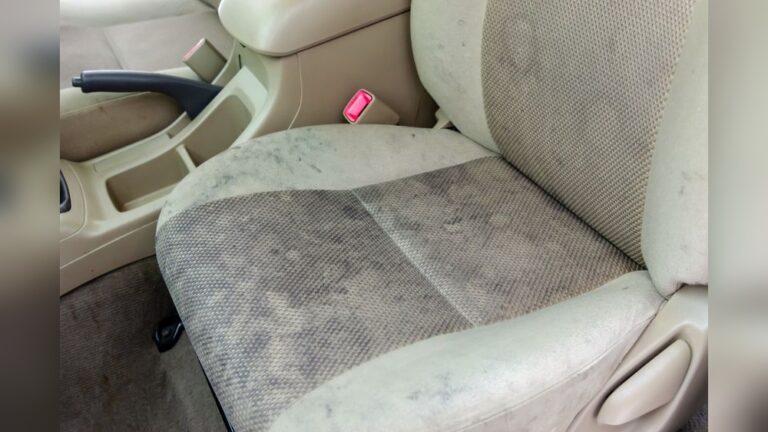
Many people stop at surface cleaning. I’ve learned that smells persist because they sink into fabric, foam, and insulation. If you only clean the top layer, the odor returns. Treat the padding, vents, and filters to truly remove the source.
First Steps: Preparing Your Car For Odor Removal
Getting ready matters. A good prep session makes the deep cleaning faster and more effective.
- Remove all trash: Take out bottles, food wrappers, takeout containers, and other waste.
- Take out mats and seat covers: Wash or vacuum them separately. Let them dry in sun if possible.
- Vacuum thoroughly: Use a crevice tool to reach under seats, around pedals, and between seat seams. A strong vacuum with a HEPA filter picks up fine dust and hair.
This basic cleaning removes the top layer of grime. For tougher smells, plan to go deeper and give yourself time for drying. For deeper interior maintenance tips, don’t miss How to remove mold smell from car interior if your car smells worse after rain or humidity.
Quick Checklist Before You Start
- Park on a dry day with good airflow, if possible.
- Gather supplies: enzyme cleaner, baking soda, microfiber towels, upholstery brush, steam cleaner (rental or pro), gloves, and a quality vacuum.
- Keep a trash bag and a dry towel handy for small spills.
- Have replacement cabin air filter ready if you suspect filter odors.
Deep Cleaning Strategies For Permanent Odor Removal
Surface cleaning rarely solves the problem. The next steps aim at the root — the materials and components that hold odor molecules.
Upholstery And Carpet Treatment
Seats and carpets hold the most odor because they contain fabric, foam, and padding. Treat each layer.
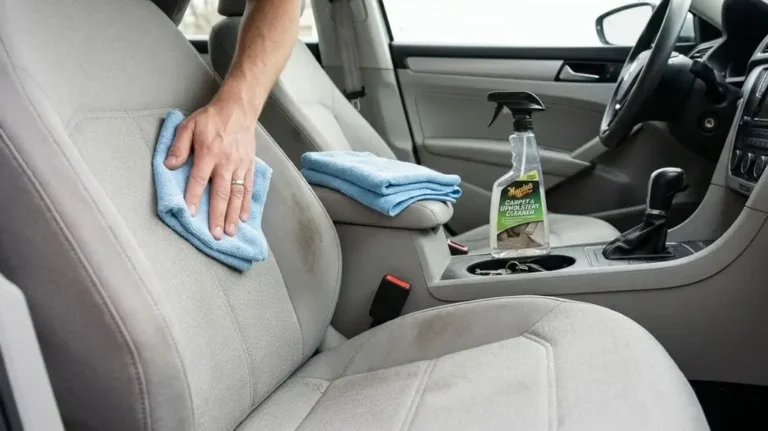
- Steam cleaning: Hot steam kills bacteria, sanitizes fabric, and pulls out dirt from deep fibers. I recommend steam-extraction machines (also called carpet extractors) rather than only hot-air steam — extractors rinse and suck moisture back out. Rent one or hire a professional detailer.
- Enzyme cleaners: These break down organic stains like food, vomit, and urine. Spray the cleaner, let it sit 10–20 minutes so enzymes work, then blot and rinse if the product recommends it. Always test on a hidden spot first.
- Baking soda: Sprinkle generously on dry fabric or carpet, leave overnight, then vacuum. Baking soda absorbs lighter odors and helps neutralize acids from spills.
Comparison Of Cleaning Methods
| Method | Effectiveness | Best For | Time Needed |
|---|---|---|---|
| Steam Cleaning | High | Deep odors, bacteria | 1–2 hours |
| Enzyme Cleaners | Medium–High | Organic stains, urine | 20–40 minutes |
| Baking Soda | Medium | Light odors | Overnight |
Tools and Tips I Rely On
- Use a HEPA or high-suction vacuum for hair and dust.
- An upholstery brush helps lift fibers before extraction.
- Work in small sections and let each section dry fully before moving on.
- If padding smells, lift carpet and check the foam. Replace damp or stained padding to stop the smell for good.
Cleaning Air Vents
Vents spread smells every time the HVAC runs. Cleaning them reduces recurring odors and improves air quality.
- Use a foam vent cleaner. Spray into vents, let it sit, then run the AC on high to flush out residue.
- Replace your cabin air filter. Filters trap dust, pollen, and odor molecules. Most cars recommend changing it every 12,000–15,000 miles but check it sooner if smells persist.
Cleaning the Evaporator and HVAC Pathways
Mold often forms on the evaporator core. If you smell mildew when the AC runs, consider an HVAC cleaner sprayed into the intake or have a technician clean the evaporator. This step fixes smells that live deep in the system.
Treating Leather And Hard Surfaces
Leather and plastic absorb and hold onto odors differently. Use gentle products.
- Wipe leather with a vinegar-water solution (1:1 mix). Vinegar neutralizes smells. Wipe with a damp cloth, then dry and condition the leather to prevent cracking.
- For plastics, vinyl, and the dashboard, use a mild soap or an all-purpose cleaner and a microfiber towel. Clean cup holders and crevices where spills hide.
Ozone Treatment: The Professional Solution
If smells refuse to go away, an ozone generator can break down odor molecules that hide in fabrics and foam. Ozone oxidizes odor compounds — it doesn’t just mask them.
- Professional ozone treatments typically cost $50–$150.
- After ozone, air out your car for several hours — ozone is harmful to breathe.
Ozone Vs DIY Cleaning
| Aspect | Ozone Treatment | DIY Deep Cleaning |
|---|---|---|
| Effectiveness | Very High | Medium–High |
| Speed | 1–2 hours | Several hours |
| Cost | $50–$150 | $10–$40 |
| Safety | Needs caution | Safe |
Ozone Safety Tips
- Do not stay inside the car during treatment.
- Ventilate thoroughly for several hours after treatment.
- People with lung conditions should avoid ozone-treated spaces until aired out.
- Use ozone as a last step, after cleaning surfaces and filters.
Special Odor Problems: Smoke, Mold, And Pets
Some smells need targeted steps. Below are focused approaches for the toughest odor types.
Smoke Odor
Cigarette smoke clings to fabrics, headliners, and trim. It can be the hardest odor to remove.
- Clean all glass and mirrors with ammonia-free glass cleaner to remove smoke film.
- Use activated charcoal pouches under seats. They absorb smoke molecules over days or weeks.
- For heavy smoke, combine deep cleaning, filter replacement, and an ozone treatment if needed.
Mold And Mildew
Mold grows in damp areas — under carpets, inside vents, or around door seals. It causes a musty smell and can pose health risks.
- Find and fix leaks. Check door seals, sunroof drains, heater core, and floor seams.
- Treat affected areas with anti-fungal sprays and let them dry fully.
- Wet carpets or seats may need to be removed, dried, or replaced. Even small damp spots can let mold return.
Pet Smells
Pets bring hair, dander, wet fur, and sometimes urine. These add up to strong, lingering odors.
- Use enzyme urine cleaners to break down urine crystals rather than just masking the scent.
- Wash or machine-wash removable fabric items in hot water when safe.
- Brush and vacuum pet hair often. A rubber brush helps lift trapped hair from upholstery.

Credit: www.toyotaofnorthcharlotte.com
Preventing Odors: Keeping Your Car Fresh
Once your car smells clean, small habits keep it that way. I treat prevention like routine maintenance.
- Avoid eating inside: Food is the top cause of new smells.
- Clean up spills immediately: Quick action prevents stains and deeper odor problems.
- Regularly vacuum: Every 2–4 weeks helps stop buildup of crumbs, hair, and dust.
- Change air filters: A fresh cabin air filter cuts back on recirculated smells and pollen.
- Use moisture absorbers: Silica gel packs, dehumidifier pouches, or activated charcoal keep humidity low and odors down.
Common Mistakes To Avoid
Many people make mistakes that let odors return:
- Using strong perfumes or air fresheners to cover up smells instead of removing the source
- Ignoring hidden moisture under carpets or inside door pockets and trunk liners
- Skipping air vent and filter cleaning, which reintroduces odors each time HVAC runs
Seasonal Prevention Checklist
- Spring: Deep vacuum, change cabin filter, and check for hidden leaks after winter moisture.
- Summer: Remove damp beach or pool items quickly. Use charcoal pouches to control heat-activated odors.
- Fall/Winter: Watch for wet boots and road salts. Dry mats and carpets promptly to avoid mold.
Non-obvious Insights: What Most Beginners Miss
- Odors hide in foam padding. Liquids soak through carpet into the foam. If you only clean the surface, the smell returns. For major spills, lift the carpet and dry or replace the padding.
- The weather affects odor removal. Hot, humid days make smells worse and slow drying. Clean on dry, sunny days for best results.
- Cabin air filters can trap odors for months. Even after cleaning, a dirty filter will spread the smell again. Always check and replace the filter.
How to Inspect Carpet Padding and Foam
Pull up a corner of the carpet in a hidden spot. Smell the padding and feel for dampness. If the foam is damp, stained, or smells, remove and replace it. Drying alone sometimes works, but replacement is the only permanent fix for badly soaked padding.

Credit: www.youtube.com
Choosing The Right Products: What Matters Most
Not every cleaner fits every odor. Choose products by the source:
- Enzyme cleaners: Best for organic smells (food, urine, vomit). They digest proteins and oils that hold odors.
- Ozone generators: For stubborn, widespread odors that live deep in fibers and foam.
- Activated charcoal: Good for smoke and mild odors over time. Charcoal adsorbs odor molecules.
- Anti-fungal sprays: Essential for mold or mildew problems to kill spores and stop regrowth.
Product Comparison Table
| Product | Best Use | Price Range | Safety |
|---|---|---|---|
| Enzyme Cleaner | Organic stains | $8–$20 | Safe |
| Ozone Generator | Stubborn odors | $50–$150 | Use with caution |
| Charcoal Pouch | Smoke | $10–$25 | Safe |
| Anti-fungal Spray | Mold | $12–$18 | Safe |
What to Avoid
- Aggressive cleaners on leather (they dry and crack leather). Use pH-safe leather cleaners and conditioners.
- Covering odors with strong perfumes — this hides the problem and can mix into a worse smell.
- Using concentrated bleach on upholstery — it can damage fabric and weaken fibers.
Practical Tips For Lasting Freshness
- Keep windows slightly open (when safe) to let air flow and reduce trapped smells.
- Place charcoal bags in your car for ongoing odor control.
- Clean spills within 24 hours—quick action prevents deep odors.
- Consider professional detailing once a year if you drive often or carry passengers frequently.
- Store moisture absorbers in the trunk during rainy seasons to reduce hidden dampness.
A Simple Weekly Routine I Use
- Quick vacuum and trash sweep.
- Wipe down cup holders and console with a mild cleaner.
- Check for damp items (umbrellas, wet shoes) and remove them.
When To Seek Professional Help
If you try these steps and the smell returns, call a professional. Signs you need expert help:
- Odor returns after every cleaning
- Mold grows back quickly
- You can’t find the source of the smell
Professional detailers have tools like ozone machines, steam-extraction units, and industrial dryers. They can diagnose hidden leaks, clean evaporators, and replace soaked padding. They may also use specialized odor neutralizers and follow-up drying to prevent a return.
What to Expect from a Pro Detailer
- Inspection and smell diagnosis.
- Deep cleaning of seats, carpets, and vents.
- Filter replacement and HVAC cleaning if needed.
- Ozone or thermal treatments when required.
While fixing hardware like in Why Does Dash Cam Overheat is technical, restoring cabin comfort requires a different approach: here is how to permanently remove bad smell from car for good.
Frequently Asked Questions Of Permanently Remove Bad Smell from Car
How Long Does It Take To Remove A Bad Smell From A Car?
It depends on the source and severity. Simple smells like fresh food spills can go in a few hours after cleaning and drying. Deep odors like smoke or mold may need repeated steps over several days: deep clean, dry, replace filters, and possibly an ozone session.
Are Air Fresheners A Good Solution For Car Odors?
Air fresheners only mask smells. They can help short-term while you clean, but they won’t fix the root cause. Use odor-neutralizing products and cleaning to remove the source for permanent results.
Is Ozone Treatment Safe For Cars?
Ozone is effective but must be used carefully. It’s toxic to breathe. After treatment, ventilate for several hours. Avoid direct exposure and follow the provider’s safety instructions. Do not use ozone around people, pets, or plants during the process.
What’s The Best Way To Prevent Bad Smells From Coming Back?
Clean spills right away, vacuum often, change your cabin air filter regularly, and use moisture absorbers and charcoal bags. Keep the car dry and check for leaks seasonally.
Can I Use Home Cleaners Like Vinegar Or Baking Soda In My Car?
Yes. Vinegar neutralizes odors and baking soda absorbs them. Both are safe for mild smells. Test vinegar on a hidden spot before using on sensitive materials like leather. Use sparingly and dry surfaces afterward.
Removing bad smells from your car is possible with the right steps. Focus on finding and treating the source, not just masking the smell. With regular cleaning, good ventilation, and the right products, your car can stay fresh for the long term. For more advanced tips on car care, check out this guide on car detailing.

Credit: www.chevroletofturnersville.com

I am Julian Drive, an automotive enthusiast and repair expert with over 7 years of hands-on experience in vehicle maintenance. At Carora Hub, I simplify complex car issues into easy-to-follow DIY guides to help drivers stay safe and save on repair costs.