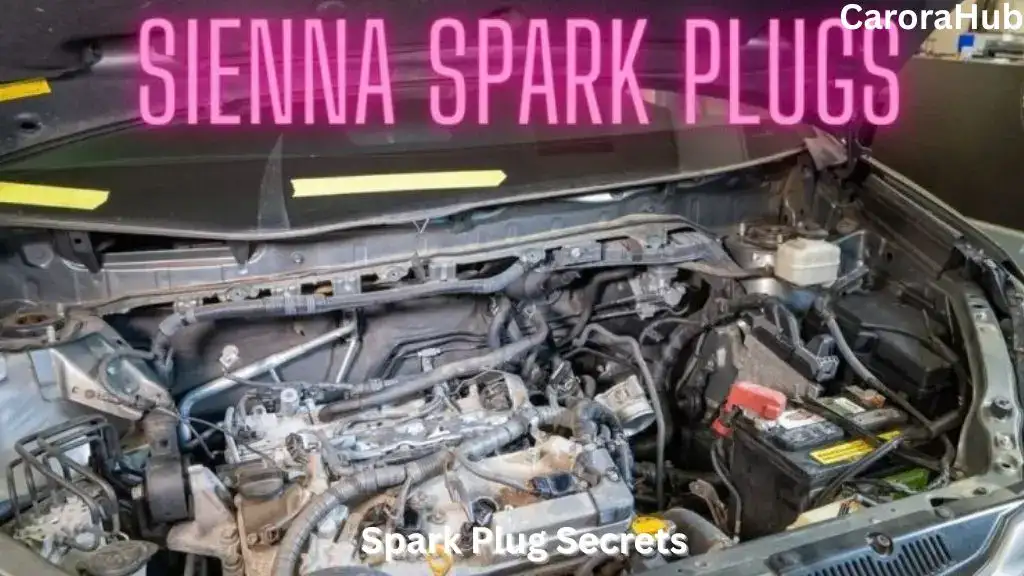
Your Toyota Sienna relies on spark plugs to keep the engine running smoothly. But how do you know when it’s time to replace them?
Ignoring worn-out spark plugs can lead to poor fuel efficiency, rough idling, and even engine trouble. You’ll discover clear signs to watch for and the best timing to swap out your spark plugs. Keep reading to protect your vehicle and save money on costly repairs down the road.
Credit: discover.hubpages.com
Signs Of Worn Spark Plugs
Worn spark plugs cause many problems in your Toyota Sienna. They affect engine performance and fuel use. Knowing the signs helps you fix issues early. This keeps your car running smooth and saves money on repairs.
Engine Misfires And Rough Idling
Old spark plugs can cause engine misfires. The engine may jerk or hesitate while driving. You may feel rough idling when the car is stopped. These issues happen because spark plugs fail to ignite fuel properly.
Reduced Fuel Efficiency
Worn spark plugs lower your Sienna’s fuel efficiency. The engine burns more fuel to run. This means you visit the gas station more often. Replacing spark plugs improves mileage and saves fuel costs.
Difficulty Starting The Engine
Hard starting is a common sign of bad spark plugs. Your Toyota might take longer to start or fail to start. Weak sparks cause this problem. New spark plugs make starting quick and easy again.
Check Engine Light Indicators
The check engine light may turn on with worn spark plugs. The car’s computer detects ignition problems. Don’t ignore this warning. A scan tool can confirm if spark plugs need replacement.
Toyota Sienna Spark Plug Lifespan
The spark plug lifespan in a Toyota Sienna depends on many factors. These small parts play a big role in engine performance. Knowing when to replace them helps keep your van running smooth. Worn spark plugs can cause poor fuel economy and rough idling. Regular checks and timely replacement prevent bigger engine problems.
Manufacturer’s Recommended Intervals
Toyota suggests changing spark plugs every 60,000 to 100,000 miles. This range varies by model year and engine type. Always check your owner’s manual for exact numbers. Following these guidelines helps maintain engine power and fuel efficiency. Sticking to the schedule avoids unexpected breakdowns.
Factors Affecting Spark Plug Life
Driving style impacts spark plug wear. Stop-and-go traffic and short trips cause faster wear. Engine condition and fuel quality also matter. Dirty or old fuel can damage plugs more quickly. Harsh weather and extreme temperatures add extra stress. Regular maintenance keeps spark plugs in good shape longer.
Comparing Iridium And Copper Plugs
Iridium spark plugs last longer than copper ones. They resist wear and provide better ignition. Copper plugs cost less but wear out faster. Iridium plugs often reach up to 100,000 miles. Copper plugs need replacement around 30,000 miles. Choosing the right type affects performance and maintenance intervals.
Maintenance Schedule For Spark Plugs
Keeping your Toyota Sienna’s spark plugs in good shape is vital. It helps the engine run smoothly and saves fuel. A proper maintenance schedule for spark plugs prevents engine troubles and costly repairs. Knowing when to inspect and replace them keeps your van reliable.
Routine Inspections
Check your spark plugs regularly for signs of wear. Look for cracks, deposits, or damage on the plugs. Inspections help find problems early before they affect engine performance. A quick check during oil changes is a good habit.
Mileage-based Replacement
Toyota recommends changing spark plugs at specific mileages. Most Sienna models need new plugs every 60,000 to 100,000 miles. Follow your owner’s manual for exact intervals. Staying on schedule avoids misfires and poor fuel economy.
Impact Of Driving Conditions
Harsh driving affects spark plug life. Frequent stop-and-go traffic or short trips wear plugs faster. Dusty or rough roads add extra strain. Adjust your replacement schedule if you drive in tough conditions often.

Credit: www.youtube.com
Steps To Replace Spark Plugs
Replacing spark plugs in your Toyota Sienna keeps the engine running smoothly. It improves fuel efficiency and prevents misfires. Follow clear steps to do the job right. This guide breaks down the process into simple parts.
Tools Needed
Gather these tools before starting: a ratchet wrench, spark plug socket, and extension bar. Use a torque wrench for proper tightening. Also, have a spark plug gap tool and a pair of gloves. A flashlight helps to see inside the engine bay.
Removing Old Spark Plugs
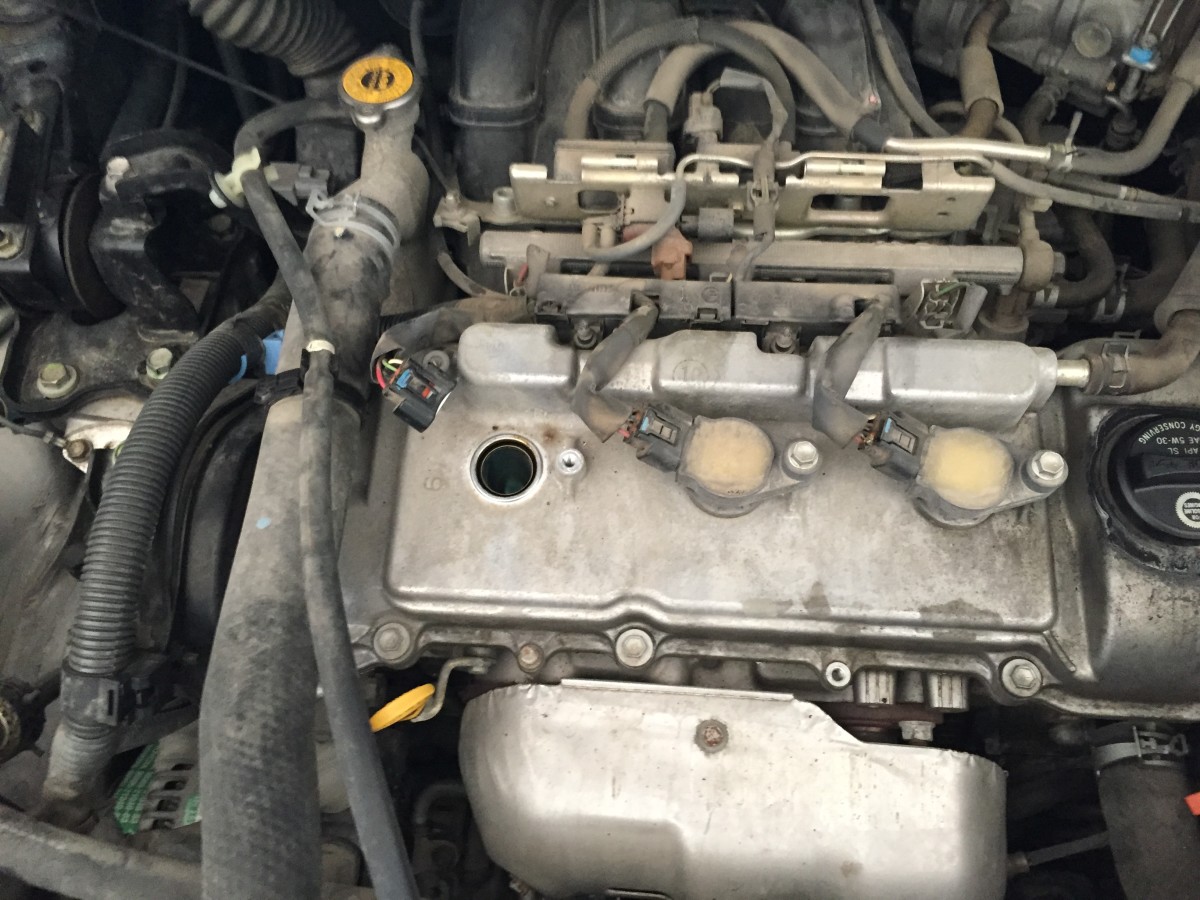
First, open the hood and locate the spark plugs. They sit on the engine’s cylinder head. Remove any engine covers blocking access. Use the ratchet and spark plug socket to turn each plug counterclockwise. Pull the plug out gently to avoid damaging wires.
Installing New Spark Plugs
Check the gap on new spark plugs with the gap tool. Adjust if needed. Insert each plug into its hole by hand first. This prevents cross-threading. Then, use the ratchet to screw them in snugly. Avoid forcing the plug to prevent damage.
Torque Specifications
Tighten spark plugs to the Toyota Sienna’s recommended torque. Usually, this is around 13 to 15 lb-ft. Use a torque wrench for accuracy. Over-tightening can crack the cylinder head. Under-tightening can cause poor engine performance.
Benefits Of Timely Replacement
Replacing spark plugs in your Toyota Sienna on time keeps the engine in good shape. It helps the vehicle run smoothly and saves money on fuel. Timely replacement also lowers harmful gases released into the air. These benefits make it important to change spark plugs regularly.
Improved Engine Performance
Fresh spark plugs create a strong spark for better combustion. This makes the engine start faster and run without misfires. The car accelerates smoothly, giving a pleasant driving experience. Old plugs cause rough idling and engine hesitation, which can be frustrating.
Better Fuel Economy
New spark plugs burn fuel more efficiently. This means your Sienna uses less gas to go the same distance. Good fuel economy saves money and reduces trips to the gas station. Worn spark plugs waste fuel and lower miles per gallon.
Reduced Emissions
Proper spark plugs help the engine burn fuel cleanly. This lowers the amount of harmful gases released from the exhaust. Reduced emissions protect the environment and meet legal standards. Dirty or old plugs cause more pollution and can fail emission tests.
Professional Vs DIY Replacement
Replacing spark plugs in your Toyota Sienna can be done by yourself or by a professional mechanic. Both choices have pros and cons. Knowing the differences can help you decide what suits you best. This section explores the cost, skill needed, and when you should ask for help.
Cost Comparison
DIY spark plug replacement saves money on labor charges. You only pay for the spark plugs and basic tools if you don’t own them. Professional replacement includes parts and labor fees. Labor costs vary depending on location and shop rates. DIY can be cheaper but requires buying tools sometimes. Professionals offer convenience but at a higher price.
Skill Requirements
Replacing spark plugs needs basic car knowledge and some tools. You must find the right spark plug type for your Sienna. Careful handling prevents damage to ignition wires or engine parts. Professionals have experience and proper tools to do the job quickly. DIY is possible with patience and a good guide. Mistakes can cause engine issues or wasted money.
When To Seek Professional Help
Choose a mechanic if you notice engine misfires or rough starts. Strange noises or poor fuel economy also signal problems. If you lack tools or feel unsure, a professional is safer. Complex engine layouts in some Sienna models can be tricky. Professionals can spot other hidden issues during replacement. Your car’s health matters most. Trust the experts when in doubt.
Frequently Asked Questions
How Often Should I Replace Spark Plugs In Toyota Sienna?
Toyota recommends replacing spark plugs every 60,000 to 100,000 miles depending on the model year.
What Are Signs My Toyota Sienna Spark Plugs Need Replacing?
Common signs include rough idling, poor fuel economy, and difficulty starting the engine.
Can Old Spark Plugs Damage My Toyota Sienna’s Engine?
Worn spark plugs can cause misfires, reducing engine performance and possibly damaging components.
Is It Safe To Drive Toyota Sienna With Bad Spark Plugs?
Driving with faulty spark plugs can reduce performance and increase fuel use but is not immediately dangerous.
How Do I Check Spark Plug Condition In My Toyota Sienna?
Remove spark plugs and look for wear, deposits, or corrosion on the electrodes.
What Type Of Spark Plugs Are Best For Toyota Sienna?
OEM or iridium spark plugs are recommended for longer life and better performance.
Can I Replace Toyota Sienna Spark Plugs Myself?
Yes, with basic tools and care, spark plug replacement is doable for most owners.
How Much Does Spark Plug Replacement Cost For Toyota Sienna?
Costs range from $100 to $250 depending on labor and parts quality.
Does Replacing Spark Plugs Improve Toyota Sienna’s Fuel Efficiency?
New spark plugs help maintain engine efficiency, which can improve fuel economy slightly.
How Long Does It Take To Replace Spark Plugs In Toyota Sienna?
Replacing spark plugs typically takes about 1 to 2 hours depending on experience.
Bottom Line
Replacing spark plugs in your Toyota Sienna keeps the engine running smooth. Check the owner’s manual for the right time to change them. Worn spark plugs cause poor fuel economy and rough starts. Regular replacement saves you from costly repairs later.
Pay attention to signs like engine misfires or slow acceleration. Taking care of spark plugs helps your Sienna perform better and last longer. Don’t wait until problems start—stay ahead with timely maintenance. Simple steps can protect your vehicle and keep every ride safe.

Hello, I’m Norman. I work as a car researcher. I am the voice behind CaroraHub. I have over 15 years of experience. I give simple and useful car advice. I help with car care, cleaning, and small repairs. My goal is to help you keep your car healthy. I want car care to be easy and cheap for you. You can trust my tips to keep your car working well for a long time.