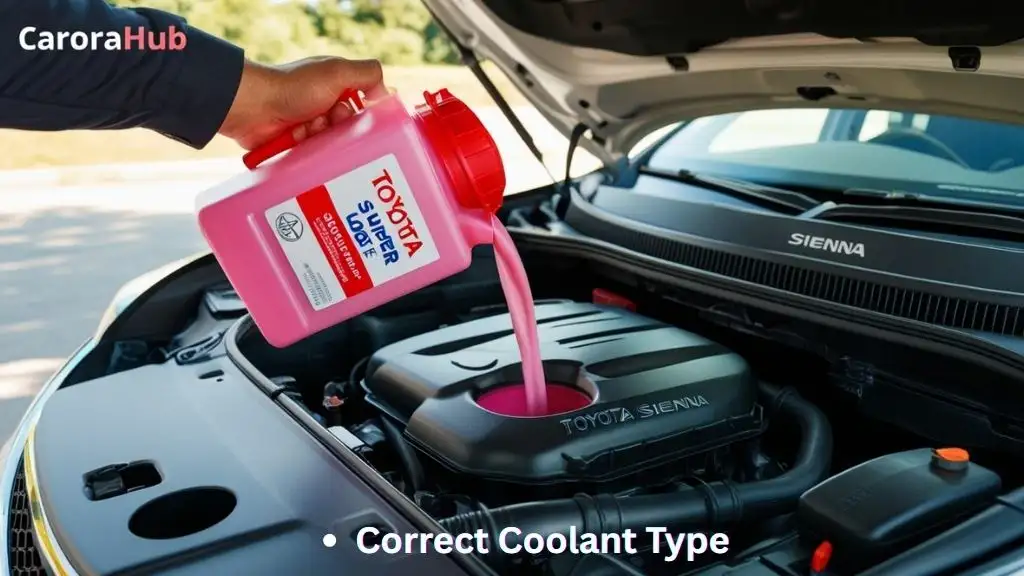
If you own a Toyota Sienna, knowing the right coolant to use is crucial for keeping your engine running smoothly. Using the wrong coolant can lead to overheating, corrosion, and costly repairs.
You might think all coolants are the same, but that’s not true—your Sienna needs a specific type to perform at its best. You’ll discover exactly what type of coolant is best for your Toyota Sienna and why it matters. Keep reading to protect your vehicle and save money in the long run.
Coolant Basics For Toyota Sienna
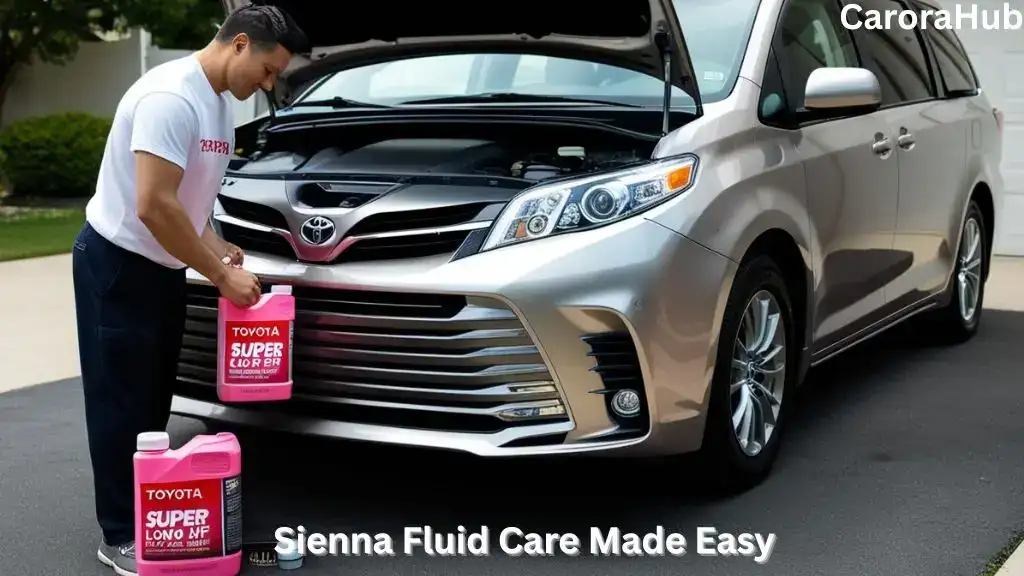
The Toyota Sienna needs the right coolant to run smoothly. Coolant helps keep the engine at a safe temperature. It stops the engine from getting too hot or freezing in cold weather. Knowing the basics about coolant helps keep your Sienna healthy. This section explains what coolant does and the types available for your vehicle.
Role Of Coolant In Engine Health
Coolant moves through the engine to absorb heat. It prevents the engine from overheating and causing damage. Coolant also stops the engine from freezing in winter. It protects metal parts from rust and corrosion. Without good coolant, the engine can fail quickly. The right coolant keeps the engine clean inside. It helps the engine work better and last longer.
Types Of Coolants Available
There are several coolant types for cars. Most Toyota Siennas use a specific kind called long-life coolant. It lasts longer and protects better than regular coolant. This coolant is usually green or pink. Some coolants use organic acids for corrosion protection. Others use inorganic additives to guard metal parts. Always choose the coolant recommended in the owner’s manual. Mixing the wrong coolants can cause engine problems.
Recommended Coolant Types
Choosing the right coolant for your Toyota Sienna is important. The correct type keeps the engine cool and prevents damage. Different coolants work best for different needs. Here are the recommended coolant types for your vehicle.
Toyota Genuine Coolant
Toyota Genuine Coolant is made specifically for Toyota vehicles. It offers excellent protection against corrosion and overheating. This coolant mixes well with water to keep the engine safe. Using this coolant helps maintain your car’s warranty and performance.
Extended Life Coolants
Extended life coolants last longer than regular ones. They reduce the need for frequent changes. These coolants protect the engine for up to 100,000 miles or five years. This saves time and money on maintenance.
Organic Acid Technology (oat) Coolants
OAT coolants use organic acids to prevent corrosion. They are free from silicates and phosphates. OAT coolants work quietly and protect aluminum parts. Many Toyota models, including the Sienna, perform well with OAT coolants.
Read More: How to Check Tire Pressure in Toyota Sienna
Coolant Specifications For Toyota Sienna
The coolant specifications for Toyota Sienna ensure the engine runs smoothly and stays cool. Using the right coolant protects the engine from overheating and corrosion. Understanding these specifications helps maintain your vehicle’s performance and longevity.
Color And Composition
Toyota Sienna uses a pink or red coolant. This color shows it contains long-life additives. The coolant is made from ethylene glycol with special corrosion inhibitors. These protect the engine and cooling system parts from rust and wear.
Mix Ratios And Dilution
The recommended coolant mix is 50% coolant and 50% water. This balance provides good freezing and boiling protection. Using pure coolant or pure water reduces effectiveness. Always use distilled water to avoid mineral buildup in the system.
Temperature And Pressure Ratings
The coolant protects the engine up to 265°F (129°C). It works well under high pressure inside the cooling system. The radiator cap keeps the pressure stable, helping coolant to boil at a higher temperature. This prevents overheating during heavy engine use.
Signs You Need To Change Coolant
Coolant plays a vital role in keeping your Toyota Sienna’s engine safe. Over time, coolant loses its effectiveness. Recognizing the signs to change it can save your engine from damage. Here are clear signals that your coolant needs attention.
Overheating Symptoms
One of the first signs is engine overheating. The temperature gauge may rise above normal. You might see steam coming from under the hood. The engine might feel hot to touch. These signs mean the coolant is not cooling the engine properly.
Coolant Color Changes
Check the coolant color in the reservoir. Fresh coolant is usually bright green, orange, or pink. If the color turns rusty, brown, or cloudy, it is old or contaminated. Dirty coolant can cause corrosion and blockages inside the engine.
Leak Detection Tips
Look under the vehicle for puddles or wet spots. Coolant leaks often appear as bright green, orange, or pink fluid. Check hoses and radiator for cracks or damage. A sweet smell around the engine may also mean a coolant leak. Fix leaks quickly to avoid engine overheating.
How To Change Coolant In Toyota Sienna
Changing the coolant in your Toyota Sienna is important to keep the engine cool and running well. Old coolant can cause engine problems and overheating. Doing the coolant change yourself saves money and helps you understand your vehicle better.
This guide explains the steps clearly. Follow it to do the job safely and correctly.
Tools And Materials Needed
- Toyota-approved coolant (check owner’s manual for type)
- Drain pan to catch old coolant
- Funnel for pouring new coolant
- Socket wrench set
- Gloves to protect your hands
- Rags or towels for spills
- Safety goggles
- Distilled water (if mixing coolant)
Step-by-step Replacement Process
- Make sure the engine is cool before starting.
- Locate the radiator drain plug under the vehicle.
- Place the drain pan under the plug and open it carefully.
- Let the old coolant fully drain out.
- Close the drain plug tightly after draining.
- Open the radiator cap and pour in the new coolant using a funnel.
- If needed, mix the coolant with distilled water as per instructions.
- Fill the coolant reservoir to the marked level.
- Start the engine and let it run for a few minutes.
- Check for leaks and add coolant if the level drops.
- Close the radiator cap securely.
Safety Precautions
- Never open the radiator cap when the engine is hot.
- Wear gloves and goggles to avoid skin and eye contact.
- Dispose of old coolant safely. It is toxic to people and pets.
- Work in a well-ventilated area.
- Keep coolant away from children and animals.

Credit: www.youtube.com
Common Coolant Problems And Solutions
Coolant plays a vital role in keeping your Toyota Sienna’s engine safe. Problems with coolant can cause engine damage and costly repairs. Knowing common coolant issues and their fixes helps maintain your vehicle’s health. Here are some frequent problems and how to solve them.
Contamination Issues
Coolant can get dirty from dirt, oil, or rust inside the engine. Contaminated coolant loses its cooling power and can clog the system. Change the coolant regularly to avoid buildup. Flushing the cooling system removes dirt and old coolant. Use clean, fresh coolant recommended for Toyota Sienna.
Corrosion And Rust Prevention
Corrosion wears down metal parts in the cooling system. Rust blocks coolant flow and causes leaks. Use the right type of coolant with corrosion inhibitors. These chemicals protect metal surfaces inside the engine. Check coolant levels often and top off with the correct mixture. This helps prevent rust and extends engine life.
Mixing Different Coolants
Mixing different coolant types can cause chemical reactions. This leads to gel formation, clogging, and poor cooling. Always use the coolant specified by Toyota for the Sienna. Avoid topping off with unknown or different brand coolants. Stick to one type to keep the cooling system working properly.
Maintenance Tips For Coolant System
Maintaining the coolant system in your Toyota Sienna is vital for its performance and longevity. Coolant keeps the engine from overheating and prevents corrosion inside the cooling system. Regular care ensures smooth running and avoids costly repairs.
Regular Inspection Schedule
Check the coolant level every month. Look for the marks on the reservoir tank. Make sure the coolant color is bright and clear. Dark or rusty coolant means it needs changing. Inspect hoses and clamps for cracks or leaks. Early detection keeps the system healthy and efficient.
Flushing The Cooling System
Flush the cooling system every 30,000 miles or as the manual suggests. Flushing removes old coolant and dirt. Use the correct Toyota-approved coolant for refilling. This process stops buildup that can block the radiator. It helps keep the engine at the right temperature.
Checking For Leaks And Pressure
Look under the vehicle for puddles or wet spots. Pressure test the system to find hidden leaks. Leaks lower coolant levels and cause overheating. Replace worn gaskets and seals promptly. A tight, leak-free system keeps your Sienna running cool.
Frequently Asked Questions
What Type Of Coolant Does Toyota Sienna Use?
Toyota Sienna uses Toyota Super Long Life Coolant. It is a pink, ethylene glycol-based antifreeze. This coolant protects the engine and radiator from corrosion and overheating. Always use the recommended coolant to maintain optimal vehicle performance.
Can I Use Any Coolant In My Toyota Sienna?
No, using any coolant can harm your Toyota Sienna. Always use Toyota Super Long Life Coolant or a compatible, high-quality ethylene glycol-based coolant. This ensures proper engine protection and prevents damage from incompatible chemicals.
How Often Should I Change Coolant In Toyota Sienna?
Change the coolant every 100,000 miles or 10 years, whichever comes first. Regular coolant replacement prevents corrosion and overheating. Always check your owner’s manual for specific maintenance intervals.
What Happens If I Use Wrong Coolant In Toyota Sienna?
Using the wrong coolant can cause engine corrosion, overheating, and damage. It may void your vehicle warranty and lead to costly repairs. Always stick to Toyota-approved coolant types for safe and efficient engine operation.
Bottom Line
Choosing the right coolant helps keep your Toyota Sienna’s engine safe. Use the coolant type Toyota recommends for best results. This prevents engine damage and keeps your car running smoothly. Regular checks and changes of the coolant improve your vehicle’s life.
Don’t mix different coolant types; it can cause problems. Follow simple steps to maintain your Sienna’s cooling system well. Your car will thank you with better performance and fewer repairs. Safe driving starts with good car care.

Hello, I’m Norman. I work as a car researcher. I am the voice behind CaroraHub. I have over 15 years of experience. I give simple and useful car advice. I help with car care, cleaning, and small repairs. My goal is to help you keep your car healthy. I want car care to be easy and cheap for you. You can trust my tips to keep your car working well for a long time.