Your car is more than just a way to get from point A to point B—it’s your personal space. But have you ever stopped to think about how clean and safe your car’s interior really is?
Germs and bacteria can hide in places you don’t even notice, putting your health at risk every time you step inside. So, what is the best disinfectant for your car interior? Choosing the right product can protect you and your loved ones while keeping your car looking fresh.
Keep reading to discover simple, effective ways to sanitize your car and why some disinfectants work better than others. Your health and peace of mind depend on it — and I’ll share what I use and why it works.
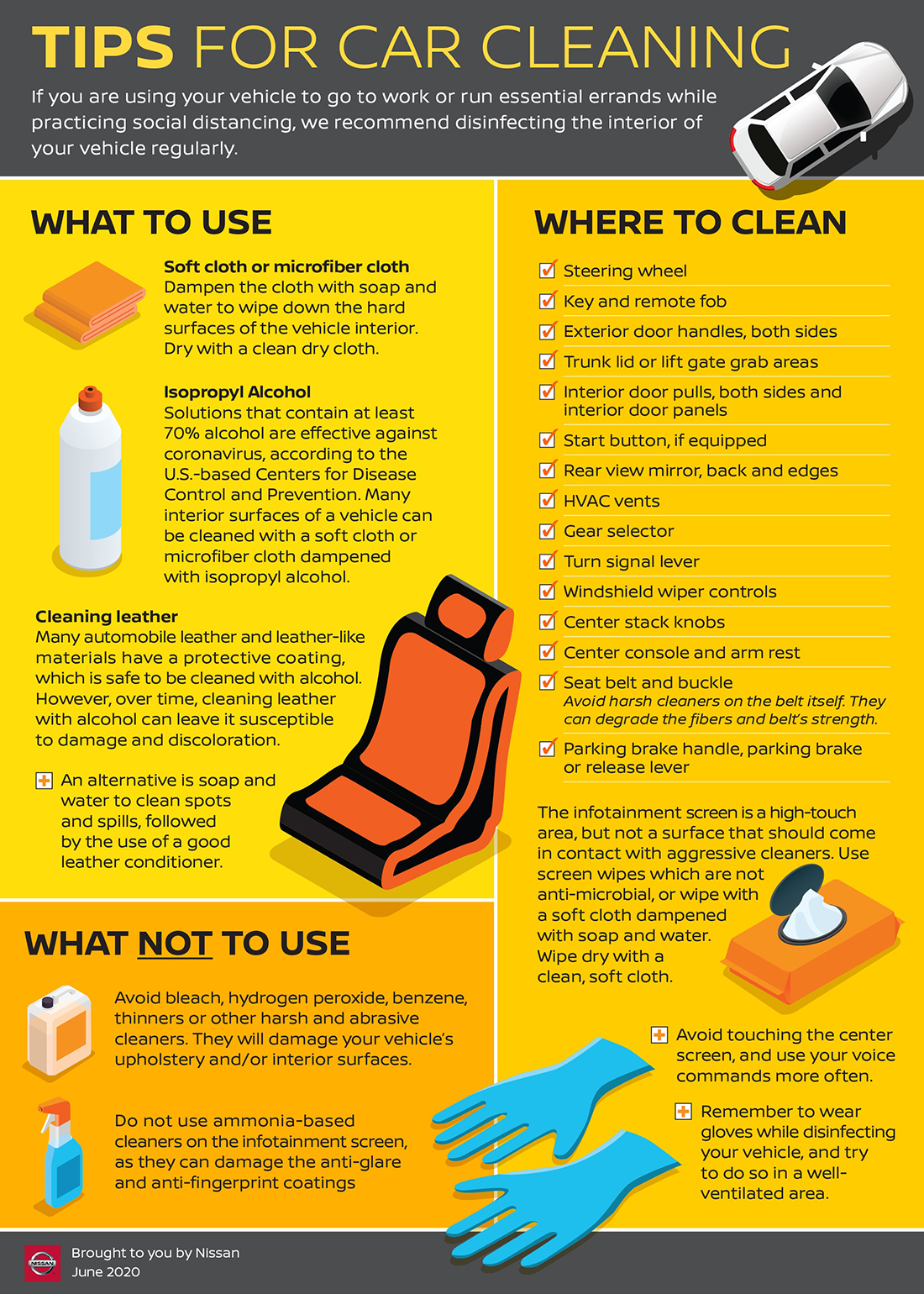
Credit: www.nissan-global.com
Importance Of Disinfecting Car Interiors
Disinfecting car interiors matters. I learned this the hard way after a winter of colds in my household. Cars collect dirt, sweat, food crumbs, and microbes from daily use. These microbes include bacteria, viruses, and mold spores. Simple cleaning removes dirt. But it does not always kill germs. A proper disinfectant reduces microbes and lowers infection risk.
When people ride close together, germs spread fast. Disinfecting helps protect you and passengers. It also prevents odors and keeps surfaces in good shape. Think of disinfection as routine car care — like changing the oil, but for health.
Health Benefits Of Clean Surfaces
Clean surfaces reduce illness. Steering wheels, gear shifts, and door handles are touched often. Germs there can cause colds, flu, and stomach bugs. Disinfecting kills many of these germs quickly. For people with allergies, removing dust mites and mold helps breathing. Clean upholstery lowers skin irritation risk too. Overall, clean interiors mean safer rides for everyone.
Common Germ Hotspots Inside Cars
Some areas hide more germs than others. The steering wheel is a top hotspot. Door handles and seat belt buckles follow close behind. Touch screens, window controls, and gear levers collect fingerprints loaded with microbes. Cup holders and center consoles trap spills and food particles. Vents and seat seams can hold dust and mold. Target these spots when you disinfect.

Credit: www.automoblog.com
Factors To Consider When Choosing Car Disinfectants
Not all disinfectants are equal. Some kill germs but damage materials. Others are gentle but slow. Before you buy, think about four things below. I use these criteria when I choose products for my car.
Material Safety For Car Interiors
Cars have leather, vinyl, cloth, plastic, and painted trim. Harsh chemicals can fade or crack leather. They can lift dyes in fabric. Choose products labeled safe for your material. When unsure, test in a small hidden spot first. Use microfiber cloths to avoid scratches. Gentle cleaners protect the finish and keep surfaces flexible.
Effectiveness Against Germs
The main job is killing germs. Look for products that list bacteria, viruses, and fungi on the label. For viral threats like SARS-CoV-2, disinfectants with proven contact times are best. Alcohol at 70% is reliable. Some EPA-registered disinfectants show lab-tested kill claims. Those give extra confidence.
Ease Of Use And Application
Pick products you will actually use. Wipes are handy for quick touch-ups. Sprays cover larger areas. Quick-dry formulas save time and avoid stickiness. No-rinse products work well around electronics. Simple steps increase the chance you will keep a routine.
Environmental Impact
Keep the planet in mind. Some disinfectants contain harsh solvents that harm water systems. Eco-friendly and biodegradable options reduce that impact. Natural cleaners may be gentler on the environment. Just know some take longer to kill pathogens. Balance efficacy with environmental concerns.
Top Safe Disinfectants For Car Interiors
Below are the disinfectant types I recommend for cars. I explain how they work, where to use them, and precautions. These choices balance safety, ease, and germ-killing power.
Alcohol-based Sprays
Alcohol sprays (70% isopropyl or ethanol) kill many bacteria and viruses fast. They evaporate quickly and leave little residue. I use a light mist on hard plastic, metal trim, and control panels. Avoid heavy sprays on leather and certain plastics. Always wipe surfaces after spraying with a soft microfiber cloth.
Disinfectant Wipes
Wipes are the easiest tool for on-the-go cleaning. They work well for handles, steering wheels, and seat belts. Choose wipes labeled safe for electronics if you touch your infotainment screen. I keep a small pack in the glove box for quick touch-ups. Dispose of used wipes properly and do not flush them.
Natural And Eco-friendly Options
Natural options use vinegar, hydrogen peroxide, or essential oils. They often have fewer harsh additives. Vinegar can clean but is limited as a disinfectant for viruses. Hydrogen peroxide is stronger and effective on many microbes. Test any natural product on a hidden spot first. These choices fit drivers who prefer milder chemistry and lower environmental impact.
Uv Light Sanitizers
UV-C sanitizers use ultraviolet light to inactivate microbes. They don’t wet surfaces. Portable units can reach cup holders and dash crevices. Be careful: direct UV exposure can harm skin and eyes. Use devices as directed and never point them at people. These are a good supplement, not a replacement for physical cleaning.
Recommended Products I Use and Trust
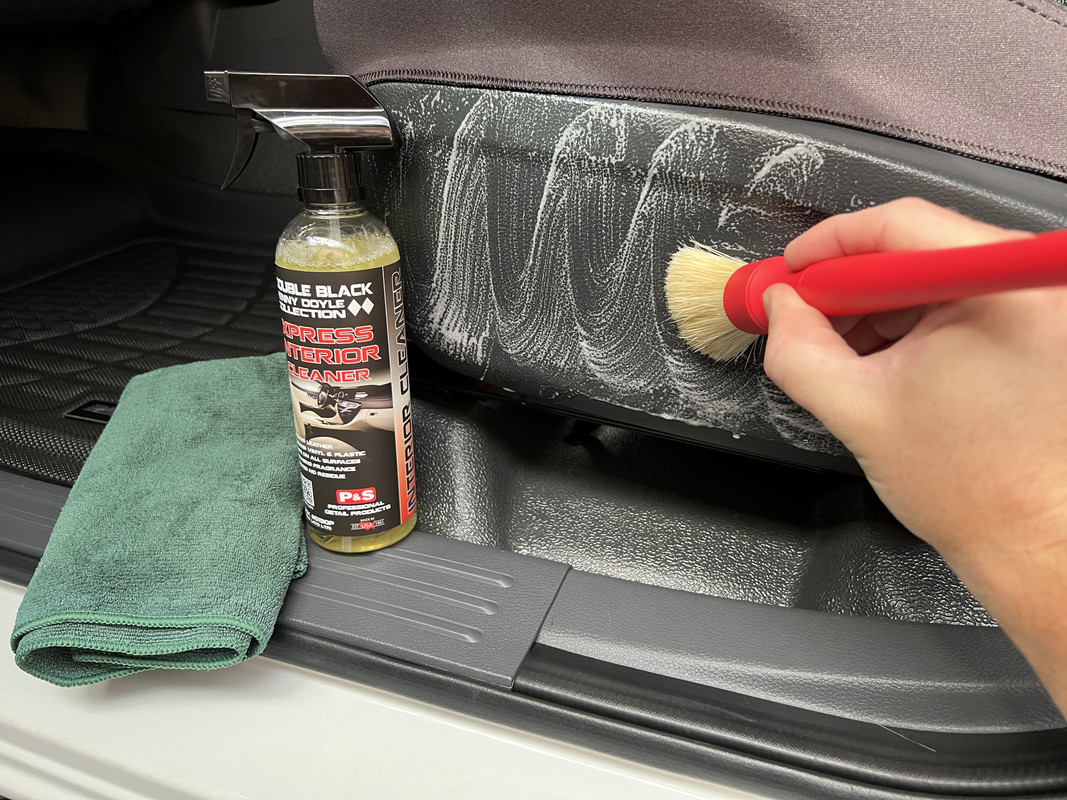
I favor alcohol-based sprays (70% isopropyl) and EPA-registered wipes for regular use. For leather, I use a pH-neutral leather cleaner followed by a leather conditioner. For fabrics, a fabric-safe disinfectant spray applied lightly and allowed to air dry works best. Brands I return to are those with clear ingredient lists and proven efficacy. Always follow label instructions and contact times.
Safe DIY Solutions
If you prefer DIY, mix 70% isopropyl alcohol with distilled water in a spray bottle for hard surfaces. For a gentle cleaner, dilute 1 part white vinegar with 1 part water, but don’t use vinegar on leather or natural stone. Never mix bleach with ammonia or alcohol. Keep DIY solutions in labeled containers and out of reach of children.
Credit: autogeekonline.net
How To Properly Disinfect Car Surfaces
Good technique matters as much as the product. Below is the step-by-step method I follow. It’s simple but thorough. Short tasks make it easier to keep up with routine care.
Step-by-step Cleaning Process
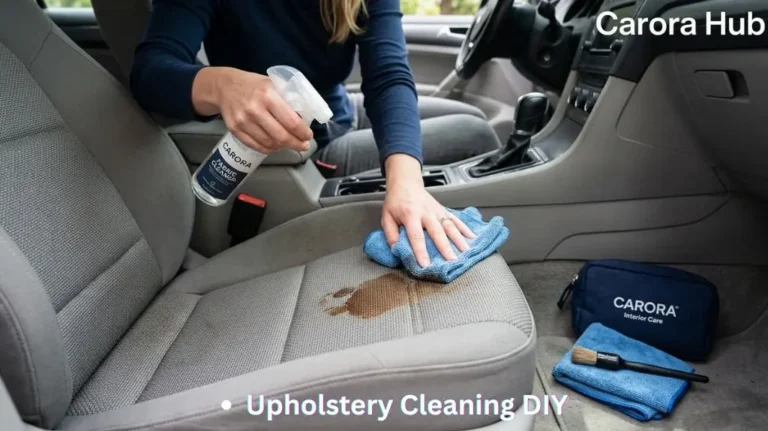
1. Remove trash and clear clutter. This lets you access all surfaces. 2. Vacuum seats, floor mats, and crevices to remove dust and debris. 3. Pre-clean oily or sticky spots with a mild cleaner. 4. Apply a disinfectant suited for the surface. 5. Wipe with a clean microfiber cloth, covering each area fully. 6. Let surfaces air dry for the recommended contact time on the label. Avoid soaking electronics or fabric.
I find doing this routine once a week keeps germs down. After transporting someone ill or after road trips, I disinfect high-touch areas again.
Areas That Need Extra Attention
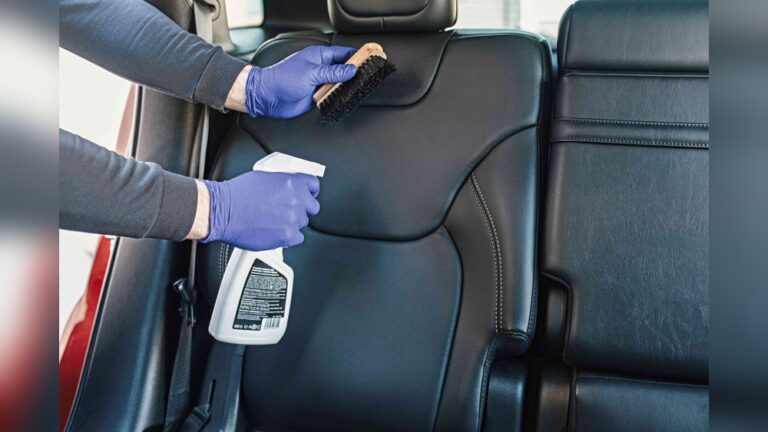
Focus on high-touch spots: steering wheel, door handles, seat belt latches, center console, gear shift, and touch screens. Also clean cup holders, armrests, and HVAC vents. Use a soft brush or compressed air for vents and seams. For electronics, use wipes safe for screens or a slightly damp microfiber cloth.
Frequency Of Disinfection
Disinfect at least once a week for daily drivers. Increase frequency when you carry multiple people, pets, or sick passengers. Quick wipe-downs after each trip can cut down on buildup. The goal is consistent, manageable habits rather than occasional deep cleans.
Safety Precautions When Disinfecting
Wear gloves when using stronger chemicals. Work in a well-ventilated area. Keep products away from children and pets. Read label warnings and follow contact times. Do not mix cleaners. If a product irritates your skin or eyes, stop and rinse with water. For electronics, avoid spraying directly — spray a cloth instead.
Common Mistakes To Avoid
Cleaning your car interior is important for health and comfort. Using the right disinfectant kills germs. Still, people often make mistakes that reduce effectiveness or damage surfaces. Avoid these to keep your car safe and looking good.
Using Harsh Chemicals
Harsh chemicals like concentrated bleach or ammonia can ruin finishes. They can fade leather and strip protective coatings. Avoid them unless a product is specifically labeled safe for your material. Choose gentler, purpose-made car disinfectants instead.
Ignoring Sensitive Materials
Different materials require care. Leather needs conditioning after cleaning. Fabric can shrink or stain if over-wet. Plastic trim can become brittle with wrong cleaners. Read product labels and test a small hidden spot first. This prevents costly damage.
Overusing Disinfectants
Too much product can leave residue and odors. Over-spraying wastes product and may damage surfaces. Use the recommended amount and wipe off excess. Regular, measured use keeps your car fresh without harming materials.
Maintaining A Healthy Car Environment
Small habits keep your car cleaner. They make disinfection easier and more effective. I keep a simple kit in my trunk. It includes wipes, a small spray bottle of 70% isopropyl alcohol, and microfiber cloths. This helps me handle spills and high-touch cleaning quickly.
Regular Cleaning Habits
Wipe high-touch areas often. Vacuum seats and mats weekly. Clean spills immediately. Rotate floor mats and wash seat covers if they are removable. These habits stop grime from building up and make disinfection faster.
Air Quality Tips
Open windows periodically to let fresh air in. Change the cabin air filter per your car’s schedule. Use a small HEPA-style car purifier if allergies are an issue. Avoid smoking in the vehicle. These steps improve air quality and reduce lingering odors.
Protective Accessories
Use washable seat covers and rubber floor mats for easy maintenance. Consider a steering wheel cover to reduce direct contact. Sunshades keep interiors cooler and slow germ growth in hot weather. These items save time and protect your investment.
Frequently Asked Questions
What Disinfectant Is Safest For Car Interiors?
The safest, most effective everyday option is an alcohol-based spray with at least 70% isopropyl alcohol. It kills many bacteria and viruses and dries fast. Avoid bleach or harsh solvents on upholstery and leather. For delicate surfaces, use cleaners labeled safe for electronics or auto interiors.
Can I Use Household Disinfectants In My Car?
Some household products are okay if they do not contain bleach or ammonia. Choose alcohol wipes or sprays that state they are safe for fabrics and electronics. Always test a small area first. Household cleaners meant for countertops may be too harsh for car materials.
How Often Should I Disinfect My Car Interior?
At minimum, disinfect high-touch surfaces once a week. Do it more often when multiple people use the car, or after someone was sick. Small, frequent wipes are better than rare, heavy cleaning sessions.
Are Natural Disinfectants Effective For Car Interiors?
Natural disinfectants like vinegar and some essential oils can clean and reduce odors. But they are not as broadly effective against viruses as 70% alcohol or EPA-registered disinfectants. Use natural options for light cleaning and scent control, and use stronger disinfectants when you need true sanitizing.
Conclusion
Choosing the best disinfectant for your car interior keeps it clean, safe, and pleasant to use. Pick products that kill germs while protecting leather, fabric, plastic, and electronics. I recommend alcohol-based sprays and EPA-registered wipes for daily use, and targeted cleaners for sensitive materials. Always follow label directions and test in a hidden spot if you’re unsure.
A clean car makes drives more comfortable and lowers the chance of illness. With a small kit and steady habits, disinfecting becomes quick and easy. Take these simple steps to protect yourself and your passengers every day.

I am Julian Drive, an automotive enthusiast and repair expert with over 7 years of hands-on experience in vehicle maintenance. At Carora Hub, I simplify complex car issues into easy-to-follow DIY guides to help drivers stay safe and save on repair costs.