
You rely on your Toyota Prius every day, and keeping it running smoothly is important. One small part that plays a big role in your car’s performance is the spark plug.
But how do you know when it’s time to replace your spark plugs? If you ignore this, you might face lower fuel efficiency, rough engine performance, or even costly repairs. You’ll learn exactly when and why you should change your Prius’s spark plugs to keep your car in top shape.
Keep reading to avoid unexpected breakdowns and save money in the long run.
Spark Plug Role In Toyota Prius
The spark plugs in a Toyota Prius play a key role in its hybrid engine. They create the spark needed to ignite the fuel-air mix inside the engine cylinders. This process powers the engine and helps the car run smoothly. Without healthy spark plugs, the engine may struggle to start or run poorly.
Because the Prius uses a hybrid system, its spark plugs must work efficiently to support both the gasoline engine and the electric motor. Keeping spark plugs in good shape helps maintain fuel efficiency and reduces emissions. Knowing how spark plugs work and affect performance can help you decide when to replace them.
How Spark Plugs Work
Spark plugs deliver an electric spark inside the engine. This spark lights the fuel-air mixture in each cylinder. The explosion created pushes the piston down. This movement powers the car’s engine. Spark plugs need to fire at the right moment for smooth engine operation.
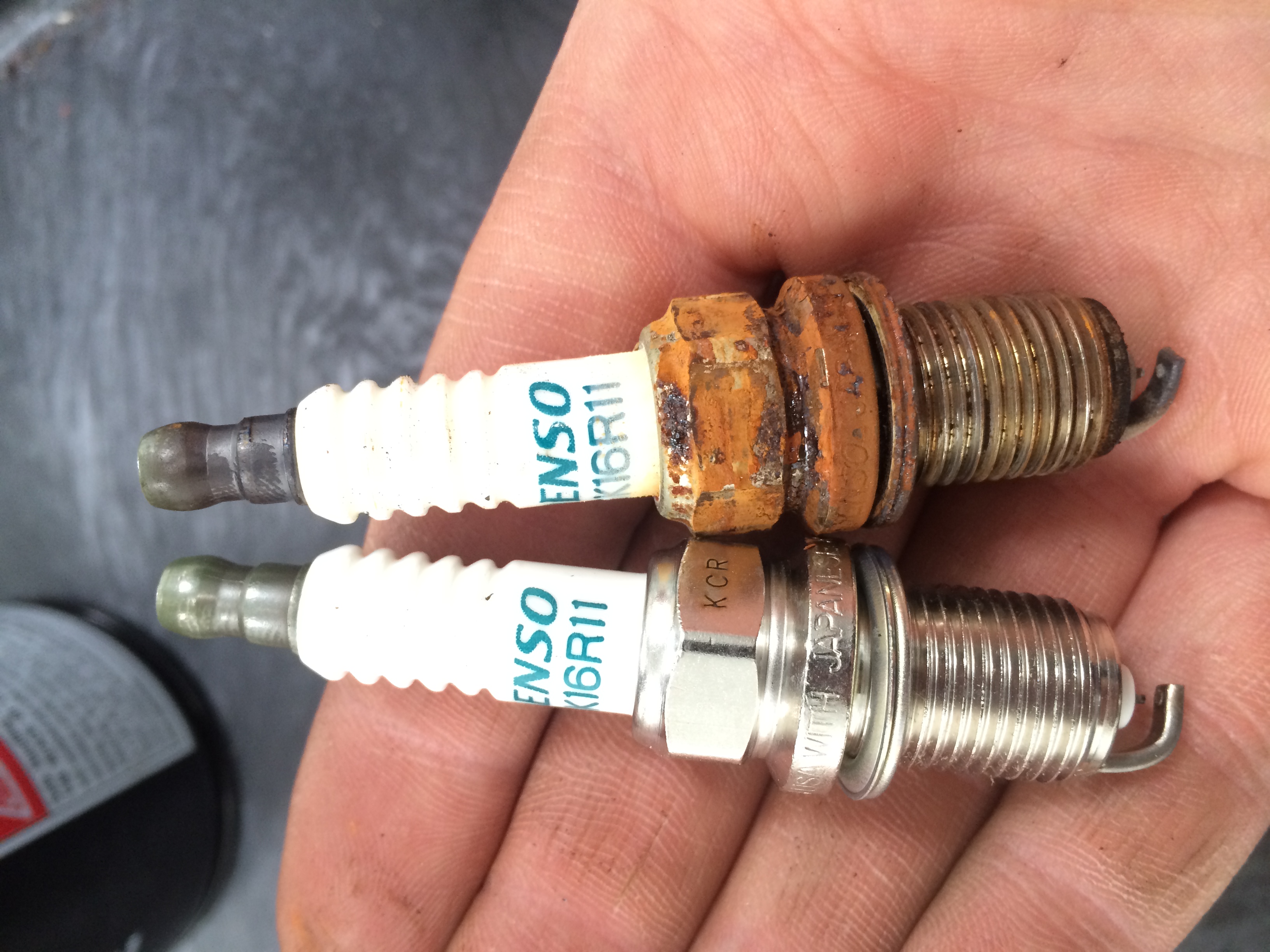
Each spark plug has a small gap where the spark jumps. This gap must be clean and correctly set. Over time, deposits build up, and the spark weakens. Worn spark plugs cause misfires and rough idling.
Impact On Engine Performance
Good spark plugs improve engine start-up and fuel use. They help the Prius run quietly and smoothly. Bad spark plugs cause the engine to hesitate or stall. They can increase fuel consumption and emissions.
Replacing spark plugs on time keeps the engine healthy. It helps maintain the Prius’s hybrid efficiency. Ignoring spark plug wear can lead to costly engine problems later.
Credit: carspecmn.com
Signs Of Worn Spark Plugs
Worn spark plugs can cause many problems in your Toyota Prius. They affect how well your engine runs. Spotting worn spark plugs early helps avoid bigger issues. Here are common signs that your spark plugs need replacement.
Engine Misfires And Rough Idling
Worn spark plugs cause engine misfires. The engine may shake or run unevenly. You might notice rough idling, where the engine sounds shaky or uneven. This happens because the spark plugs fail to ignite fuel properly. Your Prius feels less smooth when driving or stopped.
Reduced Fuel Efficiency
Old spark plugs lower your car’s fuel efficiency. The engine burns more fuel than needed. You will see more trips to the gas station. Your Prius may use more gas even on short drives. This problem wastes money and harms the environment.
Difficulty Starting The Engine
Hard starts can mean bad spark plugs. Your Prius may take longer to start or fail to start. The spark plugs struggle to create the spark needed to ignite fuel. Cold mornings make this issue more obvious. Starting the car becomes frustrating and unreliable.
Toyota Prius Spark Plug Lifespan
The spark plugs in a Toyota Prius play a crucial role in the engine’s performance. They ignite the fuel-air mixture to start the combustion process. Over time, spark plugs wear out and lose efficiency. Knowing their lifespan helps maintain smooth driving and fuel efficiency. Replacing spark plugs at the right time prevents engine misfires and poor mileage.
Recommended Replacement Intervals
Toyota suggests changing Prius spark plugs every 120,000 miles. This interval applies to the latest Prius models with iridium spark plugs. Iridium plugs last longer than traditional ones due to their stronger material. Older Prius models may require replacement every 60,000 to 100,000 miles. Always check the owner’s manual for model-specific advice.
Replacing spark plugs on time keeps the engine running well. It also avoids costly repairs caused by worn-out plugs. Regular checks during car servicing help track spark plug condition.
Factors Affecting Spark Plug Life
Driving habits impact spark plug wear. Short trips and stop-and-go traffic cause faster wear. High engine temperatures also reduce spark plug life. Using low-quality fuel or oil can affect spark plug performance. Dirty or clogged spark plugs lead to rough idling and poor acceleration.
Environmental factors like dust and moisture may damage spark plugs. Proper engine maintenance extends spark plug lifespan. Clean air filters and timely oil changes protect spark plugs. Regular inspection ensures spark plugs work efficiently and last longer.
Choosing The Right Spark Plugs
Choosing the right spark plugs is essential for your Toyota Prius. The correct plugs ensure smooth engine performance and fuel efficiency. Picking the wrong type can cause misfires or reduce gas mileage. Understanding the options helps you make the best choice for your car’s needs.
OEM Vs Aftermarket Options
OEM spark plugs come from Toyota or its approved suppliers. They fit perfectly and meet strict quality standards. These plugs match your Prius’s engine design exactly. Aftermarket spark plugs come from other brands. They may cost less but vary in quality and fit. Some aftermarket plugs offer good performance but check reviews. Using OEM plugs often ensures reliability and consistent results.
Material Types And Their Benefits
Spark plugs use different materials for their electrodes. Copper plugs offer good conductivity but wear out faster. Platinum plugs last longer and work well with modern engines. Iridium plugs provide the best durability and spark performance. They cost more but help improve fuel economy and reduce emissions. Selecting the right material depends on your driving style and budget.
Step-by-step Replacement Process
Replacing spark plugs in your Toyota Prius is a task you can handle at home. The process is straightforward and saves money on mechanic fees. Follow these clear steps to do the job right.
Tools Needed
Gather the right tools before starting. You will need a spark plug socket, ratchet wrench, and an extension bar. A gap gauge helps check the spark plug gap. Also, keep a torque wrench handy to tighten plugs properly. A pair of gloves protects your hands during the work.
Removing Old Spark Plugs
First, open the hood and locate the spark plugs. They sit on top of the engine, under the ignition coils. Remove the coil connectors carefully. Use the ratchet and spark plug socket to unscrew each spark plug. Take out the old plugs gently to avoid damaging the threads.
Installing New Spark Plugs
Check the gap on new spark plugs with the gap gauge. Adjust if needed to match Toyota’s specifications. Insert the new plugs by hand to avoid cross-threading. Tighten them with the torque wrench to the recommended torque. Reconnect the ignition coils and their connectors securely.
Maintenance Tips For Longevity
Maintaining your Toyota Prius spark plugs ensures the engine runs smoothly and lasts longer. Proper care helps avoid costly repairs and improves fuel efficiency. Follow simple tips for spark plug upkeep to extend their life and keep your car reliable.
Regular Inspection
Check spark plugs every 30,000 miles or as advised in the owner’s manual. Look for signs of wear like carbon buildup or damaged electrodes. Clean minor deposits with a soft brush. Replace plugs showing cracks or heavy wear immediately.
Preventive Measures
Use the correct spark plug type recommended by Toyota. Avoid using low-quality fuel that causes deposits on plugs. Keep the ignition system and fuel injectors clean. Address engine misfires or rough idling early to protect spark plugs.

Credit: www.youtube.com
Frequently Asked Questions
When Should I Replace Spark Plugs In A Toyota Prius?
Replace spark plugs every 120,000 miles or as Toyota recommends. Check your owner’s manual for specific intervals. Worn plugs cause poor fuel efficiency and engine misfires. Timely replacement ensures smooth engine performance and longevity.
What Are Signs Of Bad Spark Plugs In A Prius?
Common signs include rough idling, reduced fuel economy, and engine misfires. You may also experience difficulty starting or reduced acceleration. If you notice these, inspect or replace the spark plugs promptly to avoid further damage.
Can I Use Any Spark Plugs For A Toyota Prius?
No, use spark plugs specified by Toyota. Irregular plugs can cause poor engine performance and damage. Refer to your owner’s manual for the correct type, size, and gap specifications. Always choose quality, OEM-recommended spark plugs.
How Do Spark Plugs Affect Prius Fuel Economy?
Worn spark plugs cause incomplete combustion, lowering fuel efficiency. Replacing them restores proper ignition timing and engine power. This improves mileage and reduces emissions. Keeping spark plugs in good condition is key for optimal fuel economy.
Bottom Line
Keeping your Toyota Prius spark plugs in good shape helps the car run well. Replace spark plugs every 30,000 to 60,000 miles for best results. Watch for signs like rough idling or poor fuel economy. Regular checks save money and prevent bigger problems.
Simple care keeps your Prius efficient and smooth. Don’t wait for trouble—change spark plugs on time. Your car will thank you with better performance and fewer visits to the shop. A small step that makes a big difference.

Hello, I’m Norman. I work as a car researcher. I am the voice behind CaroraHub. I have over 15 years of experience. I give simple and useful car advice. I help with car care, cleaning, and small repairs. My goal is to help you keep your car healthy. I want car care to be easy and cheap for you. You can trust my tips to keep your car working well for a long time.