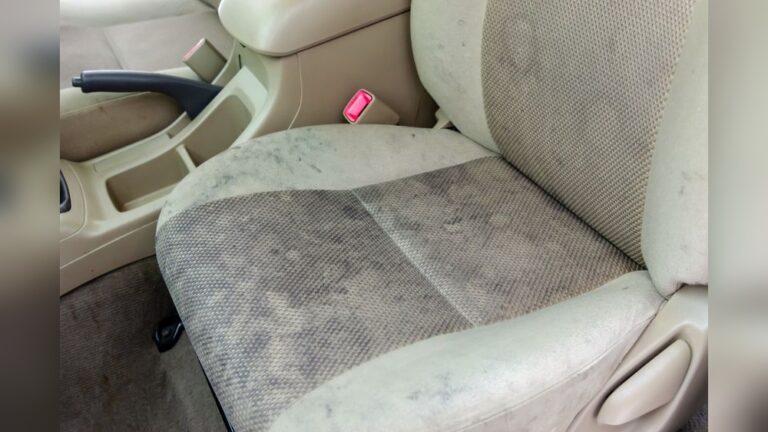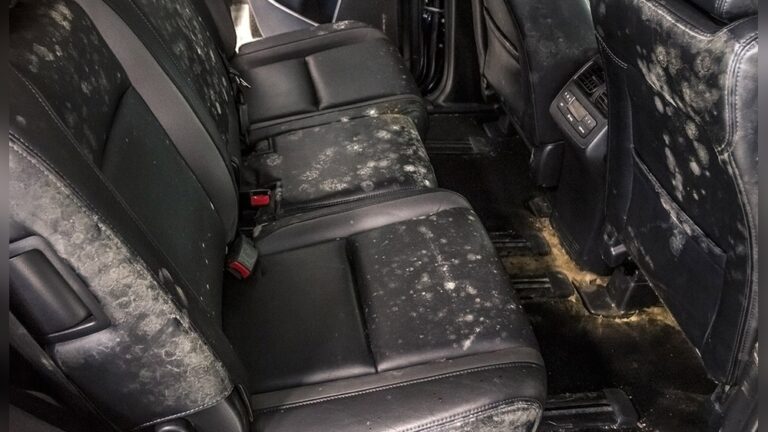
Your leather car seats add a touch of luxury and comfort to every drive. But over time, dirt, sweat, and spills can build up, making them look dull and worn.
I’ve cared for many leather interiors, and one thing I’ve learned is this: clean them the right way and they stay soft and rich. Clean them the wrong way and you can cause fading, stiffness, or cracks that kill that smooth feel. In this guide I’ll walk you through simple, proven steps to clean leather car seats safely. I’ll share what products to use, what to avoid, and practical tips I use myself to keep seats looking fresh for years.
Keep reading to learn easy, effective habits that protect your investment and deliver a spotless, comfy ride every day.
Choosing The Right Cleaning Products
Picking the right cleaner matters. Leather is a living material. It needs cleaners that remove dirt but keep natural oils and dyes intact. Use products that say “leather-safe,” “pH-balanced,” or are made specifically for car seats. These help avoid cracks and fading.
Leather-safe Cleaners
I always reach for a pH-balanced leather cleaner made for automotive interiors. These cleaners lift grime without stripping oils. Labels that read “for leather seats” or “safe for aniline and pigmented leather” are good signs. Popular, trusted brands often state the product is safe for car leather on the bottle. When in doubt, test first (see testing section).
Avoiding Harsh Chemicals
Stay away from bleach, ammonia, rubbing alcohol, and household degreasers. These are too strong. They remove dye and natural oils and can leave leather dry, brittle, and prone to cracking. Also avoid products with heavy fragrances or dyes that can stain. If a cleaner smells very strong, it’s safer to skip it.
Natural Cleaning Alternatives
When I want a gentle, budget-friendly option, I mix equal parts water and white vinegar for a light cleaner. It works well on surface dirt and is safe when used lightly. Use a soft cloth dampened (not soaked) with the mix. For conditioning, natural oils like olive or coconut can help in tiny amounts, but they can leave a greasy film if overused. Leather conditioners made for cars are usually a better, more consistent choice.
Identify Your Leather Type
Not all leather is the same. Car seats may be aniline, semi-aniline, pigmented (protected), corrected-grain, or even synthetic leather (vinyl/PU). Knowing the type helps you pick the right cleaner and conditioner. Aniline leather is softer and more absorbent, so it needs gentler care. Pigmented or protected leather tolerates regular cleaners better. If your manual names the leather type, follow the maker’s care advice.
Tools You’ll Need (Quick Checklist)
- Vacuum with soft brush attachment
- Microfiber cloths (several clean ones)
- Soft-bristled brush (gentle, for seams)
- pH-balanced leather cleaner
- Leather conditioner with UV protection
- A small spray bottle (for diluted solutions)
Having these ready makes cleaning faster and reduces the risk of mistakes.

Credit: beta.walmart.com
Preparing Your Car Seats For Cleaning
Good preparation makes the rest easy and safe. Before any cleaner touches the leather, remove loose dirt and check the surface for sensitive spots. I spend a few minutes on prep and avoid bigger problems later.
Removing Dust And Debris
Start by vacuuming with a soft brush attachment. Work seams, creases, and around buttons to pull out crumbs and grit. Grit left on the seat will scratch the surface if you rub it. If you don’t have a vacuum, a soft brush and a gentle sweep with a microfiber cloth will do.
Testing Cleaners On A Small Area
Always test any cleaner on a hidden spot—like the back of the seat or under the headrest. Apply a small amount, wait five to ten minutes, then check for color change, fading, or surface change. If the leather darkens, bleeds, or looks dull, don’t use that product.
Step-by-step Cleaning Process
Cleaning leather car seats is straightforward when you follow measured steps. I break the job into small areas and stay gentle. That protects dye, texture, and natural oils.
Applying Cleaner Correctly
Put a small amount of leather cleaner on a soft microfiber cloth—not directly on the seat. Work in 1–2 foot sections using light, circular motions. Keep the cloth damp, not wet. Rinse and fold the cloth often, so you’re not re-depositing dirt. If a spot is sticky or stained, let the cleaner sit briefly, then gently lift it with the cloth.
Using Soft Cloths And Brushes
Microfiber cloths are my go-to because they pick up dirt and are gentle. For seams and textured areas, use a soft-bristled brush in the same direction as the grain. Never scrub hard. If dirt persists, repeat the gentle process rather than increasing pressure.
Wiping And Drying Techniques
After cleaning each section, wipe with a clean, dry microfiber cloth to remove residue and moisture. Let the leather air dry naturally in shade. Avoid direct sun, hot vents, or hair dryers; heat dries leather and can cause cracks. Once dry, inspect the seat and repeat if needed for stubborn spots.
Dealing with Tough Stains
For ink, dye transfer, or grease, use a product designed for those stains. I gently blot first—don’t rub. For dye transfer (from dark jeans), you may need a specialty leather cleaner or professional help. Always test first and consider consulting a pro for high-value or vintage interiors.
Protecting Leather After Cleaning
Cleaning is only half the job. Conditioning and protection keep leather supple and resist future damage. I follow cleaning with conditioning every few months, and I protect seats from sun and wear.
Choose products and methods that preserve natural leather oils and block UV stress. This keeps color, texture, and flexibility intact.
Leather Conditioning Tips
Pick a conditioner made for car leather one without heavy silicones or petroleum. Apply a small amount to a clean cloth and rub in circular motions. Let it sit to absorb, then buff off any excess. Conditioning replenishes oils and adds a subtle layer of protection. I apply conditioner lightly—too much can feel sticky or attract dirt.
Frequency Of Conditioning
Condition leather seats every three to six months. In dry, sunny climates, I condition every three months. In mild climates, six months works. Look and feel: if seats feel dry or stiff, condition sooner. Regular care prevents cracks and keeps leather flexible.
Preventing Future Damage
Small habits make a big difference. Use sunshades on hot days to cut UV exposure. Wipe spills right away—blot liquids with a soft cloth, don’t rub. Keep sharp objects away, and consider seat covers if you often carry pets or heavy loads. These steps reduce wear and keep leather looking newer longer.
UV Protectants and Seat Covers
Some conditioners include UV inhibitors—those help prevent fading. For long parking periods in sun, a breathable seat cover or full windshield sunshade protects both leather and dashboard. Breathable covers prevent trapping moisture, which can also harm leather.
Common Mistakes To Avoid
I’ve seen all these mistakes. Avoid them and your leather will thank you.
Over-wetting The Leather
Leather dislikes excess water. Saturating seats can push cleaners into the padding and strip oils. Use a damp cloth, not a soaking one. Wring cloths well and work in small sections.
Using Abrasive Tools
Wire brushes, rough scrubbing pads, or coarse towels will scratch leather. Use only soft microfibers and gentle brushes. If you’re unsure, test on a hidden area first.
Skipping Regular Maintenance
Leather needs ongoing care. Skip it long enough and cracks start. A short, monthly wipe and a conditioning schedule keep cracks and fading away. I clean lightly more often and do a deeper conditioning routine every 3–6 months.

Credit: www.chemicalguys.com
Maintaining Leather Seats Long-term
Leather adds style and comfort, and simple habits keep it that way. A steady routine prevents cracks and keeps seats soft and smooth for years. Below are practical steps I follow and recommend.
Regular Cleaning Schedule
Wipe your seats monthly with a dry or slightly damp microfiber cloth. Deep clean with a leather cleaner every 3–6 months depending on use and climate. Frequent light care prevents heavy dirt build-up and reduces the need for aggressive cleaning.
Protecting From Sun Damage
Sun fades and dries leather. Park in shade when possible. Use sunshades or window tints to reduce UV exposure. Apply a conditioner with UV protection a few times a year to maintain flexibility and color.
Handling Spills And Stains Quickly
When spills happen, act fast. Blot liquids with a clean cloth. For solids, lift gently with a spoon or soft brush. Use a leather cleaner if staining persists. Quick, calm action reduces long-term damage and staining.

Credit: www.amazon.com
FAQs Of Clean Leather Car Seats Without Cracking
How Do I Clean Leather Car Seats Without Damage?
Use a gentle leather cleaner and soft microfiber cloths. Work in small sections, avoid strong chemicals and excessive water, and dry each area after cleaning. Test products on a hidden area first.
What Products Are Best For Cleaning Leather Seats?
Choose pH-balanced leather cleaners and purpose-made conditioners. Avoid bleach, ammonia, strong detergents, and household cleaners. Refer to the manufacturer’s recommendations and test on a hidden spot.
How Often Should I Clean Leather Car Seats?
Light cleaning monthly and deep cleaning plus conditioning every 3–6 months is a reliable routine. Adjust frequency for heavy use, pets, or very dry climates.
Can I Use Household Cleaners On Leather Seats?
No. Household cleaners often have harsh chemicals that dry and damage leather. Stick to products made for leather care or gentle home mixtures like diluted white vinegar for light cleaning. Always test first.
When to Call a Professional
If leather has deep cracks, heavy dye transfer, or structural damage, a professional detailer or upholstery repair specialist can assess and restore seats. I call a pro when stain removal risks losing dye or when repairs require color-matching and filler materials.
Conclusion on How to Clean Leather Car Seats Without Cracking
Caring for leather car seats is mostly about gentle, regular habits. Use leather-safe cleaners, soft cloths, and a proper conditioner. Clean small sections, dry thoroughly, and protect seats from sun and sharp objects. These steps keep leather supple and prevent cracking over the long term.
With a little routine care and the right products, your leather seats will look better longer. I follow these steps on my own cars and have seen how small habits create lasting results. Keep your leather fresh, soft, and crack-free one simple session at a time.

I am Julian Drive, an automotive enthusiast and repair expert with over 7 years of hands-on experience in vehicle maintenance. At Carora Hub, I simplify complex car issues into easy-to-follow DIY guides to help drivers stay safe and save on repair costs.