Your car’s leather seats are more than just a place to sit they add style, comfort, and value to your ride. But how often should you clean leather car seats to keep them looking fresh and lasting longer?
If you’re like me, you may not notice slow damage until cracks, stains, or fading appear. I’ve learned that a simple routine prevents most of that. This article shares clear, practical steps and a timing plan you can follow. Read on to find a cleaning routine that fits your life and keeps your leather looking like new.
Frequency Of Cleaning Leather Seats
Leather car seats need regular care. Dirt, body oils, sweat, and food crumbs build up. Over time they dry the leather and cause cracks or fading. A good schedule keeps seats soft and attractive.
How often you clean depends on use and the local climate. I break it into three easy layers: daily, weekly, and monthly. Daily care stops grit and sweat from settling. Weekly cleaning removes light stains and dust. Monthly deep cleaning removes grime and restores moisture.
Daily Care Tips
I wipe the seats with a soft microfiber cloth every day. Use a dry cloth or one slightly dampened with water. This removes dust and surface oils. Avoid household cleaners or alcohol wipes. If there’s a spill, I blot it right away to stop stains.
Weekly Cleaning Routine
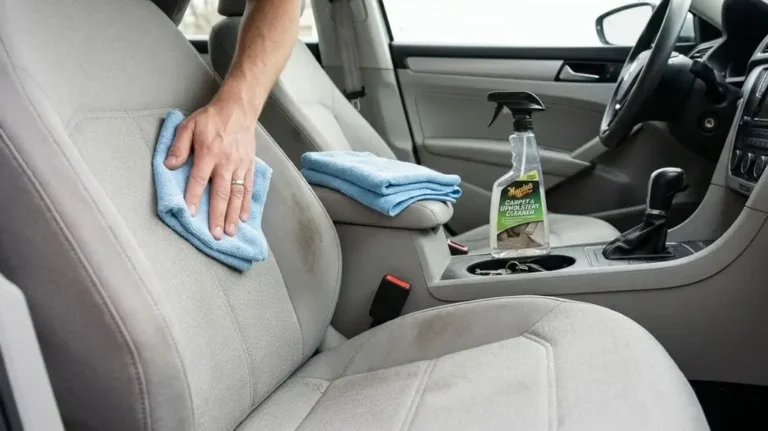
Each week I vacuum seats with a soft brush attachment to pull crumbs from seams. Then I use a mild leather cleaner or a pH-balanced cleaner for a gentle wipe. Always test the cleaner on a hidden spot first. Don’t soak the leather. Finish by drying with a clean cloth to avoid water marks.
Monthly Deep Cleaning
Once a month I do a full clean with a specialized leather cleaner. After cleaning I apply a leather conditioner. This restores oils and keeps the leather soft. Follow the product directions and use sparing amounts. Deep cleaning helps prevent cracks and keeps color bright over time.

Credit: shinesupply.com
Factors Affecting Cleaning Frequency
Cleaning leather seats is not one-size-fits-all. Several things change how often you should clean them. Know these factors and you can set the right schedule for your car.
Climate And Weather Conditions
Heat and dry air pull moisture from leather fast. This speeds cracking. Humid climates trap more dirt and moisture. Winter roads bring salt and grit that need more cleaning. If you live in extremes, increase cleaning and conditioning.
Usage And Occupancy Levels
More passengers mean more oils and spills. Families with kids or pets will need to clean more often. If you use the car daily, aim for monthly deep care. Low-use cars can stick to a three-month cycle.
Type And Quality Of Leather
Not all leather reacts the same. Full-grain and top-grain leathers hold up better and need gentler care. Lower-grade or bonded leathers may show dirt faster and can dry out. Some factory-treated leathers resist stains. Check your owner manual or ask the dealer to know your leather type.
Choosing The Right Cleaning Products
Choosing the right cleaning products for leather car seats matters. The wrong product can strip oils and dry the leather. The right one cleans and protects. I prefer cleaners made for leather and pH-balanced formulas.
Good product choice saves time and protects your interior. Read labels. Look for gentle ingredients and clear use instructions.
Leather Cleaners Vs. Household Products
Leather cleaners are made for leather. They remove dirt without stripping natural oils. Many household products are too harsh. Soaps, detergents, and general cleaners can fade or dry the leather. Use leather-specific products for best results.
Avoiding Harmful Chemicals
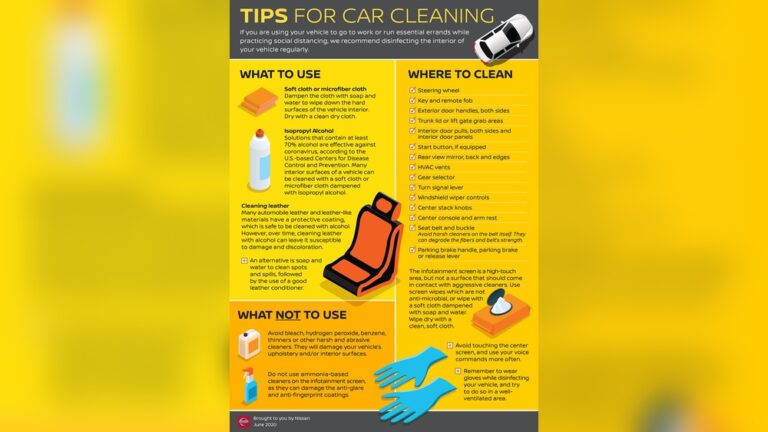
Avoid products with alcohol, ammonia, bleach, or strong solvents. These dry and weaken leather. Pick cleaners labeled pH-balanced and safe for leather. They clean grime and keep the finish intact.
Recommended Brands And Ingredients
Top brands make reliable leather cleaners and conditioners. Look for clear ingredient lists and good reviews. Ingredients like lanolin, natural oils, and aloe vera help condition leather. Always test any product in a hidden spot first to check for color change or finish dulling.
How I Test a New Cleaner (Simple Spot Test)
I clean a small, hidden area. I wait 24 hours to watch for color change or finish issues. If it looks unchanged, I use it on the full seat. This quick test prevents bad results.
Step-by-step Cleaning Process
Cleaning leather well removes dirt and oils that harm it. I follow a clear step-by-step process. It is safe, simple, and effective. Use this routine to protect your seats.
Preparing The Car Interior
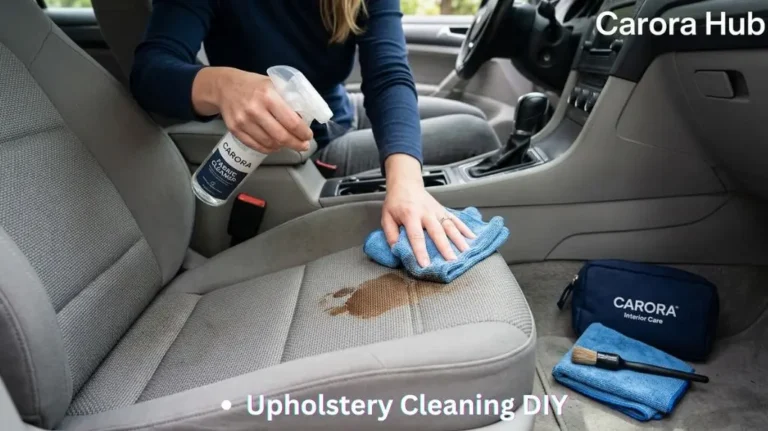
Start by removing items from seats and floor. Vacuum with a soft brush attachment. Get into seams and crevices. Wipe seats with a dry microfiber cloth to lift loose dust. Don’t use harsh cleaners or too much water at this stage.
Cleaning Techniques For Different Leather Types
Know your leather type before cleaning. For smooth leather, mix a mild soap with water or use a leather cleaner and a soft cloth. Work in small sections and wipe gently. For suede or nubuck, don’t use water. Use a suede brush or special suede cleaner. Always test cleaners in a hidden area first.
Drying And Conditioning
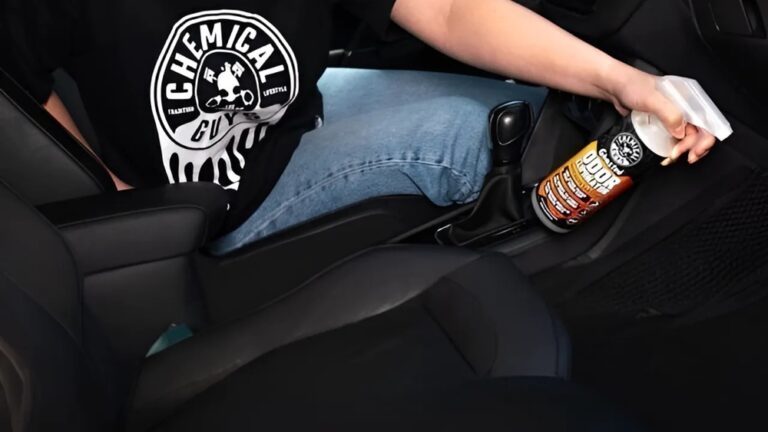
After cleaning, dry seats with a clean cloth. Let them air dry completely. Avoid direct sun or heat. Apply leather conditioner to add moisture. Use a small amount and rub it in with a soft cloth. Let it absorb before you use the car.
Quick Stain Guide — What I Do
- Food and drink: Blot with a soft cloth. Use a leather cleaner if needed. Don’t rub hard.
- Ink: Use a commercial leather ink remover or seek pro help. Test first.
- Oil or grease: Sprinkle cornstarch or talc to draw oil out. Brush gently, then clean with a leather cleaner.
- Pet messes: Remove solids, blot liquids, then clean and condition the area.
Tools and Supplies I Recommend
- Soft microfiber cloths
- Soft brush (for seams)
- Vacuum with a brush nozzle
- pH-balanced leather cleaner
- Quality leather conditioner (lanolin or natural oils)
- Suede brush for nubuck or suede
Preventive Measures To Protect Leather
Small steps prevent big damage. I use a few easy measures to protect leather seats every day. These steps keep the leather soft, clean, and bright.
Using Seat Covers And Protectants
Seat covers shield leather from spills and scratches. Choose covers made for leather seats to avoid trapping moisture. Leather protectants create a thin barrier against stains. Reapply protectant every few months.
Avoiding Direct Sunlight Damage
UV rays dry and fade leather. Park in the shade or use sunshades. Window tint cuts UV exposure. I avoid leaving windows open on hot, sunny days to reduce sun damage.
Regular Maintenance Tips
Wipe spills quickly. Clean gently with mild soap or a leather cleaner. Condition every three to six months. These habits extend the life of your seats and keep them comfortable.

Credit: www.thespruce.com
Common Mistakes To Avoid
Many people try to help their leather but make mistakes that harm it. I list the top errors and how to avoid them.
Over-cleaning And Under-cleaning
Clean too often and you strip oils. Don’t clean enough and dirt builds up. Find balance. Clean every one to three months depending on use. Spot-clean spills immediately.
Using Abrasive Tools
Abrasive brushes and rough cloths scratch leather. Use soft microfiber cloths and gentle brushes. Scrubbing roughens the finish and speeds wear.
Ignoring Spills And Stains
Spills can set and stain. Blot fast with a soft cloth. Use the right cleaner for the spill type. Prompt care saves you time and money later.
Signs Your Leather Needs Professional Care
Leather car seats look great when cared for properly. But sometimes they need a pro. Here are signs I watch for that mean it’s time to call an expert.
Visible Cracks And Fading
Cracks show the leather is dry. Fading means color loss. Small cracks can grow fast. A pro can repair and recolor the leather and slow further damage.
Persistent Odors
Lingering smells from sweat, food, or moisture may not go away with home cleaning. Professionals use deep-clean methods that remove odors trapped in padding or seams.
Loss Of Softness And Flexibility
When leather gets stiff or brittle, it needs expert treatment. Pros use restorers and conditioners that reach deeper than consumer products. That helps restore feel and reduce tear risk.

Credit: dura-coating.com
FAQs On How Often Should You Clean Leather Car Seats
How Often Should You Clean Leather Car Seats?
I recommend cleaning leather car seats every 3 months. This prevents dirt build-up and keeps natural oils in the leather. If the car is used heavily, clean monthly. Light weekly care helps too.
What Products Are Best For Cleaning Leather Car Seats?
Use pH-balanced leather cleaners or mild soap solutions. Avoid harsh chemicals and abrasive tools. Test any product on a hidden spot first to prevent color changes or damage.
How Do I Condition Leather Car Seats Properly?
Condition leather after cleaning, about every 3 to 6 months. Apply a small amount of conditioner with a soft cloth. Rub it in and let it absorb. Wipe away any excess to avoid sticky residue.
Can I Clean Leather Seats With Household Products?
Household products like vinegar or baking soda can harm leather. They may change color or dry the material. Stick to cleaners made for leather to keep your seats looking and feeling their best.
Conclusion About How Often Should I Clean Leather Car Seats
Cleaning leather car seats on a regular schedule keeps them fresh and soft. Aim to clean every one to three months. Do light cleaning monthly for active cars. Condition every three to six months to restore oils and prevent cracks.
Use gentle, leather-specific products and soft tools. Quick spot-cleaning after spills saves a lot of work later. I follow these simple steps and my seats last longer and look better. Start a routine now and protect your car’s interior for years to come.

I am Julian Drive, an automotive enthusiast and repair expert with over 7 years of hands-on experience in vehicle maintenance. At Carora Hub, I simplify complex car issues into easy-to-follow DIY guides to help drivers stay safe and save on repair costs.