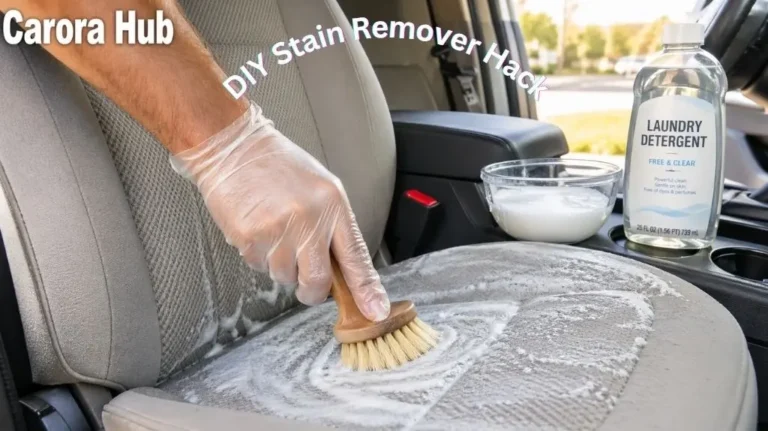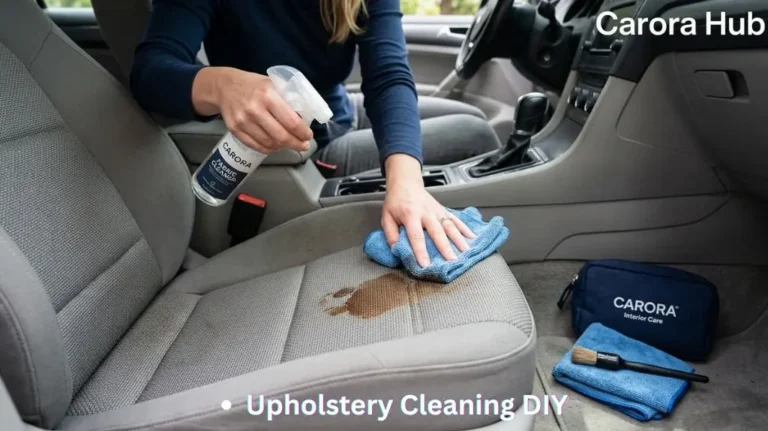
Ink stains on car seats can spread quickly, especially when they are rubbed with a wet cloth. The safest removal method depends on whether the seat is cloth, leather, vinyl, or a synthetic suede material. Start with a small test area, use as little liquid as possible, and work from the outside of the stain toward the center.
This guide explains how to remove ink stains from car seats without unnecessarily damaging the upholstery, color, or protective finish.
To remove ink stains from car seats, first blot away fresh ink, test a small hidden area, and gently dab the stain with an upholstery-safe cleaner. For cloth seats, a small amount of 70% isopropyl alcohol may help. Leather and vinyl require more caution because alcohol and strong solvents can damage the finish.
Identify the Car Seat Material First
Before applying any cleaner, determine what the seat is made from. A treatment that works on cloth may discolor leather or dry out vinyl.
Cloth and Fabric Seats
Fabric upholstery is generally the most forgiving, but it can absorb ink beneath the surface. Avoid scrubbing, which can spread the stain and push it deeper into the cushion.
Leather Seats
Leather usually has a protective coating, but harsh cleaners can dull, dry, or strip that finish. Use a leather-safe cleaner first, especially on colored or perforated leather.
Vinyl Seats
Vinyl is less absorbent than cloth but may still stain. Mild soap and water are often a good starting point. Solvents should be used sparingly and only after a spot test.
Synthetic Suede and Alcantara-Type Materials
These materials can react badly to excess moisture, alcohol, or aggressive brushing. Check the owner’s manual or upholstery-care instructions before treating the stain. Professional cleaning may be the safest option.
What You’ll Need
Gather the following supplies before you begin:
- Clean white microfiber cloths
- Mild dish soap or upholstery cleaner
- Distilled water
- A soft-bristled brush
- Cotton swabs
- 70% isopropyl alcohol for compatible fabric seats
- Leather cleaner and conditioner for leather upholstery
- A vacuum cleaner
- Paper towels for fresh spills
White cloths are preferable because they make it easier to see whether ink is transferring. Colored towels may release dye onto light-colored upholstery.
How to Remove Ink Stains from Car Seats
1. Blot Fresh Ink Immediately
If the ink is still wet, place a clean paper towel or white cloth over the spot and press lightly. Lift the cloth straight up instead of wiping across the stain.
Continue with clean sections of the towel until no more wet ink transfers. Do not soak the seat or press hard enough to drive ink into the padding.
2. Vacuum Loose Dirt
For a dry stain, vacuum the area first. Dirt and grit can act like sandpaper when you clean the upholstery, increasing the risk of discoloration or surface damage.
Use a soft brush attachment around seams and stitching, but avoid aggressively brushing the stained area.
3. Test the Cleaner in a Hidden Spot
Apply a small amount of your chosen cleaner to an inconspicuous area, such as beneath the seat or along a hidden edge. Wait several minutes, then check for:
- Color transfer
– Fading - Sticky residue
- Rough or dry texture
- Changes in the material’s sheen
If the test area changes, do not use that product on the visible stain.
4. Treat Cloth Seats with Small Amounts of Alcohol
For many fabric seats, 70% isopropyl alcohol can loosen ink. Apply a small amount to a cotton swab or white cloth rather than pouring it directly onto the seat.
Dab the stain gently from the outside edge toward the middle. As ink transfers to the cloth, switch to a clean section. This prevents the ink from being spread back over the upholstery.
Work in short sessions. If the fabric begins to lighten, feel stiff, or look damaged, stop immediately.
5. Clean the Area with Mild Soap
After treating the ink, mix a small amount of mild dish soap with water. Dampen a clean cloth—do not saturate it—and blot the treated area to remove cleaner and loosened ink.
Follow with another cloth lightly dampened with plain water. This helps remove soap residue, which can attract dirt if left behind.
6. Treat Leather and Vinyl More Carefully
For leather, begin with a cleaner specifically labeled for automotive leather. Apply it to a cloth, not directly to the seat, and gently work around the stain.
Avoid using alcohol, acetone, nail-polish remover, or strong household solvents on leather unless the upholstery manufacturer specifically approves them. These products may remove the ink but also damage the protective coating or dye.
For vinyl, try mild soap and water first. If the stain remains, use a vinyl-safe cleaner and follow the product directions. Once leather has dried, apply an appropriate conditioner if recommended for that type of upholstery.
7. Dry the Seat Completely
Press a dry towel against the area to absorb remaining moisture. Leave the vehicle in a well-ventilated place with the doors or windows open when conditions allow.
Do not use a high-heat hair dryer. Excessive heat can affect adhesives, coatings, leather finishes, and some synthetic materials.
8. Inspect the Result Before Repeating
Once the area is completely dry, check the stain in natural light. Some ink marks become less visible after the first treatment, while others require another careful application.
Repeat only if the upholstery still looks healthy. Several gentle treatments are safer than one aggressive attempt.

Common Mistakes That Make Ink Stains Worse
Scrubbing the Stain
Scrubbing can spread the ink and roughen fabric fibers. Blotting and dabbing provide better control.
Pouring Cleaner Directly onto the Seat
Excess liquid can soak into the foam, leave a water ring, or reach wiring and seat components. Always apply cleaner to a cloth when possible.
Using Acetone or Nail-Polish Remover
Acetone may dissolve some inks, but it can also remove upholstery dye, damage vinyl, and strip leather finishes. It is not a safe general-purpose solution for car seats.
Mixing Cleaning Chemicals
Do not combine alcohol, bleach, ammonia, peroxide, or other household cleaners. Mixing products can create harmful fumes or cause unexpected upholstery damage.
Ignoring the Owner’s Manual
Some vehicles use specialty upholstery, coated leather, perforated seats, or integrated heating and ventilation systems. Check the owner’s manual for material-specific cleaning instructions before using a solvent.
When to Call a Professional
Professional cleaning is a sensible choice when:
- The ink has soaked deeply into the seat cushion
- The stain covers a large area
- The seat is light-colored or expensive to replace
- The upholstery is perforated leather
- The material is suede, Alcantara-type fabric, or another specialty finish
- A previous cleaner has already caused discoloration
- The seat contains integrated heating, cooling, or electrical components
A professional detailer may be able to reduce the stain without creating a larger discolored patch. If the ink has permanently affected the dye or coating, replacement of the seat cover may be the only complete solution.
FAQs About How To Remove Ink Stains From Car Seats
Can rubbing alcohol remove ink from a car seat?
Rubbing alcohol can loosen some ink stains on compatible fabric upholstery, but it may discolor leather, vinyl, or delicate synthetic materials. Test it in a hidden spot first, apply only a small amount to a cloth, and dab rather than scrub. Stop if the material shows fading, roughness, or a change in sheen.
Will hairspray remove ink from car seats?
Older hairspray formulas were sometimes used for ink removal, but many modern products contain conditioners, oils, or additives that can leave residue. Hairspray may also spread the stain or affect the upholstery finish. A material-specific cleaner or carefully tested isopropyl alcohol is generally a more controlled option for suitable fabric.
How do you remove dried ink from a cloth car seat?
Vacuum the area, test 70% isopropyl alcohol on a hidden spot, and dab the dried ink with a small amount on a white cloth or cotton swab. Work from the outer edge inward, changing to clean sections frequently. Finish with mild soap and water, then dry the seat thoroughly.
Can ink stains be removed from leather car seats?
Some ink stains can be reduced or removed from leather, especially when treated early. Start with a leather-safe cleaner and avoid harsh solvents. If the ink has penetrated the finish or the leather is perforated, contact a professional detailer to reduce the risk of permanent discoloration.
What should you do if the ink stain spreads?
Stop wiping and blot the outer edges with a dry white cloth. Avoid adding more liquid until you identify the seat material and choose a compatible cleaner. A spreading stain may need professional treatment, particularly if the ink has reached the cushion or created a large discolored area.
Conclusion
The best way to remove ink stains from car seats is to act gently: blot fresh ink, test every cleaner, use minimal moisture, and match the treatment to the upholstery. Fabric seats may tolerate carefully applied isopropyl alcohol, while leather, vinyl, and specialty materials need more conservative cleaners. If the stain is large, deep, or already surrounded by discoloration, professional detailing is usually safer than stronger household solvents.

I am Julian Drive, an automotive enthusiast and repair expert with over 7 years of hands-on experience in vehicle maintenance. At Carora Hub, I simplify complex car issues into easy-to-follow DIY guides to help drivers stay safe and save on repair costs.