If you have leather car seats, you know how important it is to keep them looking great. But with so many cleaning and conditioning products out there, it’s easy to feel unsure about what’s safe to use.
I’ve spent years caring for leather in my cars and for clients’ vehicles. I’ve learned that the right products keep leather soft, protect color, and extend seat life. The wrong products do the opposite they can dry, crack, or discolor your seats quickly. In this guide I’ll share what works, what to avoid, and practical steps you can follow to clean and condition leather car seats safely.
Read on to learn which cleaners, conditioners, and tools are truly safe for automotive leather and how to use them so your seats stay soft, shiny, and long-lasting.
Leather Car Seat Care Basics
Leather car seats add style and comfort. With a little care, they stay that way for years. Basic care is simple and effective. Choose products made for automotive leather. I’ll walk you through the types of leather, common problems, and why gentle products matter.
Types Of Leather In Cars
Not all leather is the same. Knowing your seat’s leather helps you pick the right cleaner and conditioner.
- Full-grain leather: The highest quality. It ages well and stays strong if maintained.
- Top-grain leather: Smooth and common in cars. It resists wear but still needs conditioning.
- Split leather / bonded leather: Less expensive and less durable. It needs the gentlest care and products made for coated finishes.
Check your owner’s manual or ask the dealer if you’re unsure. I always test a small hidden area before treating a whole seat.
Common Leather Seat Issues
Leather faces a few predictable problems:- Sun and heat: Fade and drying from UV exposure.
- Wear and friction: Cracks and thinning at bolsters and edges.
- Stains and spills: Food, oil, and dyes can leave marks.
- Oils and dirt: Body oils build up and darken leather over time.
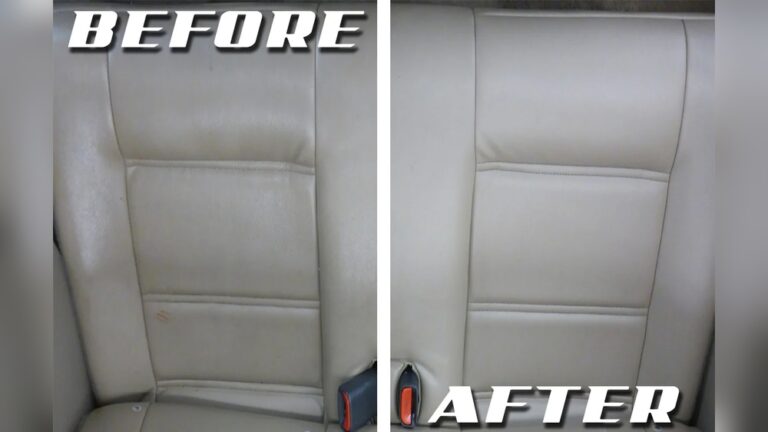
Regular cleaning and conditioning prevent these problems. Small, consistent steps beat big repairs later.
Importance Of Using Safe Products
Household cleaners often contain harsh solvents, alcohol, or bleach. These strip leather’s natural oils and finish. That leads to stiffness, cracks, and color loss. Using a pH-balanced, leather-specific product keeps the hide supple and protects the color. I stick to leather-safe formulas and avoid DIY shortcuts that risk long-term damage.
Choosing The Right Cleaning Products
Choosing the right cleaner matters more than you might think. The best products remove dirt without removing the oils that keep leather flexible. Below I explain how to pick a cleaner and what labels to look for when shopping for leather seat cleaner or leather upholstery cleaner.
Ph-balanced Cleaners
Leather prefers a neutral pH. A pH-balanced cleaner cleans grime but protects natural oils. Look for products labeled pH neutral or designed for automotive leather. Avoid strong alkaline or acidic cleaners. They dry leather and can remove dye or finish.
Natural Vs Synthetic Ingredients
Natural ingredients like jojoba, almond oil, or beeswax are gentle. They nourish leather and restore flexibility. Synthetic detergents can be effective cleaners but may include solvents that dry the hide. A balanced formula often mixes gentle surfactants with natural conditioning agents. I look for leather cleaners that list mild surfactants and natural oils or extracts.
Avoiding Harsh Chemicals
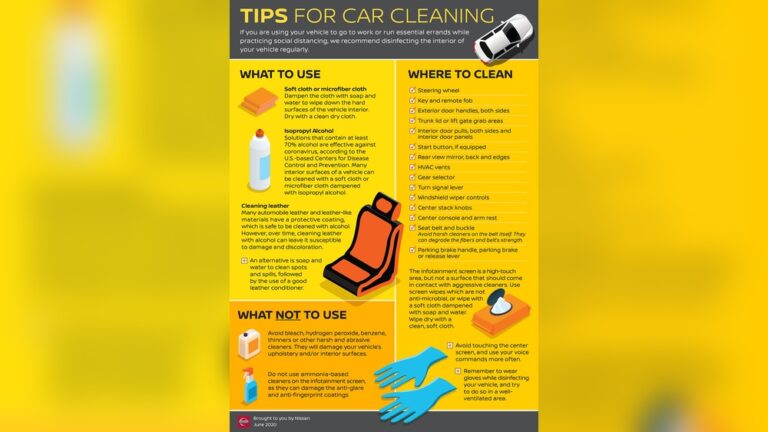
Do not use these on leather car seats:
- Bleach
- Ammonia
- Rubbing alcohol or high-alcohol sanitizers
- Strong household degreasers
These chemicals strip oils and damage the finish. If you’re unsure about a product, test it on a hidden seam or under the seat first.
How to Test a Cleaner Safely
Dampen a cotton swab with the cleaner and rub an inconspicuous spot. Wait 10–15 minutes. Check for color change, tackiness, or glue breakdown. If it looks or feels different, don’t use it on visible areas.
Labels and Terms to Check
When shopping, watch for terms like “pH balanced,” “automotive leather,” “non-abrasive,” and “no harsh solvents.” Avoid vague claims without ingredient lists.
Read More: How Often Should You Clean Leather Car Seats
Top Leather Cleaners Recommended By Experts
Professionals and detailers prefer cleaners that lift dirt without drying leather. Below are types of cleaners I regularly recommend, and how I use them for best results.
Mild Soap-based Cleaners
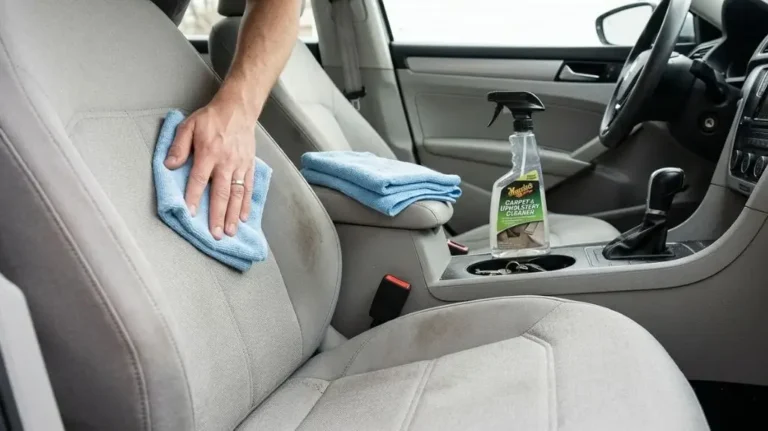
Mild soap cleaners use gentle surfactants to remove dirt. They clean well and are safe for regular use when diluted. I mix a small amount with water, work in small sections, and wipe with a clean microfiber cloth. This removes oils and grime without stripping leather.
Specialty Leather Cleaning Solutions
Specialty leather cleaners are formulated for automotive leather. They often combine cleaning agents with conditioners to protect finishes. Use these for deeper cleaning or when you want one-step care. Follow the manufacturer’s directions and always test first.
Diy Cleaning Alternatives
DIY options can work in a pinch. Two safe choices I’ve used:
- Water + mild dish soap: Use a few drops of mild, dye-free dish soap in warm water. Wring the cloth so it’s damp, not wet.
- Water + white vinegar (1:4 ratio): Good for light cleaning and odor control. Vinegar helps disinfect but must be diluted to avoid drying.
Always wipe with a clean damp cloth afterward and dry. Do not use straight vinegar or undiluted alcohol. Test first and use sparingly.

Credit: www.citychevrolet.com
Best Leather Conditioners For Car Seats
A good leather conditioner restores oils and protects seats from drying. Conditioners keep leather soft and help prevent cracking. Below are what I look for in a top conditioner and how to apply it for long-lasting results.
Moisturizing Ingredients To Look For
Choose conditioners with nourishing ingredients such as:
- Jojoba oil, almond oil, or lanolin — for deep moisture
- Beeswax — for light surface protection
- Vitamin E — to help repair and preserve fibers
Avoid heavy petroleum-based products or silicone-only formulas that can trap dirt or damage finishes over time.
Protective Benefits Of Conditioners
Conditioners do three main things:
- Restore natural oils to keep leather flexible.
- Create a thin barrier to resist liquid and stains.
- Reduce fading and cracking from sun and heat.
Regular conditioning keeps seats comfortable and maintains resale value.
Application Tips For Maximum Effect
Follow these steps for best results:
- Clean the leather first. Dirt can block conditioners from soaking in.
- Apply a small amount with a soft microfiber cloth.
- Work in circular motions and cover small sections.
- Let the conditioner sit 10–15 minutes.
- Wipe off any excess to avoid sticky residue.
I condition every 3–6 months. In hot, dry climates I condition more often. In cool, humid climates less often may be fine.
Avoid Over-conditioning
Too much conditioner can darken or make leather feel greasy. Use light coats and wipe away excess. If your seats darken noticeably, stop and test another product on a hidden area.
Protecting Leather From Damage
Protection is as important as cleaning. Add a few preventive habits and the leather will last far longer. These tips help shield seats from sun, spills, and daily wear.
Uv Protection Products
UV rays fade and dry leather. Use a UV protectant or conditioner that includes UV blockers. Apply as the product instructions say. I also use sunshades and park in the shade whenever possible. That simple step reduces heat buildup and fading.
Water Repellents And Stain Guards
Stain guards and water repellents form a thin barrier. They help liquids bead up so you can wipe them away. Choose products made for automotive leather. Apply evenly and let them dry completely before using the car.
Regular Maintenance Routines
A simple routine keeps leather in top shape:
- Weekly: Wipe dusty areas with a dry microfiber cloth.
- Biweekly: Clean with a mild leather cleaner if used daily or exposed to dirt.
- Every 3–6 months: Condition with a leather conditioner.
- Seasonally: Apply a UV protectant before summer if you park outdoors often.
Sunshades, Seat Covers, and Preventive Habits
Sunshades block heat. Breathable seat covers protect against spills without trapping moisture. Avoid sharp objects and heavy or abrasive items on seats. These small habits prevent big problems later.
Products To Avoid On Leather Seats
Using the wrong product is common and costly. Here’s what to avoid and why.
Harsh Solvents And Detergents
Solvents strip oils and the protective finish. That makes leather brittle and prone to cracking. Avoid paint thinners, strong degreasers, and heavy-duty detergents on leather seating surfaces.
Alcohol-based Cleaners
Alcohol dries leather fast. It can cause stiffness and color loss. Don’t use hand sanitizers, rubbing alcohol, or cleaners with high alcohol content. These break down leather fibers over time.
Abrasive Tools And Wipes
Rough brushes and scouring pads will scratch and dull leather. Paper towels can be abrasive and leave lint. Avoid wipes with harsh chemicals or abrasive textures. Use soft microfiber cloths and soft-bristle brushes instead.
Why Silicone and Petroleum-based Products Are Risky
Some products with silicone or heavy petroleum can give a temporary shine. Over time, they trap dirt, darken finishes, and may break down adhesives under the leather. For long-term care, choose conditioners made for automotive leather that use natural oils and light waxes.
Safe Cleaning Tools And Techniques
Good tools and the right method keep leather safe. Here are the tools I always have in my car-care kit and how I use them.
Choosing Soft Cloths And Brushes
My go-to tools:
- Microfiber cloths — soft and lint-free.
- Soft-bristle detailing brush — for seams and perforations.
- Vacuum with soft brush attachment — removes loose debris.
Keep separate cloths for cleaning and for conditioning to avoid cross-contamination.
Proper Cleaning Methods
Step-by-step cleaning method I recommend:
- Vacuum seats to remove dust and crumbs.
- Work in small sections. Dampen a microfiber cloth with cleaner (not dripping).
- Gently wipe. Use a soft brush for seams and perforations.
- Wipe again with a damp cloth to remove residue.
- Dry with a clean, dry microfiber cloth.
Never soak leather and avoid heavy scrubbing. If a cleaner requires dilution, follow the label.
Drying And Ventilation Tips
After cleaning, dry seats with a clean cloth. Don’t use heat sources like hair dryers. Let the car air out with windows open or park in a shaded, ventilated place. Proper drying prevents mildew and keeps leather supple.
Quick Daily Care Checklist
- Wipe visible spills immediately with a dry cloth.
- Vacuum crumbs and debris weekly.
- Avoid eating messy foods in the car when possible.
- Keep leather wipes or a microfiber cloth in the glove box for quick touch-ups.

Credit: www.amazon.com
Expert Tips For Long-lasting Leather Seats
Over the years I’ve developed a few habits that keep leather looking newer, longer. These tips are simple and effective.
Frequency Of Cleaning And Conditioning
My recommended routine:
- Light clean (wipe) every 1–2 weeks.
- Full clean every 1–3 months depending on use.
- Condition every 3–6 months.
Adjust frequency based on climate and how often the car is used. High heat and sun require more frequent conditioning.
Spot Cleaning Vs Deep Cleaning
Spot clean small stains immediately using a leather-safe cleaner and a soft cloth. For ingrained dirt or sticky spills, do a deeper clean with a specialty leather cleaner. Deep cleaning every six months removes oils and buildup that simple wiping misses.
Handling Stains And Spills
Steps for spills:
- Blot — do not rub. Use a clean, dry cloth to soak up liquid.
- Clean — use a leather-safe cleaner if blotting doesn’t remove the stain.
- Condition — restore oils after a deep clean to keep leather from drying.
For dye transfer (e.g., from jeans), treat quickly. Some transfers may need professional attention to remove without damage.

Credit: www.amazon.com
Frequently Asked Questions
What Products Are Safe For Cleaning Leather Car Seats?
Safe options include leather cleaners and conditioners made for automotive leather. Look for pH-balanced, non-abrasive formulas. Avoid household cleaners that contain bleach, ammonia, or strong solvents. Leather-specific wipes are fine for quick clean-ups if they are labeled safe for leather and free of alcohol.
Can I Use Natural Oils To Condition Leather Seats?
Yes. Natural oils such as mink oil, neatsfoot oil, or plant-based oils can condition leather. Use them sparingly. They can darken or build up over time. Test on a hidden spot first and avoid overuse on finished or coated leathers.
How Often Should I Apply Conditioner To Leather Seats?
Condition every 3–6 months is a good rule. If you live in a hot, dry climate, condition more often. If the car is in a shaded garage and sees low use, you can condition closer to every six months.
Are Wipes Safe For Leather Car Seats?
Leather-specific wipes are fine for quick cleanups. Avoid wipes that list alcohol, bleach, or strong detergents in the ingredients. Keep wipes sealed to prevent drying out and use them sparingly to avoid residue buildup.
Conclusion About What Products are Safe for Leather Car Seats
Leather car seats look and feel great when you care for them right. Use pH-balanced, leather-specific cleaners and conditioners. Test products first. Clean often and condition regularly. Protect seats from sun and spills, and use soft cloths and gentle brushes. These steps will keep your leather soft, protected, and longer lasting.
Follow simple routines, pick the right products, and your seats will stay comfortable and stylish. Treat them well and they’ll reward you for years on the road.

I am Julian Drive, an automotive enthusiast and repair expert with over 7 years of hands-on experience in vehicle maintenance. At Carora Hub, I simplify complex car issues into easy-to-follow DIY guides to help drivers stay safe and save on repair costs.