Coffee spills in your car are annoying. The dark color and strong smell cling to seats fast. I’ve been there—wiping with a napkin rarely helps. The stain often looks worse after it dries.
If you want your car seats to look spotless again, you need a simple plan and the right steps. You can remove coffee stains from car upholstery at home. Even older, set-in marks can often be fixed if you use the right methods and avoid common mistakes.
This guide will walk you through cleaning stains, protecting your interior, and why some home remedies fail. You’ll get step-by-step techniques, product comparisons, and tips I’ve used personally. Whether your seats are fabric, leather, or synthetic, you’ll find practical, expert advice to remove coffee stains and lingering odors.
Why Coffee Stains Are Difficult
Coffee is more than a brown liquid. It contains tannins, chlorogenic acid, oils, and color pigments. These compounds soak into porous materials. On fabric seats, the liquid moves into fibers and padding fast. On leather and synthetics, oils and pigments can sit on the surface or slip into seams.
Tannins and coffee oils bind to fibers and trap dirt later. That combination makes coffee stains stubborn. Also, heat or friction can set the stain. A small spill can become a large, visible mark if it sinks under stitching or into foam padding.
Immediate Actions After A Spill
Quick action prevents permanent stains. Do this right after a spill:
- Blot, don’t rub: Press a clean paper towel or cloth onto the spill. Blotting soaks up liquid. Rubbing spreads the stain and pushes coffee deeper.
- Remove excess liquid: Keep blotting with a dry cloth until only slight moisture remains.
- Avoid heat: Don’t use a hair dryer or hot air. Heat can set pigments and make the stain permanent.
- Keep it cool and ventilated: Open doors or windows. Slower drying gives you time to clean properly.
Identifying Your Upholstery Type
Pick the right cleaner by knowing your seat material. Check the owner’s manual or labels. If in doubt, feel the surface. Below are common types and how they behave.
| Upholstery Type | Common Features | Cleaning Difficulty |
|---|---|---|
| Fabric | Soft, absorbent, often textured | Medium to High |
| Leather | Smooth, slightly shiny, less absorbent | Low to Medium |
| Synthetic (Vinyl, Faux Leather) | Plastic feel, less porous | Low |
Knowing the material helps you choose safe, effective methods. I also check for any cleaning code on the seat tag before I begin.
Upholstery Cleaning Codes (W, S, WS, X)
Many car seats include a cleaning code. It’s a good quick guide:
- W — Use water-based cleaners like dish soap and water.
- S — Use solvent cleaners. Avoid water-based products.
- WS — Water- or solvent-based cleaners are safe.
- X — Vacuum only; professional cleaning recommended.
Testing a hidden area still matters. Codes help, but materials and dyes vary by maker and model.
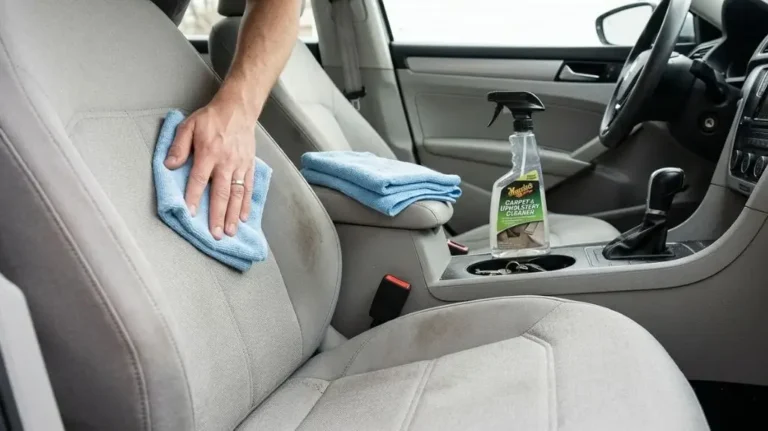
 <figcaption class=”wp-element-caption”>Knowing how to remove coffee stains from car upholstery at home involves a gentle dabbing motion and a simple mixture of vinegar, dish soap, and water to break down the tannins.
Homemade Cleaning Solutions
You don’t always need store-bought cleaners. I use simple homemade solutions often. They are gentle, cheap, and effective for fresh and many set-in stains. Below are reliable mixes I recommend.
Solution 1: Dish Soap And Warm Water
This is my go-to for most seat types, including fabric and many synthetics:
- Mix 1 teaspoon liquid dish soap with 1 cup warm water.
- Stir gently to create suds. Use a spray bottle or damp cloth to apply.
This breaks down oils and lifts pigments. It’s safe on most materials when used sparingly and rinsed off.
Solution 2: Vinegar And Water
Vinegar helps dissolve tannins. Use it carefully, especially on leather:
- Mix 1 tablespoon white vinegar with 1 cup water.
- Optional: Add a drop of dish soap for extra cleaning power.
Vinegar is mildly acidic. It removes stains and neutralizes odors. Test on leather first; use sparingly and treat leather with conditioner afterward.
Solution 3: Baking Soda Paste
Baking soda works as an absorbent and mild abrasive for deep stains:
- Mix 3 tablespoons baking soda with just enough water to make a thick paste.
- Spread it on the stain. Let sit 30 minutes, then brush and wipe away.
This method pulls out pigments and odors. It can be used as a pre-treatment before a liquid cleaner.
Solution 4: Hydrogen Peroxide (for Tough Stains)
Hydrogen peroxide is effective for stubborn, old stains. Use it with care:
- Mix 1 tablespoon hydrogen peroxide with 2 tablespoons water.
- Always test on a hidden area first.
Peroxide oxidizes pigments. It can lighten dyes, so test before full use. Avoid on leather unless advised by the manufacturer.
Step-by-step Cleaning Process
Follow these clear steps for the best results. Short, steady work beats harsh scrubbing.
Step 1: Prepare Your Cleaning Area
Move the car to shade and ventilate the cabin. Gather:
- Clean towels or microfiber cloths
- Your chosen cleaning solution
- A soft brush (optional)
- A small bowl or spray bottle
Tools and Supplies Checklist
- Paper towels and microfiber rags
- Spray bottle for solutions
- Soft-bristled brush or toothbrush
- Vacuum with crevice tool (for deep cleaning)
- Baking soda, dish soap, white vinegar
Step 2: Test For Colorfastness
Always test cleaners on an invisible spot. Wait 5–10 minutes. If the color fades or texture changes, stop and try a gentler option.
Step 3: Apply Cleaning Solution
Spray or dab the solution onto the stain. Work from the outside toward the center. This keeps the stain from spreading. For deeper stains, use a soft brush in light circles.
Step 4: Blot And Repeat
After cleaning, blot with a dry towel. Repeat 2–3 times if needed. I usually see good improvement after two rounds. Don’t over-wet the padding.
Step 5: Rinse And Dry
Dampen a clean cloth with plain water and blot to remove residue. Dry with a towel. Let the seat air dry in shade. Avoid direct sunlight, which can fade colors or dry leather too fast.
If you need help with lingering chemical smells, see Why Does My Car Smell Like Rotten Eggs Inside for diagnostic steps and odor removal tips.
Comparing Cleaning Methods
Different stains and materials respond better to certain methods. Here’s a quick comparison to guide your choice:
| Method | Effectiveness | Safety | Speed |
|---|---|---|---|
| Dish Soap & Water | Good for fresh stains | Safe for all materials | Fast (15-20 min) |
| Vinegar & Water | Good for older stains | Safe for fabric; caution on leather | Medium (20-30 min) |
| Baking Soda Paste | Good for deep stains | Safe for fabric | Slow (30-40 min) |
| Hydrogen Peroxide | Excellent for stubborn stains | May bleach fabric | Medium (20-30 min) |
Start with dish soap and water. Move to vinegar, baking soda, or peroxide only if needed. Commercial cleaners are next if home remedies fail.
Special Tips For Different Upholstery Types
Fabric Seats
Fabric soaks up spills quickly. Use more liquid and blot well. Avoid hard scrubbing to prevent fiber damage. For stubborn marks, a carpet cleaner or upholstery spray helps. After cleaning, vacuum once dry to lift nap.
Leather Seats
Leather resists liquids more than fabric, but it can stain and retain odor. Use a damp cloth with mild dish soap. Avoid vinegar on leather unless diluted and tested. Finish with a quality leather conditioner to restore oils and prevent drying or cracking.
Synthetic Seats
Synthetic materials such as vinyl and faux leather are easier to clean. Most stains sit on the surface. Use dish soap or a mild all-purpose cleaner. Don’t use harsh solvents that can cause fading or cracking.
Deep Cleaning For Old Coffee Stains
For stains that have had time to sink in, follow these deeper steps:
- Vacuum first: Remove loose dirt so cleaners reach the stain.
- Use baking soda paste: Apply and leave 30 minutes to absorb oils and pigments.
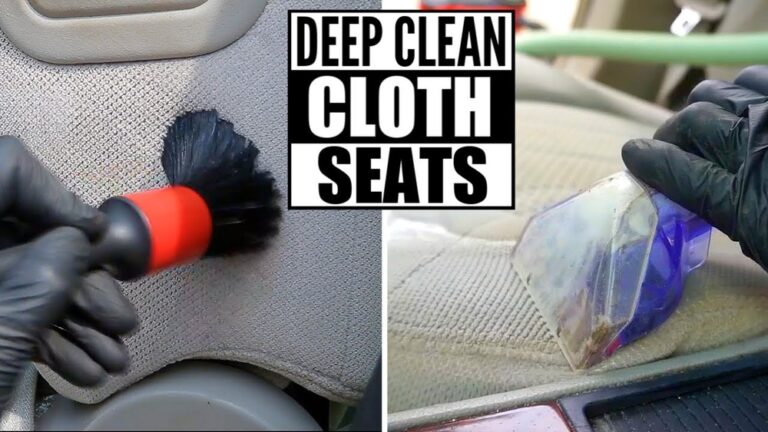
- Scrub gently: A soft brush helps work the paste into fibers without fraying them.
- Rinse and blot: Remove paste with a damp cloth and dry with towels.
- Repeat if needed: Deep stains can take multiple treatments over days.
Patience is key. Don’t try to fix everything at once. Let cleaners sit and work between passes.
Using Commercial Upholstery Cleaners
If homemade mixes don’t remove the stain, commercial cleaners often do. Choose products labeled “car upholstery” or “fabric stain remover.” Brands like Resolve, Woolite, and Meguiar’s are popular. Read instructions and test first.
Pros:
- Faster results
- Designed for tough stains
- Often includes odor removal
Cons:
- Can be expensive
- May contain strong chemicals
- Some formulas can bleach fabric
Professional Cleaning Vs Diy
Many car owners ask whether to DIY or hire pros. Here’s a clear comparison:
| Option | Average Cost | Time Needed | Effectiveness |
|---|---|---|---|
| DIY Cleaning | $0-$30 | 30-60 min | Good for most stains |
| Professional Service | $60-$150 | 1-2 hrs | Excellent for deep stains |
DIY works well for fresh and light stains. Professionals use hot water extraction, industrial cleaners, and tools that reach deep into padding. For old or set-in stains, or for delicate leather, a pro can save time and risk.
When to Hire a Professional
Consider a pro if:
- The stain keeps coming back after cleaning.
- The seat tag says X or warns against DIY cleaning.
- Stains are widespread or the padding smells bad.
- You have high-end leather that you don’t want to risk.
A pro can also clean and condition leather properly and extract liquid from padding to prevent mold.
Removing Smell After Cleaning
Stains can leave a coffee smell even after they look gone. Here’s how I remove lingering odors:
- Sprinkle baking soda over the area. Leave overnight. Vacuum the next day.
- For leather, use a mild leather deodorizer and follow with conditioner.
- Place an open box of baking soda or a charcoal bag under the seat for ongoing odor control.
Learn More: Can I Use Laundry Detergent to Clean Car Seats Safely?
Common Mistakes And How To Avoid Them
Watch for these common errors:
- Using too much water: Over-wetting soaks padding and can cause mold.
- Scrubbing hard: Scrubbing frays fibers and spreads the stain.
- Ignoring test spots: Always test on a hidden area first.
- Using bleach: Bleach ruins color and fabric texture.
- Letting the stain dry: The longer coffee sits, the harder it is to remove.
Non-obvious Insights
Here are a few tips you might not expect:
- Stains can appear gone when wet but reappear after drying. Always check again when the seat is dry.
- Steam cleaners loosen deep stains, but avoid them on leather. Heat and moisture can harm leather finishes.
- Coffee contains oils that attract dirt later. A second cleaning after a few days can remove residual grime.
Preventing Future Coffee Stains
Prevention is easier than cleaning. Try these habits:
- Use spill-proof travel mugs in the car.
- Place seat covers or mats where spills are likely.
- Wipe up small spills immediately, even if you’re in a hurry.
- Keep a simple cleaning kit in your car for emergencies.
FAQs Of How to Remove Coffee Stains from Car Upholstery at Home
What Is The Safest Cleaning Solution For Car Upholstery?
Dish soap and water is usually the safest for most car seats. It cleans well without damaging fabric, leather, or synthetic materials. Always test any solution on a hidden area first to check for color changes.
Can Coffee Stains Be Removed From Leather Seats?
Yes, but you must be careful. Use a damp cloth with mild dish soap. Avoid vinegar and harsh chemicals, which can dry or damage leather. After cleaning, apply a leather conditioner to keep the material soft.
How Long Does It Take To Remove A Coffee Stain From Car Seats?
Most fresh stains can be cleaned in 15–30 minutes. Older, deeper stains may take up to an hour and require several treatments. Let seats dry fully before checking if the stain is gone.
What Should I Do If The Stain Keeps Coming Back?
Sometimes coffee soaks into the seat padding underneath. If stains reappear after drying, repeat cleaning and use a steam cleaner if possible (not for leather). For severe cases, professional cleaning may be needed.
Is It Safe To Use Hydrogen Peroxide On All Car Upholstery?
Hydrogen peroxide is strong and can bleach some fabrics. Only use it for stubborn stains, and always test on a hidden area. Avoid using it on leather or synthetic seats, as it can cause discoloration or damage.
Removing coffee stains from car upholstery at home is doable. With quick action, the right cleaners, and patience, you can restore your seats and remove odors. Check the seat tag, test cleaners, and proceed gently. For stubborn or recurring stains, consider professional cleaning. If you want more upholstery cleaning tips, the Consumer Reports guide is a solid resource. Follow these steps and your car interior will look and smell much better—even after a few coffee mishaps.

I am Julian Drive, an automotive enthusiast and repair expert with over 7 years of hands-on experience in vehicle maintenance. At Carora Hub, I simplify complex car issues into easy-to-follow DIY guides to help drivers stay safe and save on repair costs.