A new battery should mean fresh power and reliable performance. But what if your new battery drains fast and leaves you stranded? I’ve seen this a lot — drivers, gadget users, and even pros get puzzled by it. Sometimes the battery is bad. More often, the real problem is hidden in the electrical system: a parasitic drain, poor charging, or bad wiring that will drain even a brand-new battery.
You don’t need to be a mechanic to understand this. If you use a car, phone, or any battery-powered gear, knowing the signs, common causes, and simple fixes will save time and money. In this article I’ll explain why a new battery can drain fast, walk you through diagnosis steps I use, and share practical fixes and prevention tips that really work.
Common Signs Your New Battery Is Draining Fast
It’s not always obvious when a battery problem is caused by an electrical issue. Here are clear signs to watch for:
- Battery warning light stays on after replacing the battery.
- Slow engine start even with a new battery.
- Lights dimming or flickering, especially dashboard or headlights.
- Electronic accessories failing (radio, windows, wipers).
- Battery gets hot or smells strange.
- Battery dies overnight or after a few hours of inactivity.
If you see any of these, the problem is likely bigger than the battery itself. Trust the signs — they point to the electrical system, not just a bad cell.

Why New Batteries Drain Fast: Electrical Issues Explained
A new battery should hold its charge. If it doesn’t, the electrical system is the first place to look. Below are the main causes I find most often.
Parasitic Drain
Parasitic drain happens when something draws power while the car or device is off. Small draws add up fast. Common culprits include:
- Faulty relays
- Aftermarket alarms or remote starters
- Interior lights or glovebox lights left on
- Trunk or hood lights that don’t shut off
- Bad or corroded wiring
To put it in plain terms: a clock might use 0.03 amps. A stuck relay can use 0.5 amps. Over a night or two, the difference is huge. I always check for parasitic draws first when a new battery dies fast.
Faulty Alternator Or Charging System
The alternator charges the battery while the engine runs. If it fails, the battery never gets a full charge. Watch for these signs:
- Battery warning light on the dash
- Flickering or dimming lights while driving
- Electrical accessories acting up or failing
A weak alternator might manage for a short trip. But over time, it won’t keep a new battery topped up. I test alternator output early in diagnosis to rule this out.
Short Circuits And Bad Wiring
Short circuits occur when wires touch, break, or corrode. They can cause heavy, uncontrolled current flow. That drains the battery fast and can damage components. Look for rubbed insulation, rodent damage, or melted connectors.
Grounding Issues
A solid ground is essential. Loose or corroded ground points stop the battery and charging system from working properly. I’ve fixed many drain cases with nothing more than a ground clean-up and a retighten.
Faulty Electrical Components
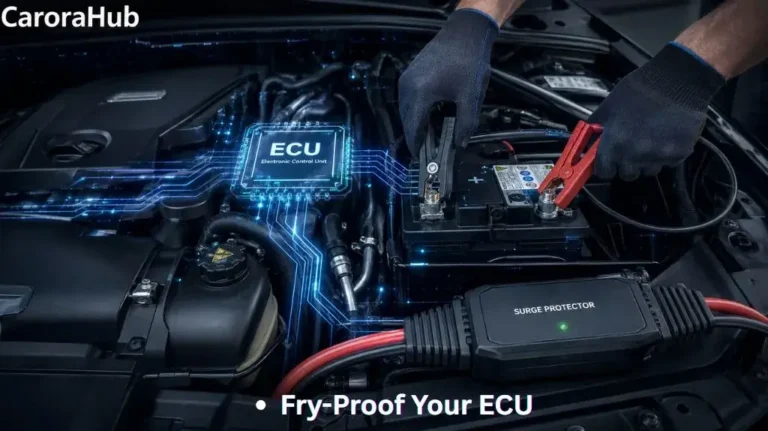
Sometimes modules, ECUs, sensors, or small motors fail and draw current when they shouldn’t. These can be hard to spot without testing each component. If a component draws current when it should be asleep, it can kill a new battery quickly.
Human Error
Don’t forget simple mistakes. Leaving a light on or an accessory plugged in is common. In phones or tablets, leaving Bluetooth, Wi‑Fi, or GPS on can cause rapid drain after a battery swap. I recommend ruling out human error before diving into advanced tests.
A why new battery drains fast electrical issue can look like other failures. See Why Charging System Fails After Startup for related charging problems and how wiring often hides the real fault.
Diagnosing Electrical Issues: Step-by-step Guide
Diagnosis takes a method and a few tools. Below is the step-by-step process I use. It’s safe, repeatable, and finds most issues without guesswork.
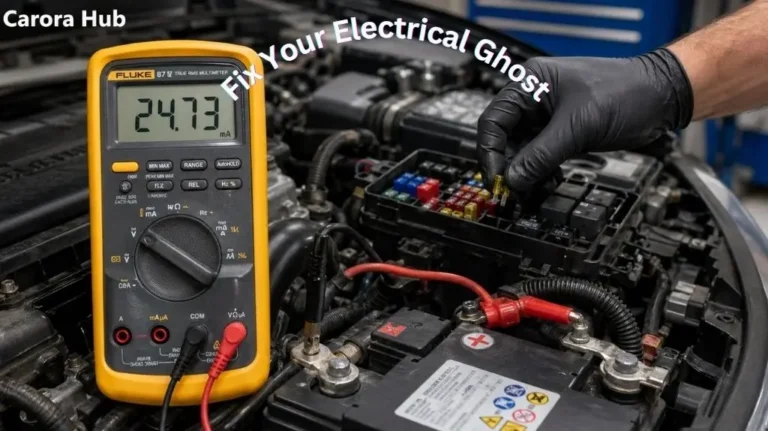
Step 1: Check For Parasitic Drain
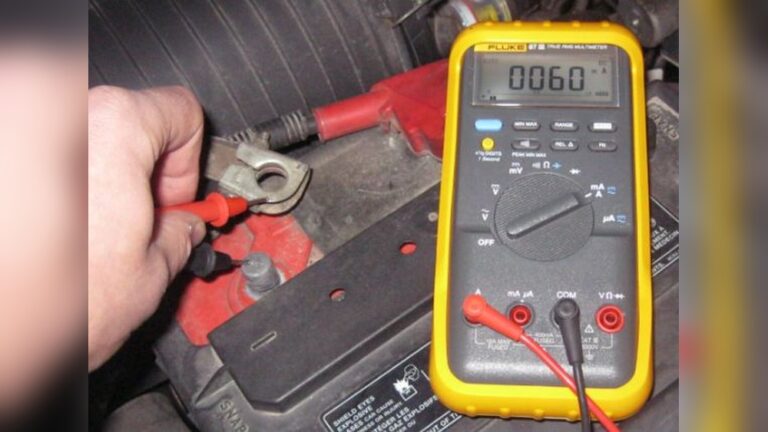
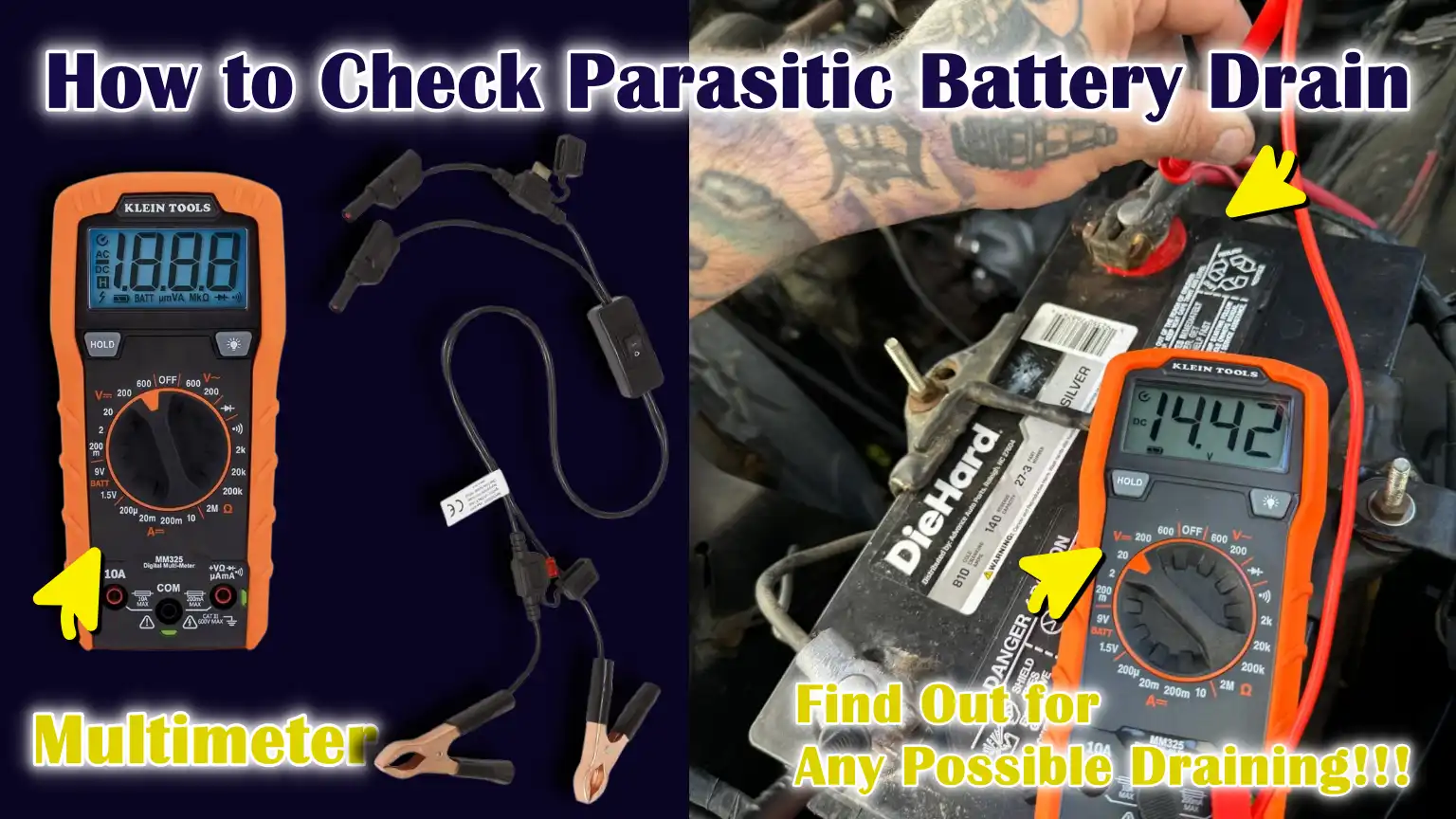
Use a multimeter to measure current draw with the car or device off. Here’s how I do it:
- Remove the negative battery cable.
- Attach the multimeter between the cable and battery terminal.
- Read the amp draw. For most cars, anything over 0.05 amps (50 mA) is too high.
If the draw is high, pull fuses one at a time until the draw drops. That tells you which circuit is the culprit. For phones, use battery settings to see which apps or services use power.
Step 2: Inspect Charging System
Check the alternator output:
- Start the engine or device.
- Measure voltage at the battery terminals.
- For cars, you should see 13.5–14.5 volts. Lower means a charging issue.
If voltage is low, test the alternator, belt condition, and voltage regulator. Many alternator faults are intermittent — test at idle and at higher RPMs if you can.
Step 3: Look For Obvious Faults
Visually inspect:
- Wiring for damage or corrosion
- Loose connections
- Burned or blown fuses
- Unusual smells, heat, or melted insulation
Small things matter. A frayed wire under a loom or a corroded battery terminal often causes the biggest headaches.
Step 4: Test Electrical Components
Disconnect and test suspect parts (relays, sensors, lights). If removing a part stops the drain, you’ve found the issue. Use a known-good relay or component to swap in for testing where possible.
Step 5: Check Grounds
Clean and tighten all ground connections. Even a slightly loose ground can cause charging and draining problems. Use a wire brush, sandpaper, and contact cleaner. Recheck current draw after fixing grounds.
Step 6: Consider Professional Help
If you can’t find the issue, a mechanic or technician can use advanced tools like thermal imaging, oscilloscope traces, or dealer-level OBD-II diagnostics. Professional help is worth it when the drain is deep or intermittent.
Tools You’ll Need (Multimeter, Ammeter, OBD-II)
To follow the steps above I recommend these tools:
- Digital multimeter (for volts, amps, and continuity)
- Clamp amp meter (safe for in-line current checks)
- OBD-II scanner for modern vehicles (to read wake events and module states)
- Basic hand tools, contact cleaner, and brush for grounds
Real Examples: New Battery Drain Scenarios
Here are real cases I’ve seen. They show how varied the causes can be and how simple tests find the issue.
Example 1: Car With New Battery Still Won’t Start
A driver installs a new battery. The car starts, but it dies overnight. Testing shows a 0.7 amp drain. The culprit? An aftermarket alarm drawing power nonstop. Removing the alarm fixed the drain and the battery held charge again.
Example 2: Smartphone Battery Drains Fast After Replacement
A user replaces their phone battery. The phone still drains quickly. After checking battery stats, they found a background app keeping Wi‑Fi and GPS active. Disabling the app and updating the OS fixed the issue.
Example 3: Home Device With New Battery Fails
A thermostat with a new battery keeps shutting off. Inspection found a corroded wire causing a short. Cleaning and replacing the wire stopped the short and the battery lasted as expected.
These examples show replacing the battery alone is not enough. Electrical faults will drain even the newest battery.
How Electrical Issues Affect Battery Life
Electrical problems don’t just drain batteries — they can shorten battery life over time. Here’s why:
- Deep discharges damage battery cells and reduce cycle life.
- Constant drain heats the battery, causing swelling or leaks.
- Irregular charging from alternator problems causes sulfation in lead-acid batteries.
- High current draws stress the battery and lower its capacity.
A battery forced to work hard will lose capacity fast. Fix the root electrical cause and the battery life returns to normal.
Data Comparison: Battery Drain With And Without Electrical Issues
Here’s a comparison showing how electrical issues change battery drain rates:
| Scenario | Average Drain (amps) | Time to Dead Battery |
|---|---|---|
| No electrical issue | 0.03 | 3-4 weeks |
| Parasitic drain (alarm) | 0.5 | 24-48 hours |
| Short circuit | 2.0 | 2-4 hours |
| Weak alternator | 0.1 | 1 week |
This table makes it clear: a small electrical fault can cut battery life from weeks to hours. That’s why diagnosis matters.
.png)
Credit: www.greatwater360autocare.com
Prevention Tips: Keeping Your New Battery Healthy
Preventing fast battery drain is easier than many think. Here’s a practical checklist I use and recommend:
- Check electrical accessories before leaving your car or device. Close doors, trunk, and glovebox to ensure lights are off.
- Avoid aftermarket parts unless professionally installed.
- Inspect wiring for damage or corrosion regularly.
- Test alternator output once a year or when you notice odd electrical behavior.
- Clean ground connections every 6 months.
- Turn off unused features (Bluetooth, Wi‑Fi, consoles, courtesy lights).
- Keep device firmware and car software updated to fix bugs that cause drain.
- Replace old relays and fuses proactively.
- Get a full electrical check if the battery drains soon after replacement.
Common Mistakes When Dealing With Battery_Drain
Many people make avoidable mistakes that prolong the problem. Don’t do these:
- Ignoring warning signs like the battery light or dim lights.
- Replacing the battery repeatedly without checking the electrical system.
- Using low-quality replacement batteries or incompatible models.
- Installing aftermarket parts without checking compatibility or current draw.
- Skipping regular maintenance and ground checks.
- Exposing batteries to extreme heat or cold for long periods.
Most beginners miss the value of a simple current draw test with a multimeter and regular ground checks. Those two steps catch many problems early.
Advanced Insights: What Most Beginners Miss
- Battery “memory effect” is not a cause of fast drain in modern lithium-ion batteries. The real problem is almost always electrical.
- Alternator output changes with engine speed. A weak alternator at idle can still let the battery drain while you drive in stop-and-go traffic.
- Hidden drains: Some car modules (keyless entry, immobilizer) can draw more power as they age. These are hard to spot without dealer-level logs or OBD-II wake-event data.
- Environmental factors: Moisture, salt, and dirt can cause unseen corrosion in wires and connectors. That leads to slow, steady drains.
- Battery Management Systems (BMS) in modern batteries can mask some faults. If you suspect BMS behavior, a professional diagnostic is often needed.
Repair Solutions: Fixing Electrical Issues
Fixing electrical drains takes careful work. Below are common fixes that solve most problems I’ve seen.
Parasitic Drain Fix
- Identify the circuit with high drain using a multimeter and fuse-pull method.
- Remove fuses one at a time to isolate the faulty accessory or module.
- Repair or replace the part causing the draw (relay, alarm, module).
Alternator And Charging System Repair
- Replace or rebuild the alternator if it fails output tests.
- Check and replace the voltage regulator if it’s faulty.
- Inspect the serpentine belt and replace if worn or slipping.
Wiring And Ground Repair
- Repair or replace damaged wires and connectors.
- Clean ground points with a wire brush and contact cleaner.
- Use dielectric grease to prevent future corrosion.
Component Replacement
- Replace faulty sensors, relays, or control modules.
- Test components before installing replacements to avoid throwing parts at the problem.
Professional Diagnostics
- Advanced tools like clamp meters, thermal cameras, and OBD scanners find intermittent or hidden faults.
- Get a full electrical system check at a trusted mechanic or service center when the issue is elusive.
DIY vs Professional Repair — When to Call a Pro
If you’re comfortable with a multimeter, you can solve many parasitic drains yourself. Call a pro when:
- The drain is intermittent or only happens after long periods.
- High-current faults or shorts are present (risk of fire or melted wiring).
- Dealer-level diagnostics or module reprogramming are needed.
Comparing Battery Types And Their Vulnerability_To_Electrical_Issues
Not all batteries behave the same when the electrical system is faulty. Here’s a quick comparison:
| Battery Type | Vulnerability to Drain | Typical Lifespan | Common Symptoms |
|---|---|---|---|
| Lead-acid (car) | High | 3-5 years | Slow start, dim lights |
| Lithium-ion (devices) | Moderate | 2-4 years | Rapid discharge, overheating |
| Nickel-metal hydride | Low | 4-7 years | Reduced capacity |
Lead-acid batteries are most sensitive to charging and parasitic issues. Lithium-ion packs in phones and laptops handle cycles differently but can still be ruined by constant drains or overheating.
Battery Drain Vs. Battery Failure: Understanding The Difference
People often confuse battery drain with battery failure. Here’s how I separate them when diagnosing:
- Battery drain: the battery loses charge faster than normal because of an external electrical issue. The battery itself may be fine.
- Battery failure: the battery cannot hold a charge even after fixing electrical issues. This means the battery needs replacement.
If a new battery dies fast, always check for electrical faults first. Replace the battery only after confirming it fails load or capacity tests.
Battery Drain In Devices Vs. Vehicles
The same principles apply to both devices and vehicles, but there are differences:
- Devices: Often caused by software issues (apps, OS bugs), background connections, or faulty chargers. Check battery usage, turn off background refresh, and update firmware.
- Vehicles: Usually caused by hardware—alternators, wiring, relays, and modules. Use a multimeter and fuse-pull method to find drains.
In short: software fixes often help devices. Hardware checks are essential for vehicles. If you use a hybrid or EV, also consider the BMS and accessory power modules in diagnostics.
Battery Drain Statistics: How Common Is The Problem?
Battery drain is more common than most people think. Here’s a snapshot of the data:
- About 30% of car battery replacements fail due to electrical issues, not battery defects.
- Up to 25% of smartphone users report fast battery drain after replacement, usually from software or hidden hardware issues.
- Most battery drain cases are preventable with regular maintenance and checks.
These numbers show electrical issues are a leading cause of fast battery drain — even when the battery itself is new.
Cost Of Electrical_Repairs_Vs_Battery_Replacement
Many people replace batteries repeatedly and waste money. Here’s a realistic cost comparison based on what I’ve seen:
| Repair Type | Average Cost (USD) | Success Rate |
|---|---|---|
| New battery | $100-$200 | 50% (if electrical issue present) |
| Electrical repair | $150-$500 | 90% (if correctly diagnosed) |
| Full system diagnostic | $80-$150 | 95% |
Spending a little on diagnostics usually saves more in the long run. Repair the electrical fault and a good battery will last.
When To Replace The Battery Vs. Repair The Electrical System
Sometimes you do need a new battery. But most times, fixing the electrical system is the right move. Replace the battery when:
- The battery is more than 3 years old (for cars) and fails load tests.
- The battery fails a capacity or load test even after electrical issues are fixed.
- There is visible damage — swelling, leaking, or severe corrosion.
Repair the electrical system if:
- The battery drains fast but is new and passes load tests.
- Electrical accessories behave oddly or multiple batteries fail quickly.
- Diagnostics point to alternator, wiring, or parasitic drains.
Credit: dondodicarcustoms.com
Practical Advice For Beginners And Diyers
If you’re new to fixing battery drain, follow these steps I use for quick wins:
- Use a multimeter to test current draw. It’s the fastest way to see if something is wrong.
- Check for obvious issues: lights, accessories, or plugs left on.
- Visually inspect wiring and grounds for corrosion or damage.
- Test alternator output if you have a car. Low output is a common cause.
- Remove fuses one by one to locate hidden drains.
- Ask for professional help when the issue is intermittent or involves complex modules.
Most electrical issues are easier to fix than they first appear. Patience, the right tools, and a methodical approach go a long way.
Extra Resources
If you want to dig deeper, check out Wikipedia’s Parasitic Drain page for technical background, references, and further reading.
FAQs On Why New Battery Drains Fast Electrical Issue
Why Does My New Battery Drain Faster Than The Old One?
A new battery draining fast usually means there’s an electrical issue—like a parasitic drain, bad alternator, or wiring problem. The old battery may have been weak and masked the problem. Fixing the electrical system is the real solution.
How Can I Check For Parasitic Drain At Home?
You can use a multimeter to measure current draw. Disconnect the negative battery cable, connect the meter in series, and check for amps. Anything over 0.05 amps for a car means there’s a drain.
Is It Dangerous To Keep Using A Battery That Drains Fast?
Yes, it can be. Continuous drain overheats the battery, leading to leaks, swelling, or even fire. It can also damage other electrical components. Fix the problem as soon as possible.
Can Software Cause Battery Drain In Phones Or Tablets?
Absolutely. Background apps, system bugs, or settings like Bluetooth and Wi-Fi can cause fast drain. Always update your device and check which apps use the most battery.
Should I Replace The Battery Or Fix The Electrical Issue First?
Always fix the electrical issue before replacing the battery. If you install a new battery without fixing the problem, it will drain fast and may get damaged. Repairing the system first saves money and gives better results.
Final Thoughts Of Why New Battery Drains Fast
A new battery should last. But electrical issues can ruin its performance fast. If your new battery drains quickly, use a multimeter and follow the steps above. Check for parasitic drains, charging problems, wiring faults, and bad components. Fix the root cause and the battery will behave as expected.
Most problems are solvable with careful testing and routine maintenance. Don’t ignore the warning signs. Fix the electrical issue, and your new battery will give you the reliable power you paid for.

I am Julian Drive, an automotive enthusiast and repair expert with over 7 years of hands-on experience in vehicle maintenance. At Carora Hub, I simplify complex car issues into easy-to-follow DIY guides to help drivers stay safe and save on repair costs.