Stop the stress of a second dead battery before you even leave your driveway. I’ve learned that knowing the right engine run time after jump start prevents a repeat fail the next time you turn the key. With the right steps, your alternator can revive your battery so you won’t be stranded again minutes or days later.
If you shut the engine too soon, the battery often won’t recover enough to start the car later. Below I cover exactly how long to run the engine, what affects charging, and simple, practical tips I use to protect battery health. Read on so your car stays ready when you need it.
Factors Affecting Battery Recharge
How fast a car battery recharges after a jump start depends on several things. I find that knowing these makes it easier to judge how long to run the engine. Each factor affects how well the battery stores and holds power.
Battery Type And Age
Different battery chemistries charge at different rates. Lead-acid (flooded) batteries often take longer than AGM or gel batteries. Older batteries hold less charge and recharge slower. Sometimes a worn battery will never reach full capacity again. Check the battery’s manufacture date, CCA (cold cranking amps), and visible condition. These tell you a lot about expected recharge speed.
Jump Start Conditions
The battery’s state before the jump matters. A deeply drained battery needs much more time to recover than one that was only slightly low. The quality of the jump start also plays a role. Poor cable connections, corroded terminals, or a weak donor battery cut charging efficiency. I always double-check clamps and polarity to get the best charge transfer.
Vehicle Electrical Load
Anything using electricity while the engine runs slows recharge. Headlights, A/C, heaters, seat warmers, and infotainment systems draw charge. Turn off nonessential devices while you recharge. That lets the alternator focus on the battery and shortens the time needed.
Alternator And Charging System Health
The alternator is the parts that actually charges the battery while you drive. If the alternator, its belt, or the voltage regulator is failing, charging will be slow or inconsistent. I recommend a quick alternator check if you need repeated jump starts. A bad alternator can mimic a dead battery and leave you stranded even after long engine runs.
Cold Weather And Temperature Effects
Temperature matters. Cold reduces battery capacity and slows charging chemistry. In winter, batteries need more time and often struggle to accept a full charge. Heat can also speed up degradation. In cold climates, allow extra run time and consider a battery warmer or a higher-capacity battery rated for low temperatures.
Credit: us.gooloo.com
Ideal Engine Run Time After Jump Start
After a jump start, the engine must run long enough for the alternator to replace the energy lost and restore the battery’s usable charge. Too little time leaves the battery undercharged. Too long wastes fuel but rarely harms modern batteries. The sweet spot depends on how discharged the battery was and the condition of the charging system.
Minimum Recommended Duration
Most experts — and my own experience — point to at least 20 to 30 minutes of driving after a jump start. This timeframe gives the alternator a fair chance to replace the energy used to crank the engine. Short idles or five- to ten-minute drives often leave the battery undercharged. A steady drive at moderate speed is far more effective than idling in the driveway.
Variations By Vehicle Model
Different cars behave differently. Newer compact cars with healthy batteries often recover faster. Older cars, trucks with larger batteries, or batteries near end-of-life need longer runs. Hybrid and electric vehicles have unique charging systems and different rules — hybrids may manage 12V charging through the hybrid system, so follow the manufacturer guide. When in doubt, check your owner’s manual for model-specific advice.
Impact Of Engine Rpm
Alternator output rises with engine speed. Low idle produces lower alternator current. Driving steadily at moderate speeds (where RPMs are higher than idle) gives better charging than a long idle. I aim for steady city driving or a short highway stretch after a jump. Avoid aggressive revving, though — that won’t improve charging much and can stress the engine.
Deeply Discharged Batteries — When To Expect Longer Charge Times
If a battery was deeply discharged (near 0% state of charge), it may need more than 30 minutes of driving. In those cases expect 45–60 minutes of steady driving, or use a dedicated battery charger to bring it back safely. Repeated deep discharges often mean the battery is damaged (sulfation) and should be tested or replaced.
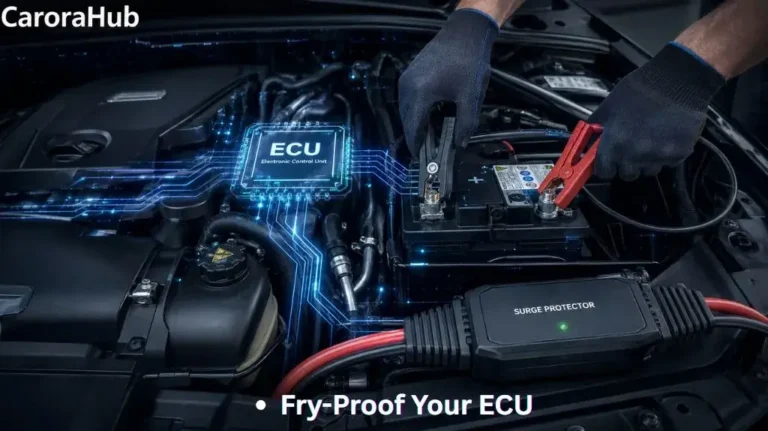
If you just jump-started your car, how to jump start a car without damaging ECU or sensitive electronics is a helpful read. It explains safe jump-start practices for modern cars with sensitive electronics.
Signs Battery Is Fully Charged
Knowing when your battery is fully charged helps avoid overcharging and tells you when it’s safe to turn the engine off. I use a few simple checks to confirm the battery has enough power.
Voltage Levels To Watch
Use voltage as a guide:
- A rested, fully charged 12V battery reads about 12.6 volts or slightly higher at rest.
- With the engine running, charging voltage normally sits between 13.7 and 14.7 volts. That means the alternator is doing its job.
- If resting voltage is below 12.4 volts after driving, the battery is not fully charged.
Performance Indicators
Practical signs matter. A strong, quick engine crank on the next start is a good sign. No dimming of headlights or interior lights during acceleration also shows the battery and alternator are coping. If electronics work without glitches and the engine starts easily after you shut it off and restart, the battery likely recovered well.
Using A Multimeter
I keep a small multimeter in my toolbox. Use it like this:
- Set meter to DC volts.
- Place red probe on the positive terminal and black on the negative.
- A reading of 12.6V or higher at rest means the battery is charged. With the engine running, 13.7–14.7V indicates active charging.
This quick check beats guessing. For a deeper check, have the battery load-tested at a shop.
Extra Tests For Peace Of Mind
If you want more certainty, use a smart charger with a reconditioning mode or have a shop perform a load and CCA test. Flooded batteries can also be checked with a hydrometer. These give a clearer picture of battery health beyond just voltage readings.
Tips To Speed Up Battery Recharge
After a jump start, you can take steps to speed recharge and protect the battery. I use these practical tips when I’m on the road or at home.
Reducing Electrical Load
Turn off everything nonessential while the engine runs. That includes lights, radio, climate control, seat heaters, and charging devices. Less load means more alternator output goes straight to the battery.
Safe Use Of Battery Chargers
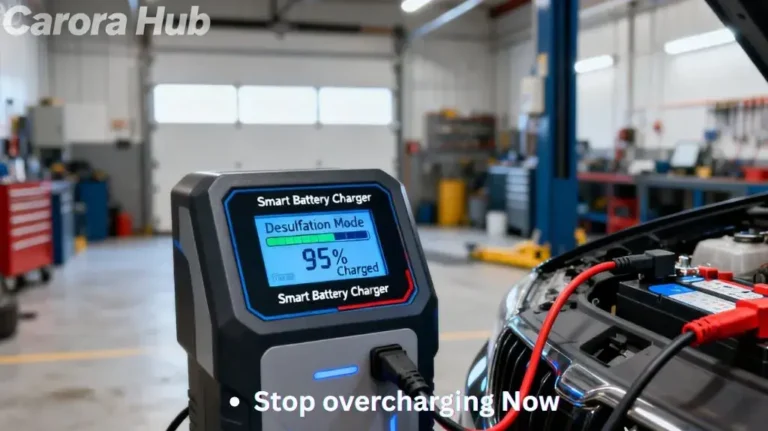
A smart battery charger or maintainer is a great tool. Use a charger made for your battery type (AGM, flooded, gel). Charge on a low or medium setting unless the charger’s manual suggests a safe reconditioning mode. Fast charging can heat and damage the battery if done improperly.
Use A Smart or Trickle Charger For Deeper Recovery
If the battery was deeply discharged, plug in a smart charger or trickle charger overnight. These chargers bring a battery back slowly and safely. They also help avoid the heat and stress of rapid charging. I often use a smart charger after long storage or severe discharge.
Avoiding Short Trips
Short drives do not give the alternator enough time to restore a battery. After a jump start, drive for at least 20 to 30 minutes. If the battery was heavily drained, plan a longer trip or use a charger. Regular short trips are one of the biggest causes of slow battery decline over time.
Watch Belt Tension And Connections
A slipping alternator belt or corroded terminals reduces charging. Inspect the belt for cracks and proper tension. Clean battery posts and cable clamps for good electrical contact. These small checks improve charging efficiency immediately.
Preventing Future Battery Issues
Preventing repeat battery problems saves time and money. I follow a simple routine that keeps my battery reliable. These steps reduce surprises and prolong battery life.
Regular Maintenance Habits
Do these regularly:
- Check terminals for corrosion and clean them with a brush and baking soda solution if needed.
- Ensure the battery is firmly mounted to avoid vibration damage.
- Test resting voltage monthly to detect a slow decline.
- Drive the car regularly to keep the battery topped up and avoid sulfation from long storage.
Battery Replacement Timing
Batteries usually last three to five years. Replace the battery before it fails completely. Signs you need a new battery include slow cranking, dim lights, or a battery that won’t hold charge. Keep a note of the battery’s age and CCA rating so you replace it proactively.
Proper Jump Start Techniques
Follow safe connection order when jump starting:
- Connect positive to positive.
- Connect negative of donor to a metal ground on the dead car (not the battery negative terminal).
- Avoid sparks near the battery.
- Let the donor run for a minute or so before trying to start the dead car.
- After starting, run the engine for at least 20 minutes to allow charging.
These steps protect both the battery and the vehicle’s electronics.
Test For Parasitic Drain
If your battery keeps dying, check for parasitic drains. Things like aftermarket alarms, poor wiring, or faulty modules can draw current when the car is off. A simple amp draw test can find the culprit. Fixing a parasitic drain often solves repeated dead-battery problems.
Storage And Seasonal Care
If you store a car for weeks or months, use a maintainer or disconnect the battery. In cold weather, a battery heater or insulated wrap helps maintain capacity. These small steps reduce winter surprises.
FAQs About Engine Run Time After Jump Start
How Long Should You Run The Engine After A Jump Start?
Run the engine for at least 20 to 30 minutes after a jump start. If the battery was deeply drained or is old, plan for 45–60 minutes or use a smart charger to finish the job.
Can Short Engine Run Time Damage The Battery?
Short engine runs won’t directly damage the battery, but they often leave it undercharged. Repeated shallow charges and deep discharges reduce battery life and can cause starting issues later.
What Factors Affect Engine Run Time After Jump Starting?
Battery age and type, alternator condition, temperature, and driving habits all influence required run time. Older batteries and cold weather usually need longer runs to recover.
Is Idling Enough To Restore Battery Charge Fully?
No. Idling yields lower alternator output than driving. A steady drive at moderate speed charges the battery more efficiently than long idling sessions.
Should I use a battery charger after a jump start?
Yes, if the battery was deeply discharged or if you notice repeated failures. A smart charger can complete the charge safely and run diagnostics if needed.
How can I tell if the alternator is failing?
Look for warning lights on the dash, dimming lights, or voltage readings that stay below 13.5V while the engine runs. Have the alternator tested at a shop to confirm.
Golden Thoughts
To fully restore your car battery after a jump start, keep the engine running for at least 30 minutes. That gives the alternator time to recharge the battery properly. Driving at a steady speed helps more than idling, because it raises alternator output.
Avoid turning the engine off too soon. Regular checks on battery health, proper jump-start technique, and using a smart charger when needed will prevent most future issues. Follow these practical steps and your battery will stay strong and reliable. Small, consistent care goes a long way in keeping your vehicle ready.

I am Julian Drive, an automotive enthusiast and repair expert with over 7 years of hands-on experience in vehicle maintenance. At Carora Hub, I simplify complex car issues into easy-to-follow DIY guides to help drivers stay safe and save on repair costs.