When your car won’t start after replacing the battery, it’s frustrating and confusing. You expect a fresh battery to solve problems, but instead, nothing happens or you get strange noises, clicks, or warning lights. You’re not alone. Many drivers face this situation, especially if their car’s electrical system is sensitive or if something was missed during the battery swap.
The good news? Most causes are straightforward, and you can fix them yourself with some patience and guidance.
In this article, you’ll learn step-by-step how to diagnose and fix a car that won’t start after a new battery is installed. We’ll cover common mistakes, electrical checks, starter and alternator issues, and even some less obvious problems that catch beginners off guard.
By the end, you’ll know how to confidently tackle the issue, avoid costly mistakes, and get your car back on the road. For more solutions like this, check our complete battery troubleshooting guides.
Why Your Car Won’t Start After Replacing The Battery
If your car refuses to start after you put in a new battery, several things might be wrong. It’s tempting to blame the battery, but often the problem lies elsewhere.
- Loose or corroded connections: Battery terminals must be tight and clean.
- Incorrect battery installation: Wrong battery orientation or size can cause issues.
- Faulty starter or alternator: Sometimes these fail right when you replace the battery.
- Blown fuse or relay: Battery replacement can accidentally blow a fuse.
- Security system reset: Modern cars may need a system reset.
- Bad ground connection: Poor grounding prevents electrical flow.
- Forgotten steps: Leaving out a cable or connector during installation.
- Parasitic drain: Something drains the battery even when off.
- Faulty battery (even new): Manufacturing defects happen.
Let’s dig deeper into each possible cause and how you can fix it.
Step-by-step Troubleshooting
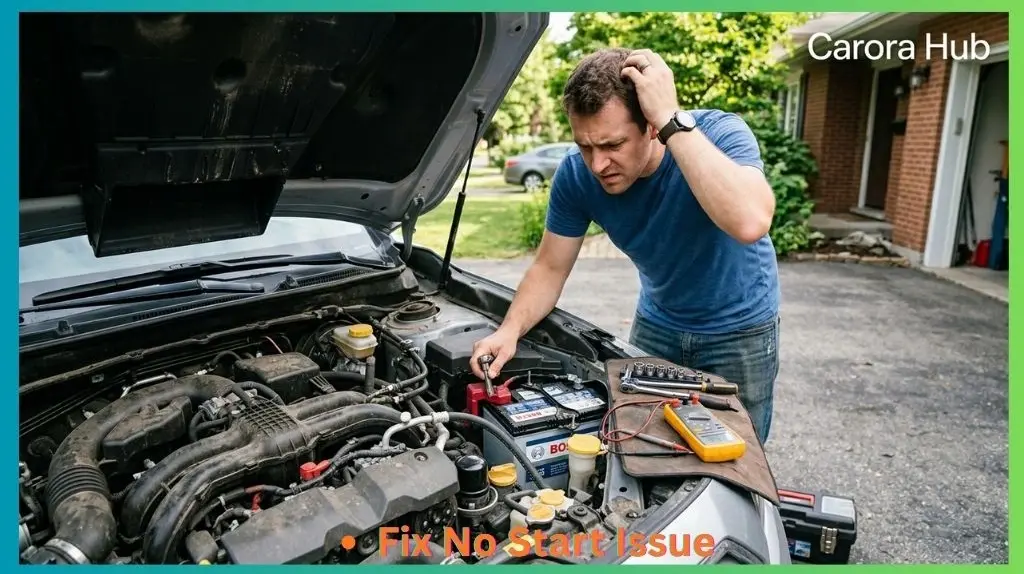
You don’t need fancy tools to start diagnosing. Here’s a clear process to follow:
1. Check Battery Connections
Even experienced mechanics sometimes miss a loose cable. A poor connection can stop all electrical flow.
- Inspect both positive and negative terminals.
- Look for corrosion (white or green powder).
- Make sure cables are tight—wiggle them gently.
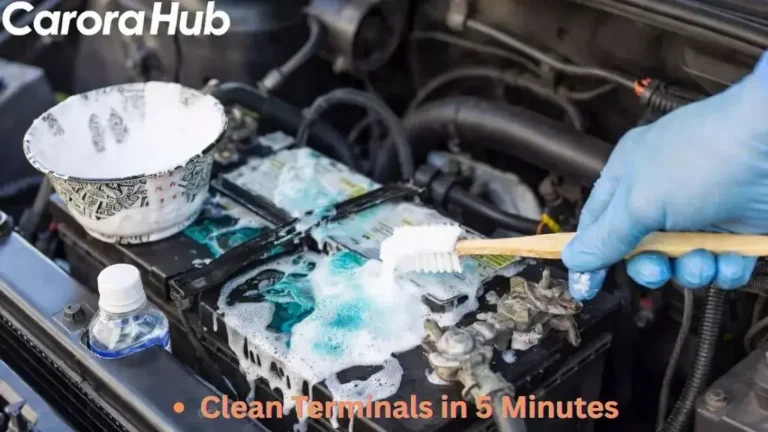
- Clean terminals with a wire brush if needed.
If you see corrosion, mix baking soda with water and scrub gently. Dry everything before reconnecting.
2. Verify Battery Orientation And Size
Batteries have positive (+) and negative (-) posts. Installing them backward can damage electronics.
- Double-check the battery orientation.
- Confirm the battery is the correct size for your car.
- Check the cold cranking amps (CCA) rating matches the manufacturer’s specs.
If you’re unsure, look up your car’s battery specifications or ask an auto parts store.
3. Inspect Starter And Alternator
Sometimes, a battery change coincides with starter or alternator failure. It’s rare, but possible.
Signs Of Starter Problems:
- Clicking noise when turning the key.
- No sound at all, but lights work.
Signs Of Alternator Problems:
- Battery drains fast after installation.
- Car starts, then dies after a few minutes.
To check the starter, tap it gently with a wrench while someone turns the key. If the car starts, the starter is likely bad.
To check the alternator, jump-start the car. If it runs, measure voltage at the battery with the engine on. It should read 13.8–14.4 volts. If lower, the alternator is faulty.
4. Check Fuses And Relays
Sometimes, a battery swap can accidentally blow a fuse or relay. This is especially common in newer cars.
- Open the fuse box under the hood or dashboard.
- Find the starter, ignition, and main fuses.
- Pull them out and inspect for a broken wire inside.
- Replace any blown fuses with the same rating.
You May Like This Article: Fuse Box Diagram & Common Toyota Sienna Fuse Issues
Here’s a simple comparison of common fuse problems:
| Fuse Type | Symptoms | Solution |
|---|---|---|
| Starter Fuse | No crank, no sound | Replace fuse |
| Ignition Fuse | No dash lights, dead ignition | Replace fuse |
| Main Fuse | Everything dead, no power | Replace fuse |
Relays are small boxes next to fuses. Swap a similar relay if you suspect it’s bad.
5. Reset Security System
Many modern cars have anti-theft systems that can lock out the ignition after battery change.
- Look for a flashing security light.
- Try locking and unlocking the doors with the remote.
- Insert the key and turn to “on” for 10–15 minutes.
- Some cars require you to enter a code or sequence.
If you’re stuck, consult your car’s manual or visit the manufacturer’s website. This step is often missed by beginners.
6. Test Ground Connections
A bad ground stops all electrical flow. Most cars have a ground cable from the battery to the frame.
- Follow the negative cable to where it connects to metal.
- Make sure the bolt is tight and the metal is clean.
- If you see rust, clean it with sandpaper.
- Reattach and tighten the cable.
A weak ground can cause intermittent issues. Double-check this even if everything looks fine.
7. Check For Parasitic Draw
If your new battery keeps dying, something is draining power when the car is off.
- Remove the negative cable.
- Set a multimeter to amps.
- Connect one lead to the battery, one to the cable.
- With everything off, you should see less than 50 milliamps.
If you see higher readings, start pulling fuses one by one. When the drain drops, you’ve found the culprit.
8. Inspect Battery Itself
Even new batteries can be defective. Check for:
- Cracks or leaks.
- Swelling (rare, but dangerous).
- Voltage below 12.4 volts.
If possible, have the battery tested at an auto parts store. They use special machines to check health.
9. Double-check Connections Under The Hood
Sometimes, during battery replacement, other cables or connectors are knocked loose. Look for:
- Disconnected wires near the battery.
- Loose connectors on the fuse box.
- Broken plastic clips.
Reconnect anything that looks out of place. Beginners often miss small connectors, which can disable ignition or fuel systems.
10. Check Ignition Switch And Key
Worn keys or faulty ignition switches can suddenly fail after a battery change.
- Try a spare key if you have one.
- Wiggle the key gently while turning.
- If the dash lights flicker, the switch may be bad.
Ignition switches are more common in older cars, but they can still fail unexpectedly.
11. Inspect Engine Control Module (ecm)
Modern cars rely on the ECM for starting and running. Sometimes, a battery swap confuses the computer.
- Disconnect the battery for 10 minutes, then reconnect.
- Try to start the car.
- If you see warning lights or strange messages, scan for codes with an OBD-II reader.
If the ECM needs a reset, follow the steps in your car’s manual. Sometimes, a dealer visit is necessary.
You May Like This Guide: Toyota Sienna Dashboard Warning Lights Explained
Common Mistakes When Replacing A Battery
Replacing a battery seems simple, but mistakes are easy to make. Here’s what to avoid:
- Forgetting to disconnect the negative cable first: Always remove negative, then positive.
- Not cleaning terminals: Dirty terminals block power.
- Installing the wrong battery: Double-check size and specs.
- Leaving tools or objects on the battery: Can cause shorts.
- Not tightening cables: Loose cables lead to intermittent issues.
- Dropping the battery: Damages internal plates.
- Not checking for blown fuses: Overlooked step.
- Ignoring security system reset: Leads to lockout.
- Touching both terminals with tools: Causes sparks and damage.
- Not testing voltage before installation: Don’t assume new means good.
Avoiding these mistakes saves time and prevents bigger problems.
If you’re unsure about battery lifespan, also read How long does a car battery last in a car to rule out premature failure.
Signs Your Car’s Issue Isn’t The Battery
Sometimes, replacing the battery isn’t enough. Here’s how to know the problem lies elsewhere:
- Car starts with a jump, then dies: Alternator likely bad.
- Lights and radio work, but engine won’t turn: Starter or ignition issue.
- No electrical power at all: Main fuse blown or ground issue.
- Security light flashes: Anti-theft system engaged.
- Battery drains overnight: Parasitic draw.
Here’s a quick comparison table:
| Symptom | Likely Cause | Next Step |
|---|---|---|
| Clicking sound | Starter or weak connection | Check starter, tighten cables |
| No sound, no power | Main fuse or ground | Inspect fuses, ground cable |
| Security light on | Anti-theft lockout | Reset system |
| Dies after start | Alternator | Test alternator voltage |
How To Fix Common Problems
Let’s look at practical fixes for each issue.
Tighten And Clean Battery Terminals
A wire brush, baking soda, and water will clean corrosion. Make sure cables are tight. If clamps are loose, replace them. This simple step solves most starting issues.
Replace Blown Fuses
Buy new fuses at an auto parts store. Use the same amp rating. If a fuse blows again, there’s an underlying problem—don’t keep replacing without investigating.
Reset Security System
Follow your car’s manual. Usually, locking/unlocking with the remote or waiting with the key in “on” works. If not, try disconnecting the battery for 30 minutes. Some cars require dealer intervention.
Replace Starter Or Alternator
If you confirm the starter or alternator is bad, replace it. Starters are often under the engine, alternators are near the top. If unsure, ask for help.
Fix Ground Connections
Clean rust and tighten bolts. If the cable is damaged, replace it. Many cars have extra ground points—check all of them.
Solve Parasitic Drain
Once you find the draining circuit by pulling fuses, check for stuck relays, lights, or accessories that stay on. Sometimes, trunk or glove box lights get stuck.
Replace Defective Battery
If the battery tests bad, return it for a replacement. Most stores will swap it under warranty.
Less Obvious Issues Beginners Miss
There are a few problems that often surprise people:
- Body control module reset: Some cars need the BCM reset after battery swap.
- Hidden battery connectors: Some cars have extra connectors under covers.
- Bad battery cable: Cable can look fine but be internally broken.
- Faulty neutral safety switch: Automatic cars won’t start unless in “park.”
- Disconnected sensors: MAF or crank position sensors can accidentally get unplugged.
If you’ve checked everything else, consider these possibilities.
When To Seek Professional Help
If you’ve tried everything and your car still won’t start, it’s time for a professional. Signs you need help:
- Burning smell or smoke: Stop immediately.
- Repeated blown fuses: Electrical short.
- Strange noises or warning lights: Possible computer issue.
- You feel unsafe or unsure: Don’t risk injury.
Auto shops have diagnostic tools and can quickly spot hidden problems. Some issues—like ECM failures—require programming only a dealer can do.
Real-life Examples
Let’s look at a few real scenarios:
- Jane’s Honda CR-V: After battery replacement, nothing happened. Turns out, the main fuse was blown. A $2 fuse fixed everything.
- Tom’s Ford F-150: The truck started, but died after a few minutes. Alternator was bad—battery swap just masked the issue.
- Sam’s Toyota Camry: Security light flashed after battery change. Needed to reset the anti-theft system by locking and unlocking doors.
- Linda’s Chevrolet Malibu: Car wouldn’t crank, but lights worked. Starter had failed—coincidence, but common.
- Alex’s Nissan Altima: Battery cable looked fine, but was corroded inside. Replacing the cable solved the problem.
These cases show how small details matter. Don’t overlook basics, but also consider less obvious issues.
Tips For Safe Battery Replacement
Changing a battery is easy, but safety matters. Here are practical tips:
- Wear gloves and eye protection.
- Always remove the negative cable first.
- Don’t touch both terminals with tools.
- Work in a well-ventilated area.
- Secure the battery in its tray—loose batteries can shift and cause damage.
- Dispose of old batteries properly—most stores recycle for free.
How To Prevent Problems Next Time
To avoid starting issues after battery replacement, follow these steps:
- Check battery specs before buying.
- Clean terminals and tray before installation.
- Inspect cables for wear.
- Test the new battery voltage (should be over 12.4 volts).
- Reconnect cables tightly.
- Check for blown fuses if something doesn’t work.
- Reset security system as needed.
- Start the car and watch for warning lights.
Keeping a checklist saves time and trouble.
Quick Reference Table: What To Check If Your Car Won’t Start
Here’s a handy table for troubleshooting:
| Step | What to Check | Tools Needed |
|---|---|---|
| 1 | Battery terminals | Wrench, wire brush |
| 2 | Battery orientation and specs | Owner’s manual |
| 3 | Starter/alternator | Multimeter, wrench |
| 4 | Fuses/relays | Fuse puller |
| 5 | Security system | Remote/key |
| 6 | Ground cable | Sandpaper |
| 7 | Parasitic drain | Multimeter |
| 8 | Battery health | Multimeter |
FAQs How to Fix a Car That Won’t Start After Replacing the Battery
Why Does My Car Have No Power At All After Replacing The Battery?
This usually means a main fuse is blown or the ground cable is loose. Check the fuse box for a large fuse labeled “main,” and inspect the negative cable’s connection to the car body.
Can A New Battery Be Faulty?
Yes, even new batteries can be defective. They may have manufacturing flaws or be damaged during shipping. Test the battery with a multimeter or at an auto parts store before assuming it’s good.
Why Does My Car’s Security Light Blink After A Battery Swap?
Modern cars have anti-theft systems that may reset after battery replacement. The blinking light means the system is locked. Try locking and unlocking the doors with the remote, or follow your owner’s manual for a reset.
How Do I Know If The Alternator Is Bad?
If your car starts with a jump but dies quickly, or if the battery keeps draining after installation, the alternator is likely faulty. Test voltage at the battery with the engine running if it’s below 13.8 volts, replace the alternator.
Do I Need To Reprogram My Car’s Computer After Changing The Battery?
Most cars do not require computer reprogramming, but some modern vehicles may need a system reset. Check your owner’s manual or visit the manufacturer’s site for details. If warning lights remain after battery replacement, scan for error codes.
Getting stuck after a battery swap isn’t fun, but you now have clear steps and practical advice to solve the problem. Don’t rush—double-check connections, test components, and follow safety tips. If you reach a dead end, seek help from a professional. For more in-depth car electrical knowledge, visit Wikipedia.
By understanding these steps, you’ll save time, money, and avoid stress. Next time your car won’t start after a battery change, you’ll know exactly what to do.
You can find more battery-related fixes in our Power and Battery guides.

I am Julian Drive, an automotive enthusiast and repair expert with over 7 years of hands-on experience in vehicle maintenance. At Carora Hub, I simplify complex car issues into easy-to-follow DIY guides to help drivers stay safe and save on repair costs.