A car battery that leaks acid is a serious problem. When you spot wetness, crusty white powder, or greenish corrosion on the battery, it is not just a small mess. It can damage your car, create safety risks, and make your vehicle unreliable.
I’ve seen this on cars I’ve worked on and owned. Many drivers panic when they notice it. But knowing what causes a leak and what to do first helps you stop the problem from getting worse.
Most people do not expect batteries to leak from the top. Still, leaks are more common than you think. Below, I explain the usual causes of acid leaking from a battery’s top, the risks involved, how to spot a leak fast, what to do immediately, and how to prevent future leaks.
I also walk through the parts of a battery that fail first, add practical tips I’ve used, and answer common questions readers ask. As we discussed in Can a Bad Alternator Drain a Car Battery Overnight, a faulty charging system can do more than drain power — it can cause physical damage that leads to leaks.
What Does Leaking Acid Look Like?
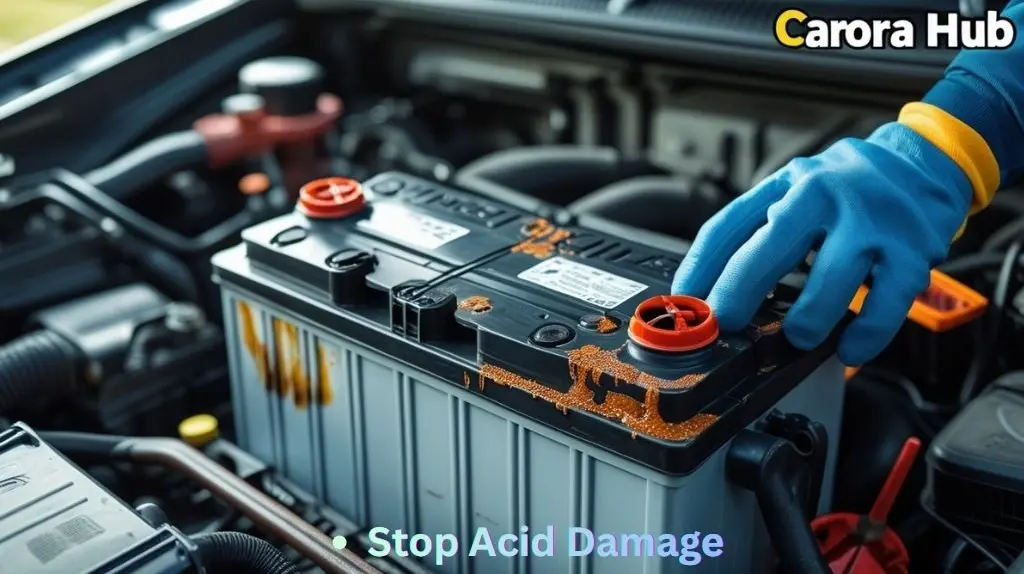
Battery acid leaks do not always look the same. You might see a clear or slightly cloudy liquid on the case. Often you’ll find white, gray, blue, or green powder near the posts or vents. That powder forms when sulfuric acid hits metal or air and corrodes it.
Look for these signs:
- Wet, oily, or crusty spots on the battery top, especially around the posts or vent caps
- White, blue, or green powdery buildup (corrosion) near the terminals or battery tray
- Cracks, bulges, or deformities in the battery case
- Strong rotten-egg smell (hydrogen sulfide or sulfuric fumes)
If you see any of these, treat the battery as leaking until a test proves otherwise.
Why Do Car Batteries Leak Acid From The Top?
Not every leak has the same cause. Below are the most common culprits I encounter. I explain each in plain terms and give quick tips for spotting them.
1. Overcharging
Overcharging heats the battery and makes the internal acid boil. That raises internal pressure. Acid, gas, or electrolyte can be forced out through vent caps or tiny cracks on top.
Common causes: a failed alternator, a bad voltage regulator, or a cheap/incorrect charger. Overcharging is a leading cause of leaks. If you smell sulfur or see rapid boiling on top while charging, stop immediately.
2. Physical Damage
A dropped battery or a hard impact can crack the plastic case. Even a small top crack lets acid escape. Damage can happen during installation or from a loose battery that moves on the mount.
Batteries are heavy and their cases are tough. But they are not invincible.
3. Old Or Worn-out Battery
Batteries age. The plastic case grows brittle. Seals fail. Small leaks form around posts and vents. Most car batteries last 3–5 years. Heat, frequent deep discharge, or poor charging shorten life and raise leak risk.
4. Faulty Vent Caps
Vent caps let gases escape. If a cap is loose, damaged, or missing, acid can push out during charging or when the battery heats up. Always confirm vent caps are in place and seated correctly after service.
5. Excessive Vibration
A loosely clamped battery vibrates while you drive. Over time this can wear seals, loosen caps, and even crack the case. Tighten the hold-down to stop movement. I check this on every car I service.
6. Extreme Temperatures
Heat makes batteries swell and increases pressure. Cold can make plastic brittle and crack. In both cases, the risk of top leaks rises. If you live in very hot or cold climates, check the battery more often.
7. Manufacturing Defects
Rarely, a battery leaves the factory with poor seals or a weak spot. New batteries can leak if they have a defect. Buy quality brands and keep the receipt for warranty coverage.
8. Improper_Maintenance
For serviceable batteries, overfilling with water can cause spills. Using harsh cleaners or ignoring corrosion also raises the chance of leaks. Follow the manufacturer’s maintenance steps, and use distilled water only when needed.
9. Internal Short Circuit
A cell can short internally from plate sulfate build-up or manufacturing fault. That creates heat and gas, and pressure pushes acid out. Internal shorts often make the battery fail fast and unpredictably.
10. Charging With The Wrong Charger
Chargers vary. A charger with too high voltage or current can overwork the battery. Always match charger settings to the battery type (flooded, AGM, gel, or maintenance-free). Smart chargers that auto-detect battery type reduce risk.
Why Acid Leakage From The Top Is Dangerous
A small leak may seem harmless. It is not. Battery acid and gases cause real damage and risk.
- Corrosion: Sulfuric acid eats metal. Terminals, cables, battery trays, and nearby body panels can corrode. Corroded parts fail and can strand you.
- Electrical problems: Acid and corrosion can short connections, causing starting issues, dim lights, or random electrical faults.
- Fire and explosion risk: Batteries give off hydrogen gas. A spark can ignite it. A leaking battery raises the chance of a dangerous event.
- Health hazard: Sulfuric acid can burn skin and eyes. The fumes are harmful. Always protect yourself.
How To Confirm Your Battery Is Leaking Acid
Not every wet spot is acid. Here are safe ways to confirm a leak:
- Visual inspection: Look for wet, oily, or powdery areas on the top and around posts and caps.
- Smell test: A leaking battery often smells like rotten eggs or sulfur.
- Touch test (with gloves): Carefully touch powder with a gloved finger. If it burns or fizzles, it’s likely acid.
- pH test: Use a pH strip. Battery acid is very acidic (pH < 2). If the strip turns strongly acidic, assume a leak.
- Check nearby metal: Look for green or white corrosion on the battery tray, clamps, or cable ends.
If you are unsure, treat the area as hazardous. When in doubt, call a mechanic.
What To Do If Your Battery Is Leaking
Act fast, but act safely. Here are the steps I follow and recommend:
- Turn off the car: If you smell acid, see smoke, or find visible leaks, shut the engine off and do not drive.
- Wear protective gear: Use chemical-resistant gloves and goggles before touching the battery.
- Disconnect the battery: Remove the negative cable first, then the positive. Avoid tools that can bridge both terminals.
- Neutralize spills: Use baking soda mixed with water to neutralize acid. Apply slowly until fizzing stops.
- Remove and replace: Take the leaking battery out. Do not try to patch or reseal a cracked battery. Replace it.
- Dispose properly: Take the old battery to an auto parts store, recycling center, or hazardous waste facility. Never toss it in regular trash.
- Check surrounding parts: Inspect the tray, cables, connectors, and body panels. Clean or replace corroded parts.
Quick Safety Checklist (My Go-To)
- Gloves and goggles on before you touch anything.
- Ventilate the area—open the hood and doors.
- Disconnect negative terminal first to reduce short risk.
- Neutralize spills with baking soda solution.
- Keep children and pets away until cleaned or replaced.
When To Call a Professional
Call a mechanic if the battery is cracked, if acid reached wiring or bodywork, or if you see heavy corrosion on the alternator or fuse box. Also get help when you cannot safely lift or remove the battery.
How To Prevent Battery Acid Leaks
Prevention beats repair. These steps keep most batteries healthy:
- Check the battery regularly: Inspect for leaks, cracks, bulges, and corrosion every few months.
- Keep terminals clean: Use a baking soda and water mix to wipe away powder. Rinse and dry.
- Tighten the hold-down: Ensure the battery cannot move or shake in its tray.
- Avoid overcharging: Use a quality charger. Test the alternator and voltage regulator.
- Replace old batteries: Don’t wait for total failure — swap at 3–5 years depending on climate and use.
- Add water properly: For serviceable batteries, use distilled water only and don’t overfill.
- Park in moderate temps: Avoid extreme heat or cold when possible.
- Choose quality batteries: Buy reputable brands with good warranties.
- Check charger settings: Match the charger to your battery type and amperage.
- Service the charging system: Fix alternator or regulator problems quickly.
Parts Of A Car Battery Involved In Leaks
Knowing battery parts helps you spot weak points early.
| Part | Role in Leaks | Common Problems |
|---|---|---|
| Case | Holds the acid and lead plates | Cracks from impact, age, or swelling |
| Vent Caps | Let gases escape safely | Loose, broken, or missing caps leak acid |
| Terminals | Connect battery to car | Corrosion and leaks around posts |
| Seals | Keep acid in place | Worn or defective seals leak with age |
Additional Notes on Battery Construction
Lead plates, separators, and electrolyte all sit inside the case. Heat, overcharge, or mechanical stress can warp plates or break seals. Sealed types (AGM/gel) reduce leak risk because they are built to contain electrolyte unless physically damaged.
Common Mistakes When Handling Leaking Batteries
Avoid these errors I’ve seen many times:
- Using bare hands to clean acid
- Ignoring a small leak or corrosion
- Trying to patch or glue a cracked battery
- Charging a leaking battery
- Throwing the battery in regular trash
Never touch battery acid with bare skin. Never try to repair a leaking battery—replace it and recycle properly.
How A Leaking Battery Affects Your Car’s Performance
Typical symptoms you may notice:
- Hard starting or no-start conditions
- Dim headlights and other electrical failures
- Battery or check engine warning lights
- Slow or erratic charging
Leaked acid can damage wires, fuses, sensors, and painted surfaces. Damage may be hidden under covers or inside harnesses, so inspect thoroughly.
How To Tell If Your Alternator Or Charger Is Causing The Leak
Charging problems often start a leak. Here’s how to check:
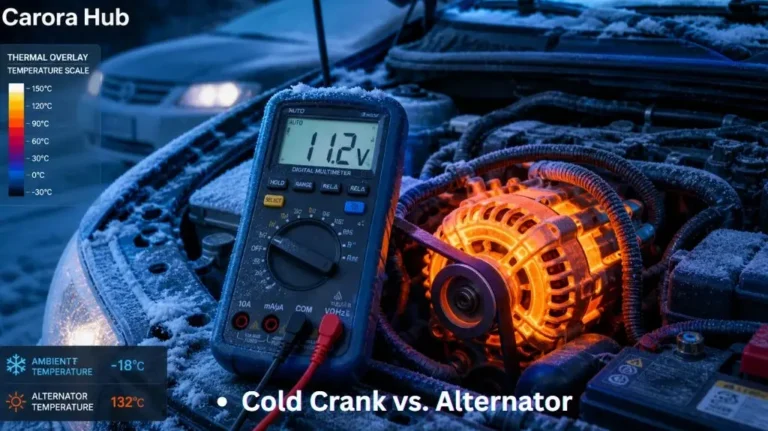
- Test alternator output: With the engine running, most cars should read 13.7–14.7 volts. Higher readings point to overcharging.
- Check the voltage regulator: If voltage jumps or is unstable, the regulator may be failing.
- Inspect charger settings: Make sure any external charger is set for the right battery type and amperage.
If the charging system is faulty, fix it before putting in a new battery. Otherwise you risk repeating the same damage.
Simple Alternator Test I Use
1) Start the car and read voltage at the battery with a multimeter. 2) Note voltage with headlights on and off. 3) If voltage is above 15V or fluctuates widely, stop and have the alternator checked.
Comparing Battery Types: Which Are More Likely To Leak?
Not all batteries behave the same. Here’s a short comparison:
| Battery Type | Leak Risk | Main Reason |
|---|---|---|
| Flooded Lead-Acid | High | Liquid electrolyte, removable caps, can spill |
| Sealed Lead-Acid (AGM/Gel) | Low | Sealed case; only leaks if damaged |
| Maintenance-Free | Medium | Sealed but can leak if cracked or overcharged |
If you want fewer leaks, choose AGM or gel batteries. They cost more but lower the risk of spills and top leaks. Still, they must be matched to your vehicle’s charging system.
Real-world Example: Acid Leak Damage
I worked on a 2016 Toyota Camry with slow starting. The owner found white powder on the battery and tray. The mechanic traced it to overcharging from a faulty alternator. Acid had corroded the tray and cables.
Repairs included a new battery, alternator, battery tray, and cables — over $600. The bill could have been much smaller if the alternator issue had been caught earlier.
This example shows how a charging fault can lead to cascading damage. Regular checks save time and money.
How Much Does It Cost To Fix A Leaking Battery?
The cost depends on what’s damaged:
- New battery: $80–$200 for most cars (AGM models cost more)
- Battery tray: $20–$100 if corroded or replaced
- Cables and terminals: $15–$50 per set
- Labor: $50–$150 at a shop, more if wiring or sensors need repair
If acid has eaten paint, wiring, or sensors, repair costs can rise a lot. Catching leaks early reduces repair bills.
How Long Can You Drive With A Leaking Battery?
You should not drive with a leaking battery. Acid can drip onto wiring, fuses, and sensors as you drive. That can cause a short, a fire, or a breakdown. Replace the battery before you drive again.
How To Choose A Replacement Battery
When picking a replacement, focus on fit and specs:
- Correct size and terminal layout for your car (check your owner’s manual)
- Right cold cranking amps (CCA) for your climate and engine size
- Good warranty (at least 2–3 years)
- Consider sealed AGM or maintenance-free for less leak risk
- Buy a trusted brand with solid reviews
Avoid the cheapest battery you find. Thin cases and poor seals often lead to early failure and leaks.
What To Tell Your Mechanic
Give your mechanic these details to speed diagnosis:
- When you first noticed the leak
- Any smells, smoke, or sudden performance changes
- Any recent battery or electrical work
- If the battery is old or new, and its make/model if known
These clues help the shop check the charging system, alternator, and wiring for related damage.
If you’re routing electronics safely, also read How to hide dash cam wires without removing trim to prevent accidental damage near wiring.
How To Safely Clean Battery Acid
If you must clean acid before replacing the battery, follow these steps:
- Put on gloves and eye protection.
- Mix baking soda and water (about 1 tablespoon per cup of water).
- Pour or wipe the mix onto the affected area. It will fizz as it neutralizes the acid.
- Wipe up the liquid with a disposable rag.
- Rinse with clean water and dry.
Dispose of rags safely—they contain neutralized acid and heavy metals. Never touch acid with bare hands. If acid has sprayed onto painted surfaces, wash and treat paint quickly to avoid etching.
How To Prevent Leaks After Installing A New Battery
- Clamp the battery tightly so it cannot move.
- Do not overfill serviceable batteries with water.
- Check the charging system right after installation.
- Clean terminals and apply a small amount of petroleum jelly to slow corrosion.
- Recheck the battery after 1–2 weeks for any sign of leaks or heating.
Data: How Often Do Car Batteries Leak?
Studies and repair shop data show roughly 5–10% of car batteries develop a leak during their lifetime. Most leaks trace back to overcharging or physical damage. Older batteries are about twice as likely to leak as new ones. In hot climates, leaks occur roughly 30% more often due to higher operating temperatures.
For more technical background, you can read about battery design on Wikipedia.
A leaking car battery is never normal. Now you know the usual causes, how to spot leaks, what to do safely, and how to prevent future problems. Regular checks, a good charger, and prompt repair of charging faults will keep your battery healthy and your car running.
FAQs About Why is My Car Battery Leaking Acid from the Top
Why Does My Battery Leak Only When Charging?
Charging makes the battery heat up and produce gas. If the battery is overcharged or has a bad vent, acid can be pushed out of the top during charging.
Is It Safe To Touch Battery Acid?
No, battery acid can burn your skin and eyes. Always use gloves and goggles when handling a leaking battery.
Can A Leaking Battery Still Work?
Sometimes, but a leaking battery will fail soon. It also risks damaging your car and is unsafe to use.
How Do I Dispose Of A Leaking Car Battery?
Take it to an auto parts store, recycling center, or hazardous waste facility. Never put it in the trash.
Does A Leaking Battery Mean My Alternator Is Bad?
Not always, but overcharging from a bad alternator is a common cause of leaks. Have your charging system checked if your battery leaks.

I am Julian Drive, an automotive enthusiast and repair expert with over 7 years of hands-on experience in vehicle maintenance. At Carora Hub, I simplify complex car issues into easy-to-follow DIY guides to help drivers stay safe and save on repair costs.