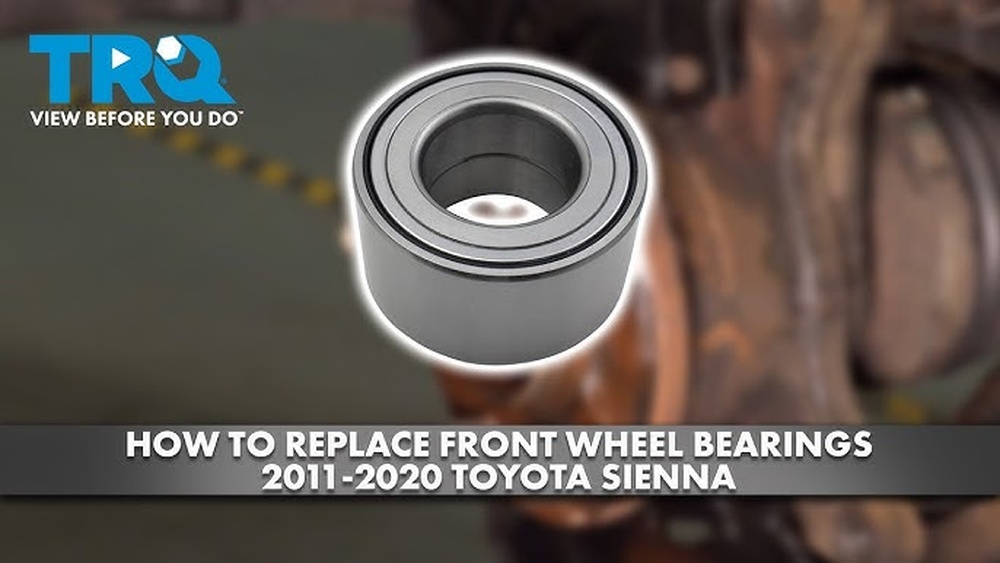
Is your Toyota Sienna making strange noises or feeling less smooth when you drive? These could be signs that your wheel bearings need attention.
Ignoring wheel bearing problems can lead to bigger issues and costly repairs. You’ll learn the key symptoms to watch for, so you can spot problems early and keep your Sienna running safely and smoothly. Keep reading to find out exactly what to look for and how to protect your vehicle.
Common Wheel Bearing Issues
Wheel bearings are important parts of the Toyota Sienna. They help the wheels turn smoothly. Over time, wheel bearings can wear out or get damaged. This causes several common problems that affect driving safety and comfort.
Recognizing these issues early helps avoid bigger repairs. It keeps the vehicle safe on the road. Below are the most common wheel bearing issues in the Toyota Sienna.
Noise From The Wheel Area
A common sign of bad wheel bearings is noise. You may hear humming, grinding, or growling sounds. These noises often get louder when turning or driving faster. They come from the worn bearing parts rubbing together.
Damaged wheel bearings cause the wheels to wobble. This wobbling leads to uneven tire wear. Tires may wear out faster on one side. This problem reduces tire life and can affect vehicle control.
Steering Wheel Vibration
Vibrations in the steering wheel may happen because of bad bearings. You might feel shaking or wobbling when driving. The vibrations usually increase with speed and make driving uncomfortable.
The Toyota Sienna’s ABS system uses sensors near the wheel bearings. A failing bearing can trigger the ABS warning light. This means the braking system might not work properly. It is a sign to check the wheel bearings quickly.
Loose Or Wobbly Wheels
Wheel bearings keep the wheel tight and secure. Bad bearings cause the wheel to feel loose or shaky. You can check this by lifting the car and moving the wheel by hand. Any play or wobble means the bearings need attention.

Credit: www.youtube.com
Noise While Driving
Noise while driving is one of the first signs of a worn wheel bearing on your Toyota Sienna. You may hear strange sounds coming from the wheels. These noises often get louder over time. Paying attention to these sounds helps you catch problems early. It prevents bigger damage and keeps your ride smooth and safe.
Grinding Or Humming Sounds
Grinding or humming sounds often come from bad wheel bearings. The noise may sound like metal rubbing or a low hum. It usually gets louder as you drive faster. These sounds come from the wheel hub where the bearing is. Worn bearings cause friction and strange noises. Ignoring these sounds can cause more damage and unsafe driving.
Changes With Speed Or Turns
Noise changes with speed or turns is a key sign of wheel bearing issues. The sound may increase as you speed up. It can also change when you make turns. For example, the noise may get louder when turning left or right. This happens because the load on the bearing shifts. Watching how the noise changes helps identify the bad wheel bearing. It guides timely repairs and safer driving.
Vibration And Steering Problems
Vibration and steering problems are common signs of worn wheel bearings in a Toyota Sienna. These issues affect driving comfort and vehicle safety. Noticing changes in steering feel or unusual shaking can help detect bearing problems early. Addressing these symptoms quickly prevents further damage and costly repairs.
Shaking Steering Wheel
A shaking steering wheel often signals a bad wheel bearing. The vibration usually grows stronger with speed. It may feel like the wheel wobbles or shakes without control. This happens because the bearing no longer holds the wheel firmly. Ignoring this symptom can lead to steering failure.
Unstable Handling
Unstable handling is another sign of wheel bearing issues. The Toyota Sienna may pull to one side or feel loose on the road. Turning corners might feel rough or uneven. This instability happens when the bearing cannot support proper wheel alignment. Fixing it restores smooth and safe driving.
Uneven Tire Wear
Uneven tire wear is a clear sign of trouble with your Toyota Sienna’s wheel bearings. When wheel bearings wear out or fail, they affect how the wheels spin. This causes the tires to wear down unevenly. You might notice bald spots or one side wearing faster than the other.
This problem reduces tire life and can cause unsafe driving conditions. Uneven tire wear also means your vehicle might pull to one side. This happens because the wheel does not rotate smoothly. Tires that wear unevenly can lead to poor handling and lower fuel efficiency.
How Worn Wheel Bearings Cause Uneven Tire Wear
Worn wheel bearings create extra play in the wheel hub. This makes the wheel wobble or tilt slightly. The uneven movement puts more pressure on parts of the tire. Those spots wear down faster than others. Over time, this leads to uneven tire wear patterns.
Signs Of Uneven Tire Wear On A Toyota Sienna
Check your tires regularly for signs of wear. Look for edges that are more worn or spots that are bald. Tires may also look cupped or scalloped. These patterns often mean the wheel bearings need attention. Uneven tire wear is one of the first signs of bad bearings.
Impact On Vehicle Safety And Performance
Uneven tire wear can affect how your Sienna handles on the road. It can cause vibrations and pulling during driving. This makes it harder to keep control. Bad wheel bearings and worn tires together increase the risk of accidents. Regular checks keep your drive safe and smooth.
Abs Warning Light Activation
The ABS warning light on a Toyota Sienna signals a problem with the anti-lock braking system. This light can turn on due to various issues, including a faulty wheel bearing. Understanding why the ABS light activates helps to keep the vehicle safe and reliable.
The wheel bearing plays a key role in the ABS system. It contains sensors that monitor wheel speed. If the bearing wears out or gets damaged, it may send wrong signals to the ABS computer. This can cause the ABS warning light to glow on the dashboard.
How A Bad Wheel Bearing Triggers The Abs Light
The wheel bearing sensor reads the wheel speed to prevent skidding. A worn bearing causes inconsistent or no signals. The ABS system then detects a fault and turns on the warning light. This alerts the driver to a potential braking issue.
Signs Of Abs Warning Light Due To Wheel Bearing Issues
Besides the ABS light, you may hear grinding or humming noises near the wheels. The steering might feel loose or shaky at times. The brake performance can also feel weaker or uneven. These signs often appear before the ABS warning light activates.
Why Immediate Attention To Abs Light Matters
An active ABS light means the anti-lock system may not work properly. This can increase stopping distances and reduce control during hard braking. Fixing a faulty wheel bearing early can prevent more serious brake problems and costly repairs.
Wheel Play And Movement
Loose or rough wheel movement can signal worn wheel bearings on a Toyota Sienna. Listen for unusual noises when turning or driving straight. Checking wheel play helps spot early bearing problems.
What Is Wheel Play?
Wheel play means the wheel moves more than it should. It happens because of a loose or damaged wheel bearing.
In a Toyota Sienna, wheel play can cause unsafe driving. The wheel may wobble or feel unstable on the road.
How To Detect Wheel Movement
Check wheel movement by lifting the car and shaking the wheel. Try to move it side to side and up and down.
If you feel extra movement, the wheel bearing might be worn out or broken.
Why Wheel Play Is Dangerous
Wheel play affects how the car handles. It can lead to bad steering and uneven tire wear.
Ignoring wheel play can cause bigger damage and expensive repairs later.
Impact Of Ignoring Symptoms
Ignoring wheel bearing symptoms in your Toyota Sienna can lead to serious problems. These issues may start small but can grow fast. Early signs like noise or vibration often point to wheel bearing trouble. Overlooking them risks your safety and wallet.
Safety Risks
Bad wheel bearings can cause the wheel to wobble or lock up. This loss of control can lead to accidents. The vehicle might pull to one side or feel unstable. Driving with faulty bearings increases the chance of a crash. Your family’s safety depends on fixing these issues quickly.
Costly Repairs
Delaying repairs often causes more damage. A worn wheel bearing can harm the hub, axle, and suspension parts. Repair costs rise as more components fail. Early replacement costs less and takes less time. Ignoring symptoms leads to expensive repairs and longer downtime for your Sienna.
Inspection And Diagnosis Tips
Inspecting and diagnosing wheel bearing issues on a Toyota Sienna requires careful attention. Early detection helps avoid costly repairs and unsafe driving conditions. This section guides you through simple steps to check for wheel bearing problems.
Knowing the symptoms is the first step. Then, use these tips to inspect and confirm if the wheel bearing is the cause.
Visual Inspection Of The Wheel Area
Start by looking at the wheel and surrounding parts. Check for any signs of damage, rust, or grease leaks. Damaged seals or grease around the wheel hub may indicate a worn bearing.
Listen For Unusual Noises
Drive the Sienna at low and medium speeds. Pay attention to humming, grinding, or growling sounds near the wheels. Noise changes with speed often point to wheel bearing wear.
Check For Wheel Play
Lift the vehicle safely with a jack. Grab the wheel at the top and bottom. Try to move it back and forth. Any excessive play or looseness could mean a bad wheel bearing.
Feel For Wheel Resistance
Spin the wheel by hand after lifting the car. It should turn smoothly and quietly. Roughness or grinding means the bearing may be failing.
Use A Stethoscope For Precise Diagnosis
A mechanic’s stethoscope helps locate noisy bearings. Place it near the hub while spinning the wheel. Listen carefully for any unusual sounds.
Repair And Replacement Options
Repair and replacement options for Toyota Sienna wheel bearings vary based on the damage extent. Early diagnosis can save money and prevent further issues. Proper care ensures smooth driving and safety on the road.
Choosing the right repair method depends on the symptoms and wheel bearing condition. A professional mechanic can help decide between repair and full replacement. Understanding these options helps maintain your vehicle’s performance.
Repairing Wheel Bearings On Toyota Sienna
Minor wheel bearing issues sometimes allow repair instead of replacement. Cleaning and lubricating the bearing may restore function temporarily. Tightening loose parts can reduce noise and vibrations. This option suits early-stage wear and small damages.
Replacing Wheel Bearings On Toyota Sienna
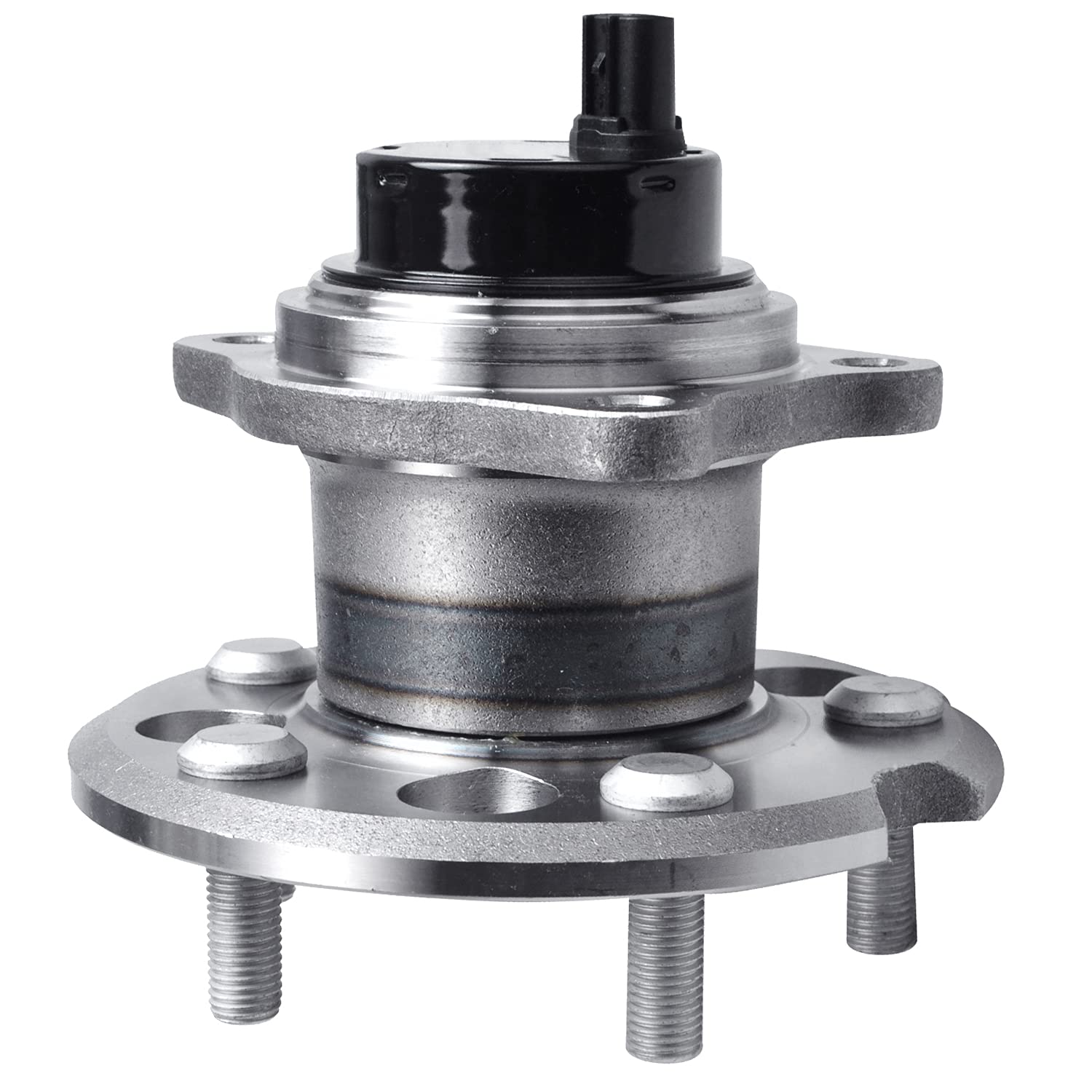
Severe damage or worn-out bearings require full replacement. New bearings improve handling and stop unusual noises. Replacement involves removing the old bearing and installing a new one. This option ensures long-term reliability and safety on the road.
Costs And Time For Repair Or Replacement
Repair costs are usually lower than full replacement. Repairs take less time but may not last long. Replacement is more expensive but offers lasting results. Time varies depending on mechanic skill and parts availability.

Credit: www.amazon.com
Preventive Maintenance For Wheel Bearings
Preventive maintenance helps keep your Toyota Sienna’s wheel bearings in good shape. Regular care stops problems before they start. It saves money and keeps your vehicle safe on the road.
Checking wheel bearings often detects wear early. Clean and lubricate parts to reduce friction. Replace damaged bearings before they cause bigger issues. This simple routine keeps your Sienna running smoothly and quietly.
Regular Inspection Of Wheel Bearings
Look for noise or roughness in the wheels. Listen for humming or grinding sounds while driving. Check for wheel play by gently shaking the tire. Early signs mean it’s time for a detailed check.
Proper Lubrication
Use the right grease designed for wheel bearings. Lubricate bearings during oil changes or tire rotations. This prevents heat buildup and reduces wear. Clean grease extends the life of your bearings.
Timely Replacement
Replace bearings at the first sign of damage or wear. Avoid driving with bad bearings to prevent accidents. Follow the manufacturer’s recommended replacement schedule. Fresh bearings improve handling and safety.
Credit: www.amazon.com
Frequently Asked Questions
What Are Common Wheel Bearing Symptoms In Toyota Sienna?
Common symptoms include humming or grinding noises, uneven tire wear, and steering vibration. You may also feel looseness in the wheel or experience ABS warning lights. These signs indicate a worn or damaged wheel bearing needing inspection.
How Does A Bad Wheel Bearing Affect Toyota Sienna?
A faulty wheel bearing causes noise, vibration, and poor handling. It can lead to uneven tire wear and increased brake system stress. Ignoring it risks wheel detachment, posing serious safety hazards.
Can Wheel Bearing Issues Cause Toyota Sienna Abs Warning Lights?
Yes, a failing wheel bearing can trigger ABS warning lights. The bearing affects wheel speed sensor signals, causing ABS malfunctions. Immediate diagnosis helps prevent brake system problems.
How To Diagnose Wheel Bearing Problems In Toyota Sienna?
Listen for grinding or humming noises during driving. Check for wheel play by shaking the tire. Uneven tire wear and vibration also indicate bearing issues. Professional inspection confirms the diagnosis.
Conclusion
Pay attention to strange noises or vibrations while driving your Toyota Sienna. These signs often point to wheel bearing problems. Early detection helps avoid bigger repairs and ensures safety. Regular checks keep your vehicle running smoothly. Trust your senses and act quickly if you notice any issues.
Taking care of wheel bearings means a safer, more comfortable ride every time.

Hello, I’m Norman. I work as a car researcher. I am the voice behind CaroraHub. I have over 15 years of experience. I give simple and useful car advice. I help with car care, cleaning, and small repairs. My goal is to help you keep your car healthy. I want car care to be easy and cheap for you. You can trust my tips to keep your car working well for a long time.