If you own a Toyota Sienna with an AWD system, you know how important it is to keep it running smoothly. Your AWD system is the heart of your vehicle’s performance, giving you better control and safety on all kinds of roads.
I’ve owned and driven Siennas with AWD and I can tell you: regular care pays off. In this guide I share simple, practical steps to keep your Toyota Sienna’s AWD system healthy. Follow these tips and you will avoid expensive repairs, keep traction where you need it, and enjoy a safer, more reliable drive every time.
Keep reading to learn how to protect your investment and drive with confidence. I’ll cover basic mechanics, fluids, tires, drivetrain checks, software and sensors, common problems, and when to see a pro.
Awd System Basics
The all-wheel drive (AWD) system in the Toyota Sienna boosts traction and stability. It can send power to all four wheels. That helps on rain, snow, wet leaves, and loose gravel. The result is better control and more confidence behind the wheel.
Maintaining the AWD keeps it reliable and helps avoid big repairs. A few routine checks will help you spot wear early. That saves time and money, and it keeps your family safe.
How Awd Works In Toyota Sienna
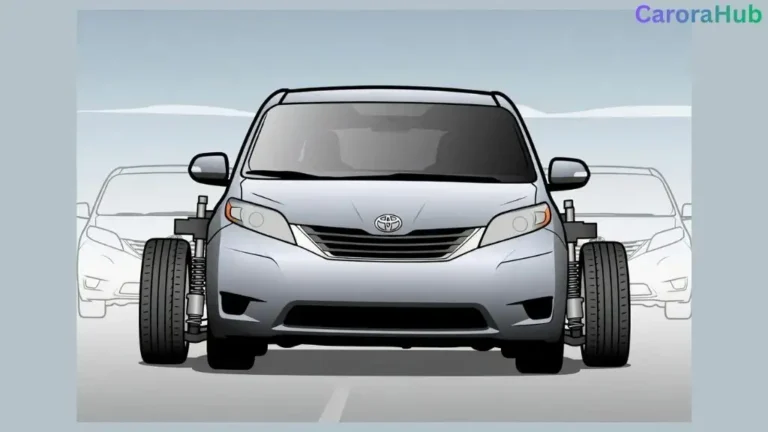
The Sienna’s AWD system is mostly automatic. Sensors watch wheel speed and slip. When the front wheels lose grip, the system shifts torque to the rear wheels. The process is fast and smooth. You do not need to choose AWD mode; it acts on its own.
This setup ties into systems like ABS, traction control, and stability control. Together they help keep the vehicle stable in slippery or uneven conditions. In short: AWD improves traction, but it does not replace safe driving.
Key Components To Monitor
The main parts that keep AWD working are:
- Transfer case — splits power between front and rear axles.
- Driveshafts — carry torque to the rear differential and wheels.
- Front and rear differentials — let wheels turn at different speeds in a turn.
- CV joints and CV boots — flexible joints that allow steering and suspension movement.
- Gear oil and transfer case fluid — lubricate gears and bearings.
- Sensors and control module — wheel-speed sensors, yaw sensors, and the vehicle computer that manages torque split.
I check these parts during routine services. Low fluid, cracked boots, or worn joints are common faults. Catching them early keeps the AWD system working well.
Read More: Toyota Sienna AWD Vs FWD Comparison

Credit: www.toyotaofbellingham.com
Regular Fluid Checks
Fluids keep the AWD system cool and lubricated. Clean fluid reduces friction and wear. It also helps the transfer case, differentials, and bearings last longer. I make fluid checks part of every service visit. It’s a small step that prevents big problems.
Over time fluids darken, pick up metal particles, and lose viscosity. That reduces protection. Checking fluid level and condition is quick and easy. If fluid looks dark or gritty, it’s time to change it.
Types Of Fluids Used
Toyota Sienna AWD systems typically use:
- Gear oil (rear differential and front differential where applicable).
- Transfer case fluid (in models with a dedicated transfer case).
- Automatic transmission fluid (ATF) — in some AWD designs the transmission interacts with the AWD unit, so ATF health matters.
Always use the fluid type and viscosity that Toyota recommends. That usually means OEM spec gear oil or approved equivalents. Using the wrong oil can harm seals and gears.
When To Change Awd Fluids
Toyota’s typical guidance is to inspect the AWD fluids around every 30,000 miles and change them roughly every 30,000–60,000 miles depending on use. My rule of thumb:
- Normal driving: inspect at 30,000 miles, change by 60,000 if still clean.
- Severe use (towing, off-road, lots of stop-and-go): inspect and replace at 30,000 miles.
Signs you need a fluid change now: a whining or grinding noise from the transfer case or differential, leaks under the vehicle, or reduced AWD responsiveness. When in doubt, follow your owner’s manual and ask a Toyota technician.
Tire Care And Alignment
Tires and alignment are essential for AWD performance. AWD depends on even traction across all four tires. If tires wear unevenly, the system can work harder and wear parts faster. I check tire condition and pressure frequently. It is one of the best ways to protect the AWD system.
Good tire care keeps the Sienna safe and improves fuel economy. Proper alignment ensures tires contact the road correctly. Both steps reduce stress on the drivetrain.
Tire Rotation Importance
Rotate tires every 5,000–7,000 miles or at every oil change. That evens out wear between front and rear tires. I’ve seen tires last much longer when owners rotate them on schedule. Even wear means the AWD sensors and torque distribution work as intended.
Maintaining Proper Alignment
Have alignment checked at least once a year or after hitting a curb or pothole. Signs of poor alignment include pulling to one side, a crooked steering wheel, or uneven tread wear. Fixing alignment improves handling and reduces odd stress on differentials and CV joints.
Credit: www.carsoup.com
Inspecting Drive Shafts And Cv Joints
Drive shafts and CV joints move power from the engine to the wheels while allowing steering and suspension motion. They take a lot of stress. Dirt, torn boots, and lost grease speed up wear. I inspect these parts during service and after rough roads or winters with salt.
Regular checks save money. A torn CV boot lets grime in. That kills the joint fast. A bad driveshaft causes vibration. Catch these issues early and replace parts before they fail on the road.
Signs Of Wear And Tear
Watch for these signs:
- Clicking noise when turning — classic sign of a worn CV joint.
- Grease flung around the wheel well — check the CV boot for tears.
- Vibration or shudder at speed — possible driveshaft imbalance or worn joint.
- Visible cracks, bends, or corrosion on shafts or U-joints.
If you notice any of these, have a mechanic inspect the part promptly. Delaying repair can damage the differential or transmission.
Replacement Guidelines
Replace torn boots and failed CV joints right away. If a driveshaft shows cracks or severe wear, replace it. Use quality parts that meet Toyota specs. OEM or high-quality aftermarket parts will last longer and keep the drivetrain balanced.
I recommend a pro handle CV and driveshaft replacement. Proper alignment and torque on fasteners matter. For most owners, an inspection every 12,000 miles is a good routine to catch trouble early.
Software And Sensor Updates
Modern AWD systems depend heavily on sensors and software. Wheel-speed sensors, yaw sensors, and the AWD control module all feed data to the vehicle computer. Good sensors and current software keep torque distribution sharp and predictable.
I always include a software check when at the dealer. Small updates can fix calibration issues or improve traction logic. That translates to better handling in real-world conditions.
Role Of Awd Sensors
Sensors measure wheel speed, steering angle, yaw rate, and wheel slip. The AWD controller uses that data to decide where to send torque. Faulty or dirty sensors can give bad readings. That leads to poor AWD performance or false warning lights.
Cleaning sensor connectors, checking wiring, and replacing damaged sensors keeps the system reliable. If a sensor fails, the AWD may disable or reduce function until fixed.
Keeping Software Current
Toyota issues software updates through dealers and service centers. These updates may improve traction control, traction logic, and sensor calibration. I suggest checking for updates during regular services. It’s a low-cost way to keep your AWD system optimized.
If your Sienna shows strange AWD behavior or warning lights, have a dealer run a software/firmware check and read trouble codes with a scanner tool. Often the fix is a software patch or a sensor recalibration.
Common Issues And Troubleshooting
AWD systems are reliable, but like any mechanical system they can show problems. Common signs include noise, vibration, or warning lights. I find that quick checks and prompt repairs keep small issues from turning into big repairs.
Below are frequent problems and practical steps to diagnose them.
Noise And Vibration Problems
Grinding, whining, or clicking sounds often point to worn bearings, low gear oil, or failing CV joints. Vibration at certain speeds can mean a bad driveshaft or unbalanced wheel. I start troubleshooting by checking fluid levels, wheel condition, and CV boots.
If fluid is low or contaminated, change it. If you hear clicking on turns, inspect the CV boots. Fixing the root cause quickly prevents secondary damage to the transfer case or differential.
Handling Awd Warning Lights
An AWD warning light means the system saw an error. It could be a sensor fault, wiring issue, or mechanical problem. Do not ignore it. Driving with a fault can cause more damage.
Use an OBD2 scanner or let a shop read the codes. Many times it’s a loose connector or a failed wheel-speed sensor. Other times it’s a deeper issue that needs a professional. Either way, quick diagnostics will point you to the right fix.
Professional Maintenance Tips
Some AWD tasks are DIY-friendly. Others are best left to trained pros with the right tools. I list tips below to help you choose the right service and stay on schedule.
Choosing The Right Service Center
Look for a shop with Toyota experience and good reviews. Make sure they use OEM or Toyota-approved parts and fluids. Ask if they have the diagnostic tools to read AWD and ABS/traction codes. A well-equipped shop will spot issues other shops might miss.
Recommended Service Intervals
Toyota suggests inspecting the AWD system around every 30,000 miles. Key actions to schedule:
- 30,000-mile service: inspect transfer case, differentials, and driveshafts; check fluids.
- 30,000–60,000 miles: change gear and transfer case fluids as needed based on condition and driving habits.
- Every 5,000–7,000 miles: rotate tires.
- Annually: alignment check and sensor/software review.
Following these intervals helps the AWD system last longer and keeps repair costs down.
Final Words
A well-maintained AWD system makes the Toyota Sienna safer and more reliable in varied weather and road conditions. Do the basics: check fluids, rotate tires, inspect CV boots, and keep software current. These steps prevent many common failures.
Stay consistent with maintenance. If you drive in harsh conditions, be more proactive. Small efforts today keep your AWD running well for years. Protect your Sienna and enjoy peace of mind on every trip.
FAQs Of AWD System Maintenance Toyota Sienna
How Often Should I Service AWD On A Toyota Sienna?
Toyota recommends inspecting the AWD system every 30,000 miles. Regular checks prevent wear and ensure optimal performance and safety. If you tow, drive off-road, or see leaks and noises, inspect sooner. I often check key items at 12,000-mile intervals during routine services.
What Are Common AWD Maintenance Tasks For Toyota Sienna?
Common tasks include fluid replacement, system inspection, and checking for leaks. Also rotate tires, inspect CV boots and driveshafts, verify alignment, and test wheel-speed sensors. These steps keep the AWD system running smoothly and extend its lifespan.
What Symptoms Indicate AWD Problems In Toyota Sienna?
Signs include unusual noises (whine, grind, click), poor traction, vibration, or AWD/traction warning lights. Leaks under the car or torn CV boots are other red flags. Early detection helps avoid costly repairs and maintains vehicle safety.
Can I Perform AWD Maintenance Myself On A Toyota Sienna?
Basic checks like fluid level, tire rotation, and visual inspection of CV boots can be done at home. However, professional service is recommended for fluid changes, sensor diagnostics, driveshaft work, and repairs that require special tools or software. For safety and warranty reasons, complex tasks are best handled by a qualified shop.

Hello, I’m Norman. I work as a car researcher. I am the voice behind CaroraHub. I have over 15 years of experience. I give simple and useful car advice. I help with car care, cleaning, and small repairs. My goal is to help you keep your car healthy. I want car care to be easy and cheap for you. You can trust my tips to keep your car working well for a long time.