Have you ever glanced at your Toyota Sienna’s dashboard and felt a rush of confusion or worry when warning lights suddenly appear? Those little symbols might seem mysterious, but they hold crucial information about your vehicle’s health and safety.
I’ve owned and worked on Siennas for years, so I know those lights can spark stress. The good news: most warnings are simple to understand. Once you know what they mean, you can act fast. That saves time, money, and worry.
Below I walk you through every common dashboard light on the Toyota Sienna. I explain what each light means, what to check first, and when to see a mechanic. Read on to keep your Sienna in top shape and stay safe on the road.
Common Warning Lights
The Toyota Sienna dashboard shows many warning lights. These icons tell you if a system needs attention. I’ll break them down in plain language. You’ll learn what to do right away and what can wait.
Check Engine Light
The check engine light is one of the most familiar warnings. It can mean many things. Common causes include:
- Loose or damaged gas cap
- Faulty oxygen or mass airflow sensors
- Ignition misfires (spark plugs, coils)
- Emissions control issues (catalytic converter)
If it blinks, that means a severe misfire. Pull over when safe and get it fixed right away. If it’s steady, you can drive carefully to a shop. I always plug my OBD-II scanner in to read the trouble codes. That points me straight to the likely cause.
Battery Alert
The battery alert warns the charging system isn’t working right. Typically this is the alternator, the battery, or a loose cable. Signs you’ll notice:
- Dim headlights
- Slow cranking on start
- Accessories acting up
Don’t ignore this light. If the charging system fails, the car will stop running. I recommend checking battery terminals for corrosion and testing the alternator. If you’re on the road, drive only as long as needed to reach a safe spot or shop.
Oil Pressure Warning
This light signals low oil pressure. Oil keeps engine parts from grinding. Low pressure can cause rapid engine damage.
If this light appears: stop driving immediately. Turn the engine off. Check the oil level. If the level is low, add the correct oil. If the level is fine, don’t restart the engine—have the car towed or checked by a mechanic. I’ve seen engines incur severe damage when this light was ignored.
Brake System Indicator
The brake system indicator can mean several things:
- The parking brake is engaged
- Brake fluid is low
- Brake pads are worn
- There is a fault in the braking system
Brakes are safety-critical. If the light comes on and you notice spongy brakes, reduced pedal feel, or a pulling sensation, stop and get help. Check the fluid reservoir and top it up only if you know there’s no active leak.
Tire Pressure Monitoring
The TPMS light warns when tire pressure is low. Proper pressure improves handling, fuel economy, and tire life.
Action steps:
- Check all four tires with a pressure gauge
- Inflate to the recommended PSI (found on the driver’s door jamb)
- Inspect tires for punctures or sidewall damage
I keep a small tire gauge and a portable inflator in my Sienna. It’s a simple fix that avoids bigger problems.

Credit: www.youtube.com
Safety And Security Alerts
Safety and security lights protect you and your passengers. They call out issues with airbags, seat belts, doors, and the anti-theft system. I treat these lights with high priority because they affect crash protection and theft prevention.
Airbag Warning
The airbag light means the airbag system may not deploy in a crash. That’s serious. If this light stays on, drive cautiously and have the system diagnosed. A professional scan can detect faulty sensors or seat-belt pretensioners.
Seat Belt Reminder
This light flashes or beeps when seat belts are not fastened. It’s a simple reminder. I always make it a rule: buckle up before moving. It’s the easiest way to protect everyone in the car.
Door Ajar Light
This light shows when a door isn’t fully closed. It’s easy to fix—close the door. But don’t ignore it. A partially latched door can open while driving or cause distracting noises.
Security Indicator
The security indicator blinks when your anti-theft system is active. If it behaves oddly—staying on or flashing irregularly—there could be an issue with the immobilizer or key recognition. Have this checked so your vehicle remains protected.
Read More: Check Engine Light Reset Toyota Sienna
Maintenance And Service Indicators
Maintenance indicators help you keep the Sienna reliable. They remind you of routine service and warn of parts that need attention. I use these lights as an early-warning system to avoid bigger repairs.
Ignoring maintenance lights shortens component life and can reduce safety. Below are the common service indicators and what I do when they show up.
Scheduled Maintenance Light
This light reminds you of routine service by mileage or time. It covers oil changes, filter replacements, and inspections. After service, follow the owner’s manual procedure to reset the light. If you skip maintenance, expect reduced performance and higher costs later.
Engine Coolant Temperature
If the coolant temperature light comes on, the engine is running hot. Stop safely. Let the engine cool before checking coolant levels.
Common causes:
- Low coolant
- Radiator blockage or leak
- Faulty thermostat or water pump
Don’t keep driving with an overheating engine. I’ve seen blown head gaskets from ignored temperature warnings. That repair is expensive.
Transmission Temperature
This light warns when the transmission runs too hot. Heavy towing or steep hills often cause it. If it appears:
- Ease off the load
- Stop and let the transmission cool
- Have it checked if it stays on
High transmission temps can lead to premature wear and failure. Preventive checks save money.
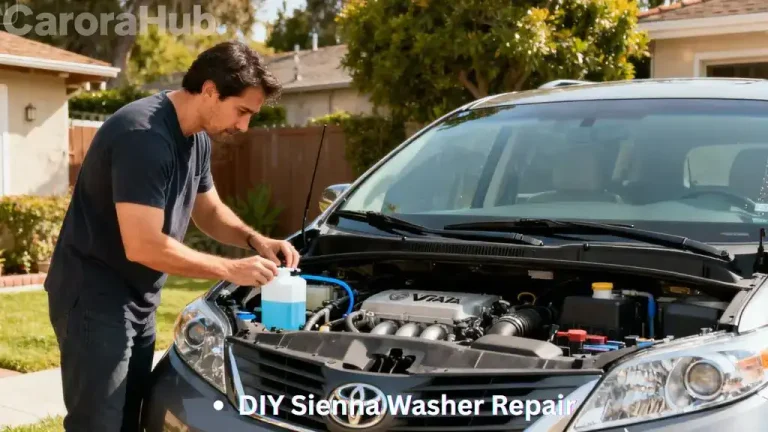
Washer Fluid Alert
The washer fluid alert means the reservoir is low. Clean windows help visibility in rain, snow, and bugs. Keep the washer reservoir topped up. It’s a simple fix that improves safety.

Credit: www.youtube.com
Driving Assistance Warnings
The Sienna includes several driver-assist systems. These lights tell you when those systems are active or need attention. I value these features, but they work best when sensors are clean and calibrated.
Traction Control Light
This light shows when traction control is active. It may blink during slippery conditions. If it stays on, the system may be malfunctioning. Check wheel speed sensors and ABS components if needed.
Lane Departure Warning
Lane departure warns if you drift from your lane without signaling. The system uses cameras to read lane lines. It will chime or flash to refocus you. If it’s not working, clean the windshield and camera area first. If that doesn’t help, have the camera checked or recalibrated.
Blind Spot Monitor
The blind spot monitor alerts you to vehicles in adjacent lanes. A light in the side mirror will glow when a car is detected. It may flash if you signal to change lanes while a vehicle is present. Keep sensors clean and avoid placing stickers near them.
Adaptive Cruise Control
This light shows when adaptive cruise control (ACC) is active or needs attention. ACC uses radar and cameras to maintain distance from the car ahead. If the light blinks or stays on, sensors may be blocked by dirt, ice, or road debris. Clean sensors and lenses. If the problem continues, schedule a diagnostic.
Troubleshooting Steps
When a warning light appears, stay calm. Use quick checks first. Then escalate if needed. Here are practical, step-by-step troubleshooting tips I use.
When To Visit A Mechanic
Not every light requires an immediate tow. Use this guide:
- Red or flashing lights: stop and get help right away.
- Strange smells, smoke, or loud noises with a warning: have the car inspected immediately.
- Yellow/amber lights: schedule a repair soon but you can usually drive carefully to a shop.
Resetting Warning Lights
Sometimes lights stay on after a repair. To reset them:
- Confirm the underlying issue is fixed.
- Turn ignition off and on again.
- Use the dash reset button on applicable models (see owner’s manual).
- Disconnect the battery for a few minutes if needed (be careful with radio presets and settings).
Only reset lights after confirming the problem is resolved. Clearing codes without repair can mask real issues.
Using An OBD-II Scanner
An OBD-II scanner is one of the best tools to diagnose warning lights. Here’s how I use one:
- Locate the OBD-II port under the dashboard.
- Plug in the scanner and turn the ignition to ON.
- Read the stored trouble codes and write them down.
- Look up code meanings in the scanner or online—this points to the system at fault.
- Fix the issue, then clear codes with the scanner if the repair is complete.
Even a basic scanner will save you time and narrow down the root cause before you visit a mechanic.
Preventive Measures
Preventive care cuts down on warning lights. I stick to a few simple habits:
- Follow the service schedule in the owner’s manual.
- Check oil, coolant, and brake fluid regularly.
- Keep tires at the correct pressure and inspect tread.
- Clean battery terminals to prevent charging issues.
- Keep camera and sensor areas clean for driver-assist systems.
Small checks every month prevent many dashboard warnings.
Quick Action Checklist (My Go-To)
- Note which light and color appeared.
- Listen and smell—any odd noises or odors?
- Check fluid levels, tire pressure, and doors.
- Use an OBD-II scanner for engine codes.
- If red or flashing, stop driving and get help.
Dashboard Light Colors And Meanings
Colors help you decide how urgent a light is. I teach new drivers to treat colors like traffic signals for their car systems.
Red Lights
Red lights mean stop and act. They show a serious problem. Examples: brake system alerts and engine overheating. Pull over safely and address the issue.
Yellow/amber Lights
Yellow or amber means caution. Fix it soon. Examples: low fuel, check engine (steady), and tire pressure warnings. These don’t usually require an immediate stop but should not be ignored.
Green And Blue Lights
Green and blue lights are informational. They tell you systems are active, like cruise control or high beams. No action is required unless they behave oddly.
Frequently Asked Questions
What Do Toyota Sienna Dashboard Warning Lights Mean?
Dashboard lights show system status. Each icon points to a specific system. For example, engine, brakes, battery, tires, and safety systems. Learn the common symbols and act accordingly. Most issues are solvable with simple checks or a quick visit to a shop.
How To Reset Toyota Sienna Dashboard Warning Lights?
Fix the root cause first. Then you can reset the light by:
- Using an OBD-II scanner to clear codes
- Following owner’s manual steps or dash reset button
- Disconnecting the battery briefly (use caution)
Only clear codes when the repair is complete. Otherwise the light may return and mask persistent problems.
Why Is The Toyota Sienna Check Engine Light On?
The check engine light shows engine or emissions faults. Causes range from a loose gas cap to faulty sensors or misfires. Read the OBD-II code to find the specific cause. Fixing the issue quickly prevents more costly damage.
What To Do If Toyota Sienna Brake Warning Light Appears?
Check the brake fluid level and ensure the parking brake is fully released. If fluid is low, top it up and inspect for leaks. If you’re unsure, or if braking feels weak, stop driving and get a professional inspection right away. Brakes are not something to gamble with.
Conclusion
Understanding your Toyota Sienna’s dashboard lights keeps you safer and saves money. Treat red and flashing lights as urgent. Use yellow/amber lights as a prompt for timely maintenance. Keep basic tools like a tire gauge and an OBD-II scanner in the car. And follow routine service schedules.
When a light appears, take a quick, sensible approach: note the color, run simple checks, read codes if possible, and get expert help when needed. Do that and your Sienna will reward you with reliability and peace of mind.
Your Sienna will thank you with better performance. Keep these tips in mind every time you drive. Safe journeys start with knowing your dashboard lights well.

Hello, I’m Norman. I work as a car researcher. I am the voice behind CaroraHub. I have over 15 years of experience. I give simple and useful car advice. I help with car care, cleaning, and small repairs. My goal is to help you keep your car healthy. I want car care to be easy and cheap for you. You can trust my tips to keep your car working well for a long time.