Is your Toyota Sienna’s AC not blowing cold air? You might be dealing with an AC compressor that’s not engaging.
This problem can make your drives uncomfortable, especially on hot days. But don’t worry—you’re not alone, and there’s a way to fix it. You’ll discover the common reasons why your AC compressor isn’t working and simple steps you can take to get your air conditioning back to normal.
Keep reading to learn how to stay cool and comfortable on the road again.
Symptoms Of Ac Compressor Issues
Signs your AC compressor isn’t engaging include warm air blowing from vents and a lack of cooling. You might hear strange noises when the AC is on. The AC button or switch may not respond as expected. The compressor clutch may not spin or click when the AC runs. These symptoms show the compressor struggles to turn on.
Common causes of AC failure are low refrigerant levels due to leaks. A blown fuse or bad relay can stop the compressor from working. The compressor clutch might be worn out or damaged. Electrical issues like faulty wiring or a bad pressure switch also cause failure. Dirt and debris can block the system, preventing proper function.
Checking The Ac Compressor Clutch
The AC compressor clutch is a small part that helps the air conditioner work. It connects the engine to the compressor. When the AC turns on, the clutch engages to start the compressor. This makes the air cool inside the car.
The clutch has two parts: a magnetic coil and a metal plate. The coil gets power and pulls the plate. This lets the compressor spin with the engine.
Testing clutch engagement is simple. First, turn the AC on and listen for a click. This sound means the clutch is working. If no click, the clutch might not get power or be broken.
Use a multimeter to check power at the clutch coil. No power means a wiring or fuse problem. If power is good but no click, the clutch may need replacing.
Electrical Troubleshooting
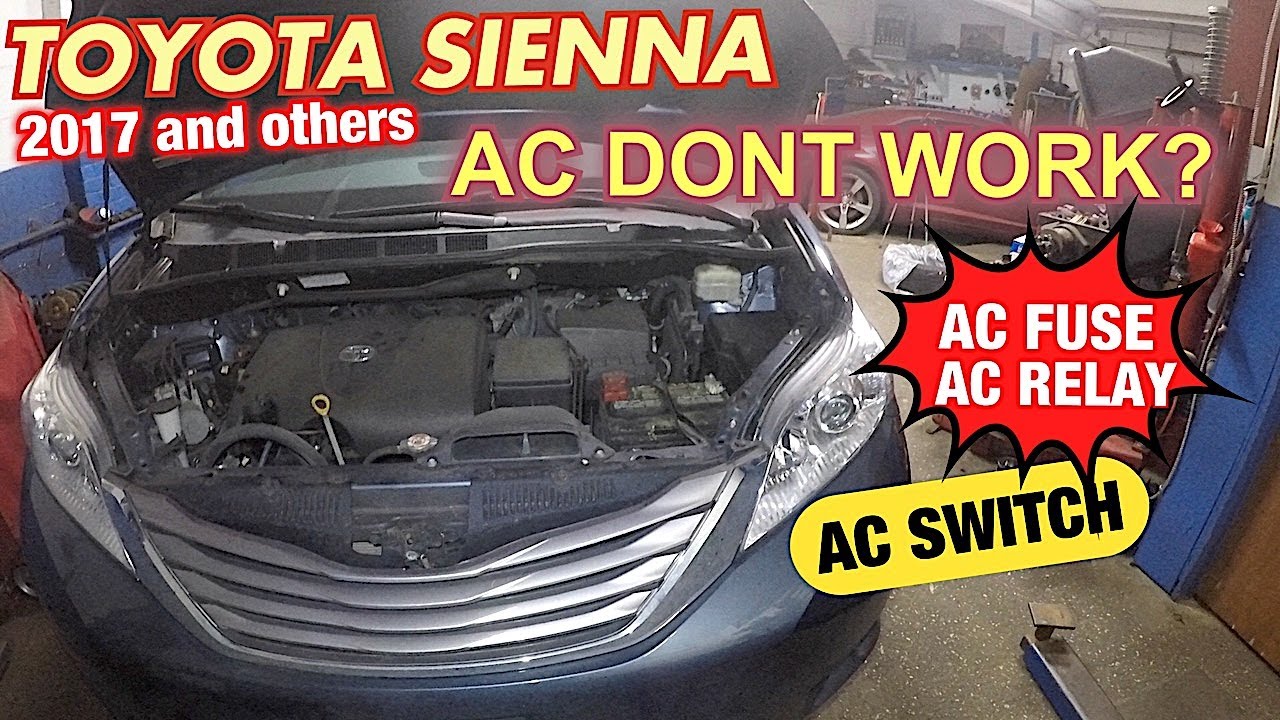
Start by checking the AC compressor fuse in the fuse box. A blown fuse can stop the compressor from working. Look for any relay related to the AC system. Swap it with a similar relay to test if it is faulty.
Next, examine the wiring and connectors linked to the AC compressor. Look for loose, broken, or corroded wires. Damaged wiring can block the power flow.
Make sure connectors are clean and tightly connected. Dirt or rust can stop electrical signals. Wiggle connectors gently to check for intermittent connections.
| Component | What to Check | Why |
|---|---|---|
| Fuse | Check if blown | Stops power to compressor |
| Relay | Test by swapping | Controls compressor activation |
| Wiring | Look for damage | Ensures power flow |
| Connectors | Check for corrosion | Maintains signal quality |
Credit: www.youtube.com
Refrigerant Levels And Pressure
Low refrigerant levels stop the AC compressor from working properly. Checking for leaks is important to keep pressure normal. Leaks cause refrigerant to escape, which lowers pressure. Use a leak detection tool or soap water to find leaks. Fix any leaks before adding refrigerant.
Proper refrigerant charging means adding the right amount. Too little or too much refrigerant can cause problems. Check the car’s manual for the exact amount needed. Use a gauge set to measure pressure while charging. This ensures the AC system runs smoothly and the compressor engages as it should.
Common Quick Fixes
Resetting the AC system can fix many common problems. Start by turning off the car and opening the hood. Locate the AC fuse or relay and remove it for about 10 seconds. Reinstall the fuse or relay and start the car. This simple step often resets the system and may make the compressor engage again. Sometimes, the AC control unit needs this quick reset to work properly.
Replacing faulty components is another common fix. The compressor clutch, pressure switch, or relay might be broken. These parts stop the compressor from turning on. Checking each part helps find the problem fast. Replacing the bad component can restore the AC’s function. Always use parts made for the Toyota Sienna to avoid more issues.
When To Seek Professional Help
Complex repairs on the Toyota Sienna AC compressor often require special tools. Some parts need careful handling to avoid damage. Attempting these fixes without experience can cause more problems. Professional mechanics have the skills and equipment to do the job right. They can also spot hidden issues that might be missed.
Finding a reliable mechanic is key. Look for shops with good reviews and proper certifications. Ask about their experience with Toyota vehicles. Trustworthy mechanics explain the problem and the repair clearly. They provide honest estimates and warranty on their work.
Choosing the right mechanic saves time and money. It also ensures your AC compressor works well and lasts longer.
Frequently Asked Questions
Why Is My Toyota Sienna Ac Compressor Not Engaging?
The AC compressor may not engage due to low refrigerant, electrical issues, or a faulty clutch. Check for leaks and fuse problems first. Professional diagnosis helps pinpoint the exact cause quickly and prevents further damage.
How Can I Test The Ac Compressor Clutch On My Sienna?
Start the engine and turn on the AC. Listen for a clicking sound from the compressor clutch. If you hear nothing, the clutch may be faulty or the system could have electrical problems needing inspection.
Can A Bad Ac Relay Cause The Compressor Not To Engage?
Yes, a defective AC relay can prevent the compressor from receiving power. Testing or replacing the relay is a simple fix that often restores compressor function and AC operation in your Toyota Sienna.
Does Low Refrigerant Stop The Ac Compressor From Working?
Low refrigerant levels can cause the AC compressor to stop engaging. The system has sensors to prevent damage when refrigerant is low. Recharging the refrigerant and fixing leaks will restore proper compressor function.
Bottom Line
A Toyota Sienna AC compressor not engaging can cause discomfort. Check the fuse, relay, and wiring first. Low refrigerant levels may also stop the compressor. Sometimes, the clutch or compressor itself needs repair. Early attention helps avoid bigger problems and costly fixes.
Keep your AC in good shape for cool drives. Don’t ignore warning signs; act quickly for comfort. Regular maintenance saves time and money. Stay alert to your vehicle’s needs and enjoy smooth rides.

Hello, I’m Norman. I work as a car researcher. I am the voice behind CaroraHub. I have over 15 years of experience. I give simple and useful car advice. I help with car care, cleaning, and small repairs. My goal is to help you keep your car healthy. I want car care to be easy and cheap for you. You can trust my tips to keep your car working well for a long time.