Is your Toyota Sienna’s interior light refusing to turn on when you need it most? It’s frustrating, especially when you’re trying to find something in the dark or get comfortable for a drive.
You might be wondering if it’s a simple fix or a sign of a bigger electrical problem. I’ve worked on a few Siennas and helped friends troubleshoot this exact issue. In this guide I’ll walk you through the common causes, clear step-by-step checks, quick fixes you can do at home, and when to call a pro. Read on and you’ll have your Sienna’s dome and map lights glowing again in no time.
Credit: www.siennachat.com
Common Causes
The interior lights in your Toyota Sienna not turning on can be caused by a few predictable problems. Knowing the likely culprits helps you fix the issue faster. Below I break down the most common causes and what each one looks like in practice.
Some issues are quick fixes you can do at home. Others need a mechanic with diagnostic tools. I’ll point out when to DIY and when to get professional help.
Blown Fuse
The fuse supplies power to the interior lights. If it blows, the lights go dark. A blown fuse is one of the most common and easiest problems to fix. You’ll find the fuse box under the dashboard or in the engine bay. Use the diagram on the fuse box cover or the owner’s manual to find the interior-light fuse. Replace a blown fuse with the same amperage rating. Don’t use a higher-rated fuse — that risks wiring damage.
Tip: I always carry a small fuse kit and a fuse puller. It saved me a trip to the shop when a tiny short popped a fuse on a night drive.
Faulty Door Switch
Door switches (also called door jamb or courtesy switches) tell the lights when a door opens. If a switch is stuck, dirty, or broken, it won’t send that signal. The lights then stay off even with the door open. On Siennas you’ll find these switches at the edge of the door frame or built into the latch on some models.
Cleaning or replacing a bad switch often restores normal function. For sliding doors and power doors, the sensors can be different, so check the exact switch type before ordering a replacement.
Burnt Out Bulbs
Interior bulbs wear out over time. A burnt-out dome or map light bulb will cause no light even if the wiring is fine. Remove the light cover and inspect the bulb. Look for a dark spot, broken filament, or discoloration. Replace the bulb with the correct size and type for your Sienna.
Consider LED replacements. They last longer, use less battery power, and give brighter light. But check compatibility with your vehicle to avoid flicker or error codes.
Battery Issues
A weak, discharged, or failing battery can make interior lights act up. Low voltage sometimes leaves lights dim or off. Check battery voltage with a voltmeter. A healthy battery reads about 12.6 volts at rest. If voltage is low, try charging or jump-starting. If the battery won’t hold a charge, replace it.
Also check battery terminals. Corrosion or loose clamps reduce power flow. Cleaning and tightening the terminals often fixes strange electrical quirks.
Troubleshooting Steps
Follow these clear checks in order. Start with the simplest. I recommend this sequence because it saves time and keeps you safe while you narrow down the cause.
Check The Fuse Box
The fuse box controls power to your interior lights. Locate the fuse box in your Sienna, usually under the dash or near the engine bay. Use the diagram on the cover or the owner’s manual to find the correct fuse. Pull it out and look at the thin wire inside. If the wire is broken, the fuse is blown. Replace it with the exact same rating.
What to watch for:
- Burn marks or melted plastic around the fuse slot — this needs a pro.
- Repeated blown fuses — indicates a short circuit.
Test Door Switches
Door switches are easy to test. Open one door and press the switch by hand. Listen for a click and watch if the interior light comes on. Test every door: front, rear, and power sliding doors. For power doors, also check the door control module if lights still fail.
Step-by-step test
- Open the door and look at the switch area.
- Firmly press the plunger or actuator — the light should toggle.
- If no change, try cleaning the switch area with electrical contact cleaner.
- If cleaning does not help, replace the switch or test it with a multimeter for continuity.
I once fixed a Sienna by simply cleaning a sticky switch. It was an easy, cheap fix.
Inspect Bulbs And Sockets
Remove the interior light covers and check each bulb. Look for a broken filament or dark glass. Check the socket for corrosion or bent contacts. Corrosion can stop power flow even with a good bulb. Clean contacts carefully and replace bulbs that show wear.
When replacing bulbs, keep the following in mind:
- Use the right size and wattage specified for your Sienna.
- Consider LEDs for longer life, but confirm they won’t trigger warning lights.
Verify Battery Health
Use a voltmeter to check the battery. You want around 12.6V with the engine off. Below ~12.2V is suspect. With the engine running, your alternator should yield 13.7–14.7V. If voltage is out of range, test the alternator and battery. Loose or corroded battery terminals can mimic a bad battery, so clean and tighten them first.
Tools and Safety Tips
Before you start, gather a few basic tools. Use them safely.
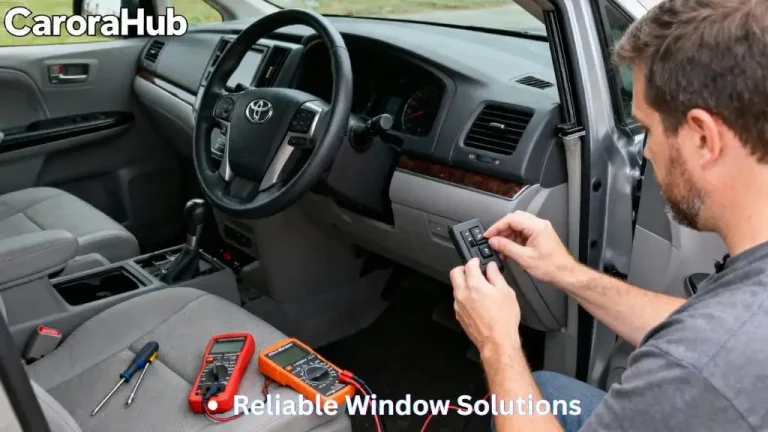
- Tools: small screwdriver, trim tool, fuse puller, multimeter/voltmeter, needle-nose pliers, electrical contact cleaner.
- Safety: disconnect the negative battery terminal for deep work. Wear gloves and eye protection when handling batteries or corroded parts.
- Keep replacement fuses and bulbs on hand. They are inexpensive and handy during a roadside fix.
Quick Fixes
Many interior light problems have fast fixes. Try these before booking a repair. They work for dome lights, map lights, cargo lights, and other interior lamps.
Replacing Fuses
Open the fuse box and find the interior-light fuse. Use a fuse puller or needle-nose pliers. Inspect the fuse wire. Replace a blown fuse with the same amp rating. After replacement, test the lights. If the new fuse blows quickly, stop and seek a mechanic — that indicates a deeper short.
Cleaning Or Replacing Door Switches
Sometimes the switch is just dirty or sticky. Spray electrical contact cleaner around the switch plunger and work it a few times. If that does not work, replace the switch. Door switch replacements are usually affordable and easy to swap.
Changing Interior Bulbs
To change a bulb, gently pry off the light cover with a plastic trim tool. Pull out the old bulb and inspect for damage. Fit the new bulb in place, snap the cover back on, and test. If you switch to LED bulbs, select ones designed for automotive interiors to avoid dimming problems or warning lights.
Jump-starting Or Charging Battery
If the battery is low, try jump-starting with jumper cables and another vehicle. Let the engine run and test the interior lights again. If the car starts but lights act strange, fully charge the battery and test again. If the battery cannot hold a charge, replace it. Also have the alternator checked if the battery keeps draining.

Credit: www.youtube.com
When To Seek Professional Help
Not every issue is a DIY job. Know when to stop and get help. This saves time and avoids risk to your vehicle’s electrical system.
Persistent Electrical Problems
If the lights keep failing after fuses and bulbs are replaced, you likely have a persistent electrical issue. Repeated failures can point to bad grounds, damaged connectors, or short circuits. These require a mechanic with experience in automotive electrical diagnosis.
Complex Wiring Issues
Wiring in modern Siennas is compact and routed through harnesses. Damage from rodents, chafing, or past repairs can cause intermittent or total failures. Professionals can trace wiring, repair harnesses, and fix hidden breaks safely.
Advanced Diagnostic Tools Needed
Some problems require scan tools or circuit testers. A shop can read body control module (BCM) codes, test circuits under load, and locate faults with more precision. If you’ve exhausted the basic checks, a professional diagnosis saves time and money in the long run.
Preventive Tips
Small habits keep your Sienna’s interior lighting reliable. I follow these easy steps and they’ve helped me avoid night-time surprises.
Regular Electrical System Checks
Check wiring, connectors, and fuses during routine maintenance. Look for loose connectors, frayed wires, or corrosion. Use a multimeter to check voltage at key points if you notice odd behavior. Early detection prevents bigger failures.
Proper Handling Of Interior_Lights
Turn off interior lights when not needed. Don’t yank covers or force switches. Teach passengers, especially kids, to avoid playing with interior lamps. Gentle use extends bulb and switch life.
Maintaining_Battery_And_Fuses
Keep the battery in good condition. Test it periodically and replace it when it shows age or poor test results. Keep spare fuses and bulbs in the glove box so a simple fix is always within reach.
Frequently Asked Questions
Why Are My Toyota Sienna Interior Lights Not Turning On?
Interior lights can fail due to blown fuses, dead bulbs, faulty door switches, a weak battery, or wiring faults. Start with the simple items—bulbs and fuses—then move on to switches and the battery.
How Can I Fix Interior Lights Not Working In My Sienna?
Begin by checking fuses and bulbs. Clean or test door switches next. Verify the battery voltage and connections. If those checks don’t solve it, follow the step-by-step tests above or seek professional help.
Could A Battery_Issue_Cause_Interior_Lights_Failure_In_Sienna?
Yes. A weak or dead battery can cause interior lights to dim or not work. Check battery voltage, charge if needed, and inspect terminals for corrosion. Also ensure the alternator is charging the battery correctly.
Does A Faulty_Door_Switch_Affect_Toyota_Sienna_Interior_Lights?
Yes. Door switches tell the lights when to come on. If a switch fails, the interior lights may stay off even with the door open. Clean or replace faulty switches as needed.
Bottom Line
Interior lights in your Toyota Sienna add comfort and safety. Most issues are simple to fix. Start by checking bulbs, fuses, and door switches. Verify battery health and clean connections. If you run into stubborn or repeated failures, get professional diagnostics — especially for wiring or BCM-related issues.
With a few basic tools and checks, you can solve many interior light problems yourself. Keep spares and do small checks during routine maintenance. That keeps your cabin bright and your drives safe. If you want, tell me your Sienna’s year and which light is dead (dome, map, cargo, or door), and I’ll give model-specific tips.

Hello, I’m Norman. I work as a car researcher. I am the voice behind CaroraHub. I have over 15 years of experience. I give simple and useful car advice. I help with car care, cleaning, and small repairs. My goal is to help you keep your car healthy. I want car care to be easy and cheap for you. You can trust my tips to keep your car working well for a long time.