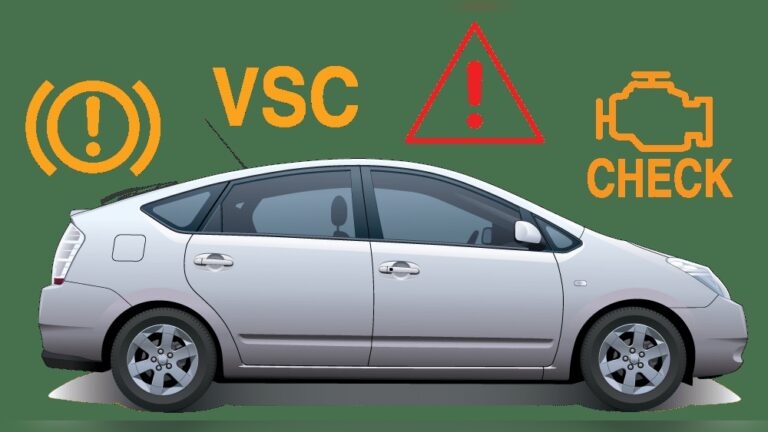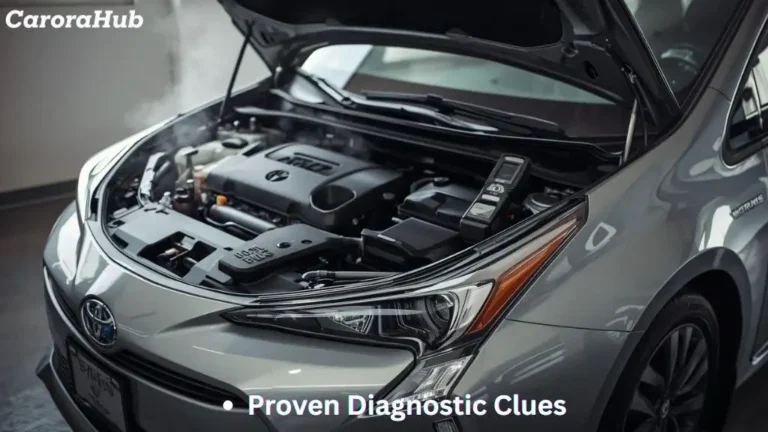
Are you trying to decide between a Prius and a Camry Hybrid but worried about potential electrical issues? You’re not alone.
Both cars promise excellent fuel economy and smart hybrid systems. But what if an electrical fault shows up? In my experience, knowing the likely problems and how they behave saves time and money. Below I explain the common electrical faults for each model, how they present, and practical steps you can take as an owner or buyer.
Keep reading to make a smart choice for your next hybrid vehicle.
Prius Hybrid Electrical Problems
The Prius is famous for its hybrid tech and strong fuel economy. I’ve worked on and driven many Prius models, and I’ve seen the same electrical trouble spots show up more than once. Most issues tie back to the hybrid battery pack, power electronics, or sensors that feed data to the car’s control systems. The good news: many of these problems are diagnosable early if you know what to look for.
Common Battery Issues
The hybrid battery in a Prius stores and supplies high-voltage power to the traction motor. Over years and miles, cells can lose capacity or fail outright. When that happens you’ll notice:
- Reduced electric range and more reliance on the gas engine.
- Lower fuel economy in daily driving.
- Dashboard warnings about hybrid system faults.
Cell imbalance is a common root cause. Cells that age unevenly force the battery management system to limit performance. Regular checks of state of charge and module voltages help catch imbalance early. Battery replacement can be expensive. But sometimes a targeted module repair or reconditioning can add life at lower cost.
12V Battery and Auxiliary Systems
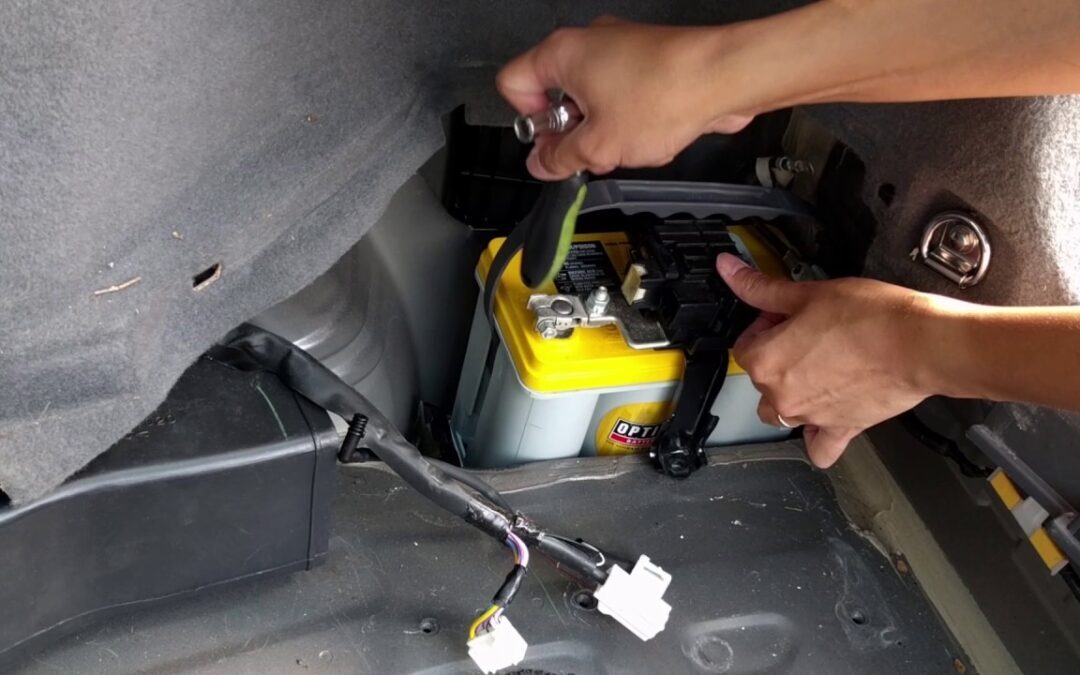
Don’t forget the small 12V battery. It powers computers and relays that enable the hybrid system. A weak 12V can cause odd electrical behavior or prevent the vehicle from “readying” the hybrid system. In my shop, replacing a tired 12V often solved warning lights and startup faults without touching the high-voltage pack.
Inverter Malfunctions
The inverter converts DC from the hybrid battery into AC for the motor and converts AC back to DC for charging. If the inverter fails, you may see:
- Loss of power or limp-home mode.
- Strange noises from the power electronics area.
- Specific error codes on an OBD-II or hybrid scanner.
Inverter faults are serious and often need professional repair. Cooling and thermal management matter a lot here. Keeping the inverter cooling passages and fans clean reduces risk of overheating and early failure.
Sensor Failures
Sensors feed vital data—battery temperature, voltage, current, and more—into the hybrid control unit. When sensors fail, the car gets bad input and may limit performance. Common culprits include the battery temperature sensor and current sensors. In many cases, replacing faulty sensors restores normal operation quickly.
Thermal and Environmental Effects
Heat and cold affect sensors and batteries. I’ve seen battery packs behave differently in extreme weather. Heat accelerates wear. Cold reduces immediate performance. Good thermal management and parking habits (shade in hot climates, sheltered parking in cold ones) reduce long-term electrical stress.
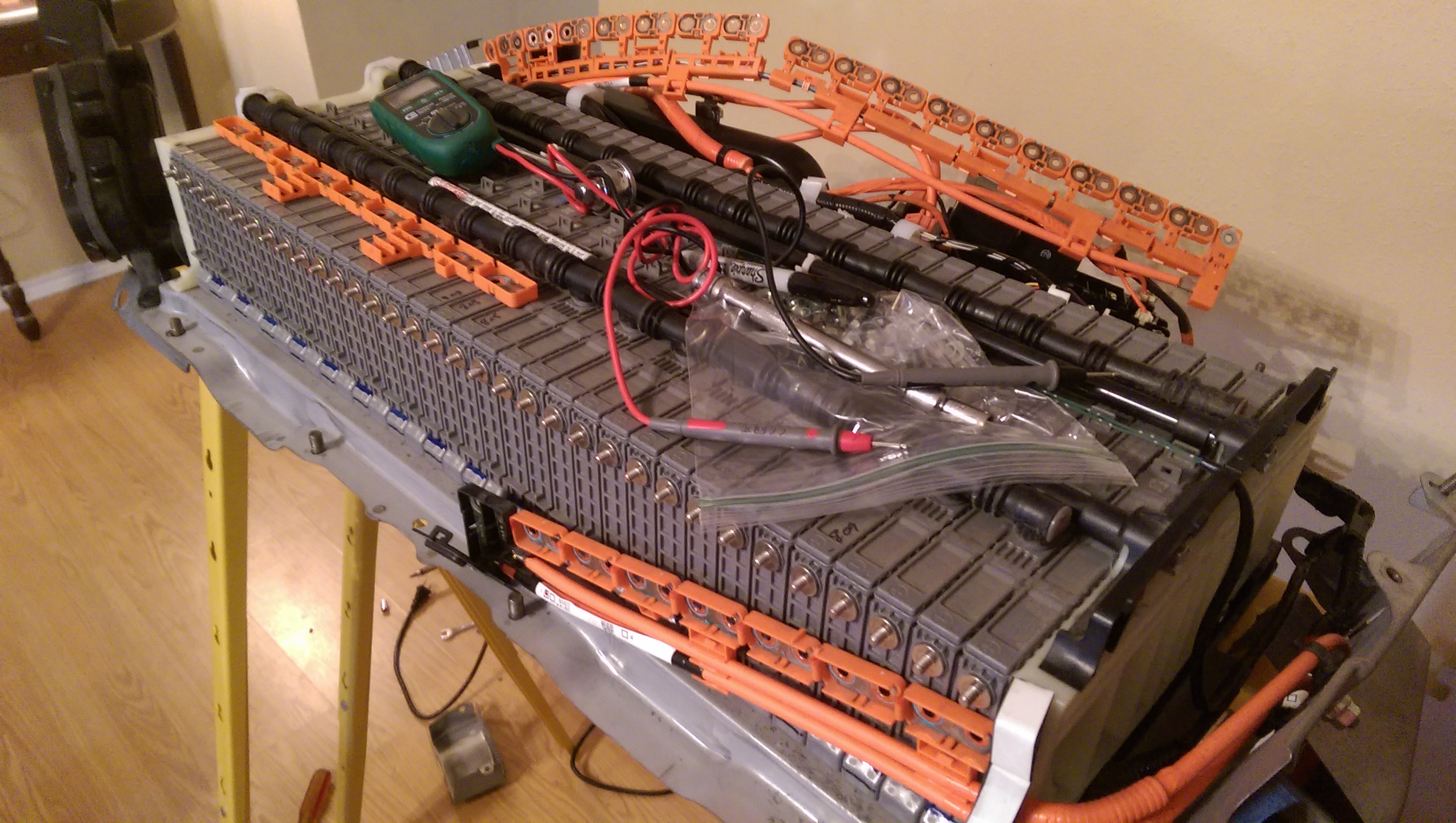
Credit: hackaday.com
Camry Hybrid Electrical Concerns
The Camry Hybrid delivers a comfortable ride with efficient hybrid systems. I’ve driven examples that held up very well for many miles. Still, owners report a set of electrical issues that you should know about. Many of these relate to the battery pack, wiring, or control modules.
Battery Life And Performance
Camry Hybrids often use Lithium-Ion packs in newer trims. These packs are lighter and energy-dense. Over long use, some packs show capacity loss. You might notice:
- Reduced electric assist and lower MPG.
- Longer charging cycles during regen braking.
- Decreased performance in hot climates.
Regular inspection and proper thermal care keep these packs healthier. If you buy used, ask for battery health reports or have the dealer run a hybrid diagnostic test.
Electrical System Alerts
Dashboard alerts can pop up for many reasons. Sometimes a loose connector or a corroded ground triggers a warning. Other times a sensor or software glitch causes false alarms. Don’t ignore alerts. Early diagnosis avoids cascading damage. Often a quick scan with an OBD-II tool finds the relevant codes.
Hybrid System Malfunctions
The hybrid control module manages how gas and electric power work together. Failures here can cause hesitation, loss of electric assist, or strange noises from the motor area. Typical fixes include repairing the inverter, replacing a faulty module, or addressing wiring harness faults. These repairs usually require a shop experienced with hybrid systems.
Wiring Harness and Connector Issues
Wiring problems show up more often than people expect. Vibrations, heat, or rodent damage can create shorts or open circuits. I always recommend a visual inspection of harnesses and connectors in any used hybrid. A secure ground and clean connectors prevent many electronic gremlins.
Comparing Battery Technologies
Prius and Camry Hybrids use different battery chemistries. These choices change how they behave, what faults to expect, and what maintenance helps most. Below I compare NiMH and Li-ion in plain language and practical terms.
Nickel-metal Hydride Vs Lithium-ion
The Prius has traditionally used Nickel-Metal Hydride (NiMH) batteries. NiMH packs are robust and tolerant of a wide temperature range. They are proven over many years. Camry Hybrid models often use Lithium-Ion (Li-ion) packs. Li-ion packs are lighter and hold more energy for their size. They help with fuel economy but can be more sensitive to heat and charging patterns.
In short:
- NiMH: durable, tolerant, often lower replacement cost.
- Li-ion: lighter, higher energy density, possibly more costly to replace.
Impact On Reliability
NiMH batteries often show steady long-term reliability. They can handle abuse and temperature swings better than some Li-ion packs. Li-ion batteries can deliver better fuel economy but may need more careful thermal and charging management. Modern battery management systems (BMS) improve reliability for both types.
Replacement Costs
Replacement costs vary by year and region. Generally, NiMH packs tend to be cheaper to replace than Li-ion packs. That said, many hybrids last well beyond 100,000 miles with their original packs. If replacement is needed, shop around. Rebuilt or remanufactured modules can dramatically reduce cost compared with a full new pack.
Diagnosing Electrical Faults
Finding the root cause of an electrical fault in a hybrid can be tricky. The systems are layered: 12V systems, high-voltage packs, inverters, and control modules all interact. A careful, step-by-step approach prevents wasted time and money.
Here are practical, field-tested steps I use and recommend:
Warning Signs To Watch
- Hybrid system warning lights or reduced power indicators.
- Unusual noises from the inverter or motor area.
- Rapid draining of the 12V battery or difficulty starting.
- Loss of regen braking or inconsistent electric assist.
When you see these signs, act quickly. Small faults can become big repairs if left alone.
Using Diagnostic Tools
A basic OBD-II scanner is a great start. It pulls diagnostic trouble codes (DTCs) that point to the failing subsystem. For hybrid-specific data you want a scanner or tool that reads hybrid codes and shows battery module voltages, temperatures, and inverter statuses. I recommend using a hybrid-capable scan tool when possible.
Professional Inspection Tips
Technicians will typically:
- Scan for codes and translate them to actionable repairs.
- Measure module voltages and currents with specialized gear.
- Inspect cooling systems, connectors, and grounds for damage or corrosion.
- Check for software updates or Technical Service Bulletins (TSBs) related to hybrid faults.
If you’re buying used, ask for a printout of the hybrid system health check. It’s excellent evidence of the pack’s condition.
Common Codes and What They Often Mean
Many trouble codes map to sensors, BMS faults, inverter issues, or communication errors between control modules. A skilled tech can read the codes and follow a diagnostic tree to avoid replacing parts unnecessarily.
Repair And Maintenance Tips
Good maintenance reduces the chance of electrical failure. I follow a simple checklist for hybrids that keeps things reliable and predictable.
Preventive Measures
- Check battery health and module voltages at scheduled intervals.
- Keep the inverter and cooling fins clean from debris.
- Replace a weak 12V battery before it causes electronic faults.
- Park in shade or a garage in extreme heat to protect the high-voltage pack.
- Follow Toyota’s recommended service schedule and software updates.
Cost-effective Repairs
When a fault appears, compare repair options:
- OEM replacement vs. remanufactured modules.
- Module-level repair instead of full pack replacement when possible.
- Use quality aftermarket parts that meet Toyota specs.
I’ve helped owners save hundreds to thousands by replacing only the bad modules and keeping the rest of the pack. Always ask for a detailed estimate and a parts warranty.
When To Seek Expert Help
Get professional help if you see any of these:
- Persistent hybrid warning lights after a reset.
- Sudden loss of power or limp mode activation.
- Strange electric motor noises or burning smells.
- Complex high-voltage battery faults. These need trained technicians and safety gear.
Don’t attempt high-voltage repairs without training. Safety first—hybrids carry dangerous voltages.
Owner Experiences And Reviews
I talk to owners regularly. Their real-world feedback adds useful context to technical data. Below are common themes I hear from Prius and Camry Hybrid drivers.
Many owners praise overall reliability. Others report small electrical quirks. Knowing these patterns helps you set expectations as an owner or buyer.
Prius Owners’ Feedback
Prius users often report long battery life and modest repair bills. Common notes:
- Strong fuel economy over many years.
- Occasional dashboard glitches or sensor warnings.
- Good resale value for well-maintained examples.
Most Prius owners I’ve met trust their hybrid systems. When faults happen, they are often fixable without replacing the entire pack.
Camry Owners’ Insights
Camry Hybrid drivers enjoy a smooth ride and robust performance. Common points I hear:
- Battery packs often last beyond 100,000 miles with proper care.
- Some drivers report sensor or charging system oddities.
- Overall satisfaction is high when maintenance is kept current.
Common Complaints And Praises
Across both models, praise centers on fuel savings and long-term value. Complaints usually involve post-warranty repair costs. Many owners find simple resets or small parts fixes eliminate most warning lights.
Future Of Hybrid Electrical Systems
Hybrid electrical systems are improving fast. New battery chemistries, smarter BMS software, and better thermal systems will reduce many current issues. Automakers are learning from field data and updating designs and software to avoid repeat faults.
Technological Advancements
We’ll see:
- Longer-life battery chemistries and better cell balancing.
- More robust inverters with improved cooling.
- Safer and faster charging and regeneration systems.
- Software that predicts failure before it happens.
Expected Improvements
Expect fewer surprise warnings and lower repair costs as designs mature. Regenerative braking will recover more energy. Thermal protection will keep packs healthier in hot climates.
Impact On Vehicle Longevity
Better electrical parts and smarter controls will extend vehicle life. That means more years of reliable hybrid use and lower lifetime maintenance. For buyers, that’s a big plus.
Credit: greenbeanbattery.com
Frequently Asked Questions
What Are Common Electrical Issues In Prius Hybrids?
Prius hybrids often face battery degradation, inverter failure, and sensor malfunctions. These problems lower fuel efficiency and reduce electric drive time. Regular checks and gentle thermal care help prevent major failures and prolong system life.
How Do Camry Hybrid Electrical Problems Differ?
Camry hybrids more often show battery pack faults and wiring harness or connector issues. Their faults can be less frequent but still impact the charge cycle and electric assist. Timely diagnostics and repairs keep the system smooth and reliable.
Can Electrical Issues Affect Hybrid Fuel Economy?
Yes. Faulty hybrid batteries, inverter problems, or sensor errors reduce electric motor use. When electric assist drops, the gasoline engine runs more. That raises fuel consumption. Fixing electrical faults restores better fuel economy.
How To Diagnose Prius Vs Camry Hybrid Electrical Faults?
Use an OBD-II scanner to read codes on both models. Hybrid-capable scanners show module voltages, temperatures, and specific hybrid codes. A professional hybrid inspection gives the most accurate diagnosis and repair plan.
Bottom Line
Both the Prius and Camry Hybrid are solid choices. The Prius may show battery and inverter issues more often, but its NiMH packs are durable and repair options are widely available. The Camry Hybrid tends to have fewer electrical faults overall, though Li-ion packs require careful thermal care and can be costlier to replace.
My practical advice: inspect battery health, verify service history, and get a hybrid diagnostic before you buy. Keep the car serviced and protect it from extreme temperatures. With the right care, both models deliver years of efficient, trouble-free driving.

Hello, I’m Norman. I work as a car researcher. I am the voice behind CaroraHub. I have over 15 years of experience. I give simple and useful car advice. I help with car care, cleaning, and small repairs. My goal is to help you keep your car healthy. I want car care to be easy and cheap for you. You can trust my tips to keep your car working well for a long time.