If you own a Toyota Sienna, keeping your transmission fluid at the right level is key to smooth driving and avoiding costly repairs. But how do you know when it’s time to check it?
You might think it’s complicated, but it’s easier than you expect. In this guide, I’ll walk you through simple, reliable steps to check your transmission fluid quickly and correctly. I’ve checked fluid on many Siennas myself, so I’ll share tips I learned the easy way and the hard way. By the end, you’ll feel confident maintaining your Sienna’s transmission and saving money on unnecessary shop visits.
Let’s get started and keep your vehicle running like new!
Credit: www.pechelestoyota.com
Locate The Transmission Dipstick
Locating the transmission dipstick in your Toyota Sienna is the first step to checking the transmission fluid level. The dipstick tells you if the fluid is at the right level and if it looks healthy. Knowing where it sits saves time and helps you care for the transmission before small issues become big ones.
The dipstick is usually easy to find after you open the hood. It looks different from the engine oil dipstick, so watch the handle’s color and shape. This short guide helps you spot it fast and safely.
Open The Hood Safely
Stand in front of your Sienna. Find the hood release lever inside near the driver’s left knee. Pull it to unlock the hood. Walk to the front of the car and feel for the safety catch under the hood. Lift or push that catch and open the hood fully.
Use the hood prop rod or the hood struts to keep the hood up. Make sure the hood is secure before you start. This keeps you safe and gives a clear view of the engine bay.
Identify The Dipstick Handle
Look in the engine bay near the firewall and toward the driver’s side. The transmission dipstick often has a bright handle — usually yellow or red. It may sit lower or further back than the engine oil dipstick.
Don’t confuse it with the engine oil dipstick. The transmission dipstick can be labeled or shaped differently. Once you find the right one, you’re ready to check the fluid level.
Tools & Quick Prep Tip
I keep a clean rag and a small flashlight in the trunk. The rag wipes the dipstick and handles spills; the light helps in low-light situations. These two small tools speed the whole job.
Prepare The Vehicle
Preparing your Toyota Sienna before checking transmission fluid matters. Good prep gives a correct reading and keeps you safe. Follow these steps for a fast and accurate check.
Ensure The Engine Is Warm
Start the engine and let it idle for 5–10 minutes. Warm fluid moves and shows a true level. Cold checks can give a low reading. I always warm the engine first. It takes little time and prevents a mistaken top-off.
Park On A Level Surface
Always check on flat ground. If the car tilts, fluid will shift and the dipstick won’t tell the truth. A level surface gives the most accurate reading.
Engage The Parking Brake
Set the parking brake and keep the car in Park (P). This prevents any roll while you work. Safety first—then check.
Tools You’ll Need
- Clean rag or paper towels
- Small flashlight (optional)
- Funnel (for adding fluid)
- Correct ATF (see owner’s manual)
Check The Fluid Level
Checking the transmission fluid level in your Toyota Sienna is a quick task that protects the transmission. The fluid keeps gears cool and parts lubricated. Small checks now can prevent big problems later.
Start by locating the dipstick. It shows both the level and, to some extent, the fluid condition. Follow these clear steps to get an accurate reading every time.
Remove And Clean The Dipstick
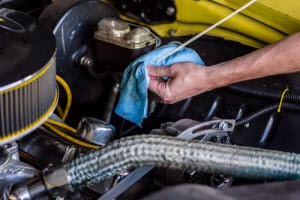
Open the hood and find the transmission dipstick. Slowly pull it out. Use a clean rag or paper towel to wipe away old fluid from the dipstick. A clean dipstick gives a clear reading on the second pull.
Reinsert And Remove To Check Level
Push the dipstick all the way back into its tube. Wait a second, then pull it out again. Read the level on the dipstick. The fluid should sit between the “Full” and “Low” marks. Some dipsticks list a temperature-specific range; follow those marks if present.
Quick Step-By-Step Checklist
- Warm the engine 5–10 minutes.
- Park on level ground and set the parking brake.
- Pull out dipstick and wipe it clean.
- Reinsert fully, then pull out to read level and color.
- Note any dark color, metal flakes, or burnt smell.
Tip from my experience: check the level twice if readings look odd. Small movements and a second check often clear up uncertainty.
Credit: www.siennachat.com
Inspect The Fluid Condition
Inspecting the transmission fluid condition helps you spot wear or damage early. Good fluid means smooth shifts and fewer repairs. I always check color, smell, and clarity when I pull the dipstick.
Examine Fluid Color
Healthy transmission fluid is bright red or pink. If the fluid is dark brown or nearly black, it’s old or burnt. Clear or very pale fluid may mean an internal problem or serious dilution. Color gives a fast clue about fluid health.
Smell For Burnt Odor
Fresh ATF smells slightly sweet. A burnt or acrid scent means overheating. Burnt fluid can’t protect internal parts well. If you smell burn, plan a service visit.
Check For Debris Or Contaminants
Look for metal shavings, clutch material, or sludge. Small particles hint at internal wear. Even fine grit can cause slipping and rough shifts. If you see debris, have a mechanic inspect the transmission and pan filter.
When To Flush Or Replace Fluid
If fluid is dark, smells burnt, or contains debris, replacement is due. A simple drain-and-fill may help. But many Sienna models benefit from a full flush and filter change if the fluid is badly contaminated. Check the owner’s manual and consider a pro service for a full flush.
How Condition Affects Performance
Old or burnt fluid leads to hard shifts, slipping, and heat buildup. Fresh fluid keeps clutches smooth and gear engagement crisp. I’ve seen dramatic improvement after a proper fluid change on older Siennas.
Add Transmission Fluid If Needed
Adding transmission fluid to your Toyota Sienna is straightforward when done carefully. Correct levels keep the transmission cool and responsive. Too little or too much can cause problems. Follow these steps to add fluid safely.
Choose The Right Fluid Type
Use the transmission fluid specified in your owner’s manual. Toyota often recommends a specific ATF type for Sienna models. Many newer Toyotas use Toyota ATF Type T-IV or WS. Still, always check your manual or a dealer for the exact spec by model year. Using the wrong fluid can reduce shift quality and harm the transmission.
Use A Funnel To Avoid Spills
Place a clean funnel into the transmission fill port. Pour slowly. Spilled ATF can stain paint and create slippery surfaces. Clean spills right away with a rag and a mild degreaser if needed.
Add Fluid Gradually And Recheck
Add small amounts of fluid, then wait a minute and recheck the dipstick. Stop when the level reaches the full mark. Overfilling can cause foaming and leaks. I add no more than a few ounces at a time near the top of the range to avoid errors.
How Much To Add And Where To Find Capacity
The total transmission fluid capacity varies by model year and whether you do a drain-and-fill or a full flush. The owner’s manual lists capacity. If you’re unsure, add in small steps and recheck. If the vehicle needs a lot of fluid, consider professional help to avoid overfilling or missing a leak.
Safety And Cleanliness Tips
- Wear gloves to keep grime off your hands.
- Use a clean funnel and new fluid bottle to avoid contamination.
- Dispose of used fluid at a recycling center.
When To Seek Professional Help
Knowing when to call a pro keeps small issues from turning into big repairs. DIY checks catch many problems. But some signs need a trained technician and diagnostic tools. I recommend early action on these warning signs.
Unusual Fluid Color Or Smell
Dark brown or black fluid, or a burnt smell, means the fluid or internal parts are stressed. A technician can inspect the pan, filter, and internal parts. They’ll advise on a flush, filter change, or repair.
Consistent Fluid Level Drops
If you top off the fluid and levels fall again, you likely have a leak. Leaks can be external (lines, cooler, pan gasket) or internal. A shop can pressure-test the system and find the source. Fixing leaks early prevents low-fluid damage.
Transmission Performance Issues
Hard shifts, slipping gears, delayed engagement, or strange noises are red flags. These often point to fluid or internal wear. Don’t delay a diagnostic. Early fixes are cheaper and save the transmission.
Advanced Diagnostics And Repairs
Pros can scan transmission control modules (TCM), test line pressure, and inspect valve bodies. If internal wear or electronic faults exist, professional tools and experience are needed. I bring my Sienna to a shop when symptoms go beyond a simple top-off.
Frequently Asked Questions
How Often Should I Check Transmission Fluid In Toyota Sienna?
Check the fluid every 30,000 to 60,000 miles as a general guideline. I check mine more often if I tow or drive in hot or hilly areas. Also check whenever the transmission feels different. Always follow the schedule in your owner’s manual for the best guidance.
Where Is The Transmission Fluid Dipstick In Toyota Sienna?
The dipstick is usually located near the engine on the driver’s side, toward the back of the engine bay. Some model years place it slightly to the side or lower. Consult your manual for the exact location for your year. If in doubt, a short online search with your model year plus “transmission dipstick location” will show photos.
What Color Should Toyota Sienna Transmission Fluid Be?
Transmission fluid should be bright red or pink. Over time it darkens. Dark or brown fluid needs attention. A fresh color means the fluid is doing its job. Color plus smell give a quick health check.
How To Check Transmission Fluid Level In Toyota Sienna?
Start the engine and let it warm up. Park on level ground and set the parking brake. Pull out the dipstick, wipe it clean, reinsert it fully, then pull it out and read the level and color. If it’s low, add small amounts of the correct ATF and recheck.
Can I Replace Transmission Fluid Myself?
Yes, basic drain-and-fill is doable for many DIYers. You need the correct ATF, a drain pan, and basic tools. A full flush or filter change can be harder. If you find metal shavings or severe contamination, get a pro involved.
What ATF Does Toyota Sienna Use?
Check your owner’s manual. Many Toyotas use ATF Type T-IV or WS depending on year and transmission type. If you’re unsure, call a local dealer or trusted shop. Using the wrong fluid can cause poor shifting or damage.
Bottom Line
Checking transmission fluid in your Toyota Sienna is a small task that pays off. Regular checks help you spot problems early and save money. Use clean tools, work safely on level ground, and follow the owner’s manual for fluid type and service intervals. When in doubt, a professional inspection is worth it.
Do this simple routine a few times a year. Your Sienna will reward you with smoother shifts and longer transmission life. It’s an easy habit that keeps your van reliable for family trips and daily drives.

Hello, I’m Norman. I work as a car researcher. I am the voice behind CaroraHub. I have over 15 years of experience. I give simple and useful car advice. I help with car care, cleaning, and small repairs. My goal is to help you keep your car healthy. I want car care to be easy and cheap for you. You can trust my tips to keep your car working well for a long time.