If you own a Toyota Sienna, keeping its brakes in top shape is crucial for your safety and peace of mind. One key maintenance task you can’t afford to skip is a brake fluid flush.
But what exactly does that involve, and how do you know when it’s time? This guide will walk you through everything you need to know about flushing your Toyota Sienna’s brake fluid. By the end, you’ll feel confident in maintaining your vehicle’s braking system, ensuring it stays reliable every time you hit the road.
Ready to learn how to protect your ride and your loved ones? Let’s dive in.

Credit: poweroilcenter.com
Brake Fluid Basics
Brake fluid is a small part of the car, but it does a big job. It moves force from the pedal to the brakes. If the fluid is old or contaminated, the brakes can feel weak or spongy. I’ll explain what the fluid does and why fresh fluid matters.
Think of brake fluid as hydraulic “communication” between your foot and the pads. If that message is noisy or wet, stopping power drops. Fresh fluid keeps the message clear and brakes reliable.
Types Of Brake Fluid
Common types are DOT 3, DOT 4, and DOT 5.1. They differ in boiling point and chemistry. Most Toyota Sienna models use DOT 3 or DOT 4. Mixing types or using the wrong one can cause leaks, corrosion, or poor performance. Always check your owner’s manual for the exact spec before buying fluid.
Quick tip from experience: buy fresh fluid in a sealed bottle and note the DOT rating. Old or opened bottles can absorb moisture and defeat the whole purpose.
How Brake Fluid Works with ABS and the Master Cylinder
Modern Siennas have ABS and other systems that rely on clean fluid. The master cylinder, ABS modulator, calipers, and lines all share the same fluid. Moisture causes vapor bubbles under heat. That lowers braking force and can trigger ABS warnings. Flushing helps protect all these parts.
Importance Of Fresh Fluid
Brake fluid is hygroscopic. That means it absorbs water from the air over time. Water lowers the fluid’s boiling point. In heavy braking or towing, low boiling point leads to vapor and a soft pedal. Moisture also causes rust inside calipers and lines. That leads to leaks and costly repairs.
Flushing removes contaminated fluid and stops internal corrosion. It keeps ABS, the master cylinder, calipers, and lines working properly. I recommend treating brake fluid like engine oil—check it and change it on a schedule.
Signs It’s Time For A Flush
Knowing when to flush the fluid in your Toyota Sienna keeps you safe. Brake fluid breaks down and picks up dirt and water. That degrades braking performance. Watch for these signs and act before a problem gets worse.
Brake Performance Issues
Here are common performance signals:
- Brake pedal feels soft or spongy.
- Pedal sinks closer to the floor under steady pressure.
- Longer stopping distance than usual.
- ABS or brake warning lights illuminate.
- Noise when braking (grinding or unusual squeal that isn’t pads).
From my experience, a spongy pedal is the most common early sign. If you feel it, don’t delay. Air or contaminated fluid is often the cause.
Fluid Discoloration
Fresh brake fluid looks clear to light amber. Dark brown or black fluid shows contamination. It likely contains rust, dirt, or water. Checking fluid color is fast and telling. Use a flashlight and look into the reservoir. Dark fluid means it’s time to flush.
Other signs to watch
- Visible leaks on lines, calipers, or wheel cylinders.
- Brake pedal feels inconsistent after sitting overnight.
- Recent heavy towing, mountain driving, or track use—these raise fluid temps and may require earlier flushing.
Tools And Materials Needed
Before you start a brake fluid flush on your Toyota Sienna, gather the right tools and supplies. Being prepared makes the job safer and faster. Below I list what I use and recommend.
Essential Tools
Must-have items:
- Brake bleeder kit (hand pump or pressure bleeder).
- Wrench set (open-end or flare nut wrench for bleeder screws).
- Clear tubing to fit the bleeder nipple.
- Catch container for old fluid (marked, sealed).
- Turkey baster or fluid pump to remove reservoir fluid.
- Jack and jack stands (use stands on solid ground).
- Gloves and safety glasses.
- Clean rags and brake parts cleaner for spills.
I always keep a shop manual or a printout of torque specs and bleed sequence handy. It saves guesswork.
Recommended Brake Fluids
Use the fluid Toyota specifies for your Sienna. Most years require DOT 3 or DOT 4. Check your owner’s manual to confirm. Buy high-quality, unopened fluid. Store it in a cool, dry place. Avoid mixing DOT types—mixing can reduce performance and damage seals.
Also, avoid using silicone-based DOT 5 unless your system specifically calls for it (most Siennas do not).
Preparing Your Toyota Sienna
Good prep makes the flush safe and smooth. Work in daylight or strong lighting. Keep tools well organized. That reduces mistakes and contamination.
Gather the new fluid, tools, and a helper (if you plan to do manual bleeding). Confirm the car is on level ground and the parking brake is engaged.
Safety Precautions
Safety checklist:
- Wear gloves and safety glasses. Brake fluid irritates skin and eyes.
- Work in a ventilated area.
- Use jack stands—never rely only on the jack.
- Keep brake fluid off paint. It damages clearcoat fast—wash any spill immediately.
- Dispose of old fluid responsibly—don’t pour it down drains.
Accessing The Brake Fluid Reservoir
Open the hood. The brake fluid reservoir sits near the back of the engine bay on the driver’s side. The reservoir is usually semi-transparent with MIN and MAX marks and a screw or snap cap.
Wipe the cap area clean before opening. Dirt can fall into the system and cause problems. Remove some old fluid with a turkey baster to make room for new fluid and to avoid overflow during bleeding.
Note the fluid level and color. Record it if you track maintenance. A quick photo is helpful for future comparison.
Step-by-step Flush Process
Flushing the brake fluid in your Toyota Sienna keeps brakes safe and reliable. Below is a clear process I use. It covers draining old fluid, bleeding lines, and refilling the reservoir. Read it all before you start.
Draining Old Fluid
Steps to remove old fluid:
- Park on level ground and secure the vehicle with the parking brake and chocks.
- Open the reservoir and remove excess fluid with a turkey baster. Dispose of it safely.
- Raise the vehicle and remove the wheels if needed for access.
- Attach a clear tube to the bleeder valve on the caliper or wheel cylinder and route it into a catch container.
- Open the bleeder valve slowly. Allow old fluid to flow out. Close the valve when flow stops.
Some prefer to use a pressure bleeder on the master cylinder. It forces fresh fluid through the system and speeds the job. If you use a pressure bleeder, follow the tool instructions exactly.
Bleeding The Brake Lines
Proper bleeding removes air and ensures pedal firmness. Here is a reliable manual method (two-person):
- Top the reservoir with fresh fluid. Keep it above the MIN mark during the process.
- Have your helper depress the brake pedal slowly three times, then hold it depressed.
- You open the bleeder valve to let fluid and air escape. Close the valve before your helper releases the pedal.
- Repeat until only clear fluid with no bubbles comes out.
- Move to the next wheel in the correct sequence. Typically start with the wheel farthest from the master cylinder (often the rear passenger side), then the other rear, then the front passenger, and finally the driver front. Check your service manual for the exact order for your year/model.
If you use a vacuum or pressure bleeder, the sequence is the same but the process is automated. Either way, keep the reservoir topped up to prevent drawing air into the master cylinder.
Refilling With New Fluid
After bleeding all four brakes:
- Fill the reservoir to the MAX line with fresh DOT 3 or DOT 4 fluid as specified.
- Tighten the reservoir cap securely.
- Wipe all components clean and remove any spilled fluid from painted surfaces immediately.
- Lower the vehicle and torque wheel lug nuts to spec if you removed wheels.
Finally, pump the pedal a few times with the engine off. It should feel firm. If it’s still soft, re-bleed the system or consult a pro.

Credit: www.youtube.com
Common Mistakes To Avoid
Flushing brake fluid improves safety only when done right. Avoid these common mistakes I’ve seen at home and in shops.
Using Incorrect Fluid
Using the wrong type of fluid or mixing DOT ratings can damage seals and alter performance. Toyota Siennas usually call for DOT 3 or DOT 4. Verify your specific model in the owner’s manual. Buy a reputable brand and a sealed bottle.
Incomplete Bleeding
Air in the lines leads to a soft pedal and poor braking. Common causes of incomplete bleeding:
- Not following the correct wheel sequence.
- Letting the reservoir run low during bleeding.
- Failing to fully open/close the bleeder at the right times.
Always finish when clear fluid runs with no bubbles. Test pedal firmness before driving off.
Other pitfalls
- Using old fluid from previously opened bottles.
- Not checking ABS module instructions—some systems need special procedures.
- Rushing—brake work needs patience and care.
Post-flush Checks
After a flush, do a short checklist. This confirms the job worked and keeps you safe on the road.
Testing Brake Response
With the engine off, press the brake pedal a few times. It should be firm and not sink. Start the car and test brakes at low speed in an empty area. The car should stop straight and smoothly. If it pulls or the pedal feels soft, stop and re-check.
Inspecting For Leaks
Check around calipers, lines, and the master cylinder. Look for wet spots or drips. Wipe suspicious areas and re-check after a short drive. Any leak requires immediate repair.
Document the service
Note the date, mileage, DOT type used, and who performed the work. This helps with future maintenance and resale value.
Maintenance Tips For Longevity
Small habits keep your Sienna’s brake system healthy. Here are practical tips I use to make brake service last longer.
Regular Fluid Checks
Check brake fluid roughly once a month. Find the reservoir and look at the color and level. Fresh fluid is clear or light amber. Dark fluid or low levels mean action is needed. Keep the cap sealed and clean. That limits moisture intake.
For more guidance on fluid checks, see this related guide: Check brake fluid levels.
When To Schedule Professional Service
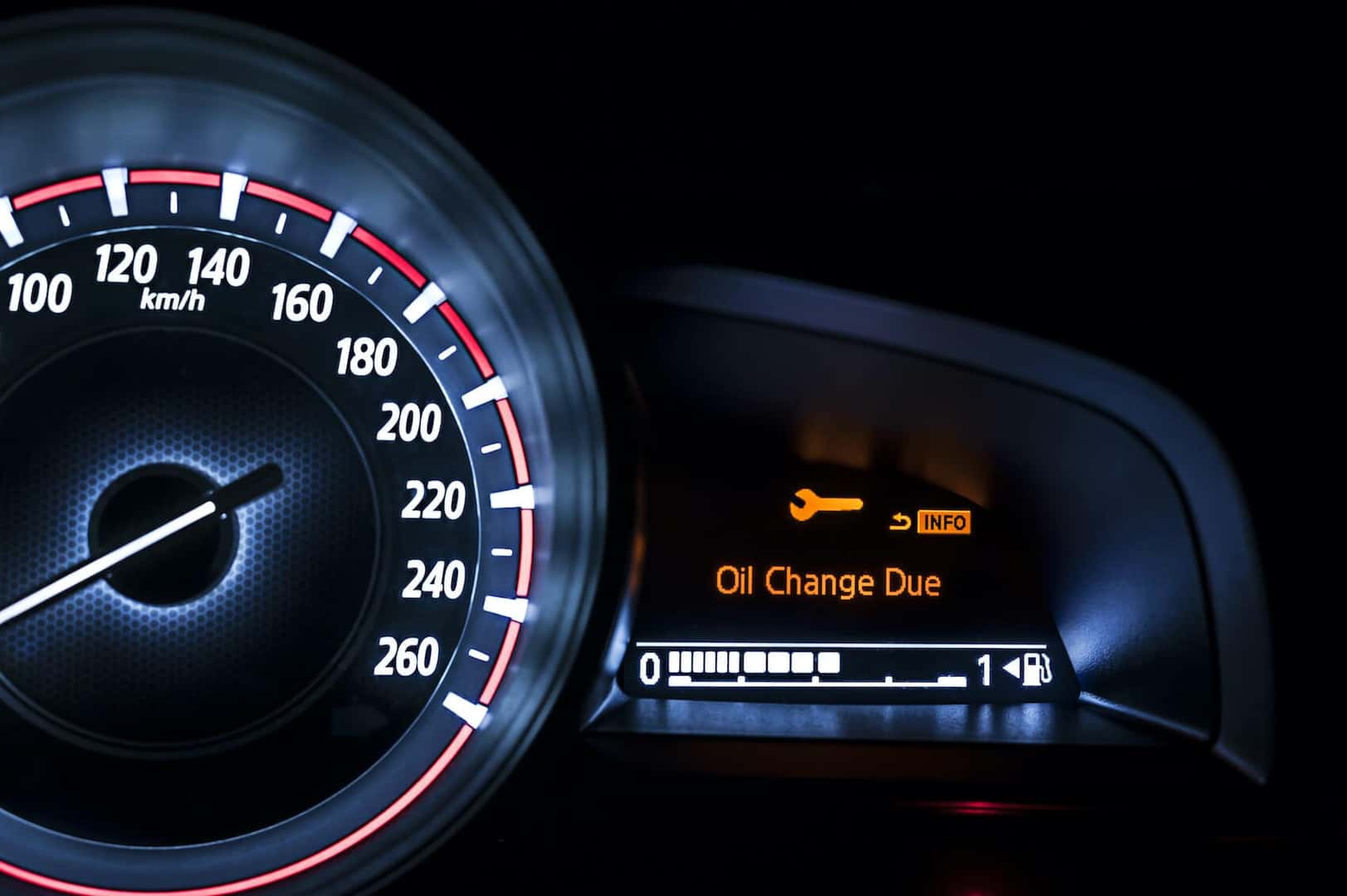
Toyota generally recommends a brake fluid flush every 2 years. Some service schedules list around 24,000–30,000 miles as a guideline. Check your owner’s manual for the exact interval for your model year. If you spot spongy brakes, leaks, or dashboard warnings, book a professional inspection immediately.
A qualified technician will fully flush complex ABS systems and inspect calipers, lines, and the master cylinder for wear and leaks.
Credit: www.normreevestoyotasandiego.com
Frequently Asked Questions
How Often Should I Flush Brake Fluid In A Toyota Sienna?
Toyota recommends flushing brake fluid every 2 years or 30,000 miles. Regular flushing ensures optimal brake performance and safety. Some guides cite 24,000 miles as an alternate benchmark. Check your owner’s manual for the official interval for your specific model year. If you drive in heavy-duty conditions or tow often, consider flushing more frequently.
What Type Of Brake Fluid Is Best For Toyota Sienna?
Toyota Sienna typically requires DOT 3 or DOT 4 brake fluid. Always check your owner’s manual to confirm the recommended type. Using the correct fluid ensures compatibility with brake system components and prevents damage. Avoid mixing different brake fluid types to maintain safety and performance.
Can I Flush Brake Fluid Myself On A Toyota Sienna?
Yes, you can flush brake fluid yourself with proper tools and knowledge. The process involves draining old fluid, refilling with new fluid, and bleeding air from brakes. If you are comfortable with basic vehicle maintenance and follow safe procedures, DIY is possible. If unsure about ABS systems or bleed sequences, it’s safer to consult a professional mechanic to avoid brake system damage or safety risks.
What Signs Indicate Brake Fluid Needs Flushing In Toyota Sienna?
Signs include spongy brake pedal, reduced braking power, or brake warning light. Dark or dirty brake fluid also indicates it’s time for a flush. Ignoring these signs can lead to brake failure. Regular inspection helps maintain safe and reliable braking performance.
Bottom Line
Keeping your Toyota Sienna’s brake fluid fresh is key to safety. Regular brake fluid flushes stop damage and keep brakes strong. Clean fluid helps your brakes work well every time. Don’t wait for problems to show up. Follow the steps carefully or visit a trusted mechanic.
Good brake care means safer drives for you and your family. Stay ahead by checking your brake fluid regularly. Simple action, big difference. Your Toyota will thank you with smooth, safe stops.

Hello, I’m Norman. I work as a car researcher. I am the voice behind CaroraHub. I have over 15 years of experience. I give simple and useful car advice. I help with car care, cleaning, and small repairs. My goal is to help you keep your car healthy. I want car care to be easy and cheap for you. You can trust my tips to keep your car working well for a long time.