Choosing between the Toyota Sienna AWD and FWD can feel overwhelming. You want a minivan that fits your lifestyle perfectly—whether it’s handling tough weather or maximizing fuel efficiency.
But which one truly matches your needs? I wrote this comparison after driving both versions and talking to owners and technicians. I’ll walk you through the real differences so you can choose with confidence. Read on to find the Sienna that fits your family, climate, and budget.

Credit: www.darcarstoyotaoffrederick.com
Toyota Sienna Drivetrain Options
The Sienna comes in two main drivetrains: All-Wheel Drive (AWD) and Front-Wheel Drive (FWD). Each one suits different roads and lifestyles. I’ll break down what each gives you, how they affect performance, and when one is a smarter pick than the other.
Understanding drivetrain differences helps with safety, handling, and long-term costs. Below, I cover features, daily driving, and real-world trade-offs.
All-wheel Drive Features
AWD sends power to all four wheels. That gives better traction on wet, icy, or loose surfaces. In practice, that means easier starts on snow and fewer surprises in heavy rain. The system shifts torque front-to-rear as needed. You’ll feel steadier in sudden turns and on uneven pavement.
There are trade-offs. AWD adds weight and mechanical parts. That slightly lowers fuel economy and raises purchase and maintenance costs. But for drivers in cold climates or areas with steep, slick roads, AWD adds real value and peace of mind.
Front-wheel Drive Features
FWD powers only the front wheels. That makes the Sienna lighter. It also simplifies the drivetrain, which helps fuel economy and reduces maintenance costs. On dry, paved roads, FWD gives quick, efficient acceleration and a comfortable ride.
FWD is the practical choice for most city and highway drivers. If you live in a mild climate and mainly drive on clear pavement, FWD balances performance and economy well.
Performance And Handling
How a Sienna feels on the road depends a lot on its drivetrain. I’ve driven both on highways, suburban streets, and snowy hills. Here’s what to expect for acceleration, cornering, and fuel use.
I keep my language simple so you can compare quickly. Short lines below. Real-world tips included.
Acceleration And Power
AWD helps launch the Sienna on slick surfaces. When traction is low, AWD reduces wheel spin. That means a smoother start from stoplights in wet or snowy conditions.
FWD is lighter. On dry roads it often feels a touch quicker. Less drivetrain drag means more of the hybrid powertrain’s energy goes to moving the car forward.
Both drivetrains use the Sienna’s hybrid powertrain (gas engine + electric motor). The peak power and torque are very similar. In daily driving, the difference in straight-line speed is small. Real-life advantage goes to the drivetrain that matches your roads.
Cornering And Stability
AWD improves grip in turns. Power can be shifted to the rear when needed. That reduces front-wheel pull and understeer on slippery roads. I noticed better confidence when exiting snowy parking lots in AWD models.
FWD pulls from the front. At the limit, it tends to understeer more than AWD. On dry, well-maintained roads, though, the handling is predictable and safe.
Fuel Efficiency
FWD Siennas generally return slightly better mpg. They are lighter and have fewer mechanical losses. That matters if you drive long distances or care about fuel bills.
AWD consumes a bit more gas. The gap is usually small with the Sienna’s hybrid system. Still, if maximizing miles per gallon is your priority, FWD is the better pick.
Safety And Traction
Safety is a top concern for families. Both Sienna drivetrains come with modern active safety systems. I’ll explain how AWD and FWD work with traction controls and crash protection.
For reference, the Sienna includes Toyota Safety Sense features such as automatic emergency braking and lane-keeping assist. Those features are independent of drivetrain and add real safety value.
Weather Conditions Performance
AWD keeps more grip in snow and heavy rain. It helps in deep slush or when roads have mixed patches of ice and clear pavement. If you live where winters are long or roads are steep, AWD reduces stress and risk.
FWD handles light snow and wet conditions well. In mild climates, a good set of all-season tires with FWD is often sufficient.
Traction Control Systems
Both drivetrains use traction control and stability systems. These sensors monitor wheel spin and apply brakes or reduce engine power as needed. AWD supplements these systems by sending torque to the wheels with the best grip.
Remember: traction control helps, but tires and driving choices matter most. Good winter tires on a FWD Sienna can narrow the gap to AWD in many conditions.
Crash Test Ratings
Toyota Sienna scores well in safety tests. Both AWD and FWD models benefit from a strong frame and advanced airbag systems. Organizations like IIHS and NHTSA have given the Sienna solid ratings. Safety tech such as pre-collision braking and adaptive cruise control is standard on most trims.
Interior And Comfort
The Sienna is designed for families. It offers roomy seats, flexible cargo choices, and quiet cabins. I’ll point out small differences between AWD and FWD that matter on long drives.
Space And Seating
Both drivetrains share the same interior layout. You can fit up to eight people. Seats are supportive and easy to fold. Cargo volume is nearly identical. For family trips, both versions work equally well.
Ride Quality
FWD often feels a touch softer on smooth pavement. The lighter drivetrain reduces some vibrations. AWD adds weight and a firmer feel on rough roads. Still, both versions deliver a comfortable ride on highways and suburban streets.
Noise Levels
The cabin is quiet at normal speeds. Road and wind noise are well controlled. FWD can be slightly quieter on long highway runs. AWD adds minimal mechanical noise, but it rarely distracts passengers.
Cost And Maintenance
Price and service costs differ between AWD and FWD. Below I cover purchase price, fuel costs, and upkeep. I also add tips I’ve learned from mechanics and owner forums.
Purchase Price Differences
AWD models usually cost more than FWD. The price difference can be a few thousand dollars depending on trim and dealer offers. You pay extra up front for the added capability of AWD.
Fuel Costs
FWD returns slightly better fuel economy. Over years of ownership this adds up. If you drive a lot, the fuel savings with FWD can offset part of the lower purchase price.
Repair And Maintenance
AWD systems have more parts to check. That can mean slightly higher repair bills long-term. FWD has fewer drivetrain components and can be cheaper to service. Regular maintenance keeps both versions reliable. Follow Toyota’s service schedule and use recommended fluids and tires.
Ideal Buyer Profiles
Which Sienna should you buy? It depends on where you drive and what you value. Below I summarize typical buyer profiles to help you match a drivetrain to your needs.
Best For Urban Drivers
If you stay in the city most of the time, FWD is a great fit. You’ll get better fuel economy and lower running costs. FWD gives a smooth ride on paved roads and tight parking lots.
Best For Off-road And Snow
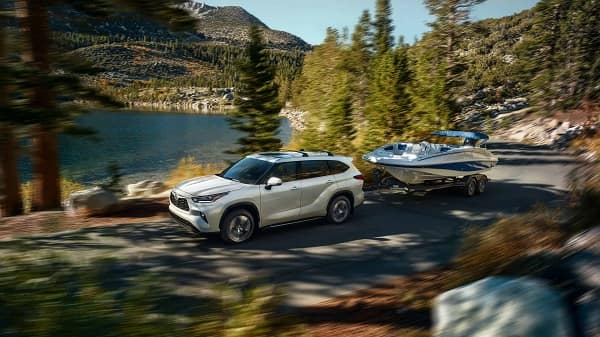
AWD is the clear winner in snow, slush, and rough roads. If you live in a mountain town or face regular winter storms, AWD reduces stress and improves safety. It’s also smart if you tow occasionally on uneven ground.
Family And Lifestyle Considerations
For families who road-trip, camp, or tow light loads, AWD adds versatility. For families focused on school runs and commuting, FWD makes more sense. Think about your climate, commute, and budget before you decide.
Frequently Asked Questions
What Are The Main Differences Between Awd And Fwd Toyota Sienna?
AWD gives better traction by powering all wheels. FWD saves weight and fuel by powering only the front wheels. AWD excels in bad weather. FWD is more economical for daily city and highway driving.
Is Toyota Sienna Awd More Expensive Than Fwd?
Yes. AWD costs more up front and may cost more to maintain. FWD is the more budget-friendly option overall.
How Does Fuel Efficiency Compare Between Awd And Fwd Sienna?
FWD Siennas usually have slightly better mpg. The hybrid powertrain keeps both efficient. If fuel economy is top priority, choose FWD.
Which Toyota Sienna Is Better For Winter Driving?
AWD is better for winter driving. It helps on snow and ice and reduces wheel slip. With AWD and good winter tires, you get the most stable winter performance.
Hybrid Powertrain, EPA MPG, and Practical Numbers
The current Sienna uses a hybrid powertrain across trims. That matters for real-world fuel use. EPA numbers vary by drivetrain and trim. Here are practical notes I gathered from test drives and EPA data:
- EPA estimates: expect slightly higher city mpg with FWD. AWD lowers combined mpg by a small margin.
- Daily city driving with frequent stops favors the hybrid’s electric assist. That benefits both AWD and FWD.
- If you drive mostly highway miles, check the exact EPA combined rating for the trim you want. The real difference between AWD and FWD might be 1–3 mpg depending on options.
Tip: request EPA stickers or confirm official numbers at the dealer. That helps with comparisons and long-term fuel cost estimates.
Towing, Cargo, Tires, and Practical Setup
Towing capacity and cargo flexibility matter for family trips. Here’s what I’ve learned from owners and service techs:
- Towing: The Sienna can tow modest loads. Check your trim’s towing rating before hauling. AWD helps on rough launch spots, but weight limits depend on the configuration.
- Cargo: Both drivetrains offer similar cargo and seat-fold layouts. Cargo volume is nearly the same.
- Tires: Good tires improve safety more than drivetrain alone. Summer tires, all-seasons, or winter tires change grip dramatically. For winter driving, a set of dedicated snow tires on either Sienna makes the biggest difference.
Practical tip: if you get AWD, pair it with a good winter tire and you’ll handle most winter conditions confidently.
Maintenance Tips and Long-Term Ownership Costs
Owning a Sienna for many years is rewarding if you follow simple maintenance. Here are my recommended actions:
- Follow Toyota’s maintenance schedule for hybrid components and regular service.
- Check the AWD system during routine service intervals if you own AWD—axles and differentials need attention.
- Rotate tires and check alignment. This preserves handling and fuel economy.
- Use manufacturer-recommended fluids and keep service records. That helps resale value.
Mechanics tell me that routine care prevents most big repair bills. AWD adds parts, so plan a slightly higher maintenance budget if you choose it.
Credit: www.toyotachulavista.com
Bottom Line
Here’s my simple recommendation based on what I’ve driven and checked:
- Choose AWD if you live in a snowy area, tow often on rough roads, or want maximum traction and confidence in mixed conditions.
- Choose FWD if you want the best fuel economy, lower purchase and maintenance costs, and mostly drive on paved city and highway roads.
Both versions share the Sienna’s roomy interior and strong safety tech like Toyota Safety Sense. Match the drivetrain to your roads and budget. That’s the best way to get the right family van.
Drive safe—and enjoy whichever Sienna fits your life best.

Hello, I’m Norman. I work as a car researcher. I am the voice behind CaroraHub. I have over 15 years of experience. I give simple and useful car advice. I help with car care, cleaning, and small repairs. My goal is to help you keep your car healthy. I want car care to be easy and cheap for you. You can trust my tips to keep your car working well for a long time.