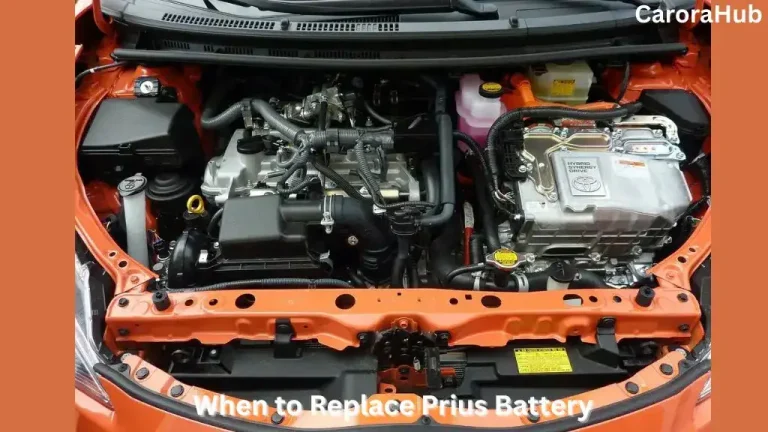
The Toyota Prius is a car that changed how people think about hybrid vehicles. Since its first release in 1997, the Prius has become a symbol of fuel efficiency and reliability. But if you are considering buying a Prius, you might wonder about one important part: the transmission. How reliable is it? Does it last as long as the rest of the car? Are there common problems or things you should know before buying?
This guide gives you a detailed look at the Toyota Prius transmission. You will learn about its design, how it works, how reliable it really is, and what owners and experts say. If you want clear, honest information before making a decision, you’re in the right place.
Understanding The Toyota Prius Transmission
Before talking about reliability, you need to know what kind of transmission the Prius uses. It is not the same as in most other cars.
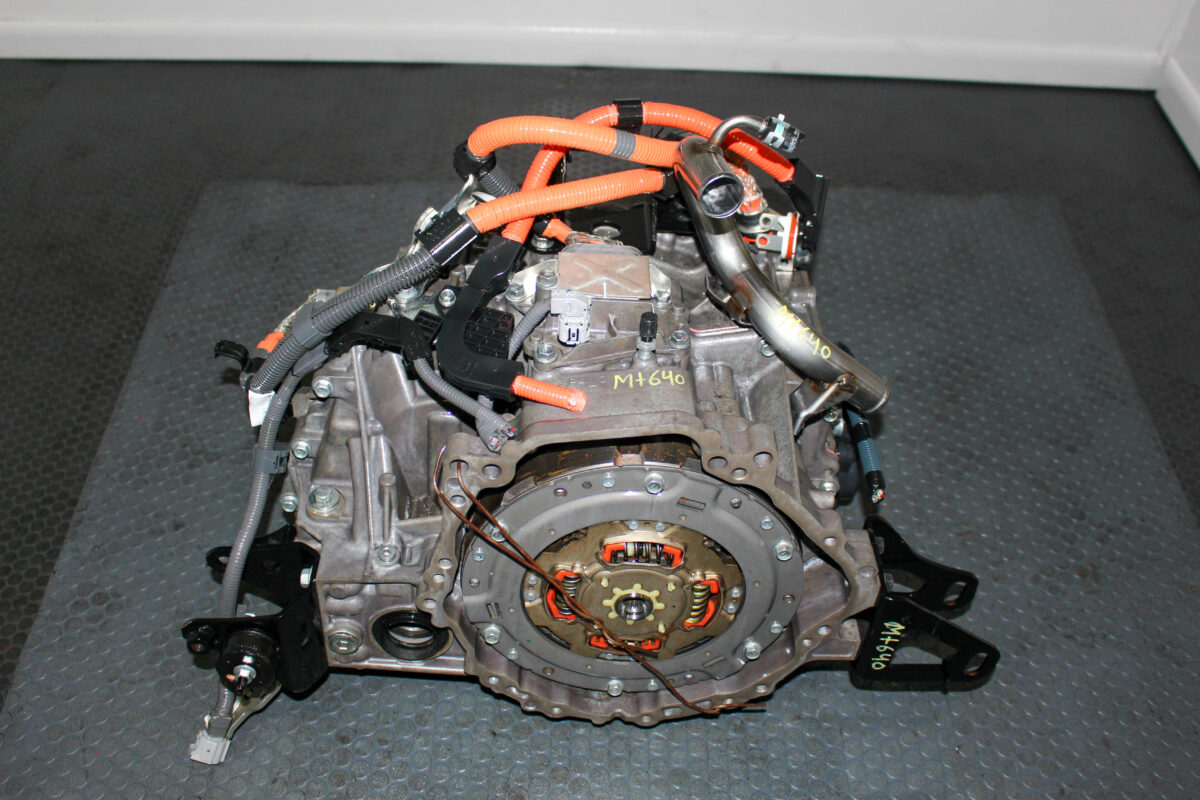
The Toyota Prius uses an eCVT (electronic continuously variable transmission). This is very different from the traditional automatic or manual gearboxes you may know. In the Prius, the eCVT works together with the hybrid electric system. It uses a set of planetary gears and two electric motors to smoothly change speed and power, making the driving experience simple and efficient.
How The Prius Ecvt Works
The eCVT in the Prius has no fixed gears. Instead, it manages power from the gasoline engine and the electric motors using a planetary gearset. This system controls how much power goes to the wheels and how much goes to charging the battery. The result is a very smooth drive and high fuel efficiency.
Key points about the Prius eCVT:
- No traditional clutch or gear shifts
- Fewer moving parts than regular transmissions
- Designed for smooth power delivery
- Works with hybrid system for better mileage
This design is one reason why people say the Prius is different from other cars. But does this unique transmission mean more or less reliability? Let’s dig deeper.
Reliability Track Record: What The Data Shows
Many drivers choose Toyota because of its reputation for building cars that last. The Prius is no exception. But what does the data say about its transmission reliability?
Owner Surveys And Long-term Studies
Multiple studies and owner surveys, including those from Consumer Reports and J. D. Power, show that the Toyota Prius transmission is among the most reliable in the industry. For example, a 2021 Consumer Reports reliability study showed that the Prius scored above average for transmission problems, even in older models with high mileage.
Common Mileage Numbers
Prius transmissions are known to last well beyond 200,000 miles with basic care. Some owners report their eCVT still running smoothly after 300,000 miles. Compared to traditional automatics, which often need repairs or rebuilds around 150,000 miles, this is impressive.
Failure Rates
Actual failure rates for Prius transmissions are very low. Reports from mechanics and hybrid specialists show that major failures are rare. Most issues are minor and related to other parts, not the eCVT itself.
Warranty Coverage
Toyota usually offers an 8-year/100,000-mile warranty on the hybrid system, which includes the transmission. In some states, like California, the warranty is even longer (up to 10 years/150,000 miles).
Why The Prius Transmission Is So Reliable
You may wonder why the Prius eCVT is more reliable than most automatics. There are a few reasons:
- Fewer moving parts – No traditional gears, clutches, or bands.
- Less heat and friction – The system is smoother and runs cooler.
- Simple mechanical design – The planetary gearset is strong and well-tested.
- No transmission fluid changes (in some models) – Less maintenance means fewer mistakes.
This design means there are fewer things that can break or wear out. Many transmission shops say they rarely see Prius transmissions with serious problems.
Real-world Reliability: What Owners Say
To get a full picture, it helps to hear from real Prius owners. Here are some examples:
- A 2012 Prius owner from California reached 350,000 miles with no transmission repairs, just regular fluid checks.
- A taxi company in New York reported over 300,000 miles on several Prius cars, all with original transmissions.
- On hybrid owner forums, most owners say their eCVT works fine, even after many years.
Of course, there are always a few exceptions. Some owners have faced issues, but these are usually caused by accidents, lack of maintenance, or rare defects.
Common Prius Transmission Problems
While the Prius eCVT is very reliable, no car part is perfect. Here are some problems that sometimes happen:
- Inverter or hybrid system faults – Sometimes people think the transmission has failed, but it’s actually a problem with the hybrid inverter or battery.
- Fluid leaks – Older models may develop leaks at seals or gaskets.
- Noise at high mileage – Some owners notice whining or humming sounds when the transmission gets old.
- Software issues – Rarely, the control software can have bugs, which may require a dealer update.
Most of these problems are not major transmission failures. Still, regular checks and basic maintenance can help you avoid them.
Read More: How to Enter Prius Maintenance Mode
Prius Transmission Generations And Differences
The Toyota Prius has been in production for over 25 years. The transmission has changed a little with each new generation. Here’s a look at the main versions:
| Prius Generation | Years | Transmission Type | Key Changes |
|---|---|---|---|
| 1st Gen (NHW10/NHW11) | 1997–2003 | THS/eCVT | Early version, smaller motors |
| 2nd Gen (NHW20) | 2004–2009 | eCVT (P112) | More efficient, improved control |
| 3rd Gen (ZVW30) | 2010–2015 | eCVT (P410) | Lighter, smaller, even more reliable |
| 4th Gen (XW50) | 2016–2022 | eCVT (P610) | Further efficiency, more compact |
| 5th Gen (XW60) | 2023–present | eCVT (updated) | Latest tech, even better integration |
Each generation has made the eCVT lighter, more efficient, and easier to service. But the basic design has stayed the same, so reliability is strong across all years.
Maintenance And Care For Prius Transmissions
Even the best parts need some care. Here’s what you should know about Prius transmission maintenance:
Fluid Changes
Toyota often says the eCVT “does not need regular fluid changes,” but many experts suggest changing the transmission fluid every 60,000–100,000 miles. Fresh fluid can help the system stay cool and last longer, especially in older cars or hot climates.
Checking For Leaks
Look for leaks under the car, especially if you notice drops of red or brown fluid. Early leaks are easy to fix, but ignoring them can lead to bigger problems.
Software Updates
Sometimes Toyota releases updates for the hybrid system or transmission software. Check with your dealer during service visits.
Listen And Feel
Pay attention to new noises, strange vibrations, or changes in how the car drives. Most Prius transmissions are almost silent. If you notice loud whining, clunking, or jerky movement, have a hybrid specialist check the car.
Use The Right Fluid
If you do change the fluid, always use the exact type recommended by Toyota. Using the wrong fluid can damage the transmission.
Cost Of Repair And Replacement
A big worry for many people is the cost of fixing or replacing a Prius transmission. The good news is that because failures are rare, costs are usually low.
Typical Repair Costs
Minor repairs (like changing seals or sensors) usually cost $100–$500. A full replacement is rare, but can cost $2,000–$3,500 at a dealer. Used or rebuilt transmissions may be available for less.
Comparing To Other Cars
Let’s compare the average costs for transmission repair in a Toyota Prius vs. other cars:
| Car Model | Transmission Type | Average Major Repair Cost |
|---|---|---|
| Toyota Prius (eCVT) | Hybrid eCVT | $2,500 |
| Honda Accord | Automatic | $3,200 |
| Ford Focus | Dual-Clutch Auto | $3,800 |
| Toyota Camry | Automatic | $2,900 |
As you can see, the Prius is not more expensive than other cars, and many owners never pay for a transmission repair.
Prius Vs. Other Hybrid Transmissions
How does the Prius eCVT compare to transmissions in other hybrid cars? Here are some key points:
- Honda hybrids use a different system, called IMA or eCVT, but some models (like the older Civic Hybrid) had more problems than the Prius.
- Ford hybrids (like the Fusion Hybrid) also use eCVT, and reliability is similar, but some owners report more electrical issues.
- Hyundai/Kia hybrids use a more traditional automatic with electric motors, which means more possible wear and tear.
In general, the Toyota Prius eCVT is known for being one of the most reliable hybrid transmissions.
Insights Most People Miss
Many car shoppers overlook a few important facts about the Prius transmission:
- No “slipping” or rough shifts: Because the eCVT has no actual gear changes, you never feel the “slip” or jerk that older automatics sometimes have.
- Transmission and hybrid battery are linked: Sometimes, what seems like a transmission problem is actually a weak hybrid battery or inverter. A good mechanic will check both before making repairs.
- Not designed for heavy towing: The Prius eCVT works best for normal driving and light loads. Towing heavy trailers can overheat the system and shorten its life.
Understanding these points will help you keep your Prius running well for years.
Signs Of Transmission Trouble
While failures are rare, knowing the early warning signs can help you avoid bigger problems. Watch for:
- Strange noises (whining, grinding)
- Warning lights on the dashboard (especially the “Check Hybrid System” light)
- Leaks under the car
- Reduced fuel economy
- Jerky or sluggish acceleration
If you notice any of these, get the car checked by a hybrid specialist, not just a regular mechanic.
Should You Buy A Used Prius?
If you’re thinking about a used Prius, the transmission is usually not a big worry, but there are a few smart steps:
- Ask for service records. Regular fluid checks and hybrid system care are a good sign.
- Test drive the car. Listen for odd noises, and check for smooth, quiet operation.
- Have a hybrid expert inspect the car if you’re unsure.
Most used Prius cars have strong, reliable transmissions—just avoid cars with missing service history or signs of neglect.
Prius Transmission: Myths Vs. Reality
Because the Prius is different, some myths exist. Let’s clear up the most common ones:
- Myth: “All hybrids have expensive transmission problems.”
Reality: The Prius eCVT is simpler and more reliable than most regular automatics.
- Myth: “CVTs always fail early.”
Reality: The Prius eCVT is not the same as belt-driven CVTs in some other cars (like Nissan). It uses gears, not belts.
- Myth: “You can’t repair Prius transmissions.”
Reality: Most repairs are simple and affordable, especially for leaks or sensors.
- Myth: “Prius transmissions are slow or boring.”
Reality: While the Prius is not a sports car, the eCVT gives smooth and quiet acceleration, which many owners prefer.
Learning the facts helps you make a smarter choice.
The Future: New Prius Transmissions
The newest Prius models (2023 and later) continue to use the eCVT, but with better technology. They’re even more efficient, smaller, and lighter. Toyota keeps improving the design, but the basic system is proven and trusted.
If you buy a new or used Prius, you can expect years of reliable service from the transmission.
Credit: jspecauto.com
Comparison: Prius Transmission Vs. Regular Automatic
Here is a side-by-side comparison to show the main differences:
| Feature | Pruis eCVT | Traditional Automatic |
|---|---|---|
| Gears | No fixed gears | 4–10 gears |
| Moving Parts | Fewer | Many (clutches, bands) |
| Shifting Feel | Seamless, smooth | Shifts can be felt |
| Common Failures | Rare | More likely |
| Maintenance Needs | Low | Medium to high |
Expert Opinions
Automotive experts often praise the Prius transmission for its durability. For example, the editors at Car and Driver call the Prius “one of the most reliable hybrids ever made.” Many mechanics say the eCVT is “almost bulletproof” if you keep up with basic care.
If you want more technical background, check out the official Prius page on Wikipedia.
Final Thoughts: Is The Toyota Prius Transmission Reliable?
After looking at owner experiences, repair shop data, and expert reviews, it’s clear: the Toyota Prius transmission is one of the most reliable you can buy. It’s simple, smart, and built to last. With basic maintenance and normal driving, most Prius eCVTs will outlast the rest of the car.
If you want a car that’s easy to live with, cheap to run, and unlikely to give you transmission trouble, the Prius is an excellent choice. Just remember to check fluid levels, listen for new noises, and have a hybrid expert handle any repairs.
For most drivers, the Prius transmission is not just reliable—it’s a big reason why the car is so loved worldwide.
FAQs Of Are Toyota Prius Transmissions Reliable
How Long Does A Toyota Prius Transmission Last?
Most Prius transmissions last 200,000 miles or more with basic care. Many owners report reaching 300,000 miles without major repairs.
Does The Prius Transmission Need Regular Fluid Changes?
Toyota often says fluid changes are “lifetime,” but many experts recommend changing the fluid every 60,000–100,000 miles for best results, especially in hot climates or older cars.
What Are Signs Of Prius Transmission Problems?
Watch for whining noises, warning lights, leaks, reduced fuel economy, or jerky acceleration. If you notice these, have a hybrid expert check the car soon.
Is The Prius Transmission Expensive To Repair?
Minor repairs are usually $100–$500. Full replacements are rare and may cost $2,000–$3,500, which is similar to or cheaper than many other cars.
How Does The Prius Ecvt Compare To Other Hybrid Transmissions?
The Prius eCVT is more reliable than most hybrid or regular automatic transmissions, thanks to its simple design and fewer moving parts.
If you want a car with one of the best track records for transmission reliability, the Toyota Prius is hard to beat.

Hello, I’m Norman. I work as a car researcher. I am the voice behind CaroraHub. I have over 15 years of experience. I give simple and useful car advice. I help with car care, cleaning, and small repairs. My goal is to help you keep your car healthy. I want car care to be easy and cheap for you. You can trust my tips to keep your car working well for a long time.