Many readers ask me the same question: does owning a Toyota Prius really cut maintenance costs compared with a regular gas car? With fuel prices rising and more people thinking about the environment, hybrids like the Prius are very popular. But true savings go beyond fuel economy—maintenance, repairs, and reliability matter just as much. I’ve owned and worked on Priuses and talked to many owners. Below I give an honest, practical look at Prius maintenance costs and how they compare to traditional gas vehicles.
How Hybrid Cars Like The Prius Work
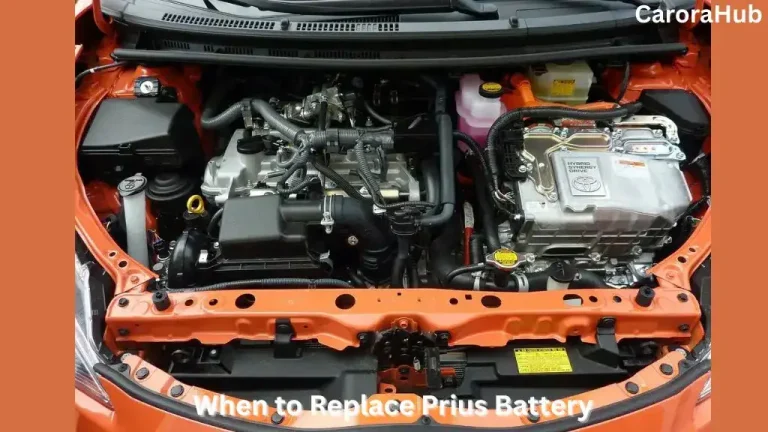
Before we compare costs, let’s cover the basics. The Toyota Prius is a hybrid vehicle. It pairs a gasoline engine with an electric motor and a high-voltage battery pack. At low speeds and in stop-and-go traffic, the Prius can run on the electric motor alone. When you need more power, the gas engine kicks in. The battery recharges while you drive and when you brake, using regenerative braking—so most Prius models don’t need to be plugged in.
This layout changes how parts wear. The gas engine runs less. Brake pads last longer because regenerative braking does much of the slowing. But hybrids have unique components—like the high-voltage hybrid battery, inverter, and battery cooling systems—that gas-only cars do not. Those parts can be costly to service or replace, even if it’s rare.
Key Areas Of Maintenance: Prius Vs Gas Cars
To judge whether a Prius saves money, we need to compare the main maintenance categories. Here’s a clear list I use when evaluating any car:
- Oil Changes
- Brakes
- Transmission
- Battery
- Exhaust System
- Belts and Hoses
- Tires
- Coolant and Fluids (including hybrid inverters)
- Spark Plugs and Filters
- Regular Service Schedule
Below I walk through each item, share costs, and point out where the Prius has an advantage or disadvantage.
Oil Changes
Oil changes are one of the most common maintenance items. Gas-only cars often need them every 3,000–5,000 miles with conventional oil. The Prius typically runs longer intervals—many owners get 7,500–10,000 miles between services. That’s partly because the gas engine runs less and because Toyota specifies synthetic oil in most recent models.
Cost Comparison
- Prius: Fewer oil changes, roughly $50–$70 each, often every 10,000 miles.
- Gas Car: $40–$60 each, typically every 3,000–5,000 miles if using conventional oil.
Over 100,000 miles, a Prius owner might need about 10 oil changes. A gas-car owner could need 20–30. That difference adds up. One detail many owners miss: the Prius usually requires synthetic oil (for example 0W-20 in many years), which is pricier per change but supports longer intervals. Read more about intervals here: recommended oil change interval for Toyota Prius.
Brakes
The Prius uses regenerative braking. That means the electric motor recaptures braking energy and stores it in the hybrid battery. As a result, the friction brakes (pads and rotors) do less work and wear much more slowly.
Cost Comparison
- Prius: Brake pads often last 70,000–100,000 miles; some owners report original pads past 100k.
- Gas Car: Pads typically last 30,000–50,000 miles in similar driving conditions.
Less frequent brake work saves money and time. In my experience, a Prius owner will see hundreds of dollars saved in brake parts and labor over the car’s life. The trade-off: when a brake job is needed, technicians must still check the regenerative system and sensors—but overall costs remain lower.
Transmission
The Prius uses an eCVT (electronic continuously variable transmission). It’s different from the multi-gear automatics in many gas cars. The eCVT has fewer mechanical gears and moving parts, which reduces the chance of catastrophic mechanical failure.
Cost Comparison
- Prius: Simpler drivetrain, lower likelihood of major transmission repair. Transmission or drive-fluid service is infrequent—often 100,000 miles or more.
- Gas Car: Traditional automatic transmissions can require fluid changes and sometimes major repairs at 30,000–60,000 miles depending on use.
Less complexity generally means fewer expensive repairs. I’ve seen far fewer transmission failures on Priuses than on some gas models of similar age and mileage.
Battery
This is the big worry for many: the Prius’ high-voltage hybrid battery. These packs are built to last, but they are costly to replace when they fail.
Cost Comparison
- Prius: Hybrid battery life is commonly 8–10 years or 100,000–150,000 miles. New replacements can cost $2,000–$3,500 or more. Remanufactured and used replacements are often cheaper.
- Gas Car: The 12V starter battery usually lasts 3–5 years and costs $100–$200 to replace.
Important context: many Prius owners never need a hybrid battery replacement during their ownership. Toyota often offers extended hybrid warranties in many markets. There’s also a growing market for remanufactured or refurbished hybrid batteries that lowers replacement costs. Practical tip: keep the hybrid battery cooling system clean and don’t ignore warning lights—this extends life.
Exhaust System
Because the Prius’ internal combustion engine runs less, exhaust components see less heat and wear. That typically improves longevity of items like the muffler and catalytic converter.
Cost Comparison
- Prius: Fewer exhaust problems; components often last the car’s life.
- Gas Car: Mufflers, pipes, and catalytic converters may require service or replacement after heavy use or high mileage.
In short, expect lower exhaust repair costs with a Prius in most driving patterns.
Belts And Hoses
The Prius design uses fewer belt-driven accessories. For example, some models use electric pumps and motors rather than belt-driven units, reducing wear on belts and related hoses.
Cost Comparison
- Prius: Fewer belts and belt-driven parts to replace; electric pumps often last longer.
- Gas Car: More belts, pulleys, and hoses that require regular inspection and replacement.
That translates to fewer small repairs and lower routine maintenance spending for Prius owners.
Tires
Tires cost the same for any car, but the Prius is often fitted with low rolling resistance (LRR) tires to maximize fuel economy. LRR tires can sometimes wear a bit faster, depending on compound and driving style.
Cost Comparison
- Prius: Tires last 40,000–60,000 miles; a set commonly costs $400–$700.
- Gas Car: Similar lifespan and price for comparable compact/midsize models.
Overall, tire costs are similar between Prius and comparable gas cars. Rotations and alignments are still essential to maximize life.
Coolant And Fluids
Both Prius and gas cars need coolant, brake fluid, and other fluids. Hybrids use extra cooling for the inverter and sometimes for the battery pack, so they may require additional checks.
Cost Comparison
- Prius: May need coolant service for both engine and inverter/battery cooling circuits, but not often.
- Gas Car: Standard engine coolant service at manufacturer intervals.
The extra coolant lines make Prius fluid service slightly higher, but the difference over the vehicle life is minor.
Spark Plugs And Filters
Spark plugs, air filters, and fuel filters wear with engine use. Since the Prius’ gas engine runs less, these items often last longer between services.
Cost Comparison
- Prius: Spark plugs can last 80,000–120,000 miles in many models.
- Gas Car: Spark plugs often need replacement at 30,000–60,000 miles.
Less frequent replacements reduce both parts and labor costs for the Prius.
Regular Service Schedule
Both hybrid and gas cars need routine service. The Prius often allows longer intervals for some items because of the hybrid system. That means fewer dealer visits over time.
Cost Comparison
- Prius: Many owners report only routine checks and basic maintenance for the first 100,000 miles.
- Gas Car: More frequent fluid changes, brake work, and component wear in comparable driving scenarios.
From my experience: Prius owners commonly say tires and wiper blades are the only meaningful expenses for the first 5–7 years. That’s a strong selling point for long-term ownership.
Real-world Maintenance Cost Data
Numbers help. Below are averages from reputable sources such as YourMechanic and RepairPal. These reflect typical wear-and-tear costs, not rare, high-cost failures.
| Car Model | Average Annual Maintenance Cost | 10-Year Total Cost |
|---|---|---|
| Toyota Prius | $408 | $4,080 |
| Toyota Corolla (Gas) | $362 | $3,620 |
| Honda Civic (Gas) | $368 | $3,680 |
| Ford Focus (Gas) | $569 | $5,690 |
This data shows the Prius’ annual maintenance is similar or slightly higher than efficient gas cars like the Corolla or Civic, but notably lower than some other models. A key point: these figures generally exclude rare events such as hybrid battery replacement. If a battery is replaced, add roughly $2,000–$3,500 to the total cost—but that usually happens after many years or very high mileage.
What About Unexpected Repairs?
No car is immune to surprises. The Prius has a strong track record for reliability. In reliability studies, Toyota hybrids often rank high. Still, some hybrid-specific failures are possible.
Common Prius Repairs
- Inverter replacement: Rare, but expensive—$1,000–$3,000 if out of warranty.
- Hybrid battery cooling fan cleaning: Some older models need this to avoid overheating and premature battery wear.
- Water pump: Electric water pumps can fail, but typically less often than belt-driven pumps.
How Do Gas Cars Compare?
Gas cars face their own costly failures:
- Transmission failure: Can cost $2,000–$4,000 to rebuild or replace.
- Head gasket failure: Often $1,000–$2,500 to repair.
- Catalytic converter theft or failure: $1,000–$2,000 to replace.
Statistically, the Prius is less likely to suffer major breakdowns in the first 150,000 miles compared to many gas cars. My own Prius ran reliable daily service for years before any expensive repairs cropped up.
Long-term Ownership: What Do Owners Say?
I read owner forums, review sites, and surveys to get a real view. Common patterns from long-term Prius owners:
- Many have driven 200,000+ miles with only basic maintenance.
- Hybrid battery replacement is uncommon in the first decade.
- Engine and hybrid components are engineered for longevity.
- Resale value often stays high because of Toyota’s reputation and fuel economy demand.
Note: Some owners forget to budget for a potential hybrid battery replacement later in life because it’s uncommon early on. That’s a hidden planning item for long-term owners.
Warranty Coverage: Hybrid Vs Gas Cars
Warranty terms affect out-of-pocket costs. The Prius typically includes long hybrid-system coverage in many markets.
- Hybrid battery warranty: 8 years/100,000 miles in many regions (some states or regions provide 10 years/150,000 miles).
- Basic warranty: 3 years/36,000 miles.
- Powertrain warranty: 5 years/60,000 miles.
Most gas cars have similar basic and powertrain warranties. But they don’t get hybrid-specific coverage for the high-voltage battery and inverter. If you buy a used Prius, check whether the hybrid warranty is still active. That can protect you from large bills.
Are Prius Maintenance Costs Lower? The Full Picture
Here’s a summary comparing maintenance areas and who wins overall:
| Maintenance Area | Prius | Gas Car | Winner |
|---|---|---|---|
| Oil Changes | Less frequent | More frequent | Prius |
| Brakes | Much longer life | Regular replacement | Prius |
| Transmission | Simple, reliable | More complex | Prius |
| Battery | Expensive, rare replacement | Cheap, more frequent | Gas Car (short term) |
| Exhaust | Low wear | Normal wear | Prius |
| Belts & Hoses | Fewer parts | More parts | Prius |
| Tires | Similar | Similar | Tie |
| Coolant/Fluids | Slightly higher | Standard | Gas Car (minor) |
| Spark Plugs/Filters | Last longer | Replaced more often | Prius |
| Major Repairs | Less frequent | More common | Prius |
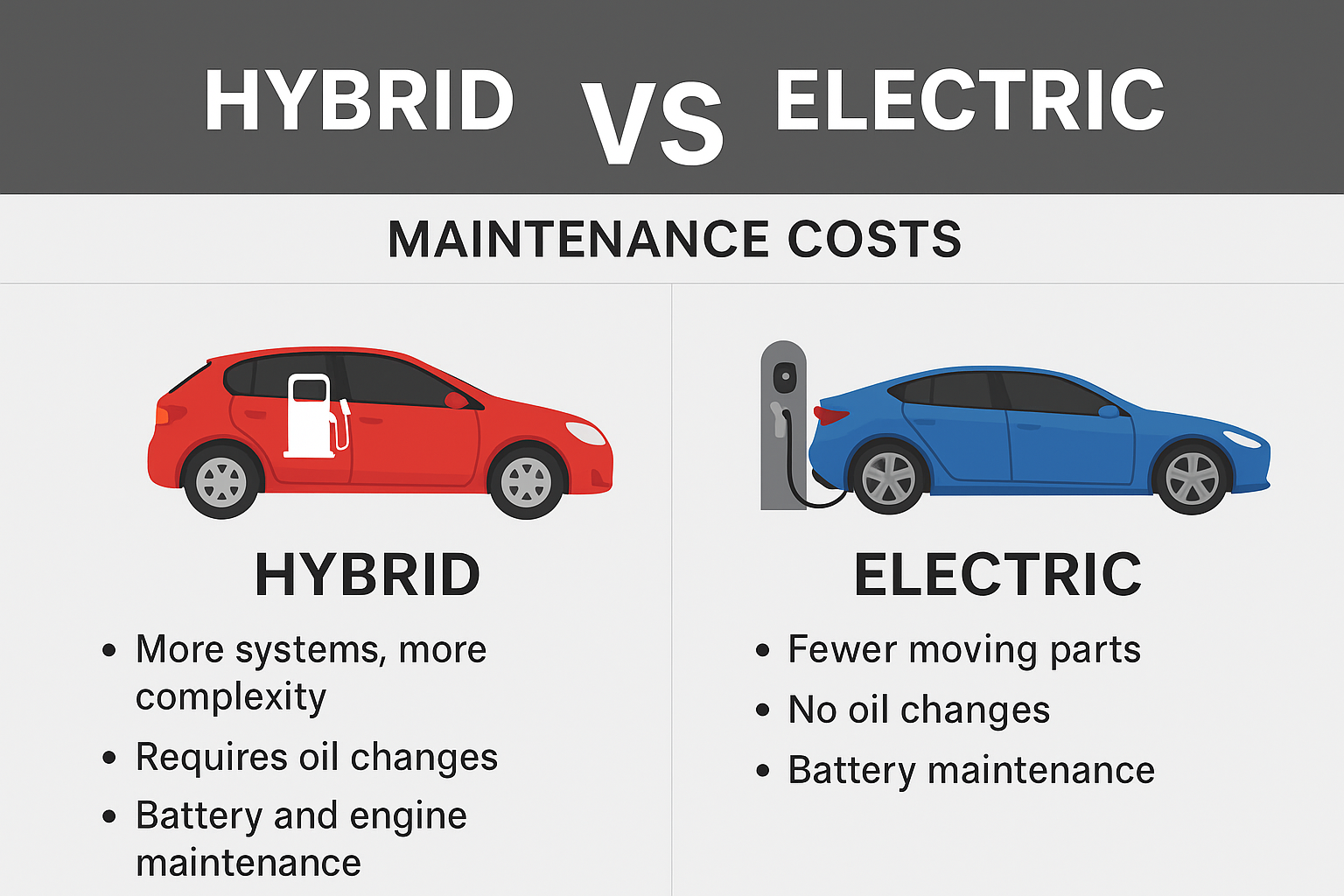
Overall, the Prius wins in most categories. The gas car’s only consistent advantage is the low upfront cost to replace a 12V battery, but that occurs frequently and is inexpensive. When you factor in fuel savings (MPG gains), reduced brake and transmission wear, and higher resale value, the Prius often yields lower total cost of ownership (TCO) over many years.
Factors That Affect Maintenance Costs
Maintenance costs depend on several variables, no matter which car you drive:
- Driving habits: Aggressive driving or frequent short trips increase wear.
- Climate: Hot or cold extremes stress batteries and fluids.
- Road conditions: Rough roads wear tires and suspension faster.
- Maintenance history: A car that misses service later costs more to repair.
Pro tip: Follow the recommended maintenance schedule and keep records. That lowers long-term costs and improves resale value.
Prius Generations: Are Newer Models Cheaper To Maintain?
The Prius has evolved since the late 1990s. Each generation brought reliability and cost improvements:
- Gen 1 (1997–2003): Early tech, higher parts cost, and rare today.
- Gen 2 (2004–2009): Very reliable; battery replacements start showing at high miles.
- Gen 3 (2010–2015): Strong reliability; reman battery options are more common and cheaper.
- Gen 4 (2016–present): Improved efficiency, refined battery tech, fewer reported issues.
Newer models generally cost less to maintain due to improved designs and a more mature aftermarket for hybrid parts.
If you’re evaluating long-term ownership, also read Are Toyota Prius Transmissions Reliable—drivetrain durability has a big effect on maintenance expenses.
How Does Prius Compare To Other Hybrids?
The Prius set the hybrid standard, but many competitors exist now: Honda Insight, Hyundai Ioniq, Ford Fusion Hybrid, and others. Most use similar hybrid systems—gas engine plus electric motor and battery—so maintenance patterns are similar. Toyota’s long hybrid history gives it an edge: parts are abundant and many technicians are experienced with Toyota hybrid systems.

Credit: www.cars.com
Hidden Costs: What Beginners Often Miss
- Hybrid battery resale value: Even failing batteries can have value. Recyclers and refurbishers buy old Prius batteries for parts and recycling.
- Insurance: Some insurers charge slightly more for hybrids, but often premiums match comparable gas cars.
- DIY repairs: Hybrid repairs can be more complex and require safety training. But basic jobs—tires, brakes, oil—are still DIY-friendly if you follow safety guidance.
- Parts availability: Prius parts are widely available, but some hybrid-specific parts (like inverter modules) can take longer to source in certain regions.
Environmental Impact And Maintenance
Beyond costs, the Prius reduces emissions and uses less fuel. That also lowers environmental impact from maintenance: fewer oil changes, fewer worn brake pads, and reduced exhaust emissions. Less waste and better fuel economy are added benefits to owning a hybrid.
Should You Worry About Prius Maintenance Costs?
Short answer: for most owners, no. The Prius is among the lowest-cost-to-own and maintain vehicles over 10 years. The primary risk is the hybrid battery, but that’s rare before 150,000 miles. Battery prices have also fallen and remanufactured options are widely available.
If you drive a lot, want long-term fuel savings, and plan to keep a car for many years, the Prius makes sense. If you change cars every few years and mostly drive short trips, the maintenance differences are less dramatic.
For detailed data on hybrid reliability and cost comparisons, check Consumer Reports and the repair-data links cited earlier.
With low maintenance needs, strong reliability, and solid resale value, the Toyota Prius is a smart choice for drivers who want fewer surprises at the repair shop and a lower total cost over many years.
Credit: advancedautomotiveva.com
FAQs Of Are Toyota Prius Maintenance Costs Lower Than Gas Cars
How Long Do Toyota Prius Batteries Really Last?
Most Prius hybrid batteries last 8–10 years or 100,000–150,000 miles. Many owners report longer life. Battery failure is rare within these limits. Regular driving, keeping the battery cooling system clean, and avoiding constant short trips can extend battery life.
Are Prius Repairs More Expensive Than Gas Cars?
Most routine Prius repairs are less frequent and often cost the same or less than for gas cars. Hybrid-specific items—like the inverter or high-voltage battery—are pricier if they fail. But these failures are uncommon for properly maintained vehicles.
What’s The Most Expensive Prius Maintenance Item?
The hybrid battery is the biggest single expense to replace, typically $2,000–$3,500 for a new unit. Remanufactured or used batteries lower that cost. Most owners don’t need a replacement during the first 8–10 years.
Do I Need To Go To A Special Mechanic For Prius Maintenance?
Basic maintenance—oil changes, tires, brakes—can be done at most shops. For hybrid-system repairs, go to a Toyota dealer or a shop with hybrid experience. As hybrids become common, more independent mechanics have the required training and tools.
Is It Worth Buying A Used Prius?
A used Prius can be an excellent value if well maintained. Check battery health, service history, and whether the hybrid warranty is active. A cared-for used Prius often costs less to maintain than many other used cars with the same mileage.
How I Track and Reduce Prius Maintenance Costs
I keep a simple log of services, receipts, and mileage. That helps spot trends—like faster-than-normal tire wear or early coolant loss. I also follow three simple rules that save money:
- Follow Toyota’s scheduled maintenance intervals and use OEM or high-quality parts.
- Address minor issues early—small repairs often prevent big bills.
- Consider remanufactured hybrid parts (battery/inverter) from reputable suppliers to save costs without a big risk.
Used Prius Buying Checklist (Quick)
- Verify service records for oil changes, coolant work, and inverter/battery servicing.
- Check hybrid battery health and cooling fan condition (especially on older models).
- Look for signs of major repairs or neglected maintenance (missed services, unusual noises).
- Ask about remaining hybrid warranty and obtain a vehicle history report.
Top Tips to Lower Prius Maintenance Costs
- Use synthetic oil at the right interval—saves money over time despite higher per-change cost.
- Rotate tires every 5,000–7,500 miles and check alignment yearly.
- Keep the hybrid battery cooling passages clean—many owners skip this and shorten battery life.
- Shop around for reman inverter modules and batteries from trusted vendors if replacement is needed.
Quick Cost Timeline: What to Expect by Mileage
- 0–60k miles: Routine maintenance (oil, brakes, tires). Few major repairs if maintained.
- 60k–120k miles: Possible inverter or water pump issues on older models; battery replacement becomes more likely after 100k–150k depending on use.
- 120k–200k+ miles: With good care, many Priuses run reliably; plan for potential hybrid battery or inverter work if original units are still present.
If you want, I can help estimate a personalized maintenance cost projection based on your driving habits and chosen Prius generation. I’ve built these estimates from my own service records and conversations with experienced hybrid mechanics—so they reflect real-world ownership, not just theory.

Hello, I’m Norman. I work as a car researcher. I am the voice behind CaroraHub. I have over 15 years of experience. I give simple and useful car advice. I help with car care, cleaning, and small repairs. My goal is to help you keep your car healthy. I want car care to be easy and cheap for you. You can trust my tips to keep your car working well for a long time.