A P0420 code on a Toyota Prius means the catalytic converter isn’t cleaning exhaust gases well enough, and you’ll troubleshoot it by checking for exhaust leaks first. The most common cause is a failing catalytic converter, but a bad oxygen sensor or a small leak near the engine can trigger the exact same warning light.
Why the Toyota Prius throws a P0420 code
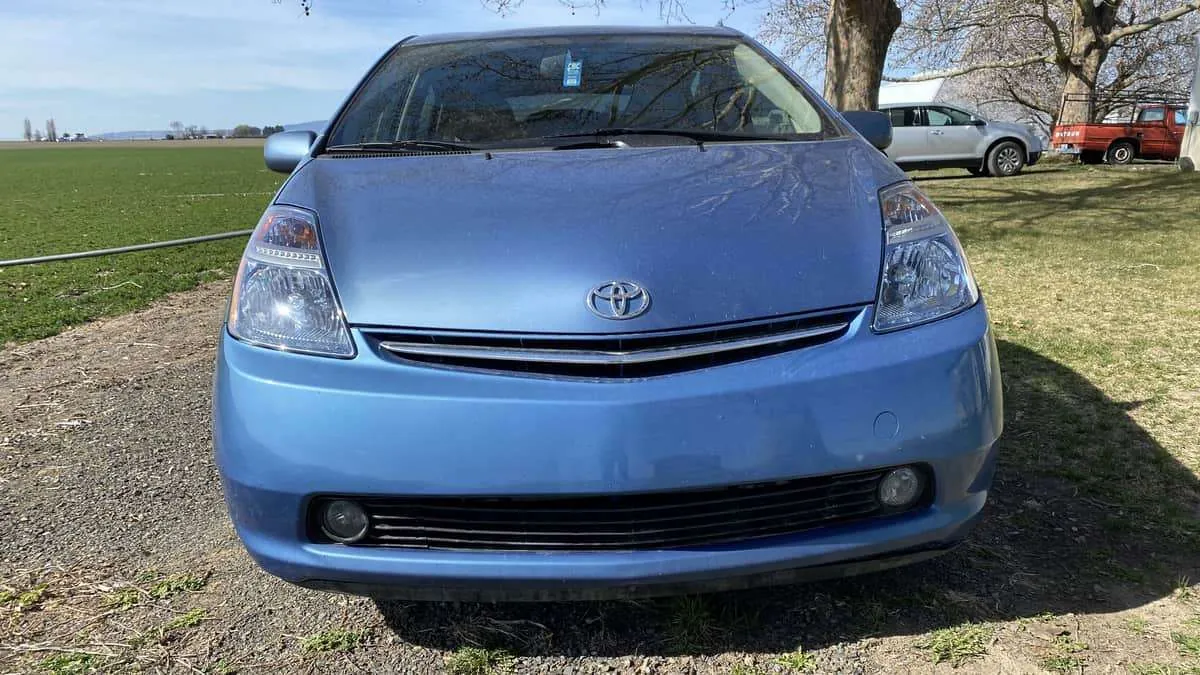
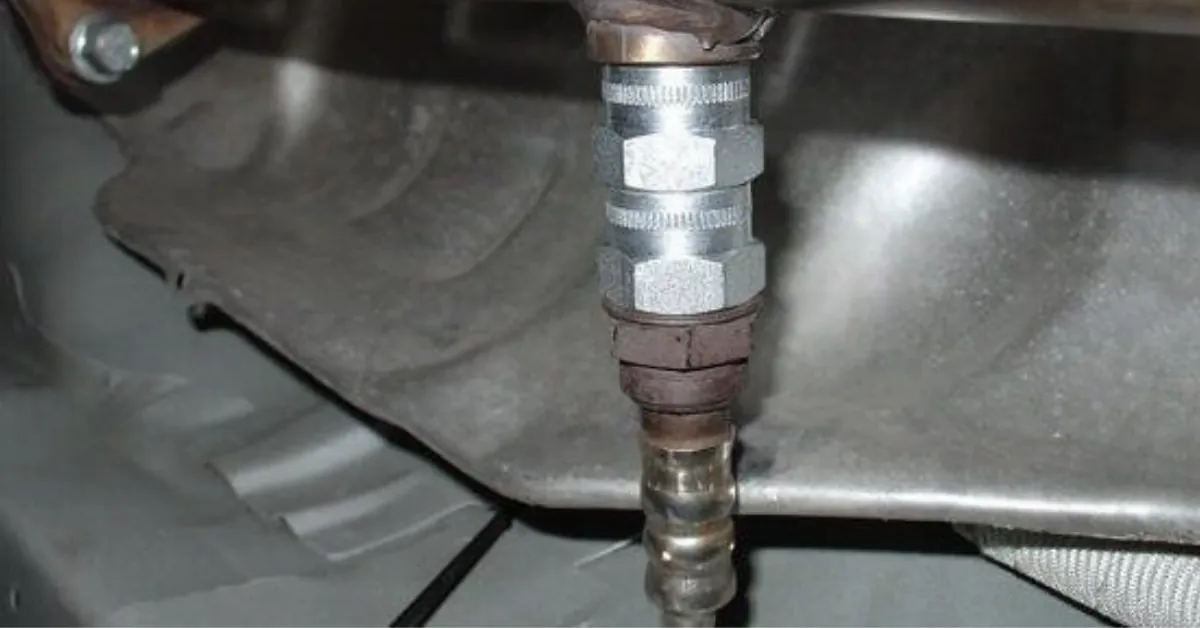
The P0420 code means “catalyst system efficiency below threshold.” Your Prius has two oxygen sensors. One sits before the catalytic converter, and one sits after it. The computer compares their readings to see if the converter is actually working. When both sensors send back nearly the same signal, the computer assumes the converter has failed.
Three main things cause this on a Toyota Prius. The first is a worn-out catalytic converter. Over time, the precious metals inside stop breaking down harmful gases. This happens faster if the engine burns oil or runs too rich.
The second cause is a faulty downstream oxygen sensor. This sensor sits behind the converter. If it gets lazy or fails, it sends wrong data to the computer. The computer then blames the converter, even when the converter is fine.
The third cause is an exhaust leak. A crack in the manifold or a bad gasket lets outside air into the exhaust stream. This extra oxygen tricks the rear sensor into thinking the converter isn’t doing its job.
Hybrid cars run differently than regular gas cars. The Prius engine turns on and off constantly. This constant cycling changes how heat builds up in the exhaust system. You can read the official definition of this trouble code through OBD-II code definitions published by the EPA.
Scan the oxygen sensor data
This fix is for anyone who owns an OBD2 scanner that reads live data. A basic code reader won’t work here. You need a tool that shows real-time sensor voltages while the engine runs.
Plug your scanner into the port under the dashboard. Start the Prius and force the gas engine to stay on. You can do this by putting the car in maintenance mode or driving it until the battery drains low enough to keep the engine running. Watch the voltage for Bank 1 Sensor 1 (upstream) and Bank 1 Sensor 2 (downstream).
A technician should test the upstream and downstream sensors to confirm their voltage responses. If the downstream sensor jumps up and down just like the front one, the converter isn’t storing oxygen properly.
If the downstream sensor is stuck at zero or doesn’t move at all, the sensor itself is likely dead. Replacing a bad sensor costs much less than replacing a catalytic converter. If your scanner only reads basic codes and can’t show live voltage graphs, this step requires a better scan tool or a trip to a repair shop. Don’t guess which part is broken based on a single code.
Look for exhaust leaks safely
Before buying any parts, check the exhaust system for leaks. This fix requires no special tools, just your eyes, ears, and hands. It’s the safest first step for any driver.
Start the car and let the gas engine run. Listen closely near the engine bay and under the car. A ticking sound that speeds up with the engine often points to a cracked exhaust manifold. A hissing noise usually means a blown gasket.
Wait for the exhaust to cool completely before touching anything. Run your fingers along the joints where pipes connect. Feel for rough spots or carbon buildup. Black soot around a connection means exhaust gas is escaping there. That extra air ruins the oxygen sensor readings and triggers the P0420 code.
Check the donut gaskets where the exhaust bolts to the engine. These wear out over time on a Prius because the engine vibrates each time it restarts. Tightening a loose bolt might solve your problem instantly.
If you find a hole in the pipe itself, patching it’s only a temporary measure. Welding exhaust components involves extreme heat and fire risk near high-voltage hybrid cables. Leave pipe repairs to a professional muffler shop.
Replace the catalytic converter
This is the last option, not the first. Only go here if the oxygen sensors test fine and there are absolutely no exhaust leaks anywhere. Replacing the converter is expensive and takes several hours of labor.
It’s worth the effort if your Prius has very high mileage or failed an emissions test. It’s not worth it if the car burns heavy amounts of oil. Oil ash destroys new converters just as fast as it ruined the old one. Fix the oil consumption issue first, or you’ll waste hundreds of dollars on a part that fails again in a few months.
You must use a direct-fit converter made specifically for the Prius. Universal weld-in units rarely satisfy the strict hybrid computer logic. The Prius monitors exhaust flow very closely. A cheap universal part will likely bring the check engine light back within days.
Removing the old unit requires lifting the car safely and unbolting heavily rusted hardware. The high-voltage orange cables run near the exhaust path on some model years. Accidentally damaging these cables carries a severe risk of electric shock. If you aren’t trained in hybrid safety procedures, hand this job to a certified hybrid technician.
There’s an honest limit here: the exact lifespan of your catalytic converter depends entirely on how much oil your specific engine burns, and you can read your oil consumption rate off the dipstick between oil changes.
Bad advice that makes Prius P0420 worse
People share quick fixes online that actually damage hybrid systems. Here is what you should avoid when dealing with a Prius P0420 code.
- Clearing the code and waiting. Erasing the code doesn’t fix the broken part. The computer needs several drive cycles to run its tests again. You’ll fail your next inspection and waste time driving a polluting car.
- Pouring catalytic converter cleaner into the tank. The Prius engine shuts off constantly during city driving. It never stays hot long enough for these chemical cleaners to burn off the deposits inside the honeycomb structure.
- Replacing both oxygen sensors blindly. Sensors cost money. If the converter is truly melted inside, new sensors will just report the exact same failure. Test them first instead of guessing.
- Installing a cheap universal converter. The Prius computer expects precise airflow and temperature readings. A generic part won’t match those specs, and the P0420 code will return almost immediately.
- Ignoring a small exhaust leak. A tiny crack introduces fresh oxygen into the exhaust stream. This single issue mimics a dead converter perfectly. Patching the leak is cheaper and faster than replacing major exhaust components.
Keeping the Prius catalyst healthy
How you drive and maintain your Prius directly affects the catalytic converter’s life. Small habits prevent big repair bills later.
| If you’re doing this | Do this instead | Why |
|---|---|---|
| Skipping oil changes | Change oil every 5,000 miles | Old oil burns and coats the converter in ash |
| Ignoring misfire codes | Fix misfires immediately | Unburned fuel melts the inside of the converter |
| Taking only short trips | Drive at highway speed weekly | Short trips leave moisture that rots exhaust parts |
| Using cheap gas station fuel | Buy Top Tier certified gasoline | Better detergents keep fuel injectors spraying cleanly |
| Leaving the check engine light on | Read codes the same day | A small sensor fault becomes a large converter failure |
Sticking to these habits keeps the exhaust system clean. The Prius engine starts and stops thousands of times. That constant thermal cycling puts extra stress on the metal. Clean oil and complete combustion are your best defense against early failure.
Frequently asked questions: Troubleshoot Toyota Prius P0420 Code
Can I drive my Prius with a P0420 code?
Yes, you can drive it safely for normal daily trips. The P0420 code doesn’t affect the brakes, steering, or hybrid battery operation. However, your car is producing higher emissions than allowed. Driving it for weeks won’t destroy the engine, but you’ll fail any state smog check until the issue is fixed. Treat it as a warning to schedule a repair soon.
How much does a Prius catalytic converter replacement cost?
A direct-fit aftermarket catalytic converter for a Toyota Prius is inexpensive relative to buying a dealer part. Labor adds a modest amount depending on your local shop rates. Prices vary wildly by model year. Always ask for a written quote before approving the work.
Why did my P0420 code come back after clearing it?
Because the physical problem is still present. Clearing the code only resets the computer’s memory. The Prius needs about 50 miles of mixed driving to run its self-tests again. Once the sensors detect the same poor efficiency, the light returns. You have to replace the broken part or seal the leak to make it stay off permanently.
Is it safe to use an OBD2 scanner on a hybrid?
Yes, plugging a standard OBD2 scanner into the port under the dash is completely safe. The diagnostic port uses low voltage and is isolated from the high-voltage hybrid battery system. Reading codes or viewing live data won’t damage any computers. Just don’t try to reprogram modules unless you have the specific software designed for Toyota hybrids.
How long does it take for a Prius to reset readiness monitors?
It usually takes 3 to 5 full drive cycles, covering roughly 50 to 100 miles of mixed driving, assuming you don’t clear the battery memory again. A drive cycle means starting the car cold, driving until the engine warms up fully, and shutting it off. City driving with frequent stops helps the hybrid computer run its checks faster than steady highway cruising.
What happens if I ignore a P0420 code forever?
Your fuel economy might drop slightly, and you’ll produce excess pollution. The bigger risk is masking another problem. If the root cause is an engine misfire or burning oil, ignoring the P0420 code lets that underlying damage continue. Eventually, you could face a much larger repair bill for a damaged engine, not just a clogged exhaust pipe.
Conclusion
Fixing a P0420 code on a Prius comes down to following a logical order. Check for leaks, read the live sensor data, and only replace the catalytic converter when the evidence points directly to it. Rushing to buy expensive parts without testing wastes money. Take your time with the diagnostics, and you’ll find the actual problem hiding behind that warning light.

I am Julian Drive, an automotive enthusiast and repair expert with over 7 years of hands-on experience in vehicle maintenance. At Carora Hub, I simplify complex car issues into easy-to-follow DIY guides to help drivers stay safe and save on repair costs.