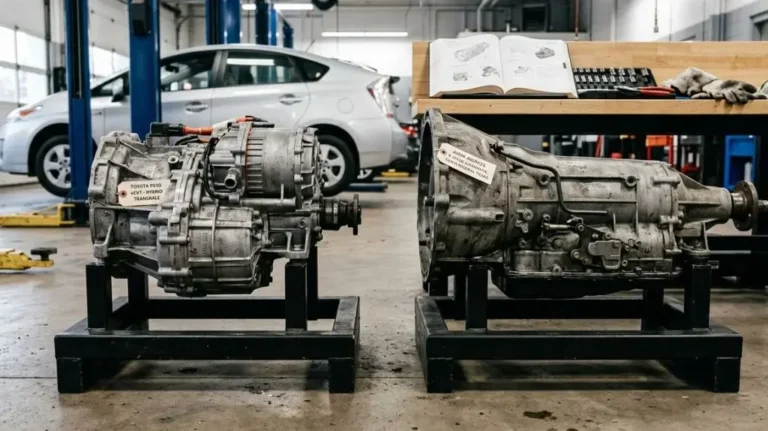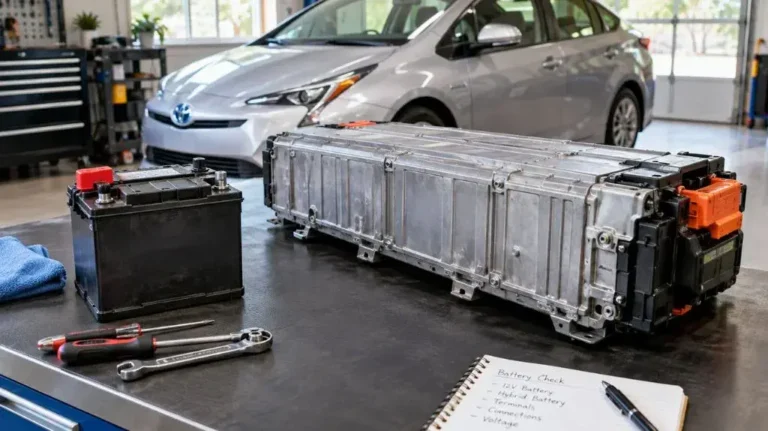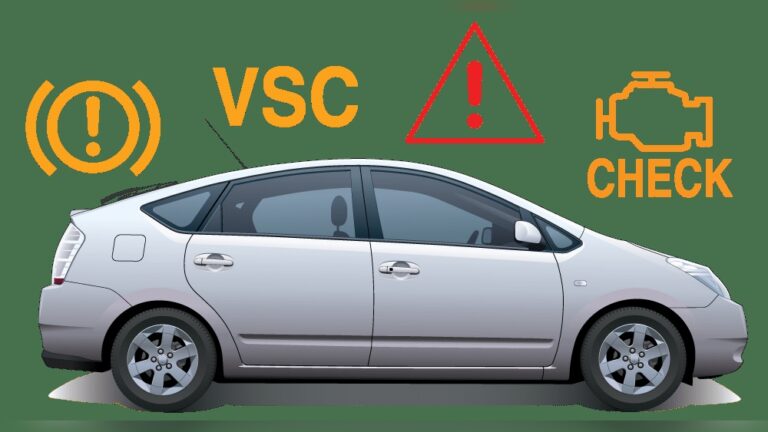
The best way to manage battery health is to recognize that a toyota prius battery cooling fan vs regular cooling system serve completely different roles, as the former protects the hybrid battery from heat while the latter cools the gasoline engine. You can’t replace one with the other because the hybrid battery requires filtered cabin air to stay within its safe operating temperature. If you drive in a dusty environment, you must clean the battery fan intake more often to prevent overheating, regardless of how well your engine cooling system functions.
How the Prius battery and engine cooling differ
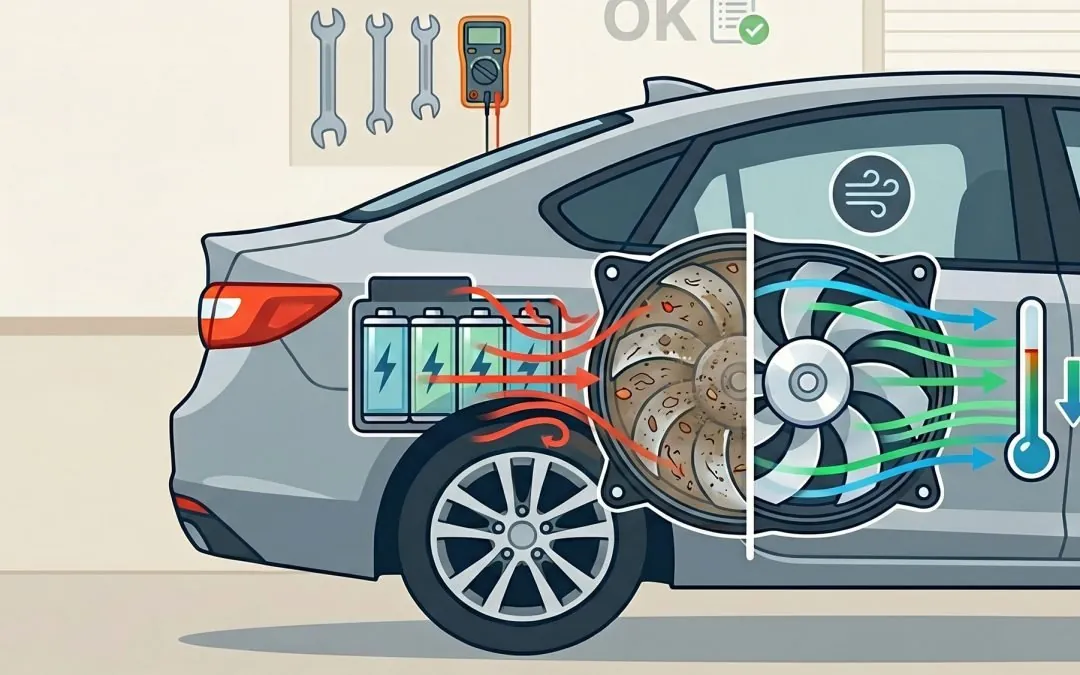
These two systems work independently to keep the vehicle running safely. The hybrid battery fan is a simple air-mover, while the engine cooling system uses liquid coolant to manage high combustion temperatures.
| Method | How long | Effort | Cost | Best for |
|---|---|---|---|---|
| Battery Fan Cleaning | 30-60 mins | Low | Low | Preventing battery failure |
| Engine Coolant Flush | 2-3 hours | Medium | Medium | Engine longevity |
| Radiator Fan Repair | 1-2 hours | Medium | Medium | Preventing engine overheat |
The battery fan is a maintenance item you can often handle yourself by vacuuming the intake grate. Check the vent monthly; if you hear a high-pitched whining sound, the fan is likely obstructed by debris.
In contrast, the engine cooling system is a closed loop under pressure. If you’re unsure about handling pressurized liquids, have a professional inspect your engine hoses and pump, as a leak here can lead to immediate engine damage.
The decision rule is simple: if the engine temperature gauge spikes while idling, check the radiator fan first. If the temperature spikes only at highway speeds, the issue is likely a failing thermostat or a low coolant level. Never open the radiator cap while the engine is hot. Doing so releases scalding steam that can cause severe burns, a mistake that sends hundreds of drivers to the emergency room annually.
Maintaining the hybrid battery fan
The battery cooling fan sits inside the cabin and pulls air over the hybrid battery cells to prevent thermal degradation. Over time, this fan collects lint, hair, and dust, which restricts airflow and forces the battery to operate at suboptimal temperatures.
Locate the intake vent on the side of the rear seat, typically on the passenger side. Use a soft brush to remove surface debris from the plastic grate. Next, use a vacuum cleaner with a narrow nozzle to pull dust out of the intake area. If the fan is noisy or the dashboard displays a warning, the fan housing must be removed for a deep clean.
A common mistake is using high-pressure compressed air to blow dust inside the housing. This pushes debris deeper into the fan motor, which can cause premature failure. Always pull debris out with a vacuum rather than pushing it in.
If you hear a persistent grinding noise, the fan bearings are likely worn beyond repair. In this case, cleaning won’t suffice; the unit must be replaced entirely to avoid a battery overheating error.
Because the fan is a sensitive electrical component, never spray water or liquid cleaning solvents into the vent. Moisture will corrode the motor contacts and trigger a short circuit. If you notice the fan running at high speed even when the cabin is cool, check for a blockage immediately.
Servicing the engine cooling system
The engine cooling system uses a water pump, thermostat, and radiator to circulate coolant through the engine block. This system keeps the internal combustion engine at its ideal operating temperature.
Check the coolant reservoir level when the engine is cold. The fluid should sit between the “Full” and “Low” lines. If the level consistently drops, you have a pressurized leak that requires immediate attention.
Inspect all visible rubber hoses for cracks, bulges, or signs of leaking fluid. Squeeze the hoses while the engine is off; they should feel firm but pliable. If a hose feels brittle or collapses under light pressure, replace it before it bursts.
If the fluid is dark or murky, it needs a full system flush. Fresh coolant contains anti-corrosive additives that deplete over time. Using old, acidic fluid will eventually cause internal radiator corrosion.
Ensure the radiator fins are clear of leaves and road debris. Use compressed air to blow through the fins from the engine side toward the front of the vehicle.
This system is vital for preventing engine seizure. If you notice the temperature warning light, pull over immediately, as running an engine without proper cooling causes permanent metal warping. A common mistake is ignoring small leaks; even a tiny drop in pressure can lead to a catastrophic overheat during long drives.
If the system loses coolant, the engine won’t reach its efficient operating temperature, which decreases fuel economy. If you find yourself topping off the reservoir more than once every six months, perform a pressure test. If the gauge needle drops while the system is pressurized, you have a leak in the radiator core or a failing water pump seal.
Managing cooling system performance
You must choose the right approach based on the specific cooling problem you’re facing. Each system requires different tools and levels of technical skill to maintain.
When you’re in a hurry, vacuum the battery fan intake grate. This takes only five minutes and helps the fan breathe better without needing any tools or disassembly. If you hear the fan running at high speed while the car is idling, this is the first place to look.
When you’re doing this for the first time, check the engine coolant reservoir levels. It’s the easiest way to ensure your engine is safe without touching any mechanical parts or complex electronics. Always check the level when the engine is cold to avoid the risk of pressurized steam burns.
When you want the best possible result, have a professional perform a full diagnostic check on both systems. They have the scan tools to read the actual battery temperature sensors and the pressure testers to check for engine cooling leaks. A professional can identify a failing water pump before it causes a total breakdown.
The trade-off is between simple, DIY maintenance for the air-cooled battery and complex, pressurized service for the liquid-cooled engine. If you try to service the engine coolant yourself, you must be careful to use the specific type of coolant recommended for your model.
Using the wrong fluid can cause internal corrosion that destroys the radiator core within months. If the fluid color in your reservoir doesn’t match the manufacturer’s specification, flush the entire system immediately. Never mix different coolant types, as the resulting chemical reaction can turn the liquid into a thick sludge that clogs your heater core.
Essential rules for vehicle cooling
Regardless of the system, you must follow safety protocols to prevent injury.
The engine cooling system is under high pressure when hot; opening the cap can result in severe steam burns. The battery cooling fan, while not pressurized, involves electrical components that should be handled with care. If you’re working on the battery fan, ensure the vehicle is turned off and the ignition key is removed to prevent the fan from spinning unexpectedly.
If you observe a warning light on the dashboard, don’t ignore it. Hybrid batteries are expensive to replace, and an engine overheat can ruin the entire car. If you lack the proper tools or experience for a specific task, consult a certified technician. They can perform a pressure test on the engine cooling system or a load test on the battery to identify issues before they become expensive repairs.
FAQs Of Toyota Prius Battery Cooling Fan vs Regular Cooling System
Can I clean the battery fan with compressed air?
No, you shouldn’t use compressed air to clean the battery fan. It pushes dust and debris further into the fan housing and motor, which can cause the fan to seize or damage the electrical components inside. Always use a vacuum cleaner to pull the dust away from the intake rather than forcing it into the system.
How often should I check the engine coolant?
You should check the engine coolant level every time you change your oil or at least every 5,000 miles. Keep the level between the “full” and “low” lines on the reservoir. If you find you’re constantly adding coolant, it indicates a leak in the radiator or a hose that needs professional repair.
Is it safe to drive if the battery fan is noisy?
No, a noisy battery fan indicates that the fan is struggling or the bearings are failing. If the battery can’t be cooled, the car may limit its power output to protect the cells from heat damage. You should address this promptly to avoid a full hybrid battery failure.
What happens if I use the wrong engine coolant?
Using the wrong coolant can cause chemical reactions that lead to sludge or corrosion inside the radiator and engine block. Always check your owner’s manual for the specific type required for your Toyota Prius. Using the wrong fluid can void warranties and lead to expensive repairs if the cooling passages become blocked.
How do I know if the engine is overheating?
The engine is overheating if the temperature gauge moves into the red zone or if a warning light appears on your dashboard. You might also notice steam coming from the hood or a sweet, syrupy smell of burning coolant. If this happens, pull over safely, turn off the engine, and call for roadside assistance to avoid permanent damage.
Conclusion
Taking care of these two systems ensures your car stays reliable for years to come. Don’t wait for a warning light to pop up on your dashboard. Check your owner’s manual today to locate the battery intake vent, and you’ll be ready to keep your hybrid running smoothly for many miles ahead.

I am Julian Drive, an automotive enthusiast and repair expert with over 7 years of hands-on experience in vehicle maintenance. At Carora Hub, I simplify complex car issues into easy-to-follow DIY guides to help drivers stay safe and save on repair costs.