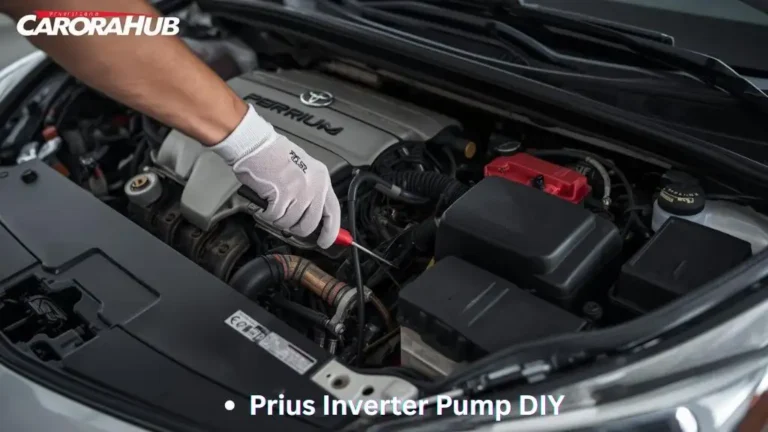
Don’t let a thirsty engine lead to a total breakdown. Implementing a reliable Toyota Prius oil consumption fix helps you eliminate excessive burning, protect your catalytic converter, and extend your hybrid’s high-mileage lifespan.
Excessive oil consumption can lead to engine trouble and costly repairs if left unchecked. But don’t worry—there are clear, effective fixes that can save your car and your wallet. You’ll discover simple steps and expert tips to tackle your Prius’s oil consumption problem head-on.
Keep reading to learn how to protect your engine and get your car running smoothly again.
Common Causes Of Oil Leaks
Oil leaks can cause serious problems for your Toyota Prius. They reduce engine oil levels and hurt engine performance. Knowing common causes helps find the right fix fast. Many leaks come from worn or damaged parts. Some parts wear out with time and heat.
Below are typical reasons for oil leaks. Checking these can save you money and keep your car running smoothly.
Worn Valve Cover Gasket
The valve cover gasket seals the top of the engine. It stops oil from leaking out. Over time, this gasket can dry and crack. A worn gasket lets oil drip down the engine. This causes visible oil spots under the car. Replacing the gasket often stops the leak.
Damaged Oil Pan Seal
The oil pan holds engine oil at the bottom. It has a seal to keep oil inside. Road debris or rough driving can damage this seal. A damaged oil pan seal leaks oil on the road. This lowers oil levels quickly. Checking and replacing this seal is important.
Faulty Oil Filter And Drain Plug
The oil filter cleans the engine oil. The drain plug allows oil changes. Both must be tight and in good shape. A loose or damaged filter leaks oil. The drain plug can also leak if it is stripped or loose. Tightening or replacing these parts stops leaks.
PCV Valve Issues
The PCV valve controls engine pressure and vapors. If it fails, pressure builds up inside the engine. This pressure forces oil out of seals and gaskets. A bad PCV valve causes leaks and engine problems. Replacing the valve restores proper pressure and stops leaks.
If you’re diagnosing the root cause first, read Why Does Toyota Prius Burn So Much Oil to understand what triggers the issue.
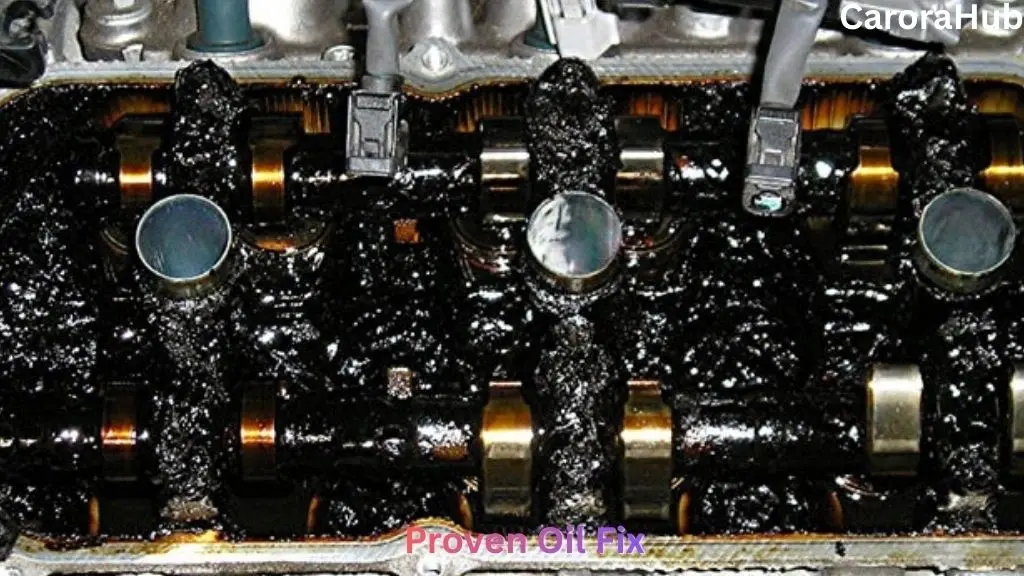
Signs Of Oil Consumption Problems
Oil consumption issues in a Toyota Prius can lead to serious engine damage. Early detection helps avoid costly repairs. Watch for clear signs that show oil problems. These signs often appear before major engine trouble starts. Understanding these signs can keep your Prius running smoothly and safely.
Visible Oil Spots
Check the ground where you park your Prius. Dark oil spots under the car indicate leaks. These spots show that oil escapes from the engine. Oil leaks reduce engine oil levels and cause damage. Spotting these early helps fix leaks fast.
Burning Oil Smell
A strong burning oil smell inside or outside the car is a warning. This smell means oil burns in the engine or on hot parts. It may cause smoke from the exhaust or engine area. The burning oil smell signals that oil seals or gaskets might be failing.
Engine Warning Lights
The Prius dashboard may show warning lights if oil is low. The oil pressure light or check engine light can turn on. These lights alert you to oil system problems. Ignoring these warnings risks severe engine damage and higher repair costs.
Low Oil Levels
Regularly check the oil level using the dipstick. Low oil levels mean the engine uses more oil than usual. This can cause friction, overheating, and engine wear. Keeping oil at the right level is key to engine health.
Tools And Materials Needed
Fixing the oil consumption in a Toyota Prius requires the right tools and materials. Having everything ready saves time and avoids interruptions. This list covers all basics needed for a smooth repair process.
Basic Hand Tools
Start with simple hand tools like a wrench set and screwdrivers. A socket set helps remove bolts easily. Pliers and a drain pan are useful too. These tools handle most parts of the repair.
Replacement Gaskets And Seals
Old gaskets and seals can cause oil leaks. Replace them to stop oil loss. Use new gaskets that fit your Prius model. High-quality seals ensure a tight fit and long-lasting repair.
Oil And Filter
Choose the right engine oil for your Prius. Check the owner’s manual for the recommended type and amount. Replace the oil filter to keep the engine clean. Fresh oil and filter improve engine health.
Cleaning Supplies
Clean parts before reassembling to prevent dirt inside the engine. Use degreaser and rags for effective cleaning. A brush can help remove stubborn grime. Keeping parts clean extends the life of your repair.
Step-by-step Leak Repair Guide
Fixing oil leaks in your Toyota Prius can stop oil loss and protect your engine. This step-by-step guide helps you repair leaks safely and clearly. Follow each step carefully to ensure a proper fix.
Locate The Leak
First, find where the oil is leaking. Check under the car and around the engine. Look for wet, oily spots. Use a flashlight for better view. Clean the area to see the exact leak point.
Drain The Engine Oil
Place a container under the oil drain plug. Remove the plug carefully and let the oil drain out. This prevents spills during repair. After draining, replace the drain plug securely.
Remove And Replace Gaskets
Remove parts blocking the leaking gasket. Take out the old gasket carefully. Clean the surfaces before installing a new gasket. Use the right gasket for your Prius model.
Reinstall Components
Put back all removed parts in the correct order. Tighten bolts to the right level. Avoid over-tightening. Double-check all connections to avoid future leaks.
Refill And Check Oil Levels
Fill the engine with fresh oil. Use the recommended oil type and amount. Start the engine and check for leaks. Check oil level again and add more if needed.
Preventive Maintenance Tips
Preventive maintenance helps keep the Toyota Prius engine healthy. It lowers oil consumption and avoids costly repairs. Small, regular actions protect your car’s engine over time.
Follow these easy tips to maintain your Prius oil system. They help catch problems early and keep everything running smoothly.
Regular Oil Changes
Change the oil at the intervals recommended in the owner’s manual. Clean oil lubricates the engine better. Old oil can cause wear and increase consumption. Use the right oil grade for your Prius model.
Check For Early Signs Of Leaks
Look under your car for oil spots or puddles. Check the engine bay for wet or dark areas. Early leak detection stops oil loss and engine damage. Fix leaks as soon as you find them.
Use Quality Parts
Always use genuine or high-quality oil filters and engine parts. Cheap parts can cause poor sealing and oil leaks. Quality parts last longer and keep the engine sealed tight.
Monitor Engine Performance
Pay attention to unusual noises or changes in fuel efficiency. A rough or noisy engine may use more oil. Use a scanner or visit a mechanic for regular engine checks. Early fixes reduce oil consumption and protect engine life.
When To Seek Professional Help
Knowing when to seek professional help for your Toyota Prius oil consumption is crucial. Some problems need expert attention to avoid costly damage. Early detection and repair keep your car running smoothly and safely.
Complex Leak Sources
Oil leaks can come from many places in your Prius. Some leaks hide deep inside the engine or transmission. Finding these leaks requires special tools and knowledge. A mechanic can locate and fix these leaks properly. Don’t try to fix complex leaks alone.
Persistent Oil Consumption
Consistent oil loss means a serious issue. Adding oil frequently is not a long-term solution. Persistent consumption can damage the engine over time. A professional can diagnose the root cause. They will recommend the right repairs or parts replacement.
Engine Performance Issues
Low oil levels affect engine power and efficiency. Your Prius may stall, hesitate, or run roughly. Strange noises from the engine can also appear. These signs mean immediate professional inspection is needed. A technician can prevent further damage and keep your car safe.
Final Thoughts
Fixing oil consumption in your Toyota Prius saves money and time. Check the engine regularly to catch issues early. Use the right oil type for better performance. Replace worn parts to keep your car running smoothly. Simple care steps help your Prius last longer.
Stay aware of oil levels to avoid damage. Small fixes prevent bigger problems down the road. Keep your Prius healthy with regular maintenance. Your efforts will improve fuel efficiency and engine life. A well-maintained Prius means a happier, safer drive every day.
FAQs About Toyota Prius Oil Consumption Fix
Why Does My Toyota Prius Consume Excessive Oil?
How Can I Fix Oil Consumption In A Prius?
Is Oil Consumption Normal For Toyota Prius Engines?
What Oil Type Reduces Prius Oil Consumption?

Hello, I’m Norman. I work as a car researcher. I am the voice behind CaroraHub. I have over 15 years of experience. I give simple and useful car advice. I help with car care, cleaning, and small repairs. My goal is to help you keep your car healthy. I want car care to be easy and cheap for you. You can trust my tips to keep your car working well for a long time.