Don’t let a summer heatwave tank your hybrid’s range. Managing the impact of AC on Prius fuel economy is simple once you know how the system draws power and how to use it smartly. I’ve driven Priuses in hot weather and learned a few reliable tricks to get strong cooling with minimal fuel use.
Understanding this effect helps you make smarter choices behind the wheel and save money at the pump. Read on to learn exactly how AC use changes your Prius’s MPG, when it matters most, and what practical steps you can take right now.
Fuel Economy Basics In Prius
The Toyota Prius is known for excellent fuel economy. It blends an electric motor with a gasoline engine to lower fuel use. In everyday driving, the car shifts between electric power and gas to use the least energy possible. That hybrid system is the reason AC has a different impact here than in a conventional car.
How Prius Optimizes Efficiency
The Prius uses regenerative braking to recharge the battery when you slow down. The car’s computer (the hybrid control system) decides when to run the gas engine and when to use electric power. The engine is tuned to run efficiently at common loads. Put simply: the Prius recovers energy and manages the engine to reduce wasted fuel.
I rely on that system during city driving. The battery helps take the load off the engine when the AC kicks in. That means, in many situations, the AC’s fuel penalty is smaller than you might expect.
Role Of Aerodynamics And Weight
The Prius has a streamlined body and is relatively light compared to many SUVs. Less drag and lower mass mean the engine needs to produce less power on the highway. That helps offset the extra energy the AC uses. At high speed, aerodynamic drag dominates fuel use. So while AC matters, speed and weight still play a larger role in MPG.

Ac System And Energy Use
The Prius’s HVAC system uses energy to cool the cabin. How that energy is supplied matters. The car can run AC from the hybrid battery via an electric compressor. It can also draw power indirectly when the engine runs. Knowing which happens and when is key to minimizing fuel impact.
How Ac Affects Engine Load
When the AC is on, the car needs extra power. That increases load on the powertrain. In many Priuses the electric compressor reduces the times the gas engine must run just to power the AC. But when battery state-of-charge (SOC) is low, the gas engine may run to recharge the battery. In that case, AC use can increase fuel burn more noticeably.
From my experience, the fuel penalty is larger in hot stop-and-go traffic. Why? The system runs the compressor more and the engine cycles on more often. On steady highway runs, the hybrid system manages loads better and the AC’s relative impact shrinks.
Electric Vs. Mechanical Ac Components
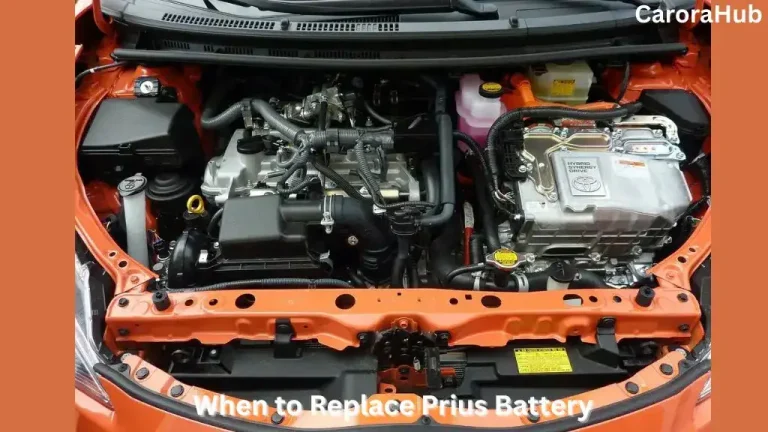
Modern Priuses use an electric AC compressor. That lets the AC run even when the gasoline engine is off. The compressor pulls power from the high-voltage hybrid battery and inverter. This design cuts direct mechanical drag on the engine and improves efficiency during low-speed driving or idle.
Older or conventional systems use a belt-driven compressor tied to the engine. Those create a direct mechanical load whenever the AC runs. The Prius’s electric setup reduces that effect. Still, powering the electric compressor requires energy, so there is still some increase in fuel consumption over time.
Measuring AC Energy Draw (New)
You can measure the AC’s impact with a few simple checks. Monitor MPG before and after turning the AC on for a 10–15 minute drive. Watch battery SOC changes on the dash. If SOC drops while AC runs and the engine kicks on to recharge, the fuel hit will be larger.
- Short urban trips with heavy AC: bigger MPG drop.
- Long, steady highway runs with AC: smaller MPG drop.
- Using recirculate reduces compressor workload and saves power.
Battery State-of-Charge and AC Performance (New)
Battery SOC affects how the Prius balances engine and electric help. High SOC lets the car run AC using stored electric energy. Low SOC can force the gas engine to run to maintain battery charge. I make it a habit to start trips with reasonable SOC to get the most benefit from the electric compressor.
Real-world Fuel Impact
The real fuel impact of AC use in a Prius varies. I’ve seen fuel use increase by a little or by a lot, depending on conditions. Below are typical ranges and the situations where they apply.
Fuel Economy Changes With Ac On
Turning on the AC raises energy demand. In real driving the MPG can increase by roughly 5% to 15%. The wide range depends on:
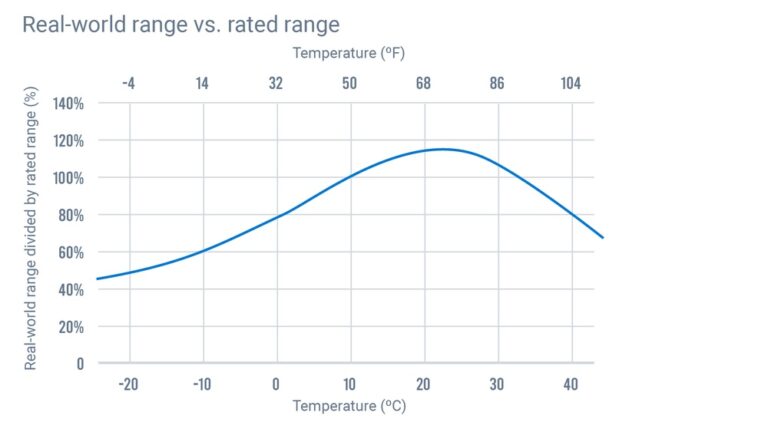
- Outside temperature and humidity (hotter = harder work).
- Drive type (city/stop-and-go vs highway).
- Battery SOC and hybrid control strategy.
- AC settings (auto, max, recirculate).
In city driving, the penalty is usually closer to the upper end of that range. On highways, it tends to be lower because the hybrid system runs more efficiently at steady loads.
Driving Conditions And Ac Efficiency
Hot, humid days force the AC to remove heat and moisture. That raises compressor runtime. At high speeds, the engine and compressor work simultaneously and fuel use rises. Using recirculate mode helps. It keeps cabin air cooler by reusing cooled air. That reduces compressor effort and saves energy.
At low speeds, opening windows can reduce AC use. But at highway speeds, open windows increase aerodynamic drag and hurt MPG more than AC would. I usually keep windows closed above 50 mph and use the AC in recirculate mode.
After you’ve mastered the settings in Eco Vs Power Mode in Toyota Prius Explained, you should understand how your climate control settings further influence your daily MPG.
Comparing Ac To Other Factors
AC is only one of several things that affect Prius fuel economy. Let’s compare AC to other common factors so you can prioritize what to fix first.
Ac Vs. Speed And Acceleration
Speed and harsh acceleration usually hurt fuel economy more than AC use. Every time you floor the throttle you use a lot more energy than the AC consumes. Keeping steady speeds and gentle acceleration will save far more fuel than toggling the AC on and off.
Ac Vs. Tire Pressure And Maintenance
Underinflated tires and poor maintenance cost fuel too. Low tire pressure increases rolling resistance. Dirty air filters and old oil reduce efficiency. In many cases, fixing a tire or doing basic maintenance gives a bigger MPG gain than changing AC use. I check tire pressure monthly and that often restores a noticeable amount of fuel economy.
Read More: Toyota Prius Brake Actuator Failure Signs
Tips To Minimize Ac Fuel Drain
AC can lower your Prius’s MPG, but smart use keeps you comfortable and efficient. Here are practical tips I use and recommend.
Optimal Ac Usage Strategies
- Use AC only when needed. On mild days, crack the windows instead.
- Set temperature to a comfortable but not extreme setting. Avoid max-cool unless necessary.
- Use recirculate mode to cool faster and reduce compressor runtime.
- Turn off AC a few minutes before you park. The car stays cool for a short time and you save fuel.
- Start trips with a reasonable battery SOC when possible to let the electric compressor do more of the work.
Alternative Cooling Methods
Small changes before you drive make a big difference. Park in shade and use sunshades to cut interior heat. Crack windows slightly to let hot air escape. If your car has ventilated seats or auxiliary fans, use them. These reduce reliance on the AC.
Pre-cooling the cabin while plugged in (for plug-in hybrid models like the Prius Prime) is especially effective. It uses grid power rather than gasoline-derived energy.

Credit: www.sciencedirect.com
Future Prius Models And Ac Tech
Toyota continues to improve climate control and hybrid systems. Future Prius models aim to reduce AC power draw while keeping the cabin comfortable. That lowers fuel use on hot days and improves overall efficiency.
Automakers are adding smarter sensors, better compressors, and more efficient refrigerants. Some cars may add small solar panels to power ventilation or pre-cool systems when parked. These advances all reduce the HVAC load on the main battery and engine.
Advancements In Climate Control
Expect climate control systems to use more sensors and smarter algorithms. They will adjust cooling based on cabin occupancy, direct sunlight, and outside humidity. That prevents unnecessary cooling and saves energy.
New refrigerants and improved compressor designs also cut power needs. For example, more efficient inverter-driven compressors reduce losses and improve AC performance at variable speeds.
Impact Of Hybrid And Electric Systems
Hybrid and electric powertrains let the AC run more often from stored electric energy. Larger batteries on future models will extend how long the AC can run without turning on the gasoline engine. For plug-in hybrids and full EVs, grid-charged pre-cooling is a major advantage for maintaining comfort with zero fuel impact.
Final Verdict
Using AC in your Prius will slightly reduce fuel economy. The electric compressor helps limit that penalty, but the system still uses energy. The exact MPG hit depends on temperature, driving conditions, AC settings, and battery SOC.
Simple changes deliver real savings. Drive smoothly, maintain tire pressure, use recirculate, park in shade, and set a moderate temperature. Those small steps add up to better fuel economy and a more comfortable ride.
Read More: How to Improve Fuel Economy in Toyota Sienna
FAQs About Impact of Ac on Prius Fuel Economy
How Does Ac Affect Prius Fuel Economy?
Using AC in a Prius raises fuel use a bit. The compressor consumes energy, which the hybrid system must provide. Because the Prius can run the AC from its battery, the fuel impact is usually smaller than in a non-hybrid car. Still, expect a noticeable but modest drop in MPG, especially in very hot, stop-and-go conditions.
Is It Better To Use Ac Or Open Windows In Prius?
At low speeds, opening windows can save fuel because the AC won’t run as much. At highway speeds, open windows increase aerodynamic drag and hurt fuel economy more than using the AC. I close windows above about 50 mph and let the AC handle cooling.
Can Turning Off Ac Improve Prius Mileage?
Yes. Turning off the AC removes its energy demand and can improve mileage. The gain varies. On short urban trips, you may see a few percent. On long highway drives the benefit is smaller. Balance comfort and efficiency based on your route and conditions.
Does Prius Use Electric Ac Compressor To Save Fuel?
Yes. The Prius uses an electric AC compressor powered by the hybrid battery and inverter. This reduces mechanical load on the gasoline engine and helps preserve fuel economy compared to belt-driven compressors in non-hybrid cars.

Hello, I’m Norman. I work as a car researcher. I am the voice behind CaroraHub. I have over 15 years of experience. I give simple and useful car advice. I help with car care, cleaning, and small repairs. My goal is to help you keep your car healthy. I want car care to be easy and cheap for you. You can trust my tips to keep your car working well for a long time.