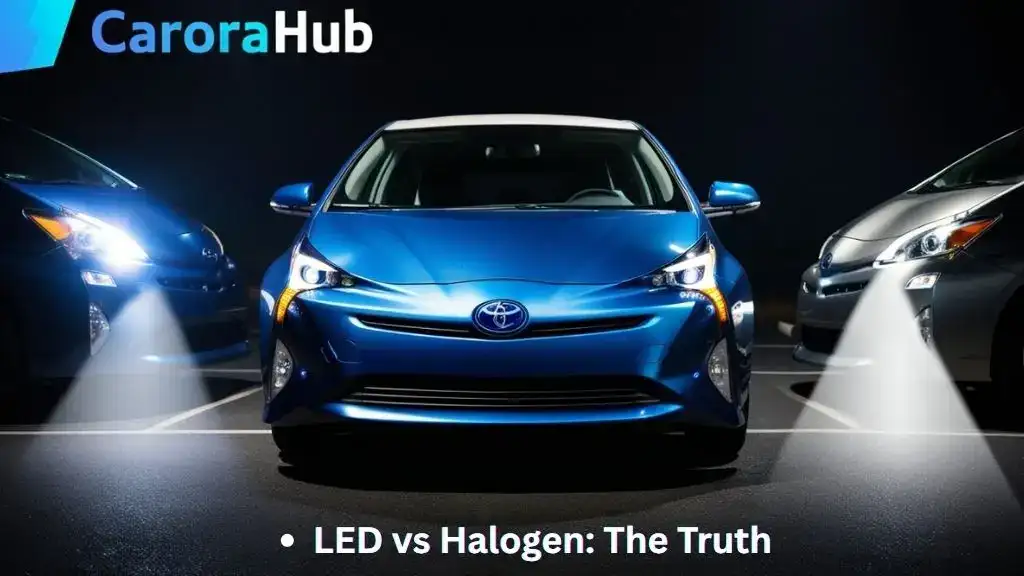
When it comes to your Prius, choosing the right headlights can make a big difference in safety and style. You might be wondering whether LED or halogen headlights are better for your car.
Each option has its own benefits and drawbacks that affect how you see the road and how others see you. You’ll discover the key differences between Prius LED and halogen headlights, helping you make a smart choice that fits your needs and budget.
Keep reading to find out which type of headlight will give you the best driving experience every time you hit the road.
Prius Headlight Types
The Toyota Prius offers different headlight options for drivers. These headlights affect visibility and style. Choosing the right type can improve safety and driving comfort. Two main types are popular for the Prius: halogen and LED headlights.
Each type has unique features. Understanding these basics helps in making a smart choice. Let’s explore what makes halogen and LED headlights different.
Halogen Basics
Halogen headlights use a small tungsten bulb inside a glass casing. The bulb fills with halogen gas to keep it hot and bright. These lights have been common in cars for decades.
Halogen bulbs are affordable and easy to replace. They produce a warm, yellowish light. This light works well in many driving conditions but is less bright than LEDs.
Halogen headlights use more power and generate more heat. They may not last as long as other options. Still, many drivers trust halogen for its simplicity and cost.
Led Fundamentals
LED headlights use light-emitting diodes to produce bright light. These diodes are small and energy-efficient. LED lights shine white and offer a cleaner look.
LEDs use less power than halogen bulbs. They last much longer, often over 20,000 hours. This means fewer replacements and less maintenance.
The light from LEDs is sharper and reaches farther. This improves night driving and visibility. LED headlights also heat up less, helping keep the headlight casing cool.
Read More: How to Replace a Toyota Prius Headlight Bulb
Brightness Comparison
Brightness plays a big role in choosing headlights for your Prius. It affects how well you see the road at night. Comparing LED and halogen headlights helps decide which is better for safety and comfort.
Lumens And Visibility
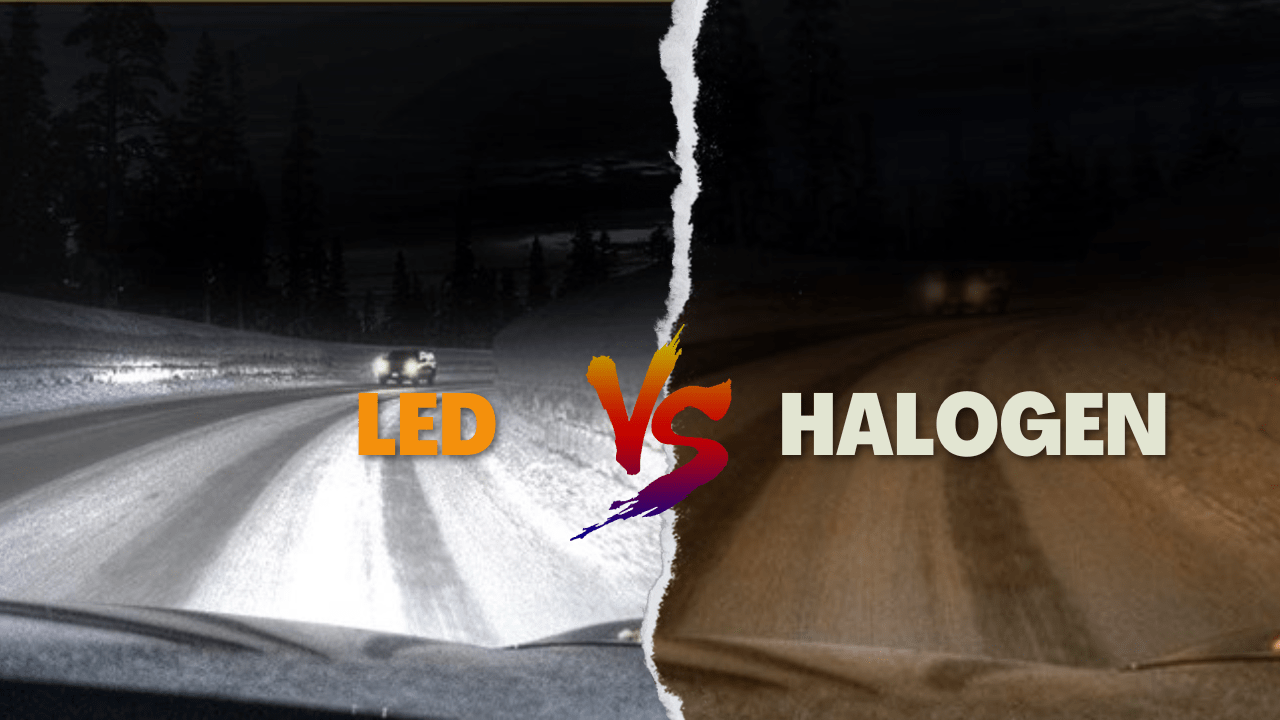
Brightness is measured in lumens. LED headlights usually produce more lumens than halogen bulbs. More lumens mean brighter light and better visibility. This helps drivers see farther and spot obstacles sooner. Halogen lights give off a softer, yellowish glow. It is less bright but can reduce glare for oncoming traffic.
Beam Pattern Differences
LED headlights create a sharper, more focused beam. This means light spreads evenly across the road. It reduces dark spots and improves vision on the sides. Halogen headlights have a wider, less focused beam. It covers more area but may not light up far distances well. The beam from halogen bulbs can scatter, causing less clear vision.

Energy Efficiency
Energy efficiency is an important factor when choosing headlights for your Prius. It affects how much power the lights use and how they impact the car’s overall performance. Comparing LED and halogen headlights helps you understand which option saves more energy and supports better fuel economy.
Power Consumption
LED headlights use less power than halogen bulbs. They need about 15 to 20 watts to operate. Halogen bulbs require around 55 watts. This lower power use means the car’s electrical system works less hard. LED lights also produce more light with less energy, making them more efficient.
Impact On Fuel Economy
Lower power use from LED headlights can improve fuel economy slightly. The engine uses less fuel to run the alternator that powers the lights. Halogen headlights draw more energy, increasing fuel use a bit. Over time, this small difference can add up to better mileage and less fuel cost with LEDs.
Durability And Lifespan
Durability and lifespan are key factors when choosing headlights for your Prius. These qualities affect how long your lights last and how often you need to replace them. Both LED and halogen headlights offer different benefits in these areas.
Wear And Tear
Halogen headlights have a filament inside that heats up to produce light. This filament can weaken over time and break. Dust and moisture can also damage halogen bulbs faster.
LED headlights do not have filaments. They use small chips that last longer and resist damage. LEDs handle vibrations and shocks better, which reduces wear and tear.
Replacement Frequency
Halogen bulbs usually last about 500 to 1,000 hours. This means you may need to replace them every year or two. Replacement can be frequent if you drive often at night.
LED headlights often last 15,000 to 30,000 hours. This means they can last many years without needing replacement. LEDs save time and money by reducing how often you change bulbs.
Installation And Compatibility
Installing headlights affects your driving safety and car look. Prius LED and halogen lights differ in setup and fit. Understanding these differences helps you choose the right option for your car.
Fitting Led Vs Halogen
Halogen bulbs fit directly into the car’s existing socket. Installation is simple and usually requires no tools. Most drivers can replace halogen bulbs themselves in minutes.
LED headlights need a bit more care during installation. They sometimes require adapters or extra parts. LEDs may need a special housing to avoid glare and focus light properly.
LEDs often need an electrical check. Some Prius models may require a resistor or decoder. This prevents flickering or warning lights on the dashboard.
Vehicle Compatibility
Halogen bulbs are standard in many Prius models. They fit well and work with the car’s original wiring. No changes to the car’s system are usually needed.
LED headlights may not fit all Prius models perfectly. Some older models need modifications to work with LEDs. Newer Prius versions are more likely to support LED upgrades.
Check your Prius model year and headlight type before buying LED bulbs. Using incompatible headlights can cause electrical issues or poor lighting. Always confirm compatibility for a safe upgrade.

Credit: undergroundlighting.com
Cost Considerations
Cost plays a big role in choosing between Prius LED and halogen headlights. Understanding the initial and long-term expenses helps make a smart choice. Each type has different cost points that affect your budget now and later.
Initial Expense
Halogen headlights cost less upfront. They are simple and cheap to produce. Prius LED headlights have a higher price at purchase. The LED bulbs and technology cost more. Replacing LEDs is usually pricier than halogens.
Long-term Savings
LED headlights use less energy, saving battery power. They last longer, reducing replacement frequency. Halogen bulbs burn out faster and need more changes. LED headlights lower maintenance costs over time. Energy efficiency also helps save fuel in the Prius.
Safety And Road Performance
Safety and road performance are key factors for any car lighting. Headlights help drivers see clearly and avoid accidents. Prius LED and halogen headlights offer different experiences in safety and performance. Understanding these differences helps you choose the best option for your driving needs.
Night Driving
LED headlights provide brighter and whiter light than halogen bulbs. This brightness improves visibility on dark roads. Drivers can spot obstacles and signs sooner with LED lights. Halogen headlights give a softer yellow light that may reduce eye strain. However, halogen light covers less distance at night. LED lights last longer and keep their brightness over time. This means safer night drives without frequent bulb changes.
Weather Conditions
LED headlights perform well in fog, rain, and snow. Their clear light cuts through bad weather better than halogen bulbs. Halogen lights tend to scatter in fog, reducing visibility. LED lights also use less power, which helps keep your car’s electrical system stable. Both types work in poor weather, but LED offers sharper vision. Choosing LED can improve safety during tough weather conditions.
User Experiences
User experiences reveal how Prius LED and halogen headlights perform in real life. These insights help buyers choose the right option. Drivers share their views on brightness, durability, and comfort.
Many owners discuss how each headlight type affects night driving safety. Some prefer brighter lights, while others value easy maintenance. Real stories show the pros and cons clearly.
Owner Reviews
Prius owners often praise LED headlights for their clear, bright light. The light spreads evenly across the road. This helps drivers spot obstacles faster.
Halogen headlights get mixed feedback. Some users like their warm light. Others feel halogens are too dim for dark roads.
Many LED users mention longer lifespan. They rarely change bulbs. Halogen users say bulbs burn out more quickly. This adds extra cost over time.
Comfort is another factor. LED lights produce less heat. Drivers notice less glare and eye strain at night.
Common Issues
LED headlights can sometimes cause flickering or error messages in some Prius models. This happens if the car’s system does not support LEDs fully.
Halogen bulbs often face quicker wear. They may dim faster in cold weather. Some drivers report frequent replacements.
LED lights cost more upfront. Repairs or replacements can be pricier too. Halogens are cheaper but need more frequent care.
Both types can suffer from moisture buildup in the housing. This reduces light quality and may cause damage over time.
Credit: www.bevinsee.com
Frequently Asked Questions
What Are The Main Differences Between Prius Led And Halogen Headlights?
Prius LED headlights use light-emitting diodes, offering brighter, whiter light and longer lifespan. Halogen bulbs produce yellowish light and consume more energy. LEDs provide better visibility and energy efficiency, making them a superior choice for Prius vehicles.
Are Prius Led Headlights More Energy Efficient Than Halogen?
Yes, Prius LED headlights consume significantly less power than halogen bulbs. This reduces strain on the car’s electrical system and improves fuel efficiency. LEDs convert more energy into light, making them an eco-friendly and cost-saving option.
Do Prius Led Headlights Improve Nighttime Visibility Better Than Halogen?
LED headlights emit a brighter, whiter light that enhances nighttime visibility. They provide a wider and more focused beam, reducing glare and improving road safety. Halogen headlights tend to have a dimmer, yellowish glow, offering less clarity in low light.
How Long Do Prius Led Headlights Last Compared To Halogen Bulbs?
Prius LED headlights typically last 15,000 to 30,000 hours, much longer than halogen bulbs. Halogens usually last around 500 to 1,000 hours. The extended lifespan of LEDs reduces replacement frequency and maintenance costs for Prius owners.
Bottom Line
Prius LED and halogen headlights both light the road well. LEDs use less energy and last longer. Halogen bulbs cost less but need more power. Brightness and clarity differ between these two types. Choosing depends on your budget and driving needs.
LEDs suit those wanting efficiency and modern look. Halogens work fine for simple, low-cost lighting. Think about what fits your car and style best. Either way, good headlights help you drive safely at night.

Hello, I’m Norman. I work as a car researcher. I am the voice behind CaroraHub. I have over 15 years of experience. I give simple and useful car advice. I help with car care, cleaning, and small repairs. My goal is to help you keep your car healthy. I want car care to be easy and cheap for you. You can trust my tips to keep your car working well for a long time.