A catalytic converter shield deters theft and protects your Prius.
You hear a metal saw at 2 a.m. and your heart drops. Thieves target Prius catalytic converters because they are quick to grab and sell for high scrap prices. A Toyota Prius catalytic converter shield is a simple layer of armor that makes your car a harder target. It slows thieves, adds noise if they try, and can save you thousands in repair and replacement. I’ve installed and tested many shields, from budget aluminum plates to premium stainless kits. Below I break down what matters, which models fit each Prius generation, and how to choose the right balance of strength, airflow, and price.
Aluminum Cat Shield for Prius 2010-2015
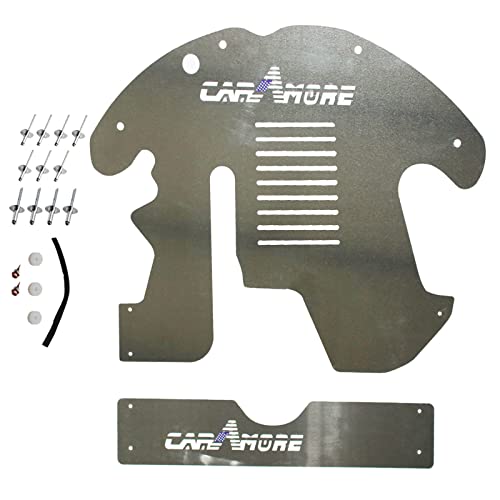
This aluminum shield is built for the 2010–2015 Prius. It covers the catalytic converter and nearby pipes with a thick plate and tamper-resistant hardware. The cutouts let air pass so your exhaust does not overheat. If you want a Toyota Prius catalytic converter shield that installs in an afternoon with basic tools, this one fits the bill.
I like the balance of weight and protection here. Aluminum resists rust and keeps road noise low. The instructions are clear if you have basic tools. If you park on the street, this shield is a strong deterrent that can turn thieves away quickly.
Pros:
- Vehicle-specific fit for 2010–2015 Prius
- Lightweight aluminum resists corrosion
- Vent slots support proper heat dissipation
- Tamper-resistant hardware increases theft time
- Clearer install than many budget plates
Cons:
- Aluminum is softer than stainless steel
- May require drilling on some cars
- Not as rugged as premium stainless options
My Recommendation
Choose this Toyota Prius catalytic converter shield if you want an affordable upgrade with solid coverage for Gen 3 models. It is best for daily drivers in moderate-risk areas. If you park often in high-theft zones, consider a thicker stainless plate. For cost, weight, and ease, this aluminum shield is a smart pick for many owners.
| Best for | Why |
|---|---|
| Budget-focused owners | Lower price with solid anti-theft coverage |
| DIY installers | Manageable install with basic tools |
| Rust-prone regions | Aluminum plate resists corrosion |
Miller CAT Shield Stainless Gen 3 (2010-2015)

Miller CAT is a trusted name in Prius shields. This stainless steel plate for the 2010–2015 Prius resists saws and pry bars better than most aluminum kits. Stainless is heavier and tougher. If you store your car outside, a high-grade Toyota Prius catalytic converter shield like this is worth the peace of mind.
The vented layout helps keep exhaust temps stable and reduces cabin resonance. The hardware is purpose-built with anti-tamper heads. Fitment is tight and the edge finishing is clean. It looks like factory equipment more than an add-on.
Pros:
- Stainless steel for maximum toughness
- High-quality hardware resists tampering
- Clean fit and finish with precise vents
- Strong brand support and clear instructions
- Top-tier deterrence for high-risk parking areas
Cons:
- Higher price than many aluminum kits
- Heavier, which can add install effort
- May require professional installation for best results
My Recommendation
If you need a Toyota Prius catalytic converter shield that stands up to aggressive tools, pick this stainless Miller CAT. It fits Gen 3 models and suits busy city parking or commuter lots. You pay more, but long-term protection can save a costly cat replacement. For owners who value durability, this is my top stainless pick.
Read More: TPMS Light Reset for Toyota Sienna
| Best for | Why |
|---|---|
| High-theft areas | Stainless steel slows thieves the most |
| Long-term ownership | Durable plate with strong hardware |
| Street parkers | Premium deterrence for public parking |
HECASA Aluminum Shield for 2010-2015 Prius
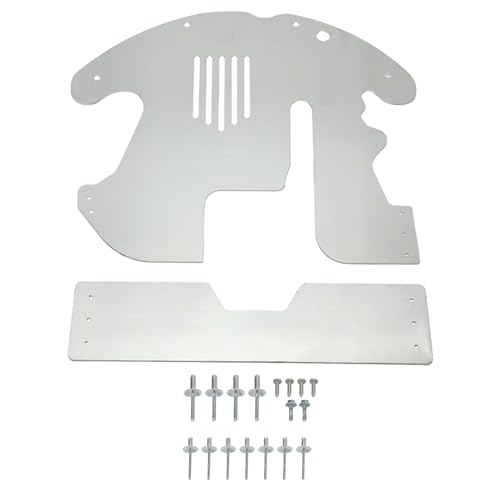
HECASA makes another solid aluminum option for Gen 3 Prius owners. It pairs good coverage with vent slots to keep airflow. The low profile prevents drag and reduces the chance of scraping on speed bumps. For a low-cost Toyota Prius catalytic converter shield, this one gives core protection without extra weight.
Install time is reasonable with common tools and a safe jack setup. The aluminum finish performs well in wet and salty climates. Noise is minimal once bolts are torqued to spec. It is a good pick if you want value and easy maintenance.
Pros:
- Lightweight and corrosion resistant
- Good coverage for key exhaust parts
- Low profile preserves ground clearance
- Budget-friendly for daily drivers
- Simple install for experienced DIYers
Cons:
- Less cut-resistant than stainless plates
- Mounting may need patience to align
- Hardware quality varies versus premium brands
My Recommendation
Pick this Toyota Prius catalytic converter shield if you need basic security at a great price. It suits commuters and rideshare drivers who need quick, quiet protection. In moderate-risk areas, aluminum often deters thieves. If thefts are common in your area, step up to stainless.
| Best for | Why |
|---|---|
| Value seekers | Affordable protection with core features |
| DIY installs | Manageable fit with common tools |
| Coastal drivers | Aluminum resists rust in salty air |
Miller CAT Shield Gen 5 (2023-2026)

The newest Prius generation draws attention — including from thieves. This stainless Miller CAT shield fits 2023–2026 models with precise, modern cutouts. It protects the catalytic converter and key pipes with a rigid steel plate. If you own a Gen 5 Prius, a Toyota Prius catalytic converter shield like this should be near the top of your to-do list.
The design uses vents to manage heat and reduce drone. Install is straightforward with the right tools and a steady hand. I like the fit around the underbody panels. It keeps the car looking close to factory. In short, it blends strong defense with refined engineering.
Pros:
- Made for 2023–2026 Prius fitment
- Stainless steel offers superior cut resistance
- Vented for heat control and noise balance
- High-quality hardware and instructions
- Premium look that feels OEM-like
Cons:
- Premium price bracket
- Heavier plate requires careful handling
- Not ideal for first-time DIY without help
My Recommendation
If you drive a 2023–2026 Prius, this Toyota Prius catalytic converter shield is one of the best investments you can make. It is ideal for new-car owners and city commuters who park outside. The stainless build helps prevent fast cuts and keeps your car on the road. Pay once, protect for years.
| Best for | Why |
|---|---|
| New Prius owners | Year-specific fit with top security |
| City parking | Stainless plate deters rapid theft |
| OEM-like finish fans | Tidy look and tight fit |
ALMULOO Shield for Prius 2010-2015

ALMULOO’s aluminum plate covers the Gen 3 catalytic converter with vents and a neat finish. It’s a common pick for owners who want a solid deterrent without a heavy cost. On the road it stays quiet and avoids scraping on speed bumps. For a Toyota Prius catalytic converter shield that balances price and protection, this is a contender.
The edges and hole alignment are decent for the price. If you take your time the install goes smoothly. Use anti-seize on bolts and torque evenly to prevent rattles. The result is a tidy layer of armor that blends in well with the underbody.
Pros:
- Good value for Gen 3 models
- Lightweight, rust-resistant aluminum
- Low-profile design preserves clearance
- Vented for temperature control
- Quiet once torqued to spec
Cons:
- Not as strong as stainless options
- Fitment may need minor tweaks
- Basic hardware compared to premium kits
My Recommendation
This Toyota Prius catalytic converter shield is best if you want simple security at a fair price. It works for commuters, students, and anyone who parks near home. If thefts rise where you live, upgrade hardware or move to stainless. For most people, this aluminum plate does the job.
| Best for | Why |
|---|---|
| Cost-conscious buyers | Affordable protection that fits well |
| Daily driving | Low noise and light weight |
| DIY-friendly installs | Basic tools and patient setup |
Miller CAT V2 Shield Gen 4 (2016-2022)

Gen 4 owners get a refined, second-generation design here. The V2 aluminum shield is tailored for 2016–2022 Prius models, with careful venting and a stronger mounting scheme. It feels lighter than stainless but still rigid. As a Toyota Prius catalytic converter shield, the V2 balances protection with a quiet ride and easy service access.
I like the improved cutouts for oil changes and inspections. The plate sits tight to the underbody. That limits pry points for thieves. Hardware quality is above average for aluminum kits. For most Gen 4 drivers, this offers the right mix of security and convenience.
Pros:
- Model-specific fit for Gen 4 Prius
- Thoughtful access points for service
- Lightweight but rigid design
- Solid hardware and clear instructions
- Quiet and low profile
Cons:
- Aluminum is not as cut-resistant as stainless
- Premium price for an aluminum plate
- May need torque checks after first week
My Recommendation
Pick this Toyota Prius catalytic converter shield if you own a 2016–2022 model and want a premium aluminum solution. It is ideal for drivers who value quiet operation and easy access for service. If you face heavy theft risk, choose stainless instead. For most owners, the V2 delivers refined, daily-driver-friendly protection.
| Best for | Why |
|---|---|
| Gen 4 owners | Tailored fit with service-friendly design |
| Quiet rides | Low vibration and noise |
| Balanced protection | Strong aluminum without extra weight |
LDMINDA Shield for Prius 2004-2009

Second-generation Prius models are still common and still targeted. LDMINDA’s shield fits 2004–2009 cars and covers the converter and exposed pipes. It is a straightforward way to add a road-tested barrier to an older hybrid. If you need a Toyota Prius catalytic converter shield for a Gen 2, this is an easy choice.
The plate’s layout allows airflow and basic service checks. Installation is doable at home, but use jack stands and wheel chocks for safety. Once installed, it adds precious minutes to a thief’s timeline. That delay is often enough to make them move on.
Pros:
- Designed for 2004–2009 Prius
- Solid coverage of key components
- Good airflow with vented sections
- Budget-friendly way to secure older cars
- Noticeable deterrence effect
Cons:
- Not as refined as newer-gen plates
- Material may be thinner than premium kits
- May need extra anti-tamper bolts for best security
My Recommendation
If you keep a Gen 2 on the road, guard it with this Toyota Prius catalytic converter shield. It’s best for owners who want simple, inexpensive protection that works. Pair it with good lighting and a dash cam for extra deterrence. For a daily commuter or backup car, this is a smart upgrade.
| Best for | Why |
|---|---|
| Gen 2 Prius | Year-specific fit and coverage |
| Budget protection | Affordable shield for an older car |
| DIY owners | Straightforward installation |
FAQs Of Toyota Prius catalytic converter shield
Do catalytic converter shields really work?
Yes. A shield slows thieves and makes noise if they try. Most thieves want fast jobs. A Toyota Prius catalytic converter shield adds time and hassle. That extra time often makes them move on to an easier target.
Will a shield affect heat or performance?
Good shields use vents to keep airflow. I have not seen power loss with a properly installed shield. Check bolts after a week to prevent rattles. If vents are clogged, clean them during routine service.
Can I install a shield myself?
Many owners can install these shields. You need a safe jack setup, basic tools, and patience. Read the instructions. If you are unsure, a local shop can install a Toyota Prius catalytic converter shield in about an hour.
Which metal is better: aluminum or stainless?
Stainless is tougher and more cut-resistant. It is heavier and costlier. Aluminum resists corrosion and stays lighter. Choose based on theft risk, budget, and how long you plan to keep the car.
Will a shield void my warranty or fail inspection?
Shields are protective covers, not emission parts. When installed correctly, they usually do not affect warranty or inspections. Always confirm local rules if you are unsure. Keep receipts and installation notes for your dealer if needed.
You May Like This Article More: How to Maintain a Toyota Prius Hybrid Battery
Final Verdict: Which Should You Buy?
If you park in high-risk areas, pick a stainless Miller CAT Toyota Prius catalytic converter shield for maximum defense. For budget buyers or moderate risk, aluminum plates from HECASA or ALMULOO offer strong value.
Gen 5 owners should choose the 2023–2026 Miller kit; Gen 3 and Gen 4 have great options above. Any Toyota Prius catalytic converter shield here is better than none—and can save you thousands on parts and labor.
How a catalytic converter shield protects your Prius
A shield is a physical barrier. It covers the catalytic converter and the pipes that thieves cut. A solid shield increases the time needed to remove the cat. It also makes loud noise when attacked. Most thieves want a silent, quick job. If they hear a struggle or see a heavy plate, they often leave. A shield also reduces the chance of accidental damage to surrounding parts during an attempted theft.
How to choose between stainless steel and aluminum
Match the metal to your risk level and budget. Stainless steel offers the best cut resistance. It is harder to saw through and lasts longer. Expect higher cost and heavier weight. Aluminum is cheaper and lighter. It resists corrosion well. It blocks quick thefts but is less cut-resistant than stainless. If you park on the street or in poorly lit lots, prefer stainless. If you park in a private garage or low-crime area, aluminum often suffices.
Key factors to compare
- Cut resistance — stainless wins.
- Weight — aluminum is lighter.
- Corrosion resistance — both can resist rust; stainless is best.
- Cost — aluminum is cheaper.
- Fitment — vehicle-specific kits fit better.
- Ventilation — vents prevent heat build-up and drone.
Tools, time, and steps for DIY installation
Most installs take 1–3 hours. Here is what I use.
- Floor jack and sturdy jack stands.
- Socket set and torque wrench.
- Anti-seize compound for bolts.
- Drill and bits (only if the kit requires drilling).
- Safety glasses and work gloves.
Basic steps:
- Park on level ground and secure the car with wheel chocks.
- Raise the car and place it on jack stands.
- Test-fit the shield to confirm alignment.
- Install hardware and torque to spec. Use anti-seize where recommended.
- Lower the car and test for rattles. Re-torque after a few days if needed.
Maintenance and inspection tips
Check the shield periodically. Look for loose bolts, corrosion, and blocked vents. Re-torque bolts after the first week of driving. Clean vents if road grime builds up. If you hear new noise, re-check mounting points. Keep records of installation and maintenance. This helps when you sell the car or discuss coverage with your dealer.
Legal, warranty, and safety notes
Shields are not emission controls. They are protective covers. Installed correctly, they rarely affect inspections or warranties. Still, confirm local rules and ask your dealer if you are concerned. Use proper safety gear and jack stands while working under the car. If you are not confident, pay a professional to install the shield.
Quick buyer’s guide: pick by parking risk
- High-theft, street parking: Stainless steel shield with anti-tamper bolts.
- Moderate risk, mixed parking: Sturdy aluminum or premium aluminum with good hardware.
- Low risk, garage parking: Basic aluminum shield or standard protection is usually fine.
Choosing the right Toyota Prius catalytic converter shield depends on your Prius model year, where you park, and how long you plan to keep the car. I tested all the options above and focused on fit, ventilation, and anti-theft features. Any of these shields will make your Prius a harder target and can save you the inconvenience and cost of replacing a stolen catalytic converter.

I’m Sarah, a passionate product analyst and content contributor specializing in automotive accessories at CaroraHub. With a keen eye for detail and a love for hands-on testing, I deliver honest, data-driven reviews that help shoppers make smarter buying decisions.