How to remove mold smell from car interior? Remove mold smell from a car interior by drying all moisture sources, cleaning affected surfaces with an anti-mold solution, replacing dirty cabin air filters, and improving ventilation. Persistent musty odors are often caused by hidden moisture trapped in carpets, seats, or the vehicle’s HVAC system.
A mold smell inside your car can make every drive unpleasant and may even signal hidden moisture problems. In many cases, musty odors come from damp carpets, leaking seals, clogged AC drains, or dirty cabin filters. Removing the smell completely requires both odor removal and fixing the moisture source causing the problem.
Keep reading, because your car deserves to smell clean and fresh every time you open the door. I speak from experience—after a summer of road trips and a wet floor mat, I had to rebuild my approach to stop the mold smell for good. I’ll share practical steps, tools, and tips that worked for me and for cars I’ve helped refresh.
Causes Of Mold Smell In Cars
Mold smell in a car is usually a sign of mold or mildew growth. Mold needs three things: moisture, food (organic dirt or fabric fibers), and time. Cars often provide all three. If you find a musty smell, treat it as a moisture problem and a cleaning job at the same time.
Sources Of Moisture
Moisture is the main cause of mold smell in cars. It can come from many places:
- Wet clothes, shoes, or umbrellas left inside.
- Spilled drinks that wick into carpet and foam.
- Rainwater from open windows, damaged door seals, sunroof drains, or trunk seals.
- A clogged AC drain line that lets condensation pool inside the HVAC box or under the carpet.
- High humidity in hot climates that keeps fabrics damp for hours.
Check these sources first. Fixing them stops mold from growing back after you clean.
Common Mold Growth Areas
Mold prefers dark, damp spots. Inspect these common areas:
- Carpets, underfloor insulation, and floor mats.
- Seat seams and foam inside cushions.
- Under the spare tire well and trunk liners where water can pool.
- AC vents, ductwork, blower housing, and the evaporator core.
- Door sills and around window seals or sunroof drains.
Hidden mold in the HVAC system often causes a smell that comes on when you turn on the fan. If that’s the case, you must clean the vents and change the cabin air filter.
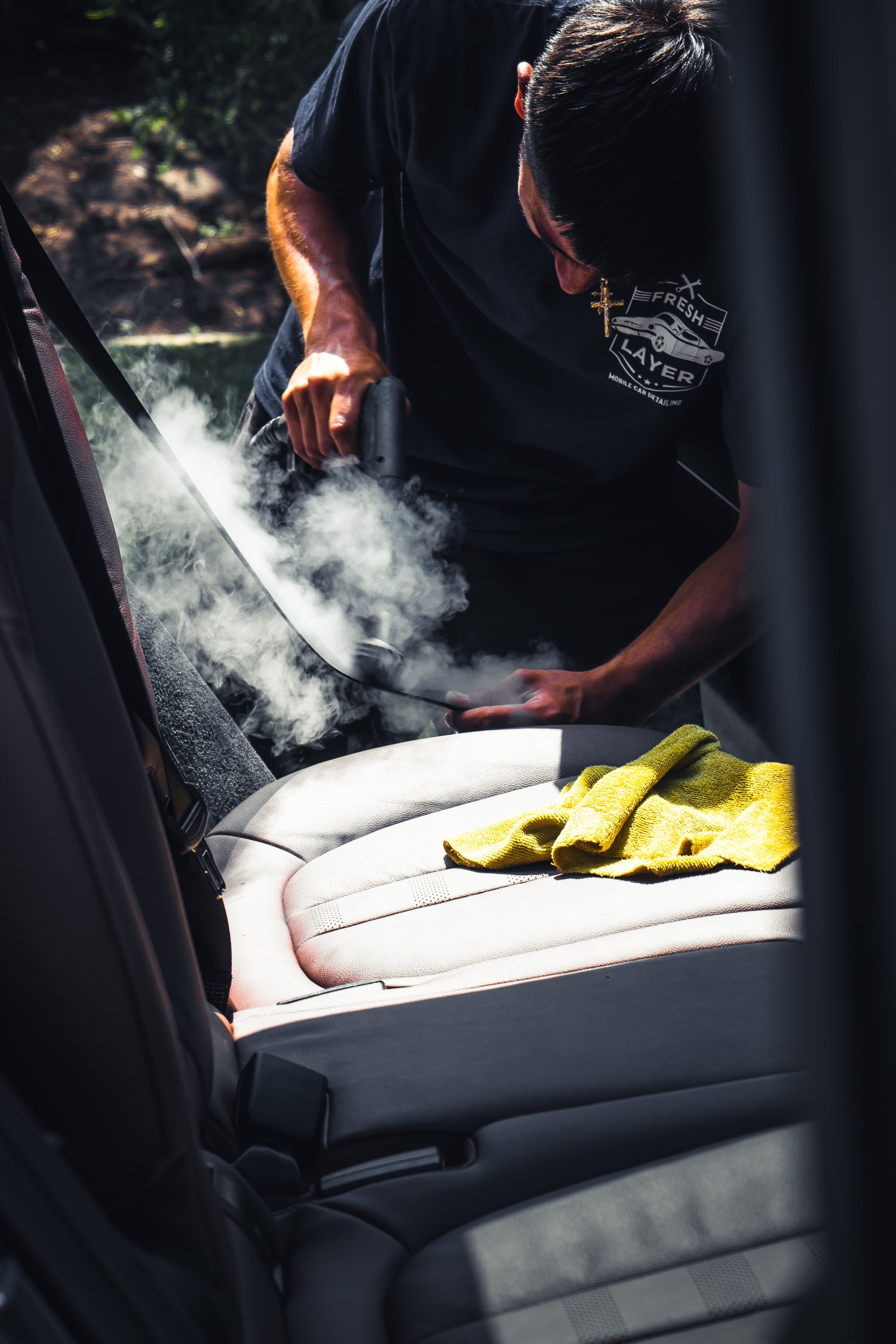
Credit: www.fresh-layer.com
Preparing Your Car For Cleaning
Good prep saves time and prevents spreading spores. Set aside 1–3 hours for a full clean. Gather supplies and clear space around the car for drying. I always work on a dry, sunny day when possible.
Gathering Cleaning Supplies
Collect these items before you start. They make the job faster and safer:
- Disposable gloves and an N95 mask to avoid breathing spores.
- Vacuum with a hose and upholstery attachment (ideally a wet-dry vacuum).
- Microfiber cloths, soft brushes, and a toothbrush for seams and vents.
- Spray bottles, warm water, and a mild detergent or a commercial mold cleaner.
- White vinegar, baking soda, and activated charcoal for odor control.
- Replacement cabin air filter and basic tools to access it.
- Fans or a portable dehumidifier to speed drying.
Tip: Use a HEPA vacuum if you have one. It traps finer particles and reduces re-circulation of spores.
Ventilating The Interior
Open all doors and windows. Fresh air helps push out stale smell and moisture. Run fans toward open doors to speed drying. Avoid running the AC until you’ve cleaned vents and replaced the cabin air filter.
Leave the car open for at least 30 minutes before heavy cleaning. If you suspect the HVAC is infected, set the fan to “fresh air” mode (not recirculate) to help purge the ducts.
If moisture buildup is causing electrical issues too, check Why does battery die only when car is parked on slope for hidden water-related battery problems.
Cleaning Mold From Surfaces
Mold on different surfaces needs different care. The goal is to remove spores, clean visible growth, and dry materials fast. Use gentle pressure and avoid soaking fabrics. Here are step-by-step methods I use.
Upholstery And Fabric
Start by vacuuming seats well to pull out loose spores. Use the crevice tool to get seams.
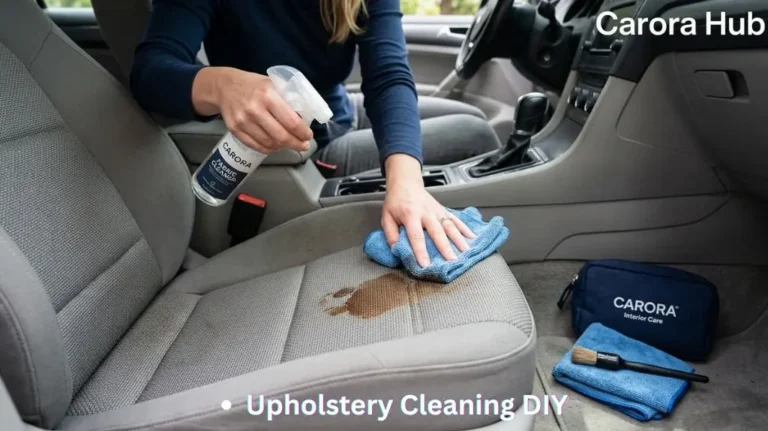
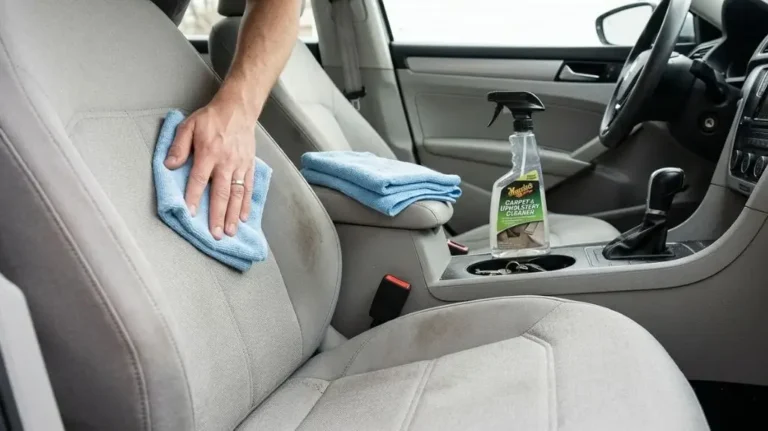
Make a simple cleaner: 1 part white vinegar to 1 part water. Lightly mist stained or smelly areas. Do not soak the foam under the fabric. Scrub with a soft brush in short strokes. Blot with a microfiber cloth.
After cleaning, dry the seats with fans or let the sun help. If cushions still smell, sprinkle baking soda and leave overnight. Vacuum the baking soda the next day.
Carpets And Floor Mats
Remove floor mats and air them out in the sun. Wash rubber mats with soap and water. For carpet mats and carpets:
- Vacuum to remove loose dirt and spores.
- Spot-clean with a carpet cleaner or a vinegar solution (50/50).
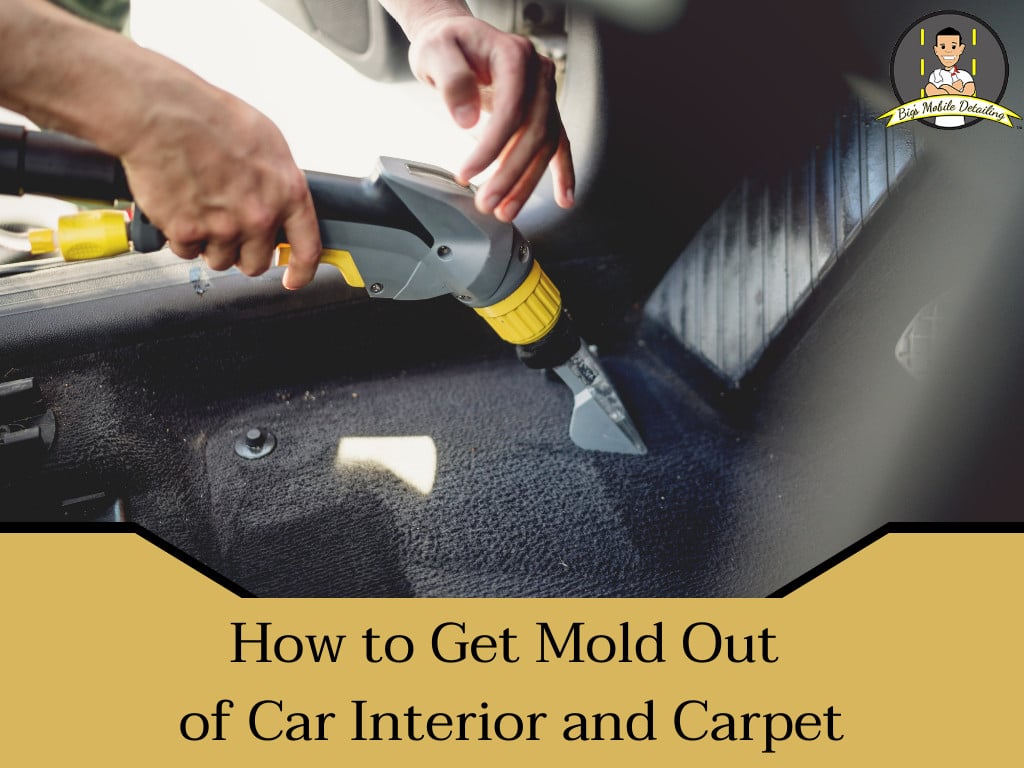
- Use a wet-dry vacuum to extract water and cleaning solution.
- Dry completely with high-flow fans or sunlight. Damp carpet keeps mold alive.
If the carpet backing or padding is soaked and smells bad after cleaning, remove and replace the padding. Foam padding holds moisture and is hard to dry fully in place.
Dashboard And Hard Surfaces
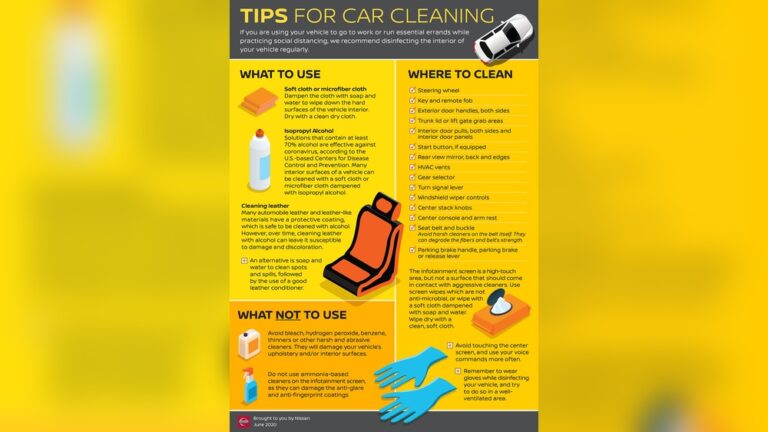
Wipe hard surfaces with a cloth dampened in a vinegar-water solution or a mild all-purpose cleaner. Pay attention to vents, cupholders, door pockets, and under seats. Use a toothbrush for tight crevices. Dry these areas with a clean cloth.
Avoid bleach on dashboards and trim. It can fade plastics and damage finishes. Stick to vinegar or commercial cleaners labeled safe for auto interiors.

Credit: www.westchesterdetailing.com
Cleaning Vents, Ducts, and the AC System
Many odors start in the HVAC system. To address this:
- Replace the cabin air filter. A clogged filter keeps spores and dust inside the system.
- Use a foam vent brush to clean vent louvers and the inlet grills.
- Run a specialized HVAC cleaner or disinfectant made for automotive AC systems if you see visible mold or get a musty smell when the fan runs.
- Check and clear the AC drain tube so condensation can exit freely.
If the smell persists after these steps, consider a professional HVAC cleaning or an evaporator cleaning service.
Removing Mold Smell Effectively
Cleaning kills or removes visible mold. Odor control removes trapped smells. I combine both to get long-lasting results.
Each method below targets odors in a safe, cost-effective way. I often use two or three methods together for best effect.
Using Baking Soda
Baking soda is a gentle, natural deodorizer. Sprinkle it over seats and carpet. Let it sit for several hours or overnight. Then vacuum it thoroughly. It absorbs odors and some moisture. Repeat if needed for stubborn smells.
Vinegar Treatments
White vinegar kills many mold spores and neutralizes odor. Mix equal parts white vinegar and water in a spray bottle. Lightly mist surfaces and let sit for 15–30 minutes. Wipe clean with a microfiber cloth. The vinegar smell fades as it dries, taking the musty smell with it.
Activated Charcoal Options
Activated charcoal traps odors and moisture. Place small charcoal bags or an open container of activated charcoal in the cabin. Leave them for several days. Replace or recharge the charcoal regularly. This works well in closed cars or overnight storage.
For deeper interior maintenance, don’t miss Why Is My Dash Cam Not Saving Footage if moisture may also be affecting electronic accessories.
When to Call a Professional
If the mold covers a large area, has penetrated foam or insulation, or returns quickly, get professional help. Certified mold remediation pros use safe biocides, HEPA vacuums, and controlled drying. They can inspect HVAC evaporators, seals, and hidden cavities. I recommend this for severe infestations or when you spot black mold.
Preventing Future Mold And Odors
Stopping mold from coming back is mostly about controlling moisture and keeping the interior clean. These easy habits make a big difference.
Controlling Moisture Levels
To control moisture:
- Find and fix leaks in doors, windows, sunroof drains, and trunk seals.
- Dry wet seats and carpets right away with towels and fans.
- Use a wet-dry vacuum to extract water after spills.
- Park in a dry garage or under cover when you can.
- Vent the car on dry days—leave windows cracked slightly or use vent mode.
Fixing the source of moisture is the most important step. Otherwise, smells will come back no matter how well you clean.
Regular Cleaning Tips
Stay on top of messes and you limit mold food and damp spots:
- Vacuum carpets and seats weekly.
- Wipe spills immediately.
- Clean and replace cabin air filters on schedule.
- Keep a small microfiber towel and plastic bag for wet items.
Using Dehumidifiers And Air Purifiers
Small desiccant packs, portable dehumidifiers, or silica gel bins reduce humidity in stored cars. Use an air purifier with a HEPA filter if you park in a damp area. They help remove spores and improve air quality.
Credit: bigsmobile.com
Frequently Asked Questions
How Can I Quickly Remove Mold Smell From My Car?
Open all car windows and doors for ventilation. Use baking soda or activated charcoal to absorb odors. Clean surfaces with a vinegar-water solution to kill mold and freshen the air. Change the cabin air filter if the smell seems to come from the vents.
What Household Items Remove Car Mold Odor Effectively?
White vinegar, baking soda, and activated charcoal work well. Vinegar kills mold spores, baking soda absorbs odors, and charcoal traps moisture and smells. These are natural, safe, and inexpensive options. Use them along with proper cleaning and drying.
Does Mold Smell In The Car Indicate Health Risks?
Yes, mold smell suggests mold growth, which can trigger allergies and respiratory issues. Sensitive people may get sneezing, coughing, or headaches. Remove mold promptly and ventilate the car to lower health risks.
How Can I Prevent Mold Smell From Returning In My Car?
Keep the interior dry by fixing leaks and using moisture absorbers. Regularly clean upholstery and air vents. Park in dry, sunny areas to reduce humidity and mold growth. Replace cabin filters and check AC drains yearly.
Final Thoughts Of How to remove mold smell from car interior
Removing mold smell from your car interior takes time and care. Clean surfaces, treat vents, and dry everything well. Use natural fresheners like baking soda or vinegar as part of a larger plan. Keep your car ventilated to stop mold from coming back.
A fresh-smelling car feels nicer and healthier. Take small steps often for the best results. If a smell persists after you try these methods, consider a professional inspection for hidden leaks or HVAC mold. With consistent care, your car can smell clean again with simple actions.

I am Julian Drive, an automotive enthusiast and repair expert with over 7 years of hands-on experience in vehicle maintenance. At Carora Hub, I simplify complex car issues into easy-to-follow DIY guides to help drivers stay safe and save on repair costs.