Your car’s interior is more than just a place to sit it’s where you spend a lot of your time. Keeping it clean feels great, but you might worry about damaging delicate surfaces like leather, fabric, or plastic.
What if you could refresh your car’s inside without risking scratches, stains, or fading? You’ll discover simple, safe ways to clean every part of your car’s interior. By the end, you’ll have the confidence to make your car look and feel like new without any damage.
Ready to protect your investment and enjoy a spotless ride? Let’s dive in.

Credit: www.amazon.com
Preparing Your Car Interior
Before I clean any car, I spend a few minutes preparing. Preparation saves time and cuts the risk of harm to leather, cloth, plastic, and trim. A tidy, staged space also helps you spot problem areas fast.
Gathering Essential Cleaning Supplies
I always gather tools first. This keeps the job steady and prevents mistakes. Here’s what I use every time:
- Soft microfiber cloths (several). They stop scratches and pick up dust well.
- A gentle, pH-balanced car interior cleaner safe for leather, vinyl, and plastic.
- An upholstery shampoo or fabric cleaner for cloth seats.
- A vacuum with a crevice tool and brush attachments for seams and vents.
- A soft-bristled detailing brush for dust in vents, seams, and around buttons.
- Buckets, spray bottles, and a small hand brush for stains.
These tools handle most tasks. If you prefer DIY cleaners, use mild soap and water or a diluted vinegar mix for hard surfaces. I’ll show the exact mixes later.
Removing Personal Items And Trash
Next, I clear out personal items. Take out bags, loose papers, and anything in cup holders. Toss wrappers and empty bottles in a trash bag. Empty the glove box and center console if you can.
Why this matters: loose items can hide dirt, scratch surfaces, or get wet during cleaning. Clearing the cabin makes vacuuming and spot cleaning faster and safer.
Cleaning Different Surfaces Safely
Different materials need different care. Leather, vinyl, plastic, fabric, and electronics each have rules. I follow those rules to avoid fading, cracking, or stains.
Vacuuming Upholstery And Carpets
Start with a careful vacuum. I use a brush attachment and keep suction moderate. Move slowly along seams, under seats, and along floor edges.
- Work in sections so you don’t miss spots.
- Use the crevice tool for between seats and under trim.
- For embedded grit, a back-and-forth pass with the brush loosens particles before vacuuming.
Gentle vacuuming prevents fabric pulls and keeps seat foam and carpet fibers healthy.
Wiping Leather And Vinyl Seats
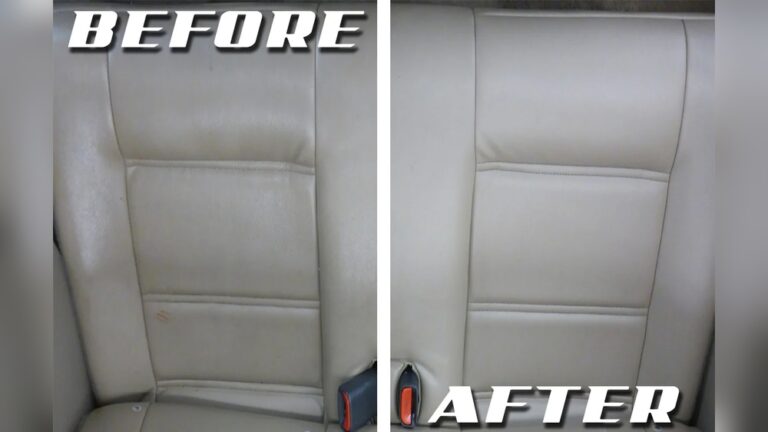
I clean leather and vinyl with a soft cloth dampened with a mild soap-and-water mix or a dedicated leather cleaner. I avoid harsh chemicals like bleach or strong solvents.
How I do it:
- Wring the cloth so it’s damp, not dripping.
- Wipe in small, circular motions along the grain.
- Dry immediately with a fresh microfiber towel.
- Finish leather with a quality leather conditioner to add moisture and UV protection.
- For vinyl, a gentle protectant restores shine but skip conditioners meant only for leather.
Do a spot test before full cleaning. I always test in an inconspicuous place for color change or tackiness.
Cleaning Plastic And Dashboard Areas
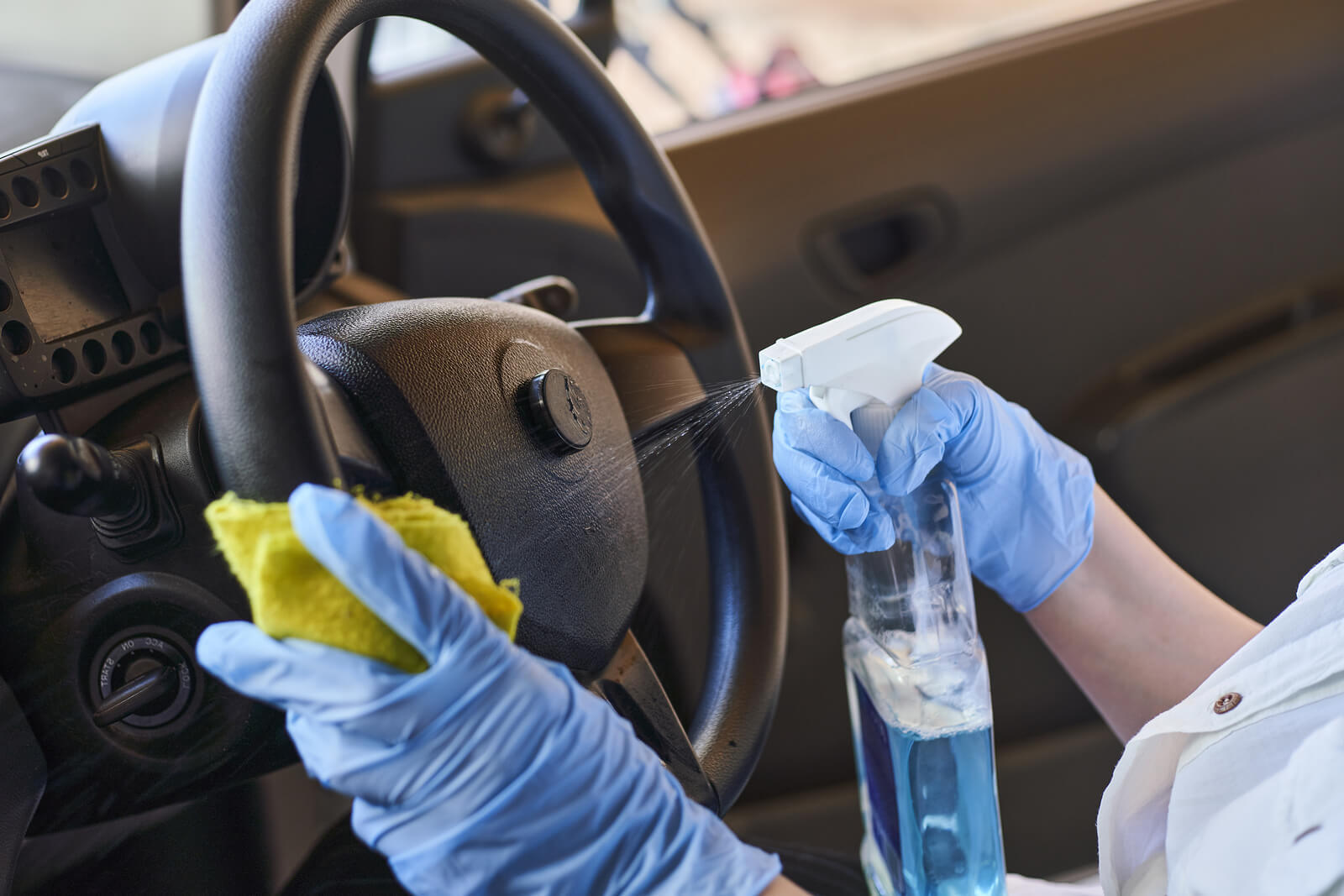
Plastic and dashboard surfaces need dusting and gentle cleaning. I use a microfiber cloth and a mild, plastic-safe cleaner. I never spray cleaner directly onto electronics or vents. Instead, I spray the cloth first.
Tips I use:
- Use a soft detailing brush for vents, seams, and textured surfaces.
- Wipe knobs and touch areas gently to avoid removing factory paint or labels.
- For glossy trims, use a damp cloth and buff dry to avoid streaks.
- Protect dashboards from sun damage with a UV protectant designed for automotive plastics.
Caring For Fabric Seats And Headliners
Fabric needs light cleaning and careful drying. I use an upholstery cleaner or diluted upholstery shampoo. I work in small areas and avoid soaking the fabric.
My method:
- Blot fresh spills right away with a clean, absorbent cloth.
- Apply cleaner sparingly with a soft brush or cloth.
- Lift stains with gentle strokes—don’t rub hard.
- Rinse lightly with a damp cloth to remove residue.
- Air-dry with windows open or use a fan to speed drying and prevent mold.
For headliners, I use a dry microfiber and very light pressure. The headliner glue is delicate. Too much moisture or scrubbing can sag the fabric.
Choosing The Right Cleaning Products
Picking the right cleaner protects surfaces and gives better results. I look for products labeled safe for automotive materials—leather, vinyl, fabric, and plastic. That label often tells you what it will and won’t do.
Key terms I watch for on labels: “pH-balanced,” “automotive safe,” “no harsh solvents,” and “UV protectant.” These point to safer formulas.
Natural Vs. Chemical Cleaners
Natural cleaners use plant-based or simple mineral ingredients. They’re gentle and often better for people with sensitivities. They work well for daily dust, light stains, and odors.
Chemical cleaners are stronger. They remove tough stains and heavy grease. Use them carefully on materials that can handle them. Read instructions and follow dilution guidelines.
I keep both types on hand. I reach for natural options first. If a stain resists, I move to a stronger product after testing.
Spot Testing Before Use
Spot testing is simple and crucial. Apply a small drop of cleaner to a hidden area. Wait a few minutes. Look for color change, softening, or residue.
If the test looks good, proceed. If not, choose a gentler product. Spot testing prevents surprises like fading, staining, or ruined finishes.
Avoiding Harmful Ingredients
Avoid cleaners that list bleach, ammonia, or strong acids. These can break down leather, vinyl, and plastic. They can also irritate skin and leave harsh odors in a small cabin.
Look for fragrance-free and dye-free formulas if you or your passengers have allergies. Mild detergents and natural oils often clean well without damage.

Credit: www.ebay.com
Techniques For Stain Removal
Stains are common. Food, drink, grease, and mud all end up inside a car. I use quick, targeted steps to remove stains without harming the underlying material.
Removing Food And Drink Stains
For fresh spills, act fast. Blot with an absorbent cloth. Do not rub—rubbing spreads the stain.
For dried stains:
- Loosen debris with a soft brush.
- Apply a mild soap-and-water mix or a dedicated upholstery cleaner.
- Work in small circles and blot frequently.
- Rinse with a damp cloth to remove soap residue.
- Air-dry and re-check. Repeat if needed, but avoid over-wetting.
For stubborn stains like oil or ink, use a product formulated for those stains. Test first.
Eliminating Odors
Odors can come from spills, food, pets, or mildew. I prefer to neutralize rather than mask smells.
- Sprinkle baking soda on fabric seats. Let sit for a few hours or overnight, then vacuum it off.
- For hard surfaces, a light spray of water and white vinegar (50/50) neutralizes odors. Wipe dry afterward.
- For deep or persistent smells, use an enzyme cleaner. These break down organic residues that cause odors.
- Air the car out with windows open after cleaning. Sun and fresh air speed odor removal.
Dealing With Pet Hair And Dander
Pet hair and dander need repeated attention. I use a combination approach:
- Run a rubber glove over upholstery to gather hair quickly.
- Use a lint roller or sticky tape for fine hair and tight spots.
- Vacuum with a brush attachment to remove dander and trapped fur.
- Consider a fabric refresher or enzyme cleaner if there are lingering odors from pets.
Routine cleaning reduces long-term dander buildup and helps cabin air quality.
Maintaining Cleanliness Over Time
Cleaning once is good. Maintaining cleanliness is better. Small habits prevent big problems and keep leather, fabric, and plastic in top shape.
Here are simple habits I recommend:
- Keep a small trash bag in the car and empty it weekly.
- Wipe high-touch areas (steering wheel, shifter, door handles) weekly.
- Vacuum seats and floors every 1–2 weeks, depending on use.
- Address spills immediately—minutes make a big difference.
- Apply leather conditioner every 3–6 months to prevent drying and cracking.
Regular Cleaning Schedule
A simple schedule keeps the cabin fresh. I follow this plan for my cars:
- Weekly: quick wipe-down of touch points and remove trash.
- Biweekly: vacuum floors and seats; clean cup holders and consoles.
- Monthly: deep clean plastic and trim, check for stains.
- Quarterly: condition leather and treat for UV protection.
Protecting Surfaces From Damage
Prevention saves money. I use seat covers for heavy use. I park in shade when I can. I use UV protectants on dashboards to limit sun damage. And I avoid harsh cleaners and abrasive tools.
Keep sharp objects away from seats and use floor mats for mud and snow. These steps reduce wear and keep resale value higher.
Using Seat Covers And Floor Mats
Seat covers and mats are simple armor for your interior. I choose covers that fit well and are machine-washable. Heavy-duty rubber mats are best for wet seasons. Clean mats often to stop grime spreading back onto carpets.
Credit: angelstransmissions.com
FAQs About How to Clean Car Interior Without Damaging Surfaces?
How Do I Clean Car Seats Without Causing Damage?
Use a gentle cleaner made for the seat material. Test in a hidden spot first. Work in small areas. Blot spills. Avoid soaking fabric and avoid abrasive scrubbing on leather.
What Is The Safest Way To Clean Car Dashboard?
Wipe with a microfiber cloth and a mild, non-abrasive cleaner. Spray cleaner on the cloth first, never directly on the dash. Use a soft brush for vents and tight spots. Finish with a UV protectant to prevent cracking and fading.
Can I Use Household Cleaners On Car Interiors?
Avoid harsh household cleaners like bleach and ammonia. They can ruin leather, strip coatings, and discolor plastics. Mild dish soap and water can work on many surfaces, but choose products labeled safe for automotive use when possible.
How Often Should I Clean My Car Interior?
Clean high-touch areas weekly and vacuum every 1–2 weeks. Do a deeper clean monthly and condition leather quarterly. Adjust frequency based on use, pets, kids, or weather.
Conclusion
Cleaning your car’s interior can be simple and safe. Use gentle cleaners and soft cloths to protect surfaces. Avoid harsh chemicals that can cause damage. Regular care keeps your car looking fresh and new. Small efforts make a big difference in the long run.
Take your time and clean carefully to enjoy a neat, comfortable ride. Your car deserves the best care without risks. Stay consistent, and your interior will stay spotless and well-maintained.
Quick Cleaning Checklist (My Go-To Routine)
- Remove trash and personal items.
- Vacuum seats, carpets, and crevices.
- Dust dashboard and vents with a microfiber cloth.
- Spot-clean spills right away.
- Wipe leather/vinyl and apply conditioner if needed.
- Sprinkle baking soda on fabric seats for odors, then vacuum.
- Replace floor mats and tidy up.
When to Seek Professional Detailing
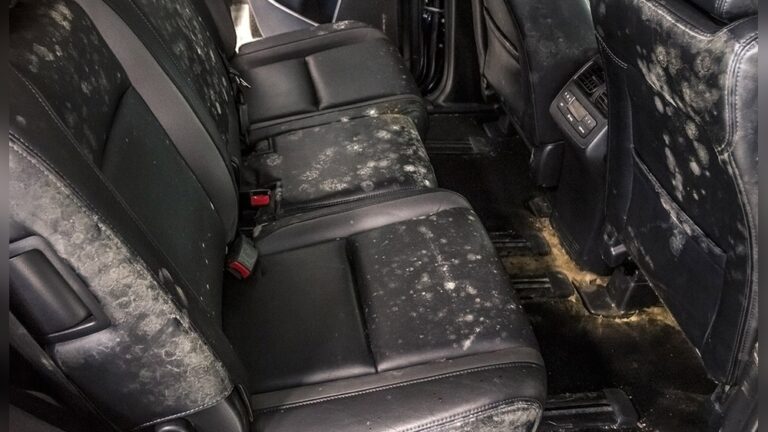
If stains are stubborn, odors persist after enzyme cleaners, or headliners sag, consider professional detailing. Pros use steam, extraction tools, and safe chemical blends that remove deep grime without harming materials. I call a pro for mold, set-in stains, or when I need a near-showroom finish.

I am Julian Drive, an automotive enthusiast and repair expert with over 7 years of hands-on experience in vehicle maintenance. At Carora Hub, I simplify complex car issues into easy-to-follow DIY guides to help drivers stay safe and save on repair costs.