Many drivers wonder about the life of their car battery. You buy a car, drive it daily, and rarely think about the battery until one day, the engine refuses to start. Understanding how long a car battery lasts can help you avoid unexpected breakdowns and expensive repairs.
This guide explains the average lifespan of a car battery, what affects its longevity, how to spot warning signs, and how to make your battery last longer. You’ll also learn about different battery types, climate impacts, and the mistakes drivers make that can shorten battery life.
If you want to keep your car reliable, knowing about your battery is essential.
How Long Does A Car Battery Last?
Car batteries do not last forever. On average, a car battery lasts 3–5 years. Some batteries may last longer with proper care, while others fail sooner due to harsh conditions or neglect. The lifespan depends on several factors: battery type, usage patterns, climate, and maintenance.
Most car manufacturers recommend replacing the battery every 4 years to avoid being stranded. But this is not a hard rule. Some batteries may keep working for 6 years or more, while others die after only 2 years. It’s best to understand the signs of an aging battery and check it regularly.
Types Of Car Batteries And Their Lifespan
Not all car batteries are the same. The technology and design affect how long they last and how they perform. Here are the main types you’ll find in modern cars:
Lead-acid Batteries
Most cars use lead-acid batteries. These are reliable, affordable, and easy to replace. They typically last 3–5 years. Lead-acid batteries come in two forms:
- Flooded (wet cell): The most common, usually cheaper, but require occasional maintenance (adding water).
- Sealed (maintenance-free): These are sealed and require little upkeep, but still have similar lifespans.
Agm (absorbent Glass Mat) Batteries
AGM batteries are a newer technology. They are more durable and handle repeated charging better. AGM batteries last 4–7 years. Many luxury cars and vehicles with start-stop systems use AGM batteries because they support frequent engine starts.
Lithium-ion Batteries
Some hybrid or electric cars use lithium-ion batteries for starting systems. These can last 8–10 years, but are expensive and not common in traditional gasoline vehicles. Their lifespan is longer, but replacement costs are much higher.
Battery Comparison Table
Here’s a quick comparison of common battery types and their average lifespan:
| Battery Type | Average Lifespan | Typical Usage | Maintenance Required |
|---|---|---|---|
| Lead-Acid (Flooded) | 3–5 years | Most gasoline cars | Yes |
| Lead-Acid (Sealed) | 3–5 years | Modern gasoline cars | No |
| AGM | 4–7 years | Luxury, start-stop vehicles | No |
| Lithium-Ion | 8–10 years | Hybrids, electric cars | No |
Learn More: How to Check Brake Fluid Levels in a Toyota Prius
Factors That Affect Car Battery Lifespan
A car battery’s life is not just about age. Many things can affect how long it lasts. Some are obvious; others are often missed by beginners.
Climate And Temperature
Extreme heat or cold is the biggest enemy of car batteries. High temperatures cause the battery fluid to evaporate, damaging internal parts. Freezing weather slows chemical reactions, making it harder to start the car.
Batteries in hot climates, like Arizona or Texas, often fail in less than 3 years. In cold regions, like Minnesota, batteries may last a bit longer but still suffer from winter stress.
Driving Habits
Short trips don’t allow the battery to fully recharge. If you mostly drive for 10 minutes or less, your battery wears out faster. Long drives help keep the battery charged and healthy.
Frequent stops and starts, common in city driving, put extra strain on the battery. Vehicles with start-stop systems use AGM batteries because they’re better at handling this stress.
Electrical Load
Modern cars have many electrical devices: GPS, heated seats, powerful stereos, and phone chargers. Using these often increases the demand on the battery, shortening its life.
Leaving lights or accessories on when the engine is off drains the battery. Even small things, like leaving the dome light on overnight, can cause problems.
Maintenance And Care
Regular battery checks and maintenance can add years to its life. Cleaning the terminals, checking fluid levels (for flooded batteries), and securing the battery against vibration all help.
Neglecting maintenance is a common beginner mistake. Many drivers never check their battery until the car refuses to start.
Age And Manufacturing Quality
Older batteries naturally lose power. Lower-quality or cheap batteries often die sooner. Always choose a trusted brand, even if it costs a bit more.
Battery Comparison: Hot Vs. Cold Climate
To understand climate impact, look at this data for battery lifespan in different regions:
| Region | Average Lifespan | Main Issue |
|---|---|---|
| Hot (Phoenix, AZ) | 2–3 years | Fluid evaporation, heat damage |
| Moderate (San Francisco, CA) | 4–5 years | Balanced climate |
| Cold (Minneapolis, MN) | 3–4 years | Winter strain, slow charging |
Just as heat management is key in Is Steam Cleaning Safe for Leather Car Seats, temperature plays a massive role in answering How Long Does a Car Battery Last in a Car.
Signs Your Car Battery Is Dying
Recognizing a failing battery before it dies can save you from trouble. Here are the main warning signs to watch for:
- Slow engine start: The engine takes longer to crank. It may sound weak or sluggish.
- Dim lights: Headlights, dashboard, or interior lights are weaker than usual.
- Electrical issues: Radio, power windows, or other electronics don’t work properly.
- Warning light: The battery or charging system light appears on your dashboard.
- Corroded terminals: White or blue powder on battery terminals means corrosion, which affects performance.
- Strange smells: A rotten egg smell indicates leaking battery fluid, usually from overheating.
- Swollen battery case: If the battery case looks bloated, heat damage may have occurred.
Some of these signs can be missed by beginners. For example, terminal corrosion is often ignored but can make the battery fail even if it’s not old.
How To Test Your Car Battery
Testing your battery is easy and can prevent surprises. Here are the main ways:
Visual Inspection
Look for obvious issues: swelling, leaks, corrosion, or cracks. Clean any corrosion with baking soda and water.
Voltage Check
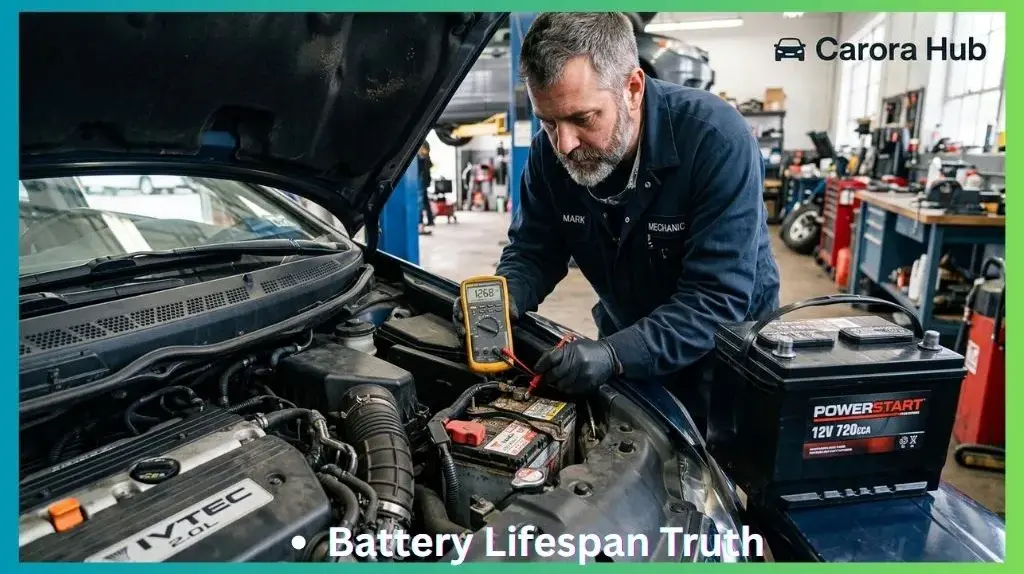
Use a digital multimeter to check battery voltage. A healthy battery reads 12.6 volts or higher when the car is off. Below 12.4 volts, the battery is weak.
Professional Testing
Most auto shops will test your battery for free. They use specialized tools to check voltage, cold-cranking amps, and performance under load.
Diy Battery Load Test
You can do a simple load test at home:
- Turn on headlights for 2 minutes without starting the engine.
- Then try to start the car. If the engine cranks slowly or not at all, the battery is weak.
How Long Does A Car Battery Last Without Driving?
If you leave your car unused, the battery will slowly drain. A typical battery lasts 4–8 weeks without driving. If your car sits for longer, the battery may be dead when you return.
This happens because alarm systems, clocks, and electronics draw small amounts of power even when the car is off. To prevent this:
- Start the car every 2–3 weeks and let it run for 15–20 minutes.
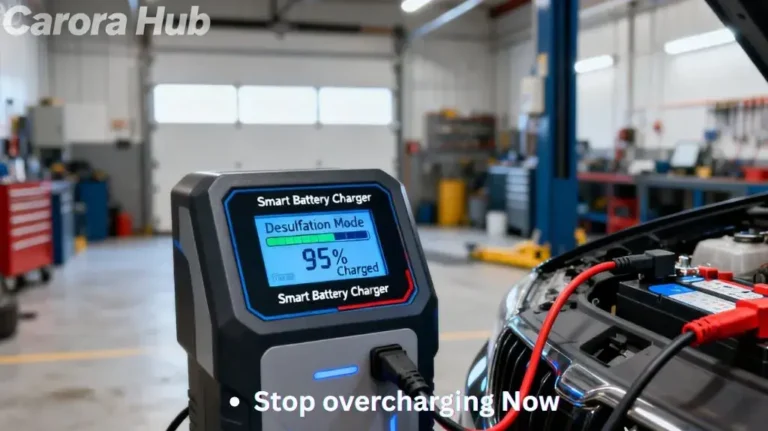
- Use a battery maintainer (trickle charger) if you plan to leave it unused longer.
How To Make Your Car Battery Last Longer
You can’t make your battery last forever, but good habits can add years to its life. Here are practical steps:
- Drive regularly: Take your car for longer drives to fully recharge the battery.
- Avoid short trips: Short drives don’t recharge the battery enough.
- Keep terminals clean: Clean corrosion using a brush and baking soda solution.
- Secure the battery: Make sure the battery is tightly fastened to prevent vibration.
- Turn off electronics: Don’t leave lights, radio, or accessories on when the engine is off.
- Check fluid levels: For flooded batteries, check and refill with distilled water as needed.
- Use quality batteries: Choose trusted brands with good warranties.
- Protect from extreme temperatures: Park in a garage or shaded spot during hot weather.
- Use battery maintainer: If you don’t drive often, use a maintainer to keep the battery charged.
Many drivers overlook battery maintenance. Simple actions, like cleaning terminals and checking fluid, can add months or years to battery life.
Car Battery Lifespan: Real-world Examples
Different drivers experience different battery lifespans. Here are some real-world examples:
- Daily commuters: People who drive long distances daily often get 4–5 years from their battery.
- Short-trip drivers: Those who mostly drive short distances see batteries fail in 2–3 years.
- Hot climate drivers: Batteries in places like Florida or Nevada may die in 2–3 years due to heat.
- Cold climate drivers: In places like Alaska, batteries last longer but may struggle in winter.
- Weekend drivers: If you only drive on weekends, expect the battery to die sooner unless you use a maintainer.
These examples show that battery life isn’t just about age—it’s about how and where you use your car.
Car Battery Replacement: What You Need To Know
Replacing a car battery is simple, but there are important details to consider:
When To Replace
Replace your battery if:
- It’s older than 4 years and shows signs of weakness.
- The voltage is consistently below 12.4 volts.
- It fails a professional load test.
- You see swelling, leaks, or corrosion that can’t be cleaned.
Choosing The Right Battery
Don’t just buy the cheapest battery. Check these points:
- Size and type: Match the battery to your car’s requirements.
- Cold Cranking Amps (CCA): Higher CCA means better performance in winter.
- Reserve capacity: More reserve means your battery can power electronics longer.
- Brand reputation: Choose brands with good reviews and warranties.
Installation Tips
- Turn off the engine and all electronics.
- Wear gloves and eye protection.
- Disconnect the negative terminal first, then positive.
- Remove the old battery, install the new one, and reconnect terminals (positive first, then negative).
- Tighten connections and check for secure fit.
Battery Replacement Cost
Battery prices vary. Lead-acid batteries cost $50–$120, AGM batteries cost $150–$250, and lithium-ion batteries can cost $500 or more. Installation may be extra.
Common Mistakes That Shorten Battery Life
Drivers often make mistakes that kill their battery faster. Here are some to avoid:
- Ignoring warning signs: Waiting until the battery fails can leave you stranded.
- Buying cheap batteries: Low-quality batteries die sooner and may damage electronics.
- Leaving electronics on: Small drains add up and can kill a battery overnight.
- Skipping maintenance: Dirty terminals and low fluid reduce battery life.
- Not securing the battery: Vibration causes internal damage.
- Letting the car sit too long: Unused batteries lose charge and may not recover.
These mistakes are common, especially for new drivers. Avoid them to keep your battery healthy.
Battery Recycling And Disposal
Old car batteries contain lead and acid, which are hazardous. Never throw them in the trash. Always recycle your battery at a proper facility or auto shop.
Most shops will take your old battery when you buy a new one. Recycling helps protect the environment and keeps toxic materials out of landfills.
Battery Warranty: What Does It Cover?
Most car batteries come with a warranty of 2–3 years. Some premium brands offer up to 5 years. The warranty usually covers defects or early failure, but not misuse or neglect.
Always check the terms. If your battery dies early, bring your receipt and old battery to the store for a replacement.
Car Battery Maintenance: Step-by-step Guide
Proper maintenance is easy and can make a big difference. Here’s a simple guide:
- Inspect monthly: Check for corrosion, swelling, leaks, and secure fit.
- Clean terminals: Use a brush and baking soda solution. Rinse and dry.
- Check fluid (if applicable): Open caps and refill with distilled water if needed.
- Test voltage: Use a multimeter. Aim for 12.6 volts or higher.
- Protect from weather: Park in a garage or use a battery blanket in winter.
Regular maintenance prevents surprises and extends battery life.
Battery Life In Hybrid And Electric Cars
Hybrid and electric vehicles use larger batteries with different technology. These batteries last longer—usually 8–10 years—but replacement is costly.
Hybrid battery replacement can cost $1,000–$3,000. Electric car batteries may cost even more. However, these batteries are designed to last longer and are supported by longer warranties.
How Weather Affects Car Battery Life
Weather affects battery lifespan more than most people realize. Here’s how:
Hot Weather
Heat speeds up chemical reactions inside the battery. Fluid evaporates, and internal parts corrode. Batteries in hot climates often fail faster, sometimes in just 2 years.
Cold Weather
Cold slows chemical reactions, making it harder to start the engine. Batteries in cold climates lose power, especially in winter. Keeping your battery fully charged helps.
Practical Tips
- In hot climates, park in shade and check fluid often.
- In cold climates, use a battery blanket and drive regularly.
Battery Life And Technology: Start-stop Systems
Modern cars with start-stop systems turn off the engine at stoplights to save fuel. This puts extra strain on the battery, requiring frequent starts.
AGM batteries are used in these cars because they handle repeated charging better. If your car has a start-stop system, expect battery life to be 4–5 years, but replace with AGM when needed.
Battery Life Statistics: What The Data Says
Research shows that battery failure is one of the top causes of car breakdowns. According to AAA, battery failure causes nearly 1 in 5 roadside calls in the US.
Data from battery manufacturers shows:
- 75% of batteries fail within 4 years
- 25% last more than 5 years with good maintenance
The most common causes of failure are heat, age, and neglect. Regular checks can prevent most failures.
Battery Life And Car Usage Patterns
How you use your car affects battery life more than you might think:
- Daily long drives: Battery lasts longer due to full charging.
- Short trips: Battery wears out faster.
- Rarely used cars: Battery drains due to parasitic loads.
Here’s a table comparing battery life by usage pattern:
| Usage Pattern | Average Lifespan | Key Issue |
|---|---|---|
| Daily long drives | 4–5 years | Full recharge |
| Mostly short trips | 2–3 years | Partial recharge |
| Weekend only | 2–3 years | Discharge between uses |
| Car sits unused | 1–2 years | Parasitic drain |
Battery Life: Non-obvious Insights
Many drivers focus only on battery age, but two important details are often missed:
- Vibration is a silent killer: Batteries that are not tightly secured can suffer internal damage, even if they’re not old. Always check the mount after rough roads or repairs.
- Parasitic drain adds up: Modern cars have many electronics that draw power even when off. Over months, these small drains can kill a battery. Using a battery maintainer is a smart move if you don’t drive often.
Expert Advice: When To Replace Your Battery
Don’t wait for the battery to fail completely. If you notice slow starts, dim lights, or if your battery is older than 4 years, replace it before winter or a long trip.
Professional mechanics recommend testing your battery every 6 months after it turns 3 years old. This way, you catch weakness before it causes problems.
Environmental Impact Of Car Batteries
Car batteries contain toxic materials. Recycling prevents pollution and saves resources. Modern batteries are 98% recyclable, including lead, plastic, and acid.
If you care about the environment, choose shops that recycle responsibly. You can learn more about battery recycling from MarshallBatteries, a trusted resource.
Battery Failure: What To Do
If your battery fails:
- Call roadside assistance or use jumper cables to start the car.
- Drive to a shop for testing and replacement.
- Don’t try to recharge a completely dead battery—it may not recover and can be dangerous.
If you’re stranded, don’t panic. Many auto shops offer mobile battery replacement services.
FAQs About How Long Does a Car Battery Last in a Car
How Can I Tell If My Car Battery Needs Replacing?
Look for signs like slow engine start, dim lights, and dashboard warning lights. If your battery is over 4 years old and shows any of these signs, it’s time to replace.
Does A Car Battery Last Longer If I Drive More Often?
Yes. Regular driving keeps the battery charged and healthy. Short trips or leaving the car unused shortens battery life.
Can I Use Any Battery For My Car?
No. Always use the battery type and size recommended by your car’s manufacturer. Using the wrong battery can damage electronics and reduce performance.
What Happens If I Don’t Recycle My Old Battery?
Old batteries contain lead and acid, which are dangerous for the environment. Improper disposal can cause pollution and health risks. Always recycle at a proper facility.
How Much Does It Cost To Replace A Car Battery?
Basic batteries cost $50–$120. AGM batteries cost $150–$250. Hybrid and electric car batteries cost $1,000–$3,000 or more. Installation may be extra.
Your car battery is more important than you might think. It powers every start, every light, and every accessory. By understanding how long a car battery lasts and how to care for it, you can avoid breakdowns and save money.
Check your battery regularly, drive smart, and replace it before it fails. With the right habits, your battery will keep your car reliable for years.

I am Julian Drive, an automotive enthusiast and repair expert with over 7 years of hands-on experience in vehicle maintenance. At Carora Hub, I simplify complex car issues into easy-to-follow DIY guides to help drivers stay safe and save on repair costs.