Is your Toyota Prius AC blowing warm air when it should be cooling you down? That uncomfortable feeling inside your car can quickly turn any drive into a frustrating experience.
You rely on your AC to keep things comfortable, especially on hot days. But what do you do when it stops working properly? I’ll walk you through simple, practical steps to diagnose and fix your Prius AC. These are the steps I use myself and recommend to readers. Follow them and you’ll likely get back to cool, comfortable rides quickly.
Keep reading—your comfort is just a few easy fixes away.

Credit: www.amazon.com
Common Causes Of Prius Ac Issues
Below are the most common reasons a Prius AC stops cooling well. I list these from what I see most often to less common causes.
- Low refrigerant levels. Low refrigerant (the gas that carries heat away) is the single most common cause. This can happen from a slow leak or if the system was never fully charged. Depending on your Prius model year, the system uses R134a or R1234yf refrigerant.
- Faulty AC compressor. The compressor pumps refrigerant through the system. If it fails or its clutch won’t engage, the AC won’t cool. You may hear grinding or squealing when this happens.
- Clogged cabin air filter. A dirty filter chokes airflow. Less air over the evaporator means weaker cooling and stale smells. Replace the filter if it looks dark or you notice low airflow.
- Electrical problems. Bad wiring, blown fuses, faulty relays, or worn switches can stop the AC from running. Electrical faults can also cause intermittent cooling.
- Condenser blockage or damage. The condenser needs clear airflow to reject heat. Road grime, leaves, or bent fins reduce its efficiency and raise system pressures.
- Hybrid-specific issues. On some Prius models the battery cooling fan and the climate control system are linked. If the hybrid battery cooling circuit or sensors act up, it can affect cabin AC performance.
Quick Fixes For Ac Not Cooling
Start with these quick checks. They’re simple, low-cost, and often fix the problem.
- Check the refrigerant level. Low refrigerant causes weak cooling. Use a proper gauge or have a technician check system pressure. If it’s low, recharge with the correct refrigerant. Do not overfill. If the level drops again, you likely have a leak.
- Inspect the cabin air filter. A clogged filter cuts airflow. I swap mine every 12,000–15,000 miles or sooner if I drive in dusty areas. Replace it if it looks packed with dirt. Clean air helps the AC work better and keeps the cabin smelling fresh.
- Reset the AC system. Turn off the engine and AC. Wait a few minutes, then restart. This can clear minor control glitches and reset actuators. I use this when the system acts oddly—often it fixes a temporary fault.
- Examine fuses and relays. A blown fuse or bad relay can stop the blower, compressor clutch, or control panel from working. Check the fuse box and replace any faulty parts. If you want step-by-step help, also see the guide on how to replace a faulty oxygen sensor — it covers safe electrical checks and using a multimeter.
- Clear vents and condenser. Remove leaves and debris from the front grille and clean the condenser fins gently. Also make sure no objects block interior vents so cold air can circulate freely.
Tools and supplies I recommend
- R134a or R1234yf recharge kit (match your vehicle year) or take it to a shop.
- Manifold gauge set (for pressure checks) — for pros or experienced DIYers.
- Multimeter for checking fuses, relays, and wiring.
- Cabin air filter replacement (OEM or high-quality aftermarket).
- Soft brush and fin comb for condenser cleaning.
How to check refrigerant safely
- Work in a well-ventilated area on a cool day.
- Use proper gauges. Do not attempt blind recharges—overcharging can harm the compressor.
- If you see oily residue or hear hissing, avoid DIY recharging and have a pro check for leaks. Professionals use UV dye or electronic leak detectors to find leaks precisely.
When To Visit A Professional
Some problems need a trained technician. Here are clear signs it’s time to go in.
- Signs of compressor failure. Strange noises (knocking, grinding) or warm air from vents even when the compressor cycles. If the compressor seizes, it can damage belts and other components.
- Persistent electrical issues. Repeated blown fuses, flickering dashboard lights, or intermittent compressor engagement point to wiring or control module faults. These need proper diagnostics. See also this troubleshooting guide for electrical issues.
- Refrigerant leak detection. If you must recharge refrigerant frequently, you have a leak. Technicians use UV dye, electronic leak detectors, or pressure testing to locate and fix it. Left unrepaired, leaks damage the compressor and reduce efficiency.
- System diagnostics and error codes. Modern Priuses can log HVAC faults. A shop with a scanner can read those codes and pinpoint the failed component. This saves time and prevents unnecessary parts swaps.
- Hybrid-specific AC or battery cooling faults. If the hybrid battery cooling system warning appears or if battery temperatures run high, get professional hybrid-aware service. These systems interact with the cabin AC and require correct handling.
Typical repair costs vary by problem. A filter change is inexpensive. A refrigerant recharge with leak test or small fix is moderate. Compressor replacement or major electrical work runs higher. Ask for an estimate and a written list of repairs before you agree.
Maintenance Tips To Keep Ac Cool
I treat AC care like routine oil changes. A little attention prevents most breakdowns.
- Replace your AC filter regularly. Fresh filters keep airflow strong and cabin air clean. I check mine every oil change and replace as needed.
- Check refrigerant levels periodically. Low refrigerant means weak cooling. A mechanic can refill and test system pressure during a tune-up.
- Clear any objects blocking air vents. Loose items, floor mats, or luggage can block vents and reduce performance. Keep vents clear.
- Use recirculation mode on hot days. Recirculation keeps cabin air inside and cools it faster. I switch it on when I first enter a very hot car, then off after it’s comfortable to reduce humidity build-up.
- Run the AC occasionally in winter. Running the AC for a few minutes each week helps keep seals lubricated and the system healthy, even in cold months.
- Schedule seasonal AC tune-ups. Have a technician check pressures, compressor condition, belts, and hoses before summer. It prevents costly failures mid-season.
Preventive Measures For Hot Weather
Simple habits reduce heat stress on both you and the AC system.
- Park in shade or under cover. Shade keeps the cabin cooler and lowers the initial load on the AC. Use sunshades inside the car to block direct sunlight on the dash and seats.
- Avoid using AC while idling for long periods. On hybrids, long AC runs while parked may impact battery state of charge and increase wear. Turn off the AC when parked long-term to save system life.
- Perform seasonal inspections. Before hot weather hits, check refrigerant, filters, belts, and the condenser. Early fixes mean reliable cooling when you need it most.
- Use gradual cooling on very hot days. Open windows briefly to let the hot air out, then switch to recirculation and set the temperature to a stable, comfortable level. This reduces stress on the compressor.

Credit: www.amazon.com
Frequently Asked Questions
Why Is My Toyota Prius Ac Not Cooling Properly?
Your Prius AC may have low refrigerant, a worn compressor, a clogged filter, or electrical faults. I always start with the easiest checks: airflow and filter condition. If those are fine, I look at pressures and listen for compressor noise.
How Do I Fix A Weak Ac Blower In Prius?
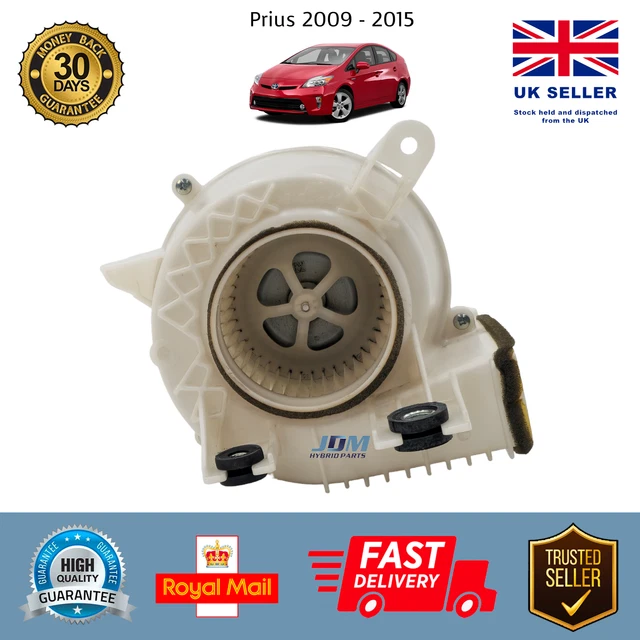
A weak blower usually means a clogged cabin filter or a failing blower motor. Replace the filter first. If airflow is still weak, the blower motor resistor or the motor itself may need testing or replacement.
Can A Dirty Condenser Cause Prius Ac Issues?
Yes. A dirty or bent-fin condenser reduces heat rejection. That raises system pressures and makes cooling weaker. Cleaning the condenser (gentle brushing and rinsing) can restore efficiency.
When Should I Recharge The Prius Ac Refrigerant?
Recharge the refrigerant if cooling becomes noticeably weaker and pressures are low. If you need to recharge more than once in a year, you likely have a leak. Use proper equipment or consult a professional to avoid system damage.
Credit: mpg-eg.com
Bottom Line
A Toyota Prius AC that does not cool can be frustrating. Start with the basics: check AC settings, inspect the cabin filter, and clear vents. These small fixes often solve the problem fast. If the AC still feels warm or you hear odd noises, see a technician for proper diagnostics.
Regular maintenance keeps the AC reliable. Follow simple checks, replace filters, and schedule seasonal tune-ups. Do that and you’ll stay cool and comfortable on every drive.

Hello, I’m Norman. I work as a car researcher. I am the voice behind CaroraHub. I have over 15 years of experience. I give simple and useful car advice. I help with car care, cleaning, and small repairs. My goal is to help you keep your car healthy. I want car care to be easy and cheap for you. You can trust my tips to keep your car working well for a long time.