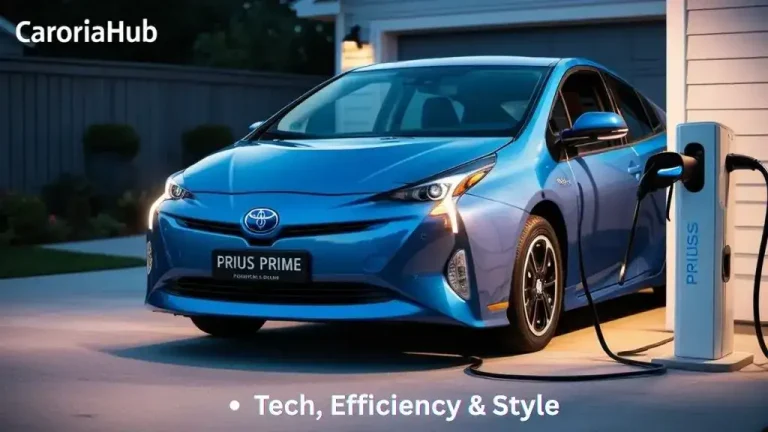
A fully electric car costs about 30% less to maintain over its lifetime than a hybrid because it has no engine, spark plugs, or oil systems to service. Comparing Toyota Prius hybrid vs fully electric car maintenance shows that while both vehicles save money on brake wear, the Prius still requires the routine upkeep of an ordinary gas-powered vehicle.
How Prius Hybrid and Electric Drivetrains Differ
A hybrid drivetrain pairs an internal combustion engine with an electric motor, an inverter, and a planetary gear transaxle. Because of this dual setup, you’re managing two separate power systems under one hood. The gas engine needs clean lubricants, fresh spark plugs, and belt inspections just like an ordinary car. A fully electric vehicle (EV) drops the gasoline side completely. It uses an electric motor wired directly to a single-speed gearbox, which removes dozens of moving parts that would otherwise heat up, grind together, and wear out.
This structural split creates a clear maintenance divide between the two platforms. The hybrid requires steady, calendar-based mechanical maintenance to keep its combustion chamber running smoothly. The electric car relies mostly on software checks, electrical system inspections, and simple fluid flushes. The exact maintenance schedule you follow varies depending on your driving environment, and you can look up your model’s exact service intervals in your vehicle’s printed owner’s manual.
| Maintenance Item | Toyota Prius Hybrid | Fully Electric Car (EV) | Typical Service Window |
|---|---|---|---|
| Engine Oil & Filter | Required | None | 5,000–10,000 miles (Prius only) |
| Transmission Service | Transaxle fluid drain/fill | Single-speed gearbox fluid | 30,000–60,000 miles (Prius) / 100,000+ miles (EV) |
| Spark Plugs | Required | None | 120,000 miles (Prius only) |
| Drive Belts | Water pump / auxiliary belt | None | Inspect every 30,000 miles (Prius only) |
| Cabin Air Filter | Required | Required | 15,000–20,000 miles (Both) |
Routine Service Requirements for Hybrid Vehicles
Owning a Prius means staying on top of normal combustion engine care alongside standard hybrid battery checks. The vehicle switches between its gas engine and electric motor automatically, but that cycling puts unique thermal demands on the mechanical components.
Engine Oil and Filter Changes
The combustion engine in a Prius turns on and off constantly during daily driving. Because the engine repeatedly starts up before reaching full operating temperature, fuel and moisture can build up in the crankcase faster than in a regular highway-driven car. Toyota specifies using ultra-low viscosity synthetic motor oil (such as 0W-16 or 0W-20 depending on model year) to protect tight engine tolerances during frequent cold starts.
Skipping these oil services leads to heavy sludge buildup, which ruins fuel economy and damages the variable valve timing system. Plan to change the oil every 10,000 miles under normal driving, or drop the interval to 5,000 miles if you make repeated short trips in freezing weather.
Exhaust System and Emission Components
Because the Prius burns gasoline, it relies on a full emissions system to pass clean air standards. This includes an exhaust manifold, oxygen sensors, and a catalytic converter that uses rare metals to clean tailpipe gases. A common mistake owners make is ignoring a clogged hybrid battery cooling fan filter behind the rear seats; when that fan chokes, the hybrid battery can overheat, which may trigger a warning light or reduce the vehicle’s performance.
The system also uses an evaporative emissions (EVAP) charcoal canister and purge valves to trap fuel vapors. These parts naturally age, rust, or crack over a decade of road salt and vibration.
Maintenance Needs for Fully Electric Vehicles
An EV avoids all combustion-related upkeep, but it isn’t completely service-free. It depends heavily on closed-loop thermal circuits, heavy-duty suspension gear, and specialized chassis components to operate reliably.
Cooling Systems and Battery Thermal Management
Electric cars run large liquid-cooling loops packed with dedicated coolants to keep high-voltage packs and inverters at a safe temperature. Extreme heat degrades lithium cells, so these systems pump fluid through chillers, heaters, and radiators.
These loops use specialized low-conductivity coolants designed to reduce short-circuit risks if an internal leak occurs. Replacing or bleeding this fluid requires diagnostic software to open electronic valves and run the internal electric water pumps.
Brake System Longevity and Fluid Care
Electric cars use heavy regenerative braking to harvest kinetic energy and recharge the battery the moment you lift off the accelerator. As a result, the mechanical friction brakes rarely engage during everyday stops, and brake pads can easily last 80,000 to 100,000 miles.
However, this lack of friction creates a distinct trade-off: because the physical brakes sit idle, road grit, water, and salt collect on the metal hardware. The caliper slide pins can seize, and the brake rotors can rust out long before the friction material ever wears thin. You must have a technician clean, disassemble, and lubricate the caliper hardware based on your usage as specified in the owner’s manual. Brake fluid also absorbs moisture from the air over time, so you’ll still need a fluid flush based on usage and the owner’s manual regardless of mileage.
Comparing Long-Term Wear and Tear
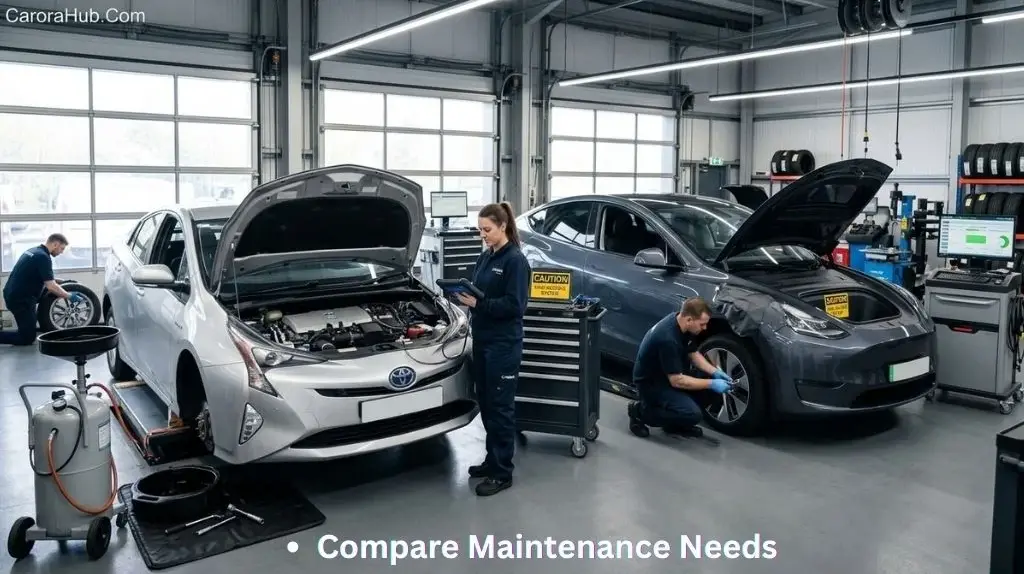
Tires and suspension parts take far more punishment on an electric car than on a hybrid. Electric cars carry massive battery packs beneath the floorboards, making them roughly 500 to 1,000 pounds heavier than a Prius. That extra mass, paired with the instant torque delivery of an electric motor, wears through tire tread much faster.
Suspension bushings, ball joints, and control arms also endure higher continuous stress on an EV. If you drive mostly smooth highways, an EV will cost very little in suspension care; if you drive across potholed city roads every day, you’ll replace heavy-duty suspension joints and tires much sooner than you would on a light hybrid.
Hidden Costs of Hybrid and Electric Ownership
Both vehicle types come with specific hidden costs that surprise drivers after the warranty period ends:
- Tire Replacement Premiums (EV): Electric cars require tires with high load ratings, reinforced sidewalls, and sound-absorbing foam inserts. A set of these specialized tires costs 20% to 40% more than the standard passenger tires used on a Prius.
- Inverter Water Pump Failures (Hybrid): The Prius uses a dedicated electric coolant pump for its hybrid inverter. When this small pump fails after years of service, the car enters an emergency limp mode, requiring an immediate tow and an expensive repair bill.
- 12-Volt Auxiliary Battery Costs (Both): Both vehicles rely on an auxiliary 12V battery to boot up their primary computers. In an EV or a Prius, these are often expensive AGM (Absorbent Glass Mat) batteries that cost significantly more than traditional flooded car batteries.
- HVAC Heat Pump Repairs (EV): EVs rely on complex, high-pressure heat pumps for cabin warming instead of borrowing free heat from an engine block. Servicing these systems requires specialized high-voltage air-conditioning oil and technicians certified in closed refrigerant loops.
This vehicle comparison isn’t for high-mileage drivers who lack home charging and can’t install a 240-volt Level 2 outlet, as relying entirely on commercial fast-charging stations adds hefty fees that erase your operational savings.
FAQs Of Toyota Prius Hybrid vs Fully Electric Car Maintenance
Do electric cars require more frequent tire replacements?
Yes, electric cars generally wear through tires 20% to 30% faster than hybrids. Their heavy curb weight and instantaneous electric torque put higher friction loads on the rubber during acceleration and cornering.
How does regenerative braking affect brake pad lifespan?
Regenerative braking reverses the electric motor to slow the vehicle down, which handles most daily stopping power. This cuts pad wear drastically, allowing both EV and Prius brake pads to last two to three times longer than those on traditional cars.
Are hybrid batteries more expensive to replace than electric vehicle batteries?
No, hybrid batteries are significantly cheaper to replace. A Prius battery holds a modest capacity (usually under 2 kilowatt-hours) and is inexpensive compared to the alternative, while a full EV battery holds 50 to 100 kilowatt-hours and is much more expensive out of warranty.
Can a standard mechanic service both types of vehicles?
A standard neighborhood mechanic can easily handle tires, brake hardware, cabin filters, and suspension parts on both cars. However, issues involving the high-voltage pack, internal orange safety cabling, or battery management modules require specialized diagnostic software and technicians trained in high-voltage safety.
Conclusion
If your daily priority is dead-simple maintenance with zero oil changes, choose a fully electric car; if you want cheaper tire replacements and easy repair access in remote areas, stick with the Prius. The right choice comes down to whether you prefer managing regular fluid services or paying a bit more for tires and heavy-duty chassis components.

I am Julian Drive, an automotive enthusiast and repair expert with over 7 years of hands-on experience in vehicle maintenance. At Carora Hub, I simplify complex car issues into easy-to-follow DIY guides to help drivers stay safe and save on repair costs.