Many drivers see the Toyota Prius as a smart, practical choice. It’s known for reliability, fuel efficiency, and a smaller carbon footprint. But when it comes to car insurance, buyers often ask: Are Toyota Prius cars expensive to insure?
The short answer is: it depends. Insurance costs vary by model, driver profile, location, and even small design details. If you’re buying a Prius—or already own one—knowing what drives Prius insurance costs helps you avoid surprises and save money. I’ve owned and researched hybrids for years, and I’ll share what matters most.
What Makes Insurance Expensive Or Cheap?
Insurance is about risk. Insurers ask two questions: How likely is a claim? And how costly would that claim be?
- Repair costs: Cars that cost more to fix lead to higher premiums.
- Theft risk: Frequently stolen models cost more to insure.
- Safety features: Strong safety tech cuts injury claims and lowers rates.
- Driver profile: Age, driving history, and location matter a lot.
- Claims history for the model: If many owners of a model file claims, insurers raise rates.
These factors apply to every car. Below, I show how the Prius stacks up on each point. I’ll also share tips you can use to lower Prius insurance premiums.
How Do Prius Insurance Rates Compare To Other Cars?
Insurers use large datasets to set premiums. The Prius is usually compared to compact and midsize sedans. In general, it sits in the middle of the pack for insurance cost.
Here’s a simple comparison of average annual insurance premiums (for a typical adult driver with a clean record in the US):
| Car Model | Average Annual Premium (USD) |
|---|---|
| Toyota Prius | $1,400 |
| Toyota Corolla | $1,350 |
| Honda Civic | $1,420 |
| Hyundai Elantra | $1,360 |
| Ford Fusion | $1,480 |
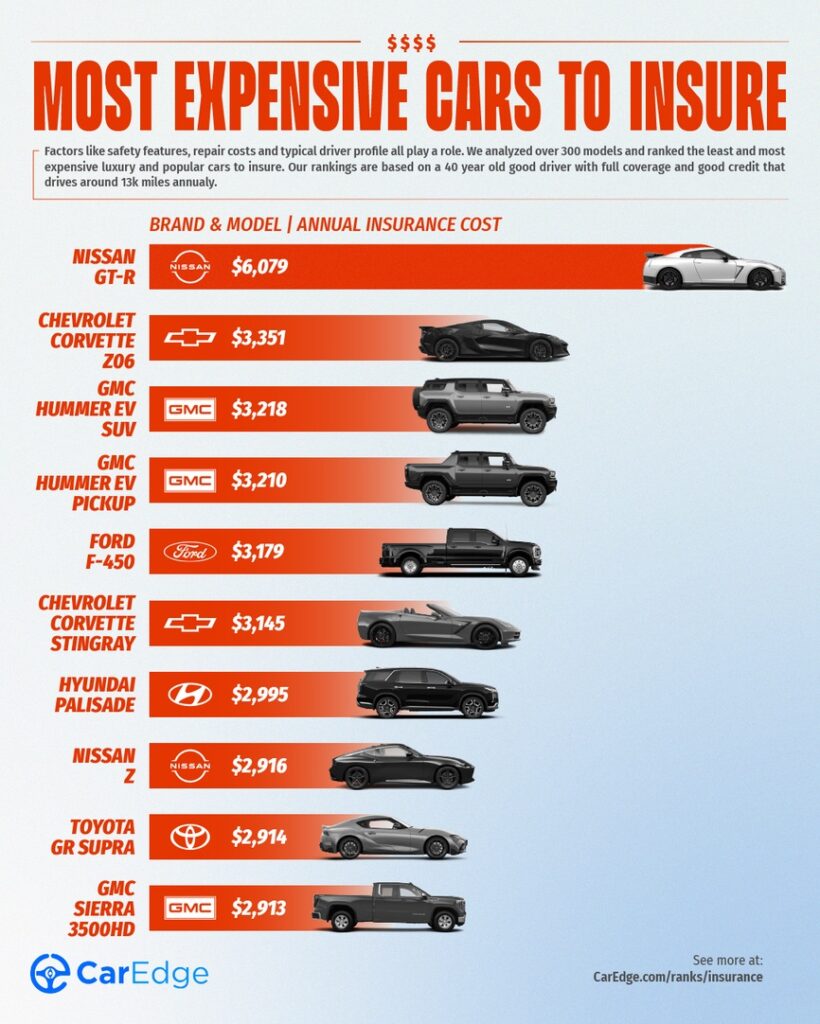
The Prius is not the cheapest. It is also not the most expensive. It often costs a bit more than non-hybrid rivals. But it is cheaper than many SUVs and luxury cars. This reflects a mix of repair costs, safety scores, and theft data.
Why Are Some Prius Models More Expensive To Insure?
Insurance treats each model and trim differently. Small changes in features can change repair costs and claims. Here are the main differences to watch.
Model Year And Trim
Newer models often cost more to insure. Reasons:
- Higher repair costs for new tech or hybrid components.
- More advanced systems to replace after a crash.
- Higher market value means a bigger payout after a total loss.
For example, a 2023 Prius Limited will generally cost more to insure than a 2015 base model. Over time, insurance costs usually fall as a car ages. But this can reverse if parts become rare or costly for older models.
Prius Vs. Prius Prime Vs. Prius C
The Prius family includes the standard Prius, the Prius Prime (plug-in hybrid), and the smaller Prius C. Each one has a different insurance profile.
- Prius Prime: Often costs more to insure. Plug-in hybrid parts and charging systems can be pricier to repair.
- Prius C: Sometimes cheaper to insure. It’s smaller and less complex, but it may lack some advanced safety tech.
- Standard Prius: Usually sits in the middle. It balances repair costs with strong safety features.
Special Editions And Packages
Higher trims with extras—like panoramic roofs or advanced sensors—can raise repair bills. That raises your insurance premium. If you want lower insurance, consider a mid or base trim without luxury add-ons.
Main Factors That Affect Prius Insurance Costs
Insurance is highly personal. Two drivers with the same Prius can pay very different premiums. Here are the top factors insurers use.
1. Your Driving Record
Your history matters most. Accidents, tickets, and DUIs raise rates a lot. A clean driving record can save you hundreds each year.
2. Where You Live
Location is huge. Cities usually cost more to insure. That is due to more theft, vandalism, and claims. Rural areas often have lower premiums.
3. How You Use Your Prius
- Daily commuting increases risk and raises your premium.
- Low annual mileage (under 7,500 miles) may earn discounts.
4. Your Age And Experience
Younger drivers pay more. Insurers see them as higher risk. Older drivers with long safe records get the best rates.
5. Your Credit Score
In many US states, credit score affects premiums. Better credit often lowers your rate. Check local rules—some states ban this practice.
6. Coverage Choices
- Liability-only insurance is cheaper but offers less protection.
- Full coverage (collision and comprehensive) costs more but protects your car after a crash, theft, or vandalism.
- Raising your deductible lowers your premium. But make sure you can afford the out-of-pocket cost if you claim.
7. Safety And Anti-theft Features
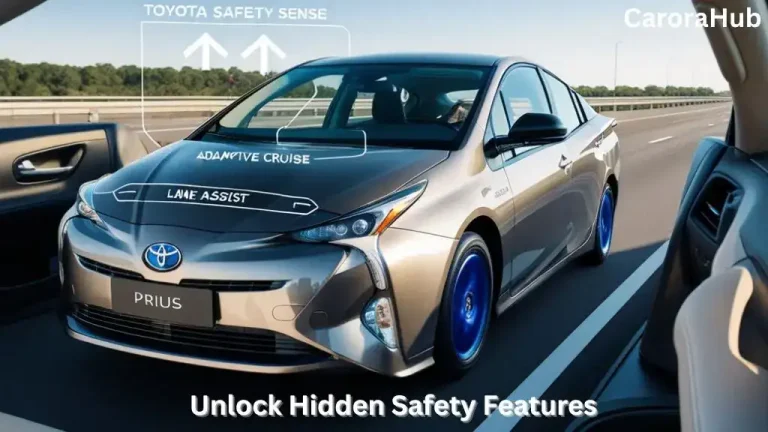
The Prius includes airbags, stability control, and often active safety aids like lane-keep assist and collision warning. These reduce injury claims and lower insurance. Adding tracking devices or alarms may get you extra discounts.
8. Claims And Repair Statistics
Insurers study claims for each model. If Prius owners in your area claim often, your rate could be higher—even with a clean record. That’s why where you live matters so much.
Real-world Prius Insurance Examples
Here are three real-world examples to show how personal factors change costs:
- Sarah, age 35, suburban Illinois, 2019 Prius, no accidents. Pays $1,120 per year for full coverage.
- James, age 23, San Francisco, 2021 Prius Prime, one speeding ticket. Pays $2,300 per year for full coverage.
- Linda, age 47, rural Texas, 2015 Prius C, clean record. Pays $780 per year for liability-only coverage.
These examples show how age, location, model, and coverage level shape your premium. Use them as a baseline when you shop for quotes.
Prius Insurance Vs. Hybrid And Non-hybrid Cars
Do hybrids cost more to insure? Often they do, but the full story matters. Let’s break it down for the Prius.
Hybrid Vs. Non-hybrid Costs
Hybrid cars can be pricier to repair. Battery and electric system work can be expensive. Yet the Prius has been on the road for decades. Parts are common, and many mechanics know the model well. That lowers repair time and cost.
Here’s a look at average repair costs for a bumper and battery replacement:
| Car Model | Bumper Repair (USD) | Battery Replacement (USD) |
|---|---|---|
| Toyota Prius | $900 | $2,500 |
| Honda Civic | $750 | N/A (no hybrid) |
| Toyota Camry Hybrid | $950 | $2,700 |
| Ford Fusion Hybrid | $1,000 | $2,800 |
Prius repair costs fall mid-range among hybrids. They are higher than non-hybrids for battery issues. But repair frequency, safety ratings, and parts availability balance the scale.
Safety And Theft
The Prius scores well on crash tests. That lowers injury claims. It is not a top target for thieves compared to sports cars or luxury SUVs. Lower theft rates help lower premiums for many Prius drivers.
Claims Frequency
On average, Prius drivers file fewer claims than drivers of many other models. That reduced claims frequency is a strong driver of reasonable insurance rates for the Prius.
Hidden Factors Many Prius Owners Miss
Some factors hide in plain sight. They affect rates more than owners expect.
- Aftermarket modifications: Custom wheels, lowered suspension, or tinted windows can raise premiums. Insurers see mods as higher risk.
- Usage type: If you drive for Uber, Lyft, or deliver food, you need special commercial or rideshare coverage. It costs more than personal insurance.
- Parking location: Street parking adds theft and vandalism risk. A garage lowers your premium in many areas.
How To Lower Your Prius Insurance Costs
You can reduce what you pay. I use several of these tactics myself. They work well for Prius owners and other hybrid drivers.
Shop Around
Prices vary by insurer. Get quotes from at least three companies. Some insurers value the Prius more favorably than others.
Ask For Discounts
Common discounts for Prius owners include:
- Safe driver (no accidents or tickets)
- Low mileage
- Multi-policy (bundle home and auto insurance)
- Good student (for young drivers with good grades)
- Defensive driving course
Ask your agent what you qualify for. Some discounts are not widely advertised.
Adjust Your Coverage
If your Prius is older, consider dropping collision coverage. Raising your deductible lowers premiums. But be sure you can pay the deductible if you have a claim.
Improve Security
Add a steering wheel lock, alarm, or GPS tracker. Many insurers offer discounts for strong anti-theft measures.
Keep A Good Credit Score
In many states, a higher credit score helps lower premiums. Pay bills on time and keep balances low.
Review Your Policy Every Year
Insurance markets change. Move, drive less, or improve your credit? Shop again. Don’t let a policy auto-renew without checking for better options.
Common Myths About Prius Insurance
You’ll hear myths about hybrids and the Prius. I’ll clear up the most common ones.
Myth 1: All Hybrids Are Expensive To Insure
Not true. The Prius is one of the more affordable hybrids to insure. That is due to good safety scores and lower claim rates.
Myth 2: Prius Parts Are Hard To Find
That was true in the early years. Today, Prius parts are common. Many shops and dealerships can service them. This helps keep repair costs down.
Myth 3: Prius Cars Are A Big Target For Thieves
While theft can happen to any car, the Prius is not among the top stolen models. Insurer data reflects that.
Myth 4: Insurance Companies Don’t Like Hybrids
Most major insurers treat hybrids fairly. Some even offer green-vehicle discounts or lower rates for fuel-efficient cars.
The Prius And Insurance: A Global View
Insurance rules and prices differ by country. Below are quick notes for major markets.
- United States: State rules vary. Some states ban using credit score or gender in pricing. City vs. rural location has a big effect.
- Canada: Insurance can be higher in provinces with severe weather or high theft rates.
- UK and Europe: Environmental incentives and taxes can change ownership cost. Some insurers reward fuel-efficient cars.
- Asia: Hybrid insurance is still maturing in some markets. Rates may be higher until insurers gather more data.
When Could Prius Insurance Be Expensive?
The Prius is usually mid-range for insurance. Yet certain situations can push costs higher:
- Young drivers: Under 25 often pay much more, sometimes over $2,500 per year.
- Urban centers: Large cities like Los Angeles or New York often mean higher premiums, due to more claims and theft.
- High-risk drivers: A record of accidents or tickets raises rates regardless of car type.
- Special models: Prius Prime and top trims with costly tech can mean higher claims and higher premiums.
Prius Insurance And Environmental Discounts
Some insurers reward green choices. Ask about:
- Hybrid or electric car discounts
- Low-emission or eco-friendly discounts
- Pay-per-mile insurance for low-mile drivers
These programs vary by insurer and region. They can save 5–10% if available. Always ask when you get a quote.
Credit: caredge.com
Prius Ownership: Insurance And Total Cost Of Ownership
Insurance is only one piece of ownership cost. Consider these too:
- Fuel savings: The Prius typically uses far less gas. That means lower annual fuel cost.
- Maintenance: The Prius is reliable. That often reduces long-term repair bills.
- Resale value: Priuses hold value well. That can lower total cost of ownership when you trade or sell.
Here’s a look at total yearly costs for a typical Prius owner compared to a non-hybrid sedan:
| Cost Category | Toyota Prius | Toyota Corolla |
|---|---|---|
| Fuel (15,000 miles/year) | $900 | $1,500 |
| Insurance | $1,400 | $1,350 |
| Maintenance/Repairs | $450 | $500 |
| Total | $2,750 | $3,350 |
Even if insurance is a bit higher, fuel savings and lower long-term repair costs can make the Prius cheaper overall.
What To Watch Out For When Insuring A Prius
Price matters, but so does protection. Watch for these pitfalls:
- Choosing too little coverage: The cheapest policy can leave you underprotected after a serious crash.
- Ignoring exclusions: Some policies exclude battery damage or aftermarket parts. Read the fine print.
- Forgetting to update your insurer: Move, change jobs, or add drivers? Tell your insurer. Omissions can lead to denied claims.
Credit: www.einsurance.com
Expert Tips For Prius Owners
Two advanced tips many owners miss:
- Ask about OEM parts coverage: Some insurers only pay for aftermarket parts. If you prefer original Toyota parts after repairs, confirm coverage or add a rider.
- Look for diminishing deductible: Some policies reduce your deductible each year you don’t file a claim. It rewards safe drivers and cuts future out-of-pocket costs.
Also, confirm whether your policy covers hybrid-specific items like battery and electric motor damage after a covered event. Don’t assume all hybrid-related damage is included.
Comparing Insurance Quotes For Your Prius
Get accurate quotes with these steps:
- Gather details: Have your car’s VIN, mileage, and safety features handy.
- Use the same coverage for each quote: That keeps comparisons fair.
- Ask about discounts: Don’t wait for the insurer to volunteer them.
- Check for extras: Does the policy include roadside assistance, rental car, or battery replacement?
- Review the insurer’s reputation: Cheap rates are not worth it if the company handles claims poorly.
You can use online tools or work with an independent agent. Some comparison sites, like NerdWallet, offer guides and side-by-side price checks.

Credit: www.caranddriver.com
When Is A Prius Not A Good Insurance Choice?
The Prius fits many drivers. But it may not be ideal for everyone:
- If you want the absolute lowest insurance cost, an older non-hybrid sedan might be cheaper.
- If you drive very little, a pay-per-mile policy could be a better fit than standard insurance.
- If you need lots of cargo room or towing capacity, the Prius is not designed for heavy loads.
Future Trends: Will Prius Insurance Get Cheaper Or More Expensive?
As more Priuses hit the road, parts and repair know-how improve. That tends to push insurance costs down. But new safety tech can be expensive to repair. Inflation and higher labor costs may push rates up.
Usage-based insurance (UBI), where your driving behavior sets your rate, may favor Prius owners. These cars are often driven gently and for commuting—traits insurers reward with lower premiums.
Frequently Asked Questions
Is The Toyota Prius Expensive To Insure Compared To Other Toyotas?
The Prius is usually slightly more expensive to insure than a base Corolla or Yaris. It is often less expensive than a Camry Hybrid or RAV4. Its strong safety record keeps premiums reasonable.
What Is The Cheapest Prius Model To Insure?
The Prius C and older base models often have the lowest insurance rates. If you choose liability-only coverage, rates fall further. Newer, plug-in models usually cost more.
Do Insurance Companies Offer Discounts For Hybrid Cars?
Some insurers do. Ask about green car discounts or low-emission vehicle programs. These can save 5–10% in some cases.
Does Prius Insurance Cover The Hybrid Battery?
Standard insurance usually covers battery damage only if the damage results from a covered event (like a collision). Mechanical breakdowns or normal wear are typically not covered unless you buy specific mechanical breakdown insurance or an extended warranty.
Will My Insurance Go Down As My Prius Gets Older?
Usually yes. As the car’s market value declines, collision and comprehensive premiums fall. But if parts for older models become scarce, repair costs could rise and push rates up.
Final Thoughts
The Toyota Prius is not the cheapest car to insure, but it’s far from the most expensive. For most drivers, Prius insurance sits in the middle. The car’s strong safety record and reliability keep premiums reasonable. You can often lower your rate by shopping around, asking about discounts, and adjusting coverage to match your needs.
Remember: your personal profile matters as much as the car. Learn what insurers look at, keep your records clean, and compare quotes each year. Do that and you can drive your Prius with confidence—knowing you are not overpaying for insurance.

Hello, I’m Norman. I work as a car researcher. I am the voice behind CaroraHub. I have over 15 years of experience. I give simple and useful car advice. I help with car care, cleaning, and small repairs. My goal is to help you keep your car healthy. I want car care to be easy and cheap for you. You can trust my tips to keep your car working well for a long time.