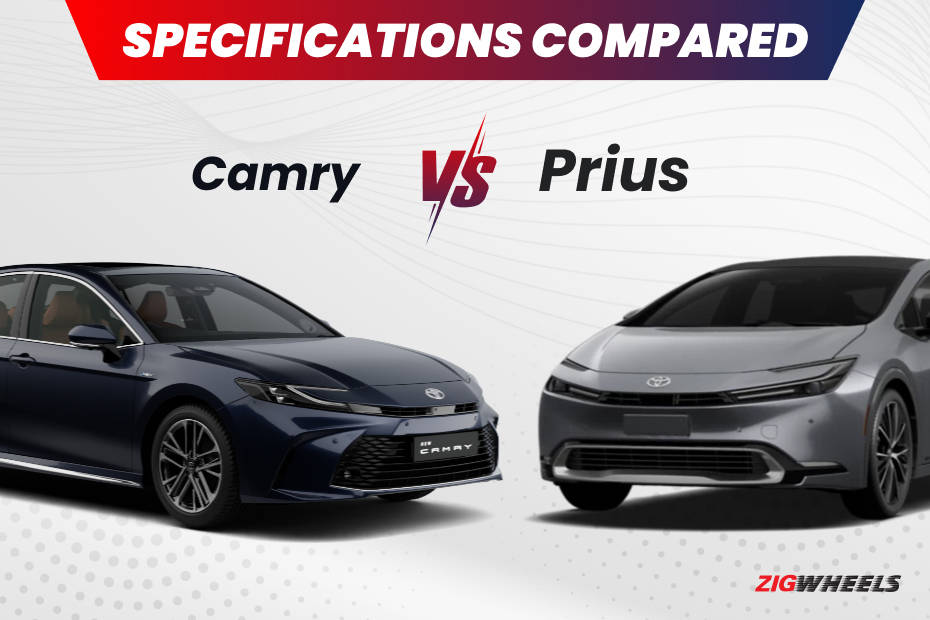
For U.S. drivers, the Toyota Prius and Toyota Camry Hybrid have broadly similar routine maintenance needs. Neither is automatically cheaper to maintain just because it is a hybrid. Your actual cost depends more on the model year, mileage, trim, tire choice, local labor rates, and how long you keep the car than on the nameplate alone.
The Prius may cost less in some cases, especially if it uses less expensive tires. The Camry Hybrid may cost more for certain parts or services, depending on its trim and equipment. To compare them fairly, use the maintenance schedule for each car’s exact model year and get written quotes for the same work.

Quick answer: Prius vs. Camry Hybrid maintenance costs
Expect routine maintenance costs to be close, not identical. Both cars use gasoline engines, hybrid batteries, electric drive components, and regenerative braking. Both need regular inspections, tire care, engine oil and filter service, and other work set by Toyota’s schedule.
A Prius can come out cheaper if its tires cost less or if a specific service costs less at your local shop. A Camry Hybrid can have an edge if its tires last longer in your driving conditions or if a local shop offers a better price. Those outcomes depend on the exact cars and quotes. There is no reliable one-size-fits-all price that applies to every Prius and Camry Hybrid.
For a useful comparison, add up the scheduled services you expect to need over the same time or mileage. Keep fuel, insurance, repairs, and financing separate. They affect total ownership cost, but they are not maintenance costs.
Read More: Toyota Prius Vs Corolla Hybrid Fuel Economy
What affects maintenance cost most?
Model year, mileage, tire setup, and local labor rates can matter more than whether the car is a Prius or Camry Hybrid. A comparison between two trims from the same year may differ from one between older and newer models.
| Cost factor | What to check | Why it matters |
|---|---|---|
| Model year | Toyota’s maintenance schedule and owner’s manual for that year | Service items and intervals can change between years. |
| Mileage and age | Odometer reading and time since each service | Some work is due by mileage, time, or whichever comes first. |
| Tires | Tire size, brand, and replacement price for the exact trim | Tire prices and replacement frequency can change the total. |
| Driving conditions | Frequent short trips, heavy traffic, dust, heat, or towing | Severe use may call for more frequent service. |
| Shop and location | Dealer and independent-shop quotes for the same work | Labor rates and parts prices vary across the U.S. |
| Vehicle condition | Service records, warning lights, and inspection results | Catch-up work or repairs are not the same as routine upkeep. |
The Prius name covers more than one generation, and the Camry Hybrid has changed over time. A tire quote for one trim may not fit another. Check the tire information on the car or in its owner’s manual rather than comparing by model name alone.
Also separate maintenance from repairs. replacing oil and rotating tires are planned services. Fixing a failed part is a repair. A repair may be costly, but it should not be treated as a routine charge every owner will face.
Which scheduled services do both hybrids need?
Both cars need the services listed in Toyota’s schedule for their exact year and driving conditions. Recent Toyota schedules commonly include tire rotation and inspections at regular intervals, with engine oil and filter changes at specified mileage or time points. The exact schedule can vary, so do not use a generic interval as a substitute for the manual.
Toyota’s maintenance schedule tool lets owners check guidance by vehicle. Toyota also provides owner’s manuals and warranty documents. Use the schedule that matches the car’s model year and, where requested, its engine or trim.
For a fair cost comparison, make a list of the work due for each car over the same period. For example, compare what each needs over the next 12 months, not the Prius’s next oil change with a Camry’s larger service visit.
Keep records of completed work. If a shop recommends a service that is not on the schedule, ask what finding or condition makes it necessary. Some added work may be justified by the car’s condition, but a generic “hybrid service” package is not proof that every item is due.
Where the Prius or Camry Hybrid may cost more
Tires and condition-based work are common reasons the two cars’ bills differ. The difference is specific to the car and the quote, not a guaranteed advantage for one model.
- Tires: Compare the installed price for the correct size and type. A larger wheel option can affect tire cost, but the trim matters.
- Oil service: Both cars have gasoline engines, so both need engine oil and a filter. The correct oil grade and service interval depend on the vehicle’s manual.
- Brakes: Regenerative braking can reduce use of the friction brakes in some driving, but it does not ensure longer brake life. Have brakes checked and replace parts based on condition.
- Fluids and inspections: Coolant and other items follow Toyota’s schedule for the exact model. Do not assume every fluid needs a flush at the same interval—or that a flush is due just because a shop offers it.
- Repairs: A worn tire, damaged part, or warning light calls for diagnosis. A hybrid warning is not by itself proof that the traction battery needs replacement.
Neither car has a routine schedule that says every owner must replace the hybrid battery at a set age. Battery life and repair cost depend on the vehicle and its condition. Check the warranty booklet for the exact model year and state; coverage terms can vary.
If a shop finds a problem with the hybrid system, ask for the diagnostic results and a written estimate. Use a technician qualified to work on hybrids. Do not touch high-voltage parts yourself.
How to estimate your yearly maintenance cost
Use the services due on your car, then price each one locally. This gives you a more useful estimate than an average that may not match your mileage or location.
- Choose the same ownership period. For example, compare both cars over the next year or over the same number of miles.
- Check each car’s schedule. Use the correct Toyota maintenance guide and note services due by time or mileage.
- List tires separately. Add a tire replacement only if the tread, age, or inspection suggests one is needed during your estimate period.
- Get itemized quotes. Ask a Toyota dealer and an independent shop to price the same services, parts, and labor.
- Keep repairs separate. Add a repair only when a diagnosis supports it. Do not include a possible battery failure as a routine yearly expense.
A simple estimate is:
Yearly maintenance estimate = scheduled service quotes + tires due during the year + other documented upkeep
For a longer ownership period, add the expected services over that period and divide by the number of years. This is an estimate, not a promise of future bills. A single repair can make one year much more expensive than the next.
When requesting quotes, give each shop the model year, trim, mileage, and tire size. Ask whether the quote includes parts, labor, taxes, and disposal fees. That makes the Prius and Camry Hybrid prices easier to compare.
Common budgeting mistakes to avoid
The biggest mistake is comparing a general estimate for one car with a specific quote for the other. Use the same time period, service list, and quote details.
- Do not treat fuel savings as maintenance savings. Fuel economy affects fuel spending, not the price of maintenance. Compare it separately if you are estimating total ownership cost.
- Do not assume every hybrid needs a battery replacement. Check the car’s condition and warranty before adding a battery repair to a budget.
- Do not follow a schedule for the wrong year. A schedule for a newer Prius may not fit an older Prius, and the same is true for Camry Hybrid.
- Do not approve every suggested fluid service without asking why it is due. Compare the recommendation with Toyota’s schedule and the shop’s inspection findings.
- Do not assume regenerative braking means brake parts never wear. Driving conditions and inspection results still matter.
- Do not compare one dealer’s full-service quote with another shop’s partial quote. Make sure both include the same work.
If a warning light appears, the car makes a new noise, or braking feels different, arrange an inspection rather than waiting for the next routine service. For a hybrid-system concern, use a qualified shop.
Key takeaways
- The Prius and Camry Hybrid usually have similar routine service needs.
- Neither model is always cheaper to maintain. Trim, tires, age, mileage, condition, and local prices can change the result.
- Use Toyota’s exact model-year schedule and compare itemized quotes for the same work.
- Keep maintenance, repairs, and fuel costs in separate budgets.
- Do not budget for a hybrid battery replacement as a routine scheduled service. Check the vehicle’s condition and warranty terms.
FAQs About Toyota Prius Vs Camry Hybrid Maintenance Costs
Is the Toyota Prius cheaper to maintain than the Camry Hybrid?
Not in every case. Routine maintenance needs are broadly similar, but the total depends on the model year, trim, tires, service history, and local shop prices. Compare the same services for both cars.
Do Prius and Camry Hybrid models need oil changes?
Yes. Both have gasoline engines and need engine oil and filter service. Follow the schedule and oil guidance for the exact model year and driving conditions.
Do hybrid batteries have to be replaced on a schedule?
No. Do not assume that either car needs a battery replacement at a set age or mileage. Have a qualified shop diagnose a battery concern, and check the warranty documents for the exact vehicle.
Can an independent shop service either hybrid?
Many independent shops work on hybrids, but qualifications and equipment vary. Ask whether the shop has hybrid training and can perform the service or diagnosis your car needs.
What should I ask for when comparing service quotes?
Ask for an itemized quote based on the car’s year, trim, mileage, and tire size. Confirm that both quotes include the same parts and labor, and ask which recommendations are required by the schedule and which are based on inspection findings.
Conclusion
For most U.S. shoppers, the best answer is not “Prius always” or “Camry Hybrid always.” Their routine maintenance costs can be close, while tires, service history, and local labor can shift the total. Check both cars’ schedules and get matching quotes before you decide.
If you already own one, start with Toyota’s maintenance schedule for its model year and mileage. Then price only the services that are due or supported by an inspection.

I am Julian Drive, an automotive enthusiast and repair expert with over 7 years of hands-on experience in vehicle maintenance. At Carora Hub, I simplify complex car issues into easy-to-follow DIY guides to help drivers stay safe and save on repair costs.